
Filter
2719
Text search:
integrated
nutrition
Featured
232
899
Language
2617
88
51
29
29
14
11
8
7
6
3
3
2
2
2
2
2
2
2
2
2
2
1
1
1
1
1
1
1
1
1
1
1
1
1
1
1
1
1
1
1
1
1
1
1
Document type
1595
439
264
152
139
54
34
29
6
2
2
1
1
Countries
136
126
118
93
84
66
65
64
60
60
57
56
55
55
48
41
39
37
34
30
28
28
27
26
26
24
24
24
24
23
22
20
20
17
16
15
13
12
11
11
11
10
10
9
9
9
8
7
7
7
6
6
6
6
6
5
5
5
5
4
4
4
4
4
4
4
3
3
3
3
3
3
3
2
2
2
2
2
2
2
2
2
2
2
2
2
1
1
1
1
1
1
1
1
1
1
1
1
1
1
1
1
1
1
1
1
1
1
1
1
1
1
1
1
1
1
1
Authors & Publishers
277
87
83
73
68
66
54
53
40
23
21
20
19
18
15
15
14
13
13
12
12
12
12
11
10
10
10
10
10
10
10
10
10
10
10
10
9
9
9
9
9
8
8
8
8
8
8
8
7
7
7
7
7
7
7
7
7
7
6
6
6
6
6
6
6
6
6
6
6
6
5
5
5
5
5
5
5
5
5
5
5
5
5
5
5
5
5
5
5
5
5
5
5
5
5
5
5
5
5
5
5
5
5
4
4
4
4
4
4
4
4
4
4
4
4
4
4
4
4
4
4
4
4
4
4
4
4
4
4
4
4
4
4
4
4
4
4
3
3
3
3
3
3
3
3
3
3
3
3
3
3
3
3
3
3
3
3
3
3
3
3
3
3
3
3
3
3
3
3
3
3
3
3
3
3
3
3
3
3
3
3
3
3
3
3
3
3
3
3
3
3
3
3
3
3
3
3
3
3
3
3
3
3
3
3
3
3
3
3
3
3
2
2
2
2
2
2
2
2
2
2
2
2
2
2
2
2
2
2
2
2
2
2
2
2
2
2
2
2
2
2
2
2
2
2
2
2
2
2
2
2
2
2
2
2
2
2
2
2
2
2
2
2
2
2
2
2
2
2
2
2
2
2
2
2
2
2
2
2
2
2
2
2
2
2
2
2
2
2
2
2
2
2
2
2
2
2
2
2
2
2
2
2
2
2
2
2
2
2
2
2
2
2
2
2
2
2
2
2
2
2
2
2
2
2
2
2
2
2
2
2
2
2
2
2
2
2
2
2
2
2
2
2
2
2
2
2
2
2
2
2
2
2
2
2
2
2
2
2
2
2
2
2
2
2
2
2
2
2
2
2
2
2
2
2
2
2
2
1
1
1
1
1
1
1
1
1
1
1
1
1
1
1
1
1
1
1
1
1
1
1
1
1
1
1
1
1
1
1
1
1
1
1
1
1
1
1
1
1
1
1
1
1
1
1
1
1
1
1
1
1
1
1
1
1
1
1
1
1
1
1
1
1
1
1
1
1
1
1
1
1
1
1
1
1
1
1
1
1
1
1
1
1
1
1
1
1
1
1
1
1
1
1
1
1
1
1
1
1
1
1
1
1
1
1
1
1
1
1
1
1
1
1
1
1
1
1
1
1
1
1
1
1
1
1
1
1
1
1
1
1
1
1
1
1
1
1
1
1
1
1
1
1
1
1
1
1
1
1
1
1
1
1
1
1
1
1
1
1
1
1
1
1
1
1
1
1
1
1
1
1
1
1
1
1
1
1
1
1
1
1
1
1
1
1
1
1
1
1
1
1
1
1
1
1
1
1
1
1
1
1
1
1
1
1
1
1
1
1
1
1
1
1
1
1
1
1
1
1
1
1
1
1
1
1
1
1
1
1
1
1
1
1
1
1
1
1
1
1
1
1
1
1
1
1
1
1
1
1
1
1
1
1
1
1
1
1
1
1
1
1
1
1
1
1
1
1
1
1
1
1
1
1
1
1
1
1
1
1
1
1
1
1
1
1
1
1
1
1
1
1
1
1
1
1
1
1
1
1
1
1
1
1
1
1
1
1
1
1
1
1
1
1
1
1
1
1
1
1
1
1
1
1
1
1
1
1
1
1
1
1
1
1
1
1
1
1
1
1
1
1
1
1
1
1
1
1
1
1
1
1
1
1
1
1
1
1
1
1
1
1
1
1
1
1
1
1
1
1
1
1
1
1
1
1
1
1
1
1
1
1
1
1
1
1
1
1
1
1
1
1
1
1
1
1
1
1
1
1
1
1
1
1
1
1
1
1
1
1
1
1
1
1
1
1
1
1
1
1
1
1
1
1
1
1
1
1
1
1
1
1
1
1
1
1
1
1
1
1
1
1
1
1
1
1
1
1
1
1
1
1
1
1
1
1
1
1
1
1
1
1
1
1
1
1
1
1
1
1
1
1
1
1
1
1
1
1
1
1
1
1
1
1
1
1
1
1
1
1
1
1
1
1
1
1
1
1
1
1
1
1
1
1
1
1
1
1
1
1
1
1
1
1
1
1
1
1
1
1
1
1
1
1
1
1
1
1
1
1
1
1
1
1
1
1
1
1
1
1
1
1
1
1
1
1
1
1
1
1
1
1
1
1
1
1
1
1
1
1
1
1
1
1
1
1
1
1
1
1
1
1
1
1
1
1
1
1
1
1
1
1
1
1
1
1
1
1
1
1
1
1
1
1
1
1
1
1
1
1
1
1
1
1
1
1
1
1
1
1
1
1
1
1
1
1
1
1
1
1
1
1
1
1
1
1
1
1
1
1
1
1
1
1
1
1
1
1
1
1
1
1
1
1
1
1
1
1
1
1
1
1
1
1
1
1
1
1
1
1
1
1
1
1
1
1
1
1
1
1
1
1
1
1
1
1
1
1
1
1
1
1
1
1
1
1
1
1
1
1
1
1
1
1
1
1
1
1
1
1
1
1
1
1
1
1
1
1
1
1
1
1
1
1
1
1
1
1
1
1
1
1
1
1
1
1
1
1
1
1
1
1
1
1
1
1
1
1
1
1
1
1
1
1
1
1
1
1
1
1
1
1
1
1
1
1
1
1
1
1
1
1
1
1
1
1
1
1
1
1
1
1
1
1
1
1
1
1
1
1
1
1
1
1
1
1
1
1
1
1
1
1
1
1
1
1
1
1
1
1
1
1
1
1
1
1
1
1
1
1
1
1
1
1
1
1
1
1
1
1
1
1
1
1
1
1
1
1
1
1
1
1
1
1
1
1
1
1
1
1
1
1
1
1
1
1
1
1
1
1
1
1
1
1
1
1
1
1
1
1
1
1
1
1
1
1
1
1
1
1
1
1
1
1
1
1
1
1
1
1
1
1
1
1
1
1
1
1
1
1
1
1
1
1
1
1
1
1
1
1
1
1
1
1
1
1
1
1
1
1
1
1
1
1
1
1
1
1
1
1
1
1
1
1
1
1
1
1
1
1
1
1
1
1
1
1
1
1
1
1
1
1
1
1
1
1
1
1
1
1
1
1
1
1
1
1
1
1
1
1
1
1
1
1
1
1
1
1
1
1
1
1
1
1
1
1
1
1
1
1
1
1
1
1
1
1
1
1
1
1
1
1
1
1
1
1
1
1
1
1
1
1
1
1
1
1
1
1
1
1
1
1
1
1
1
1
1
1
1
1
1
1
1
1
1
1
1
1
1
1
1
1
1
1
1
1
1
1
1
1
1
1
1
1
1
1
1
1
1
1
1
1
1
1
1
1
1
1
1
1
1
1
1
1
1
1
1
1
1
1
1
1
1
1
1
1
1
1
1
1
1
1
1
1
1
1
1
1
1
1
1
1
1
1
1
1
1
1
1
1
1
1
1
1
1
1
1
1
1
1
1
1
1
1
1
1
1
1
1
1
1
1
1
1
1
1
1
1
1
1
1
1
1
1
1
1
1
1
1
1
1
1
1
1
1
1
1
1
1
1
1
1
1
1
1
1
1
1
1
1
1
1
1
1
1
1
1
1
1
1
1
1
1
1
1
1
1
1
1
1
1
1
1
1
1
1
1
1
1
1
1
1
1
1
1
1
1
1
1
1
1
1
1
1
1
1
1
1
1
1
1
1
1
1
1
1
1
1
1
1
1
1
1
1
1
1
1
1
1
1
1
1
1
1
1
1
1
1
1
1
1
1
1
1
1
1
1
1
1
1
1
1
1
1
1
1
1
1
1
1
1
1
1
1
1
1
1
1
1
1
1
1
1
1
1
1
1
1
1
1
1
1
1
1
1
1
1
1
1
1
1
1
1
1
1
1
1
1
1
1
1
1
1
1
1
1
1
1
1
1
1
1
1
1
1
1
1
1
1
1
1
1
1
1
1
1
1
1
1
1
1
1
1
1
1
1
1
1
1
1
1
1
1
1
1
1
1
1
1
1
1
1
1
1
1
1
1
1
1
1
1
1
1
1
1
1
1
1
1
1
1
1
1
1
1
1
1
1
1
1
1
1
1
1
1
1
1
1
1
1
1
1
1
1
1
1
1
1
1
1
1
1
1
1
1
1
1
1
1
1
1
1
1
1
1
1
1
1
1
1
1
1
1
1
1
1
1
1
1
1
1
1
1
1
1
1
1
1
1
1
1
1
1
1
1
1
1
1
1
1
1
1
1
1
1
1
1
1
1
1
1
1
1
1
1
1
1
1
1
1
1
1
1
1
1
1
1
1
1
1
1
1
1
1
1
1
1
1
1
1
1
1
1
1
1
1
1
1
1
1
1
1
1
1
1
1
1
1
1
1
1
1
1
1
1
1
1
1
1
1
1
1
1
1
1
1
1
1
1
1
1
1
1
1
1
1
1
1
1
1
1
1
1
1
1
1
1
1
1
1
1
1
1
1
1
1
1
1
1
1
1
1
1
1
1
1
1
1
1
1
1
1
1
1
1
1
1
1
1
1
1
1
1
1
1
1
1
1
1
1
1
1
1
1
1
1
1
1
1
1
1
1
1
1
1
1
1
1
1
1
1
1
1
1
1
1
1
1
1
1
1
1
1
1
1
1
1
1
1
1
1
1
1
1
1
1
1
1
1
1
1
1
1
1
1
1
1
1
1
1
1
1
1
1
1
1
1
1
1
1
1
1
1
1
1
1
1
1
1
1
1
1
1
1
1
1
1
1
1
1
1
1
1
1
Publication Years
721
1726
262
8
2
Category
1305
244
212
180
165
62
4
Toolboxes
150
136
130
116
114
90
84
76
73
62
49
45
41
35
30
29
28
23
14
13
9
8
6
6
4
3
2
These guidelines provide a framework for effective action to facilitate access to safe and ethical
testing services for different population groups. The implementation of the a comprehensive
approach, known as HIV Testing Services (HTS) is cardinal as an effective package of services
that diminis
...
hes the impact of the HIV epidemic in our country. All forms of HTS adhere to
the 5Cs: Confidentiality, Counselling, Consent, Correct results and Connection, or linkage
to care, with all based within a human right context. In addition to the 5Cs, however, the
MOHCDGEC emphasizes the use of a variety of approaches to HTS that will reduce the
number of missed opportunities. These include Provider-Initiated Testing and Counselling
testing, Couple counselling and testing, Index testing, and infant and children counselling and
testing in alignment to the revised WHO guidelines. Furthermore, these guidelines accentuate
on the continual provision of integrated HTS service at all levels of the public and private
health service delivery system.
The HTS Providers, managers and other stakeholders
more
The majority of Countdown countries did not reach the fourth Millennium Development Goal (MDG 4) on reducing child mortality, despite the fact that donor funding to the health sector has drastically increased. When tracking aid invested in child survival, previous studies have exclusively focused on
...
aid targeting reproductive, maternal, newborn, and child health (RMNCH). We take a multi-sectoral approach and extend the estimation to the four sectors that determine child survival: health (RMNCH and non-RMNCH), education, water and sanitation, and food and humanitarian assistance (Food/HA). Methods and findings: Using donor reported data, obtained mainly from the OECD Creditor Reporting System and Development Assistance Committee, we tracked the level and trends of aid (in grants or loans) disbursed to each of the four sectors at the global, regional, and country levels. We performed detailed analyses on missing data and conducted imputation with various methods. To identify aid projects for RMNCH, we developed an identification strategy that combined keyword searches and manual coding. To quantify aid for RMNCH in projects with multiple purposes, we adopted an integrated approach and produced the lower and upper bounds of estimates for RMNCH, so as to avoid making assumptions or using weak evidence for allocation. We checked the sensitivity of trends to the estimation methods and compared our estimates to that produced by other studies. Our study yielded time-series and recipient-specific annual estimates of aid disbursed to each sector, as well as their lower- and upper-bounds in 134 countries between 2000 and 2014, with a specific focus on Countdown countries. We found that the upper-bound estimates of total aid disbursed to the four sectors in 134 countries rose from US$ 22.62 billion in 2000 to US$ 59.29 billion in
more

Despite gains in childhood survival, more effort is needed to improve the well-being of children with developmental delays and disabilities. All children, including children with developmental delays and disabilities, need nurturing care. Nurturing care can contribute to preventing developmental del
...
ays and protect children who are exposed to risk factors, as well as improve functioning and long-term outcomes for children with developmental disabilities. This Brief outlines why and how nurturing care is relevant for children with developmental delays and disabilities. Recognizing that these children have diverse needs requiring different levels of coordinated and family-centred support, it recommends a set of actions to strengthen policies, services, communities and caregiver capabilities so that these children receive nurturing care.
more

Type 2 diabetes in adults: management
National Institute for Communicable Disease (NICE)
National Institute for Communicable Disease (NICE)
(2022)
CC2
This guideline covers care and management for adults (aged 18 and over) with type 2 diabetes. It focuses on patient education, dietary advice, managing cardiovascular risk, managing blood glucose levels, and identifying and managing long-term complications.
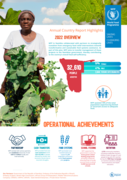
WFP in Namibia collaborated with partners to strategically transition from emergency food relief interventions towards transformative and sustainable food systems assistance. As part of this plan, WFP aims to transfer management of these projects to the Namibian government, thereby contributing to t
...
he country's overall food self-sufficiency.
more
Manual of Operations
First Edition 2016
This set of Counselling cards has been adapted from the Community infant and young child feeding counselling package and form part of the updated training course. They were developed for course participants and depict key infant and young child feeding concepts and behaviours for health workers to s
...
hare with mothers, fathers, grandparents and other caregivers.
more
This Guidance Document provides practical assistance to Country Offices scaling up programmes to manage SAM in young children. It outlines a step-by-step process through which countries can analyse their current situation, identify barriers and bottlenecks through the MoRES approach, and plan action
...
to scale-up treatment. In particular it addresses the challenge of supporting governments to accelerate and sustain scale-up, build national capacities and source reliable and sustained supplies and financing for managing SAM. This document also provides complementary background information, references to international technical recommendations, resources and tools.
more
Model Chapter for textbooks for medical students and allied health professionals
This guideline provides global, evidence-informed recommendations on a number of specific issues related to the management of severe acute malnutrition in infants and children, including in the context of HIV.
Food Security in a World of Natural Resource Scarcity. The Role of Agricultural Technologies
Mark W. Rosegrant | Jawoo Koo | Nicola Cenacchi; et al.
International Food Policy Research Institute
(2014)
This book is aimed at policymakers in ministries of agriculture and national agricultural research institutes, as well as multilateral development banks and the private sector and provides guidance on various technology strategies and which to pursue as competition grows for land, water, and energy
...
across productive sectors and even increasingly across borders. Climate change, population, and income growth will drive food demand in the coming decades. Food prices are also expected to significantly increase between 2005 and 2050 and the number of people at risk of hunger in the developing world would grow from 881 million in 2005 to more than a billion people by 2050. This book endeavors to respond to the challenge of growing food sustainably without degrading our natural resource bas
more
This Technical Brief focuses on current principles and approaches to Moderate Acute Malnutrition (MAM) management, highlighting key constraints, gaps in knowledge and areas still lacking consensus. It is intended to inform ongoing debates among practitioners, national partners, donors and analysts o
...
n what information and evidence on best practices are currently available, where the gaps are, and priorities for going forward.
more
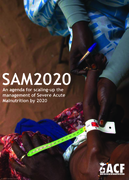
The agenda focuses on six critical changes necessary for more children suffering from SAM to access effective treatment. Building on lessons from the last decade, and the experiences of other successful health initiatives, the agenda addresses issues ranging from the creation of a more enabling envi
...
ronment to stronger mechanisms for tracking progress. It provides a diagnosis of the key challenges in each of these areas to-date and the specific solutions needed to turn things around over the next five years. These solutions require a collective effort at global, regional and national levels. The Agenda lays out Action Against Hunger’s commitments and contributions to these joint efforts
more
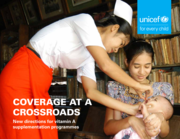
In where under-five mortality is high and vitamin A deficiency is a public health problem, two high-dose supplements of vitamin A per year, spaced four to six months apart, can strengthen children’s immune systems and improve their chances of survival.
During much of early childhood – from ... 6 months to 5years of age – two high doses of vitamin A every year can prevent blindness and hearing loss, boost children’s immunity against diseases like measles and diarrhoea and provide critical protection against death. Like all forms of malnutrition, vitamin A deficiency is a marker of inequality. In countries where diets are lacking in vitamin A and infections and deaths are prevalent, supplementation programmes give vulnerable children a better chance to survive, develop and thrive. more
During much of early childhood – from ... 6 months to 5years of age – two high doses of vitamin A every year can prevent blindness and hearing loss, boost children’s immunity against diseases like measles and diarrhoea and provide critical protection against death. Like all forms of malnutrition, vitamin A deficiency is a marker of inequality. In countries where diets are lacking in vitamin A and infections and deaths are prevalent, supplementation programmes give vulnerable children a better chance to survive, develop and thrive. more
This publication provides directions for a logical, evidence informed approach to selecting, developing, implementing and monitoring population-based interventions within the context of the double-burden of malnutrition in South-East Asia. The focus of this guide is on processed or ultra-processed p
...
re-packaged foods.
more
IPCC Special Report on Climate Change and Land
recommended
An IPCC special report on climate change, desertification, land degradation, sustainable land management, food security, and greenhouse gas fluxes in terrestrial ecosystems
As more frequent droughts and floods threaten the global food supply, humans are increasing their demands on water and land,
...
The New York Times reports.
Data from the Intergovernmental Panel on Climate Change report:
• 500 million people are living in areas that are becoming desert.
• Soil is depleted at 10X-100X the rate it’s being formed.
• More than 10% of the global population is undernourished.
Major threats include the risk of “multi-breadbasket failure”—simultaneous food crises on several continents—and migration triggered by food shortages.
Good News/Bad News: Catastrophe can be avoided, but it would require massive changes to agriculture, food systems and behavior.
A Key Action: Eat less meat. Cattle production is driving deforestation, consuming huge amounts of water, generating methane and causing other impacts, notes Nature.
more
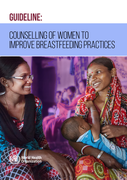
This guideline examines the evidence and makes recommendations and remarks on the implementation of some of the details of breastfeeding counselling, such as frequency, timing, mode and provider of breastfeeding counselling, to improve breastfeeding practices. The objective of this guideline is to p
...
rovide global, evidence-informed recommendations on breastfeeding counselling, as a public health intervention, to improve breastfeeding practices among pregnant women and mothers who intend to breastfeed, or are currently breastfeeding, and their infants and children
more

Globally, levels of hunger remain alarmingly high. In 2021, they surpassed all previous records as reported by the Global Report on Food Crises (GRFC), with close to 193 million people acutely food insecure and in need of urgent assistance across 53 countries/territories, according to the findings o
...
f the GRFC 2022. This represents an increase of nearly 40 million people compared to the previous high reached in 2020 (reported in the GRFC 2021).
Download Full Report here: https://www.fsinplatform.org/sites/default/files/resources/files/GRFC%202022%20Final%20Report.pdf
more
