Filter
925
Text search:
handwashing
Featured
103
205
Language
Document type
275
193
164
67
62
53
32
30
30
8
7
2
2
Countries
33
29
28
24
22
21
21
21
20
20
20
19
19
16
13
13
13
13
13
12
12
11
11
11
10
10
10
9
9
8
8
8
7
6
6
6
6
6
6
5
5
5
5
4
4
4
4
4
4
4
4
3
3
3
3
3
3
3
3
3
3
3
2
2
2
2
2
2
2
2
2
1
1
1
1
1
1
1
1
1
1
1
1
1
1
1
1
1
1
1
1
1
1
1
1
1
1
Authors & Publishers
Publication Years
Category
374
146
52
36
35
24
5
Toolboxes
294
55
54
46
42
35
24
21
19
17
17
11
11
8
7
4
2
2
2
1
1
1
1

Integrating WASH and MHCP interventions will always require imagination and creativity to adapt the approach to specific conditions, opportunities and constraints in each context. The book is designed to stimulate reflection and encourage initiatives to seek opportunities for closer integration of t
...
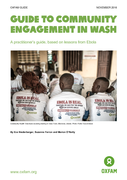
Guide to community engagement in WASH
recommended
A practioner's guide, based on lessons from Ebola.
This guide is a compilation of best practices and key lessons learned through Oxfam’s experience of community engagement during the 2014–15 Ebola response in Sierra Leone and Liberia. It aims to inform public health practitioners and programme
...
Nosocomial or health-facility-acquired infections are a serious issue, representing one of the most significant causes of morbidity and mortality in healthcare systems and consuming many scarce resources, especially in developing countries. Although much has been done, particularly in the hospital s
...
Guidelines on hepatitis B and C testing
recommended
Testing and diagnosis of hepatitis B (HBV) and C (HCV) infection is the gateway for access to both prevention and treatment services, and is a crucial component of an effective response to the hepatitis epidemic. Early identification of persons with chronic HBV or HCV infection enables them to recei
...
Monitoring the situation of children and women
This new publication presents the continuing and emerging challenges to children’s environmental health.
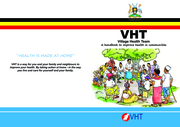
In the battle against diseases like Zika and dengue, knowledge is power. Climate change is shifting the
distribution of mosquitoes and to new areas. Empowering communities is essential in reaching and pro-
tecting the most vulnerable individuals and households. Vector control programmes, community
...
Improvements in water sanitation and hygiene (WASH) and wastewater management in all sectors are critical elements of preventing infections and reducing the spread of antimicrobial resistance (AMR) as identified in the Global Action Plan to combat AMR. Yet, at present, WASH and wastewater management
...