
Filter
3256
Text search:
essential
health
care
package
Featured
324
1083
Language
3164
71
49
47
30
15
10
5
3
3
3
3
2
2
2
1
1
1
1
1
1
1
1
1
1
1
1
1
1
1
1
1
1
1
Document type
1811
475
428
189
183
89
42
27
5
4
1
Countries / Regions
160
155
143
99
96
93
89
89
87
82
67
65
65
57
56
55
44
38
37
36
36
34
29
28
28
27
24
22
21
20
18
18
18
17
17
16
15
15
14
13
12
12
12
11
10
10
9
8
8
8
7
7
7
7
7
7
6
6
6
6
5
5
5
5
5
5
5
4
4
4
4
4
4
4
4
3
3
3
3
3
2
2
2
2
2
2
2
2
2
2
2
2
1
1
1
1
1
1
1
1
1
1
1
1
1
1
1
1
1
1
1
1
1
1
1
1
1
1
1
1
1
Authors & Publishers
483
148
118
115
101
80
76
63
53
34
28
24
19
19
18
17
17
16
15
15
15
14
14
14
13
13
13
12
12
12
12
12
12
11
10
10
10
10
10
9
9
9
9
9
9
9
8
8
8
8
8
8
8
7
7
7
7
7
7
7
7
7
7
7
7
7
6
6
6
6
6
6
6
6
6
6
6
6
6
6
6
6
5
5
5
5
5
5
5
5
5
5
5
5
5
5
5
5
5
5
5
5
5
5
5
5
5
4
4
4
4
4
4
4
4
4
4
4
4
4
4
4
4
4
4
4
4
4
4
4
4
4
4
4
4
4
4
4
4
4
4
4
4
4
4
4
4
4
4
4
4
4
3
3
3
3
3
3
3
3
3
3
3
3
3
3
3
3
3
3
3
3
3
3
3
3
3
3
3
3
3
3
3
3
3
3
3
3
3
3
3
3
3
3
3
3
3
3
3
3
3
3
3
3
3
3
3
3
3
3
3
3
3
3
3
3
3
3
3
3
3
3
3
3
3
3
3
3
3
3
3
3
3
3
3
3
3
2
2
2
2
2
2
2
2
2
2
2
2
2
2
2
2
2
2
2
2
2
2
2
2
2
2
2
2
2
2
2
2
2
2
2
2
2
2
2
2
2
2
2
2
2
2
2
2
2
2
2
2
2
2
2
2
2
2
2
2
2
2
2
2
2
2
2
2
2
2
2
2
2
2
2
2
2
2
2
2
2
2
2
2
2
2
2
2
2
2
2
2
2
2
2
2
2
2
2
2
2
2
2
2
2
2
2
2
2
2
2
2
2
2
2
2
2
2
2
2
2
2
2
2
2
2
2
2
2
2
2
2
2
2
2
2
2
2
2
2
2
2
2
2
2
2
2
2
2
2
2
2
2
2
2
2
2
2
2
2
2
2
2
2
2
2
2
2
2
2
2
2
2
2
2
2
2
2
2
2
2
2
2
2
2
2
2
2
2
2
2
2
2
1
1
1
1
1
1
1
1
1
1
1
1
1
1
1
1
1
1
1
1
1
1
1
1
1
1
1
1
1
1
1
1
1
1
1
1
1
1
1
1
1
1
1
1
1
1
1
1
1
1
1
1
1
1
1
1
1
1
1
1
1
1
1
1
1
1
1
1
1
1
1
1
1
1
1
1
1
1
1
1
1
1
1
1
1
1
1
1
1
1
1
1
1
1
1
1
1
1
1
1
1
1
1
1
1
1
1
1
1
1
1
1
1
1
1
1
1
1
1
1
1
1
1
1
1
1
1
1
1
1
1
1
1
1
1
1
1
1
1
1
1
1
1
1
1
1
1
1
1
1
1
1
1
1
1
1
1
1
1
1
1
1
1
1
1
1
1
1
1
1
1
1
1
1
1
1
1
1
1
1
1
1
1
1
1
1
1
1
1
1
1
1
1
1
1
1
1
1
1
1
1
1
1
1
1
1
1
1
1
1
1
1
1
1
1
1
1
1
1
1
1
1
1
1
1
1
1
1
1
1
1
1
1
1
1
1
1
1
1
1
1
1
1
1
1
1
1
1
1
1
1
1
1
1
1
1
1
1
1
1
1
1
1
1
1
1
1
1
1
1
1
1
1
1
1
1
1
1
1
1
1
1
1
1
1
1
1
1
1
1
1
1
1
1
1
1
1
1
1
1
1
1
1
1
1
1
1
1
1
1
1
1
1
1
1
1
1
1
1
1
1
1
1
1
1
1
1
1
1
1
1
1
1
1
1
1
1
1
1
1
1
1
1
1
1
1
1
1
1
1
1
1
1
1
1
1
1
1
1
1
1
1
1
1
1
1
1
1
1
1
1
1
1
1
1
1
1
1
1
1
1
1
1
1
1
1
1
1
1
1
1
1
1
1
1
1
1
1
1
1
1
1
1
1
1
1
1
1
1
1
1
1
1
1
1
1
1
1
1
1
1
1
1
1
1
1
1
1
1
1
1
1
1
1
1
1
1
1
1
1
1
1
1
1
1
1
1
1
1
1
1
1
1
1
1
1
1
1
1
1
1
1
1
1
1
1
1
1
1
1
1
1
1
1
1
1
1
1
1
1
1
1
1
1
1
1
1
1
1
1
1
1
1
1
1
1
1
1
1
1
1
1
1
1
1
1
1
1
1
1
1
1
1
1
1
1
1
1
1
1
1
1
1
1
1
1
1
1
1
1
1
1
1
1
1
1
1
1
1
1
1
1
1
1
1
1
1
1
1
1
1
1
1
1
1
1
1
1
1
1
1
1
1
1
1
1
1
1
1
1
1
1
1
1
1
1
1
1
1
1
1
1
1
1
1
1
1
1
1
1
1
1
1
1
1
1
1
1
1
1
1
1
1
1
1
1
1
1
1
1
1
1
1
1
1
1
1
1
1
1
1
1
1
1
1
1
1
1
1
1
1
1
1
1
1
1
1
1
1
1
1
1
1
1
1
1
1
1
1
1
1
1
1
1
1
1
1
1
1
1
1
1
1
1
1
1
1
1
1
1
1
1
1
1
1
1
1
1
1
1
1
1
1
1
1
1
1
1
1
1
1
1
1
1
1
1
1
1
1
1
1
1
1
1
1
1
1
1
1
1
1
1
1
1
1
1
1
1
1
1
1
1
1
1
1
1
1
1
1
1
1
1
1
1
1
1
1
1
1
1
1
1
1
1
1
1
1
1
1
1
1
1
1
1
1
1
1
1
1
1
1
1
1
1
1
1
1
1
1
1
1
1
1
1
1
1
1
1
1
1
1
1
1
1
1
1
1
1
1
1
1
1
1
1
1
1
1
1
1
1
1
1
1
1
1
1
1
1
1
1
1
1
1
1
1
1
1
1
1
1
1
1
1
1
1
1
1
1
1
1
1
1
1
1
1
1
1
1
1
1
1
1
1
1
1
1
1
1
1
1
1
1
1
1
1
1
1
1
1
1
1
1
1
1
1
1
1
1
1
1
1
1
1
1
1
1
1
1
1
1
1
1
1
1
1
1
1
1
1
1
1
1
1
1
1
1
1
1
1
1
1
1
1
1
1
1
1
1
1
1
1
1
1
1
1
1
1
1
1
1
1
1
1
1
1
1
1
1
1
1
1
1
1
1
1
1
1
1
1
1
1
1
1
1
1
1
1
1
1
1
1
1
1
1
1
1
1
1
1
1
1
1
1
1
1
1
1
1
1
1
1
1
1
1
1
1
1
1
1
1
1
1
1
1
1
1
1
1
1
1
1
1
1
1
1
1
1
1
1
1
1
1
1
1
1
1
1
1
1
1
1
1
1
1
1
1
1
1
1
1
1
1
1
1
1
1
1
1
1
1
1
1
1
1
1
1
1
1
1
1
1
1
1
1
1
1
1
1
1
1
1
1
1
1
1
1
1
1
1
1
1
1
1
1
1
1
1
1
1
1
1
1
1
1
1
1
1
1
1
1
1
1
1
1
1
1
1
1
1
1
1
1
1
1
1
1
1
1
1
1
1
1
1
1
1
1
1
1
1
1
1
1
1
1
1
1
1
1
1
1
1
1
1
1
1
1
1
1
1
1
1
1
1
1
1
1
1
1
1
1
1
1
1
1
1
1
1
1
1
1
1
1
1
1
1
1
1
1
1
1
1
1
1
1
1
1
1
1
1
1
1
1
1
1
1
1
1
1
1
1
1
1
1
1
1
1
1
1
1
1
1
1
1
1
1
1
1
1
1
1
1
1
1
1
1
1
1
1
1
1
1
1
1
1
1
1
1
1
1
1
1
1
1
1
1
1
1
1
1
1
1
1
1
1
1
1
1
1
1
1
1
1
1
1
1
1
1
1
1
1
1
1
1
1
1
1
1
1
1
1
1
1
1
1
1
1
1
1
1
1
1
1
1
1
1
1
1
1
1
1
1
1
1
1
1
1
1
1
1
1
1
1
1
1
1
1
1
1
1
1
1
1
1
1
1
1
1
1
1
1
1
1
1
1
1
1
1
1
1
1
1
1
1
1
1
1
1
1
1
1
1
1
1
1
1
1
1
1
1
1
1
1
1
1
1
1
1
1
1
1
1
1
1
1
1
1
1
1
1
1
1
1
1
1
1
1
1
1
1
1
1
1
1
1
1
1
1
1
1
1
1
1
1
1
1
1
1
1
1
1
1
1
1
1
1
1
1
1
1
1
1
1
1
1
1
1
1
1
1
1
1
1
1
1
1
1
1
1
1
1
1
1
1
1
1
1
1
1
1
1
1
1
1
1
1
1
1
1
1
1
1
1
1
1
1
1
1
1
1
1
1
1
1
1
1
1
1
1
1
1
1
1
1
1
1
1
1
1
1
1
1
1
1
1
1
1
1
1
1
1
1
1
1
1
1
1
1
1
1
1
1
1
1
1
1
1
1
1
1
1
1
1
1
1
1
1
1
1
1
1
1
1
1
1
1
1
1
1
1
1
1
1
1
1
1
1
1
1
1
1
1
1
1
1
1
1
1
1
1
1
1
1
1
1
1
1
1
1
1
1
1
1
1
1
1
1
1
1
1
1
1
1
1
1
1
1
1
1
1
1
1
1
1
1
1
1
1
1
1
1
1
1
1
1
1
1
1
1
1
1
1
1
1
1
1
1
1
1
1
1
1
1
1
1
1
1
1
1
1
1
1
1
1
1
1
1
1
1
1
1
1
1
1
1
1
1
1
1
1
1
1
1
1
1
1
1
1
1
1
1
1
1
1
1
1
1
1
1
1
1
1
1
1
1
1
1
1
1
1
1
1
1
1
1
1
1
1
1
1
1
1
1
1
1
1
1
1
1
1
1
1
1
1
1
1
1
1
1
1
1
1
1
1
1
1
1
1
1
1
1
1
1
1
1
1
1
1
1
1
1
1
1
1
1
1
1
1
1
1
1
1
1
1
1
1
1
1
1
1
1
1
1
1
1
1
1
1
1
1
1
1
1
1
1
1
1
1
1
1
1
1
1
1
1
1
1
1
1
1
1
1
1
1
1
1
1
1
1
1
1
1
1
1
1
1
1
1
1
1
1
1
1
1
1
1
1
1
1
1
1
1
1
1
1
1
1
1
1
1
1
1
1
1
1
1
1
1
1
1
1
1
1
1
1
1
1
1
1
1
1
1
1
1
1
1
1
1
1
1
1
1
1
1
1
1
1
1
1
1
1
1
1
1
1
1
1
1
1
1
1
1
1
1
1
1
1
1
1
1
1
1
1
1
1
1
1
1
1
1
1
1
1
1
1
1
1
1
1
1
1
1
1
1
1
1
1
1
1
1
1
1
1
1
1
1
1
1
1
1
1
1
1
1
1
1
1
1
1
1
1
1
1
1
1
1
1
1
1
1
1
1
1
1
1
1
1
1
1
1
1
1
1
1
1
1
1
1
1
1
1
1
1
1
1
1
1
1
1
Publication Years
915
2013
317
10
1
Category
1548
242
231
212
193
92
37
Toolboxes
241
208
189
157
99
88
87
74
74
64
61
54
49
46
39
34
34
30
27
25
19
11
5
5
4
Stratégie mondiale du secteur de la santé contre le VIH 2016–2021
Organisation mondiale de la Santé
(2016)
C_WHO
Vers l'élimination du sida
Juin 2016

Le NCPI a été rempli au cours du 1er trimestre 2014 par une équipe technique de 17 personnes responsabilisées en sous-groupes pour les parties A, B et UA. Les réponses aux différentes questions se sont référées à celles de NCPI de 2012 pour permettre une meilleure logique. La responsabilit
...
é générale pour collecter et soumettre les informations requises dans le NCPI partie
more

The ECDC, the EFSA and the EMA have for the first time jointly explored associations between consumption of antimicrobials in humans and food-producing animals, and antimicrobial resistance in bacteria from humans and food-producing animals, using 2011 and 2012 data currently available from their re
...
levant five EU monitoring networks. Combined data on antimicrobial consumption and corresponding resistance in animals and humans for EU MSs and reporting countries were analysed using logistic regression models for selected combinations of bacteria and antimicrobials. A summary indicator of the proportion of resistant bacteria in the main food-producing animal species was calculated for the analysis, as consumption data in food-producing animals were not available at the species level
more

This second edition of the “living paper” contributes to the global knowledge on how countries are responding to the pandemic by documenting real-time actions in a key area of response – that is, social protection measures planned or implemented by governments.
For the purpose of this revie
...
w, we organized interventions by social assistance, social insurance and labor market programs. For the latter measures, we deliberately focused on supply-side programs (e.g., mostly wage subsidies and other activation programs). In most cases, data sources include official information published in government websites, while in many cases we reported information from global and national news outlets. In some cases, information was provided directly by country-based experts, while the full database was validated and integrated by regional and country social protection teams at the World Bank. Overall, findings should be considered preliminary and interpreted with caution.
more
Guidelines for the development and implementation of institution-specific protection concepts
Almost two years after the signing of the Political Accord for Peace and Reconciliation (APPR), the Central African population is still hostage to an unstable and unpredictable security environment. Continuing conflicts in several areas of the country, structural weaknesses combined with the socio-e
...
conomic effects of the COVID-19 pandemic, and the devastating effects of natural disasters have plunged 2.6 million people into dire needs. Of this total, 1.6 million have severe humanitarian needs, a figure unmatched for five years, reflecting a deterioration in the physical and mental well-being and living conditions of populations across the country.
more

Global food insecurity has markedly increased over the last two-years due to conflict, economic and political instability, displacement, environmental degradation and disasters, and major disruptions to global food systems because of the Covid-19 pandemic. In 2021, levels of hunger surpassed all pre
...
vious records with close to 193 million people acutely food insecure and in need of urgent assistance across 53 countries and territories. This represents an increase of nearly 40 million people compared to what was previously considered a record level high in 2020.
more
El documento, "Progreso en la prevención y el control de las enfermedades no transmisibles" (ENT), informa sobre los esfuerzos globales para reducir el impacto de las ENT, como las enfermedades cardíacas, el cáncer, la diabetes y las enfermedades respiratorias crónicas, siguiendo los compromisos
...
asumidos en reuniones de alto nivel de las Naciones Unidas. Destaca el progreso insuficiente para alcanzar las metas establecidas en el Objetivo de Desarrollo Sostenible 3.4, que busca reducir en un tercio la mortalidad prematura por ENT para 2030. Los desafíos clave incluyen la falta de financiamiento, la implementación limitada de intervenciones efectivas y barreras políticas y económicas, especialmente en países de bajos ingresos. El informe hace un llamado para fortalecer la cooperación internacional, reformar políticas y adoptar enfoques innovadores para cumplir con las metas de salud global.
more
Le document, intitulé « Progrès dans la prévention et le contrôle des maladies non transmissibles », rend compte des efforts mondiaux pour réduire l’impact des MNT (maladies non transmissibles), telles que les maladies cardiaques, le cancer, le diabète et les maladies respiratoires chroniq
...
ues, conformément aux engagements pris lors de réunions de haut niveau des Nations Unies. Il souligne les progrès insuffisants pour atteindre l’objectif de développement durable 3.4, qui vise à réduire d’un tiers la mortalité prématurée liée aux MNT d'ici 2030. Les principaux défis incluent le manque de financement, la mise en œuvre limitée d’interventions efficaces et des obstacles politiques et économiques, en particulier dans les pays à faible revenu. Le rapport appelle à renforcer la coopération internationale, à réformer les politiques et à adopter des approches innovantes pour atteindre les objectifs mondiaux en matière de santé.
more

In April and May 2015, Nepal was hit by two major earthquakes killing around 9,000 people and leaving many thousands more injured and homeless.
To optimize the speed and volume of critical humanitarian assistance, the HCT has developed this Plan to:
1. Reach a common understanding of earth ... quake risk to ensure early action is taken when required.
2. Establish a minimum level of earthquake preparedness across clusters.
3. Build the basis for a joint HCT response strategy to meet the needs of affected people in the first 6 weeks to 3 months of a response.
4. Define considerations for detailed contingency planning on the basis of the worst-case scenario, especially around access and logistics. more
To optimize the speed and volume of critical humanitarian assistance, the HCT has developed this Plan to:
1. Reach a common understanding of earth ... quake risk to ensure early action is taken when required.
2. Establish a minimum level of earthquake preparedness across clusters.
3. Build the basis for a joint HCT response strategy to meet the needs of affected people in the first 6 weeks to 3 months of a response.
4. Define considerations for detailed contingency planning on the basis of the worst-case scenario, especially around access and logistics. more
Humanitarian Accountability Report
James Darcy, Jessica Alexander, Maria Kiani et al.
Humanitarian Accountability Partnership (HAP)
(2013)
The report offers an overview of the progress the humanitarian sector has made and the obstacles it has faced over the past 10 years. Accountability is no longer just a fashionable term, there is now a shared understanding of what it takes to be accountable. From changes at policy level, to concrete
...
actions taken in the field, this report documents this sector-wide shift. It also shows that being accountable to the people we aim to serve is not just the right thing to do, it is also the best way to ensure programmes are relevant, effective, efficient and sustainable
more
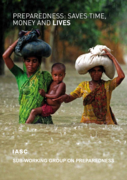
This document addresses preparedness as an important investment against natural and man-made disasters. Through good practices, it urges the humanitarian community, governments and regional bodies to use preparedness thinking to be aware of risks, to reduce them and to plan ahead to combat them in o
...
rder to respond more effectively and reduce the threat of hunger, disease, poverty and conflicts. It uses examples from Bangladesh, Bhutan, Bolivia, Colombia, Cook Islands, Ghana, Haiti, Indonesia, Kazakhstan, Korea, Democratic People’s Republic of Korea, Kyrgyzstan, Madagascar, Malawi, Mozambique, Namibia, Niger, Panama, Philippines, Samoa, Solomon Islands, South Africa, Sudan, Tanzania, Tonga, Turkmenistan, Uzbekistan, Vanuatu, Zambia and Zimbabwe
more
