
Filter
2021
Text search:
disability
policy
and
practice
Featured
191
475
Language
1953
65
47
38
27
19
17
10
6
5
5
4
4
4
4
4
4
4
3
3
3
3
3
3
3
3
2
2
2
2
2
2
2
2
2
2
2
2
1
1
1
1
1
1
1
1
1
1
1
1
1
1
1
Document type
1204
299
229
143
90
35
10
6
3
1
1
Countries
106
67
58
54
45
41
40
38
36
32
31
29
29
22
22
22
21
19
19
18
18
18
17
17
17
16
16
16
14
13
11
7
7
7
7
6
6
6
6
5
5
5
5
5
5
5
5
4
4
4
4
4
4
4
3
3
3
3
3
3
2
2
2
2
2
2
2
2
2
2
2
2
2
1
1
1
1
1
1
1
1
1
1
1
1
1
1
1
1
1
1
1
1
1
1
1
1
1
1
1
1
1
1
1
1
1
1
1
1
1
1
1
1
1
1
Authors & Publishers
292
99
73
63
57
55
39
22
21
18
17
16
16
14
13
12
11
11
10
10
9
9
8
8
7
7
7
7
7
6
6
6
6
6
6
6
5
5
5
5
5
5
5
5
5
5
5
5
5
5
5
4
4
4
4
4
4
4
4
4
4
4
4
4
4
4
4
4
4
4
4
4
4
4
4
4
4
4
4
4
4
3
3
3
3
3
3
3
3
3
3
3
3
3
3
3
3
3
3
3
3
3
3
3
3
3
3
3
3
3
3
3
3
3
3
3
3
3
3
3
3
3
3
3
3
3
3
3
3
2
2
2
2
2
2
2
2
2
2
2
2
2
2
2
2
2
2
2
2
2
2
2
2
2
2
2
2
2
2
2
2
2
2
2
2
2
2
2
2
2
2
2
2
2
2
2
2
2
2
2
2
2
2
2
2
2
2
2
2
2
2
2
2
2
2
2
2
2
2
2
2
2
2
2
2
2
2
2
2
2
2
2
2
2
2
2
2
2
2
2
2
2
2
2
2
2
1
1
1
1
1
1
1
1
1
1
1
1
1
1
1
1
1
1
1
1
1
1
1
1
1
1
1
1
1
1
1
1
1
1
1
1
1
1
1
1
1
1
1
1
1
1
1
1
1
1
1
1
1
1
1
1
1
1
1
1
1
1
1
1
1
1
1
1
1
1
1
1
1
1
1
1
1
1
1
1
1
1
1
1
1
1
1
1
1
1
1
1
1
1
1
1
1
1
1
1
1
1
1
1
1
1
1
1
1
1
1
1
1
1
1
1
1
1
1
1
1
1
1
1
1
1
1
1
1
1
1
1
1
1
1
1
1
1
1
1
1
1
1
1
1
1
1
1
1
1
1
1
1
1
1
1
1
1
1
1
1
1
1
1
1
1
1
1
1
1
1
1
1
1
1
1
1
1
1
1
1
1
1
1
1
1
1
1
1
1
1
1
1
1
1
1
1
1
1
1
1
1
1
1
1
1
1
1
1
1
1
1
1
1
1
1
1
1
1
1
1
1
1
1
1
1
1
1
1
1
1
1
1
1
1
1
1
1
1
1
1
1
1
1
1
1
1
1
1
1
1
1
1
1
1
1
1
1
1
1
1
1
1
1
1
1
1
1
1
1
1
1
1
1
1
1
1
1
1
1
1
1
1
1
1
1
1
1
1
1
1
1
1
1
1
1
1
1
1
1
1
1
1
1
1
1
1
1
1
1
1
1
1
1
1
1
1
1
1
1
1
1
1
1
1
1
1
1
1
1
1
1
1
1
1
1
1
1
1
1
1
1
1
1
1
1
1
1
1
1
1
1
1
1
1
1
1
1
1
1
1
1
1
1
1
1
1
1
1
1
1
1
1
1
1
1
1
1
1
1
1
1
1
1
1
1
1
1
1
1
1
1
1
1
1
1
1
1
1
1
1
1
1
1
1
1
1
1
1
1
1
1
1
1
1
1
1
1
1
1
1
1
1
1
1
1
1
1
1
1
1
1
1
1
1
1
1
1
1
1
1
1
1
1
1
1
1
1
1
1
1
1
1
1
1
1
1
1
1
1
1
1
1
1
1
1
1
1
1
1
1
1
1
1
1
1
1
1
1
1
1
1
1
1
1
1
1
1
1
1
1
1
1
1
1
1
1
1
1
1
1
1
1
1
1
1
1
1
1
1
1
1
1
1
1
1
1
1
1
1
1
1
1
1
1
1
1
1
1
1
1
1
1
1
1
1
1
1
1
1
1
1
1
1
1
1
1
1
1
1
1
1
1
1
1
1
1
1
1
1
1
1
1
1
1
1
1
1
1
1
1
1
1
1
1
1
1
1
1
1
1
1
1
1
1
1
1
1
1
1
1
1
1
1
1
1
1
1
1
1
1
1
1
1
1
1
1
1
1
1
1
1
1
1
1
1
1
1
1
1
1
1
1
1
1
1
1
1
1
1
1
1
1
1
1
1
1
1
1
1
1
1
1
1
1
1
1
1
1
1
1
1
1
1
1
1
1
1
1
1
1
1
1
1
1
1
1
1
1
1
1
1
1
1
1
1
1
1
1
1
1
1
1
1
1
1
1
1
1
1
1
1
1
1
1
1
1
1
1
1
1
1
1
1
1
1
1
1
1
1
1
1
1
1
1
1
1
1
1
1
1
1
1
1
1
1
1
1
1
1
1
1
1
1
1
1
1
1
1
1
1
1
1
1
1
1
1
1
1
1
1
1
1
1
1
1
1
1
1
1
1
1
1
1
1
1
1
1
1
1
1
1
1
1
1
1
1
1
1
1
1
1
1
1
1
1
1
1
1
1
1
1
1
1
1
1
1
1
1
1
1
1
1
1
1
1
1
1
1
1
1
1
1
1
1
1
1
1
1
1
1
1
1
1
1
1
1
1
1
1
1
1
1
1
1
1
1
1
1
1
1
1
1
1
1
1
1
1
1
1
1
1
1
1
1
1
1
1
1
1
1
1
1
1
1
1
1
1
1
1
1
1
1
1
1
1
1
1
1
1
1
1
1
1
1
1
1
1
1
1
1
1
1
1
1
1
1
1
1
1
1
1
1
1
1
1
1
1
1
1
1
1
1
1
1
1
1
1
1
1
1
1
1
1
1
1
1
1
1
1
1
1
1
1
1
1
1
1
1
1
1
1
1
1
1
1
1
1
1
1
1
1
1
1
1
1
1
1
1
1
1
1
1
1
1
1
1
1
1
1
1
1
1
1
1
1
1
1
1
1
1
1
1
1
1
1
1
1
1
1
1
1
1
1
1
1
1
1
1
1
1
1
1
1
1
1
1
1
1
1
1
1
1
1
1
1
1
1
1
1
1
1
1
1
1
1
1
1
1
1
1
1
1
1
1
1
1
1
1
1
1
1
1
1
1
1
1
1
1
1
1
1
1
1
1
1
1
1
1
1
1
1
1
1
1
1
1
1
1
1
1
1
1
1
1
1
1
1
1
1
1
1
1
1
1
1
1
1
1
1
1
1
1
1
1
1
1
1
1
1
1
1
1
1
1
1
1
1
1
1
1
1
1
1
1
1
1
1
1
1
1
1
1
1
1
1
1
1
1
1
1
1
1
1
1
1
1
1
1
1
1
1
1
1
1
1
1
1
1
1
1
1
1
1
1
1
1
1
1
1
1
1
1
1
1
1
1
1
1
1
1
1
1
1
1
1
1
1
1
1
1
1
1
1
1
1
1
1
1
1
1
1
1
1
1
1
1
1
1
1
1
1
1
1
1
1
1
1
1
1
1
1
1
1
1
1
1
1
1
1
1
1
1
1
1
1
1
1
1
1
1
1
1
1
1
1
1
1
1
1
1
1
1
1
1
1
1
1
1
1
1
1
1
1
1
1
1
1
1
1
1
1
1
1
1
1
1
1
1
1
1
1
1
1
1
1
1
1
1
1
1
1
1
1
1
1
1
1
1
1
1
1
1
1
1
1
1
1
1
1
1
1
1
1
1
1
1
1
1
1
1
1
1
1
1
1
1
1
1
1
1
1
1
1
1
1
1
1
1
1
1
1
1
1
1
1
1
1
1
1
1
1
1
1
1
1
1
1
1
1
1
1
1
1
1
1
1
1
1
1
1
1
1
1
1
1
1
1
1
1
1
1
1
1
1
1
1
1
1
1
1
1
1
1
1
1
1
1
1
1
1
1
1
1
1
1
1
1
1
1
1
1
1
1
1
1
1
1
1
1
1
1
1
1
1
1
1
1
1
1
1
1
1
1
1
1
1
1
1
1
1
1
1
1
1
1
1
1
1
1
1
1
1
1
1
1
1
1
1
1
1
1
1
1
1
1
1
1
1
1
1
1
1
1
1
1
1
1
1
1
1
1
1
1
1
1
1
1
1
1
1
1
1
1
1
1
1
1
1
1
1
1
1
1
1
1
1
1
1
1
1
1
1
1
1
1
1
1
1
1
1
1
1
1
1
1
1
1
1
1
1
1
1
1
1
1
1
1
1
1
1
1
1
1
1
1
1
1
1
1
1
1
1
1
1
1
Publication Years
1
533
1278
200
9
Category
646
180
147
144
140
29
5
2
Toolboxes
328
315
82
67
58
58
56
56
56
53
42
40
28
22
21
20
13
9
9
8
7
7
5
3
1
As the culminating volume in the DCP3 series, volume 9 will provide an overview of DCP3 findings and methods, a summary of messages and substantive lessons to be taken from DCP3,
...
and a further discussion of cross-cutting and synthesizing topics across the first eight volumes. The introductory chapters (1-3) in this volume take as their starting point the elements of the Essential Packages presented in the overview chapters of each volume. First, the chapter on intersectoral policy priorities for health includes fiscal and intersectoral policies and assembles a subset of the population policies and applies strict criteria for a low-income setting in order to propose a "highest-priority" essential package. Second, the chapter on packages of care and delivery platforms for universal health coverage (UHC) includes health sector interventions, primarily clinical and public health services, and uses the same approach to propose a highest priority package of interventions and policies that meet similar criteria, provides cost estimates, and describes a pathway to UHC.
more

Mental health issues are usually given very low priority in health service policies. Although this is changing, African countries are still confronted with so many problems caused by communicable diseases and malnutrition that they have not woken up
...
to the impact of mental disorders. Every country must formulate a mental health policy based on its own social and cultural realities. Such policies must take into account the scope of mental health problems, provide proven and affordable interventions, safeguard patients’ rights, and ensure equity.
more
The core of the strategy is the goal for all patients to have better overall care, so that the numbers of deaths and cases of disability are reduced by 50% before 2030. For this to be achieved, four
...
strategic aims will be pursued.
Empower and engage communities,
Ensure safe, effective treatment,
Strengthen health systems, and
Increase partnerships, coordination and resources Strong collaboration
more
The ICOPE guidance for person-centred assessment and pathways in primary care (ICOPE Handbook) helps community health and care workers put the recommendations outlined in the ICOPE Guidelines into
...
practice. The Handbook assists with setting person-centred goals, screening for loss in a range of domains of intrinsic capacity and assessing health and social care needs to develop a personalised care plan. The care plan may include multiple interventions to manage declines in intrinsic capacity, provide social care and support, support self-management and support caregivers. The domains of intrinsic capacity include cognitive decline, limited mobility, malnutrition, visual impairment, hearing loss and depressive symptoms.
more

We will soon be piloting a project titled “Integrating Spirituality into Patient Care” that will form “spiritual care teams” to assess and address patients’ spiritual needs in physician outpatient practices within Adventist Health Sy
...
stem, the largest Protestant healthcare system in the United States.This paper describes the goals, the rationale, and the structure of the spiritual care teams that will soon be implemented, and discusses the barriers to providing spiritual care that health professionals are likely to encounter.Spiritual care teams may operate in an outpatient or an inpatient setting, and their purpose is to provide health professionals with resources necessary to practice whole person healthcare that includes spiritual care.We believe that this project will serve as a model forfaith-based health systems seeking to visibly demonstrate their mission in a way that makes them unique and expresses their values.Not only does this model have the potential to be cost-effective, but also the capacity to increase the quality of patient care and the satisfaction that health professionals derive from providing care.If successful, this model could spread beyond faith-based systems to secular systems as well both in the U.S. and worldwide.
more
This Guidance Note aims to provide an overview of entry points and means for monitoring the attendance and re-enrolment of students in the context of COVID-19 related school closures
...
and re-openings. It is intended for UNICEF education staff, and education policy makers, planners and practitioners.
more
The WHO Guidelines on physical activity and sedentary behaviour provide evidence-based public health recommendations for children, adolescents, adults and older adults on the amount of physical acti
...
vity (frequency, intensity and duration) required to offer significant health benefits and mitigate health risks. For the first time, recommendations are provided on the associations between sedentary behaviour and health outcomes, as well as for subpopulations, such as pregnant and postpartum women, and people living with chronic conditions or disability.
more
States have committed and assumed obligations to address multiple and intersecting forms of discrimination against refugees, internally displaced persons, asylum seekers, returnees
...
and stateless persons. The Global Compact on Refugees places ending discrimination of any kind based on the grounds of race, colour, sex, language, religion, political or other opinion, national or social origin, property, birth, disability, age, or other status at the centre of action to prevent displacement and to ensure peaceful coexistence between refugee and host communities. Narratives about cultural diversity and inclusion are important, but there is also a pressing need in many societies for conversations and action to address racism, racial discrimination, xenophobia and related intolerance.
more

A major problem facing the world is how to build peace following the ravages of increasingly protracted armed conflict. Armed conflicts leave behind shattered, divided societies that are at risk of repeating cycles of violence, and therefore need co
...
ncerted peacebuilding efforts. Conflicts also take a heavy toll on people’s mental health and psychosocial well-being. One in five people who live in a war zone will likely develop a mental disorder, and many others suffer from painful everyday stresses associated with multiple losses, family separation, gender-based violence (GBV), disability, climate change and ongoing insecurity, among other issues.
more
This WHO Guidance Note advocates for a comprehensive approach to cervical cancer prevention and control and is aimed at senior policy makers
...
and programme managers. It describes the need to deliver effective interventions across the female life course from childhood through to adulthood. These include community education, social mobilization, HPV vaccination, screening, treatment and palliative care. It outlines the complementary strategies for comprehensive cervical cancer prevention and control, and highlights collaboration across national health programmes (particularly immunization, reproductive health, cancer control and adolescent health), organizations and partners.
more
STUDY REPORT | This study of the impact of the Nepal earthquake of 25 April, 2015, aims to understand the impact factors leading to the exclusion of older people and persons with disabilities from humanitarian action, barriers to their inclusion,
...
and the extent to which their skills and knowledge were utilised to promote inclusive humanitarian action and, using this understanding, to formulate a set of recommendations for promoting inclusion. These recommendations will be used to sensitise the broader humanitarian community to the need for inclusive disaster risk management practices in future emergency responses which pay attention to factors such as gender, age, disability and ethnicity, and build upon the capacities of older people and persons with disabilities.
more
The WHO Guidelines on risk reduction of cognitive decline and dementia provide evidence-based recommendations on lifestyle behaviours and interventions to delay or prevent cognitive decline
...
and dementia. These WHO Guidelines are an important tool for health care providers as well as governments, policy-makers and other stakeholders to strengthen their response to the dementia challenge.
Executive Summary available in Arabic, Chinese, French, Russian and Spanish at: https://www.who.int/mental_health/neurology/dementia/guidelines_risk_reduction/en/
more

Noncommunicable diseases (NCDs) (e.g., cardiovascular diseases, cancers, diabetes, and chronic respiratory diseases) and mental health conditions (e.g., Alzheimer’s disease
...
and related dementias, depression, anxiety, autism spectrum disorders) are the world’s leading cause of preventable illness, disability, and death. This report examines the dangers posed by current and rising rates of noncommunicable diseases and mental health conditions (NMHs) in South America, beyond their health risks, by demonstrating their considerable negative impact on economic growth. An analytical model was developed that projects the macroeconomic effects of NMHs over the period 2020–2050 in ten South American countries: Argentina, Bolivia (Plurinational State of), Brazil, Chile, Colombia, Ecuador, Paraguay, Peru, Uruguay, and Venezuela. The results showed that the macroeconomic impact of NMHs in South America indicates significant economic shortfalls resulting from NMHs. Overall, the total GDP loss due to NMHs in South America amounts to USD 7.3 trillion (2022 international USD) over the period 2020–2050
more
This guidance document provides basic broad principles for a spokesperson
of any health authority on how to respond to vocal vaccine deniers.
The suggestions are based on psychological research on persuasion,
on research in public health, communication studies
...
and on WHO risk
communication guidelines.
more

Disability Data Collection in Community-based Rehabilitation
Sunil Deepak, Franesca Ortali, Geraldine Mason Halls, Tulgamaa Damdinsuren, Enhbuyant Lhagvajav, Steven Msowoya, Malek Qutteina, Jayanth Kumar
Disability, CBR & Inclusive Development Journal (DCIDJ)
(2016)
CC
Today there are Community-based Rehabilitation (CBR) programmes in a large number of countries. In many countries, the CBR approach is a part of the national rehabilitation services. However, there is a lack of reliable data about persons with disabilities who benefit from CBR
...
and the kind of benefits they receive. This article reviews the disability data collection systems and presents some case studies to understand the influence of operational factors on data collection in the CBR programmes. The review shows that most CBR programmes use a variable number of broad functional categories to collect information about persons with disabilities, combined occasionally with more specific diagnostic categories. This categorisation is influenced by local contexts and operational factors, including the limitations of human and material resources available for its implementation, making it difficult to have comparable CBR data. Therefore, any strategies to strengthen the data collection in CBR programmes must take these operational factors into account.
more
The main objectives of these guidelines are:
A. To create awareness among the CBM family (International Office, Member Associations, Regional Offices, Country Offices and partners) on the opportunity savings groups create to attain socio-economic e
...
mpowerment of a significantly larger number of persons with disabilities particularly among the poorest of the poor.
B. Lobbying mainstream savings group providers and donors to promote the inclusion of persons with disabilities in their programmes as a right as a catalyst of inclusive development.
C. To highlight and illustrate the key steps and procedures that are required to link persons with disabilities through CBR programmes with existing mainstream savings groups and/or promote development of disability specific savings groups.
more
The WHO Guidance on community mental health services: Promoting person-centred and rights-based approaches document is part of the WHO Guidance and technical packages on community mental health serv
...
ices set of publications. It provides a detailed description of person-centred and human rights-based approaches in mental health, and summary examples of good practice services around the world. It describes the linkages needed with housing, education, employment and social protection sectors, and presents examples of integrated regional and national networks of community-based mental health services. Specific recommendations and action steps are presented for developing community mental health services that respect human rights and focus on recovery. This comprehensive document is accompanied by a set of seven technical packages focused on specific categories of mental health services and guidance for setting up new services.
The WHO Guidance on community mental health services: Promoting person-centred and rights-based approaches is a set of publications that provides information and support to all stakeholders who wish to develop or transform their mental health system and services to align with international human rights standards including the UN Convention on the Rights of Persons with Disabilities.
more

The standards define 10 key competencies for health and care workers to support self-care in their clinical practice as well as the specific, measurable behaviours that demonstrate those competencie
...
s, focusing on people-centredness; decision-making; effective communication; collaboration; evidence-informed practice, and personal conduct.
more
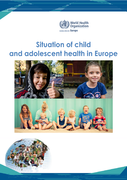
The report focuses on several key areas where health outcomes are falling short, and provides insight into ways in which countries can improve the situation for their children and adolescents. Areas
...
in focus include mental health, overweight/obesity and adolescent risk-taking behaviour.
The report shows, for example, that:
- mental health remains a neglected subject – only one quarter of countries are collecting data on the number of children treated by a mental health professional;
- half of countries do not regulate the marketing of food to children, despite the fact that childhood obesity rates are high across the Region and physical activity rates are low;
- almost half of countries have no policy that affects the availability of unhealthy foods at school;
- 2 in 5 girls and 1 in 3 boys who are having sex do not protect themselves; and
one third of countries do not offer legal access to contraception without parental consent for those under 18 years of age.
more
NUDOR’s first strategic plan (2010-2016) focused on establishing NUDOR as a viable, well-run organisation. Significant progress has been made towards these aims and therefore the strategy and has
...
been reviewed by NUDOR board, secretariat and member organisations. The updated strategic plan now covers the period 2015 – 2020 for which three strategic aims have been agreed.
1. Representation and accountability: NUDOR will be accountable to and effectively represent members’ interests through the delivery of projects and priorities agreed by member organisations, and by facilitating joint working amongst members.
2. Capacity building and resource mobilization: NUDOR and its member organisations are strengthened to fulfil its mandates by developing its technical skills, research and insight, sustainability and outreach.
3. Advocacy and influencing: NUDOR will work to ensure that the needs and rights of all persons with disabilities are recognised by all, mainstreamed in laws and policies at all levels of government, and in programmes of other institutions focusing on areas of education, health and poverty reduction.
more
