
Filter
3271
Text search:
border
control
Featured
388
833
Language
Document type
1398
641
551
285
222
61
49
45
6
5
4
3
Countries
212
108
93
84
80
76
59
55
48
47
47
47
44
43
42
40
40
39
34
32
32
31
30
28
24
24
24
22
22
21
20
20
20
18
17
15
15
14
14
14
13
13
13
12
12
11
11
10
10
10
10
10
10
9
9
8
8
8
8
7
7
7
7
7
6
6
6
6
5
5
5
5
5
5
5
5
5
4
4
4
4
4
4
4
3
3
3
3
3
3
3
3
3
2
2
2
2
2
2
2
2
2
2
2
2
2
2
2
2
2
2
2
1
1
1
1
1
1
1
1
1
1
1
1
1
1
1
1
1
1
1
1
1
1
1
1
1
1
1
1
1
1
1
1
1
1
1
1
Authors & Publishers
Publication Years
Category
874
364
261
251
216
71
60
Toolboxes
299
212
212
202
164
146
132
124
109
98
93
86
84
79
70
65
53
53
38
38
38
36
33
19
1
1
1

2nd edition.
The tool kit provides learning objects and curricular content to support the competencies for those proficiency/trainee levels

This document is designed to provide UNICEF staff and UNICEF partner staff with principles and concepts that can assist them to respond to the psychosocial needs of children in natural disasters and social emergencies such as armed conflict and other forms of violence. It aims to introduce humanitar
...

The humanitarian crisis in Yemen remains the worst in the world. Nearly four years of conflict and severe economic decline are driving the country to the brink of famine and exacerbating needs in all sectors. An estimated 80 per cent of the population – 24 million people – require some form of h
...
The principle of “the best interest of the child” should guide decisions by politicians whenever
children are affected. This is one of the basic ideas in the UN Convention on the Rights
of the Child. Decision makers should assess the consequences for children before taking
action. Today, this
...
White Paper from the National Child Traumatic Stress Network Refugee Trauma Task Force
For the 24th consecutive year, PAHO has published the report Health Situation in the Americas: Core Indicators featuring the latest information on key indicators for the Region of the Americas. This 2018 edition includes data on the 82 core indicators for the countries, territories, and sub regions
...
Children's Health and the Environment WHO Training Package for the Health Sector World Health Organization
World Drug Report 2017
-5-
Accessed: 14.03.2019
Amphetamine-type stimulants, new psychoactive substances
-4-
World Drug Report 2017
Accessed: 14.03.2019
Opiates, cocaine, cannabis
World Drug Report 2017
-3-
Accessed: 14.03.2019
World Drug Report 2017
-1-
Accessed: 14.03.2019
In 2017, $37.4 billion of development assistance was provided to low- and middleincome countries to maintain or improve health. This amount is down slightly compared to 2016, and since 2010, development assistance for health (DAH) has grown at an annualized rate of 1.0%. While global development ass
...
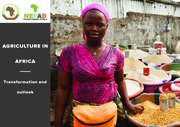
Transformation and outlook
SADF POLICY BRIEF
31 October 2018 Issue n° 8
ISSN: 2406-5625
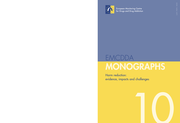
Harm reduction: evidence, impacts and challenges
-10-
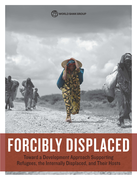
The report depicts the reality of forced displacement as a developing world crisis with implications for sustainable growth: 95 percent of the displaced live in developing countries and over half are in displacement for more than four years. To help the displaced, the report suggests ways to rebuild
...
Accessed: 28.03.2019
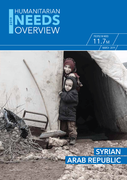
The figures and findings reflected in the 2019 Humanitarian Needs Overview (HNO) represent the independent analysis
of the United Nations (UN) and its humanitarian partners based on information available to them. While the HNO aims
to provide consolidated humanitarian analysis and data to help inf
...
