
Filter
3023
Text search:
Health
Cluster
Featured
278
891
Language
2703
175
68
48
46
43
38
19
13
7
5
4
4
4
3
3
3
2
2
2
2
2
2
1
1
1
1
1
1
1
1
1
1
1
1
1
1
1
1
1
1
1
1
1
1
1
1
1
Document type
1589
524
380
171
151
79
65
38
13
10
1
1
1
Countries
129
82
81
75
73
70
65
63
62
59
59
56
51
50
49
47
46
46
45
39
38
36
35
34
32
30
30
29
28
26
25
25
20
20
19
17
17
15
15
15
14
14
14
13
13
13
13
12
11
11
11
11
10
10
10
10
10
9
9
9
8
7
7
7
6
6
6
5
5
4
4
4
4
4
4
4
4
4
3
3
3
3
3
3
2
2
2
2
2
2
2
2
2
2
2
2
2
2
2
2
1
1
1
1
1
1
1
1
1
1
1
1
1
1
1
1
1
1
1
1
1
1
1
1
1
1
1
1
1
1
Authors & Publishers
390
122
102
91
74
72
67
42
40
35
34
28
26
26
25
22
22
20
18
17
16
15
15
15
15
14
14
14
13
12
11
11
11
10
10
10
10
10
9
9
9
9
9
9
8
8
8
8
8
7
7
7
7
7
7
7
7
6
6
6
6
6
6
6
6
6
6
6
5
5
5
5
5
5
5
5
5
5
5
5
5
5
5
5
5
5
5
5
5
4
4
4
4
4
4
4
4
4
4
4
4
4
4
4
4
4
4
4
4
4
4
4
4
4
4
4
4
4
4
4
4
3
3
3
3
3
3
3
3
3
3
3
3
3
3
3
3
3
3
3
3
3
3
3
3
3
3
3
3
3
3
3
3
3
3
3
3
3
3
3
3
3
3
3
3
3
3
3
3
3
3
3
3
3
3
3
3
3
3
3
3
3
3
3
3
3
3
3
3
3
3
3
3
3
3
3
2
2
2
2
2
2
2
2
2
2
2
2
2
2
2
2
2
2
2
2
2
2
2
2
2
2
2
2
2
2
2
2
2
2
2
2
2
2
2
2
2
2
2
2
2
2
2
2
2
2
2
2
2
2
2
2
2
2
2
2
2
2
2
2
2
2
2
2
2
2
2
2
2
2
2
2
2
2
2
2
2
2
2
2
2
2
2
2
2
2
2
2
2
2
2
2
2
2
2
2
2
2
2
2
2
2
2
2
2
2
2
2
2
2
2
2
2
2
2
2
2
2
2
2
2
2
2
2
2
2
2
2
2
2
2
2
2
2
2
2
2
2
2
2
2
2
2
2
2
2
2
2
2
2
2
2
2
2
2
2
2
2
2
2
2
2
2
2
2
2
2
2
2
2
2
2
2
2
2
2
2
1
1
1
1
1
1
1
1
1
1
1
1
1
1
1
1
1
1
1
1
1
1
1
1
1
1
1
1
1
1
1
1
1
1
1
1
1
1
1
1
1
1
1
1
1
1
1
1
1
1
1
1
1
1
1
1
1
1
1
1
1
1
1
1
1
1
1
1
1
1
1
1
1
1
1
1
1
1
1
1
1
1
1
1
1
1
1
1
1
1
1
1
1
1
1
1
1
1
1
1
1
1
1
1
1
1
1
1
1
1
1
1
1
1
1
1
1
1
1
1
1
1
1
1
1
1
1
1
1
1
1
1
1
1
1
1
1
1
1
1
1
1
1
1
1
1
1
1
1
1
1
1
1
1
1
1
1
1
1
1
1
1
1
1
1
1
1
1
1
1
1
1
1
1
1
1
1
1
1
1
1
1
1
1
1
1
1
1
1
1
1
1
1
1
1
1
1
1
1
1
1
1
1
1
1
1
1
1
1
1
1
1
1
1
1
1
1
1
1
1
1
1
1
1
1
1
1
1
1
1
1
1
1
1
1
1
1
1
1
1
1
1
1
1
1
1
1
1
1
1
1
1
1
1
1
1
1
1
1
1
1
1
1
1
1
1
1
1
1
1
1
1
1
1
1
1
1
1
1
1
1
1
1
1
1
1
1
1
1
1
1
1
1
1
1
1
1
1
1
1
1
1
1
1
1
1
1
1
1
1
1
1
1
1
1
1
1
1
1
1
1
1
1
1
1
1
1
1
1
1
1
1
1
1
1
1
1
1
1
1
1
1
1
1
1
1
1
1
1
1
1
1
1
1
1
1
1
1
1
1
1
1
1
1
1
1
1
1
1
1
1
1
1
1
1
1
1
1
1
1
1
1
1
1
1
1
1
1
1
1
1
1
1
1
1
1
1
1
1
1
1
1
1
1
1
1
1
1
1
1
1
1
1
1
1
1
1
1
1
1
1
1
1
1
1
1
1
1
1
1
1
1
1
1
1
1
1
1
1
1
1
1
1
1
1
1
1
1
1
1
1
1
1
1
1
1
1
1
1
1
1
1
1
1
1
1
1
1
1
1
1
1
1
1
1
1
1
1
1
1
1
1
1
1
1
1
1
1
1
1
1
1
1
1
1
1
1
1
1
1
1
1
1
1
1
1
1
1
1
1
1
1
1
1
1
1
1
1
1
1
1
1
1
1
1
1
1
1
1
1
1
1
1
1
1
1
1
1
1
1
1
1
1
1
1
1
1
1
1
1
1
1
1
1
1
1
1
1
1
1
1
1
1
1
1
1
1
1
1
1
1
1
1
1
1
1
1
1
1
1
1
1
1
1
1
1
1
1
1
1
1
1
1
1
1
1
1
1
1
1
1
1
1
1
1
1
1
1
1
1
1
1
1
1
1
1
1
1
1
1
1
1
1
1
1
1
1
1
1
1
1
1
1
1
1
1
1
1
1
1
1
1
1
1
1
1
1
1
1
1
1
1
1
1
1
1
1
1
1
1
1
1
1
1
1
1
1
1
1
1
1
1
1
1
1
1
1
1
1
1
1
1
1
1
1
1
1
1
1
1
1
1
1
1
1
1
1
1
1
1
1
1
1
1
1
1
1
1
1
1
1
1
1
1
1
1
1
1
1
1
1
1
1
1
1
1
1
1
1
1
1
1
1
1
1
1
1
1
1
1
1
1
1
1
1
1
1
1
1
1
1
1
1
1
1
1
1
1
1
1
1
1
1
1
1
1
1
1
1
1
1
1
1
1
1
1
1
1
1
1
1
1
1
1
1
1
1
1
1
1
1
1
1
1
1
1
1
1
1
1
1
1
1
1
1
1
1
1
1
1
1
1
1
1
1
1
1
1
1
1
1
1
1
1
1
1
1
1
1
1
1
1
1
1
1
1
1
1
1
1
1
1
1
1
1
1
1
1
1
1
1
1
1
1
1
1
1
1
1
1
1
1
1
1
1
1
1
1
1
1
1
1
1
1
1
1
1
1
1
1
1
1
1
1
1
1
1
1
1
1
1
1
1
1
1
1
1
1
1
1
1
1
1
1
1
1
1
1
1
1
1
1
1
1
1
1
1
1
1
1
1
1
1
1
1
1
1
1
1
1
1
1
1
1
1
1
1
1
1
1
1
1
1
1
1
1
1
1
1
1
1
1
1
1
1
1
1
1
1
1
1
1
1
1
1
1
1
1
1
1
1
1
1
1
1
1
1
1
1
1
1
1
1
1
1
1
1
1
1
1
1
1
1
1
1
1
1
1
1
1
1
1
1
1
1
1
1
1
1
1
1
1
1
1
1
1
1
1
1
1
1
1
1
1
1
1
1
1
1
1
1
1
1
1
1
1
1
1
1
1
1
1
1
1
1
1
1
1
1
1
1
1
1
1
1
1
1
1
1
1
1
1
1
1
1
1
1
1
1
1
1
1
1
1
1
1
1
1
1
1
1
1
1
1
1
1
1
1
1
1
1
1
1
1
1
1
1
1
1
1
1
1
1
1
1
1
1
1
1
1
1
1
1
1
1
1
1
1
1
1
1
1
1
1
1
1
1
1
1
1
1
1
1
1
1
1
1
1
1
1
1
1
1
1
1
1
1
1
1
1
1
1
1
1
1
1
1
1
1
1
1
1
1
1
1
1
1
1
1
1
1
1
1
1
1
1
1
1
1
1
1
1
1
1
1
1
1
1
1
1
1
1
1
1
1
1
1
1
1
1
1
1
1
1
1
1
1
1
1
1
1
1
1
1
1
1
1
1
1
1
1
1
1
1
1
1
1
1
1
1
1
1
1
1
1
1
1
1
1
1
1
1
1
1
1
1
1
1
1
1
1
1
1
1
1
1
1
1
1
1
1
1
1
1
1
1
1
1
1
1
1
1
1
1
1
1
1
1
1
1
1
1
1
1
1
1
1
1
1
1
1
1
1
1
1
1
1
1
1
1
1
1
1
1
1
1
1
1
1
1
1
1
1
1
1
1
1
1
1
1
1
1
1
1
1
1
1
1
1
1
1
1
1
1
1
1
1
1
1
1
1
1
1
1
1
1
1
1
1
1
1
1
1
1
1
1
1
1
1
1
1
1
1
1
1
1
1
1
1
1
1
1
1
1
1
1
1
1
1
1
1
1
1
1
1
1
1
1
1
1
1
1
1
1
1
1
1
1
1
1
1
1
1
1
1
1
1
1
1
1
1
1
1
1
1
1
1
1
1
1
1
1
1
1
1
1
1
1
1
1
1
1
1
1
1
1
1
1
1
1
1
1
1
1
1
1
1
1
1
1
1
1
1
1
1
1
1
1
1
1
1
1
1
1
1
1
1
1
1
1
1
1
1
1
1
1
1
1
1
1
1
1
1
1
1
1
1
1
1
1
1
1
1
1
1
1
1
1
1
1
1
1
1
1
1
1
1
1
1
1
1
1
1
1
1
1
1
1
1
1
1
1
1
1
1
1
1
1
1
1
1
1
1
1
1
1
1
1
1
1
1
1
1
1
1
1
1
1
1
1
1
1
1
1
1
1
1
1
1
1
1
1
1
1
1
1
1
1
1
1
1
1
1
1
1
1
1
1
1
1
1
1
1
1
1
1
1
1
1
1
1
1
1
1
1
1
1
1
1
1
1
1
1
1
1
1
1
1
1
1
1
1
1
1
1
1
1
1
1
1
1
1
1
1
1
1
1
1
1
1
1
1
1
1
1
1
1
1
1
1
1
1
1
1
1
1
1
1
1
1
1
1
1
1
1
1
1
1
1
1
1
1
1
1
1
1
1
1
1
1
1
1
1
1
1
1
1
1
1
1
1
1
1
1
1
1
1
1
1
1
1
1
1
1
1
1
1
1
1
1
1
1
1
1
1
1
1
1
1
1
1
1
1
1
1
1
1
1
1
1
1
1
1
1
1
1
1
1
1
1
1
1
1
1
1
1
1
1
1
1
1
1
1
1
1
1
1
1
1
1
1
1
1
1
1
1
1
1
1
1
1
1
1
1
1
1
1
1
1
1
1
1
1
1
1
1
1
1
1
1
1
1
1
1
1
1
1
1
1
1
1
1
1
1
1
1
1
1
1
1
1
1
1
1
1
1
1
1
1
1
1
1
1
1
1
1
1
1
1
1
1
1
1
1
1
1
1
1
1
1
1
1
1
1
1
1
1
1
1
1
1
1
1
1
1
1
1
1
1
1
1
1
1
1
1
1
1
1
1
1
1
1
1
1
1
1
1
1
1
1
1
1
1
1
1
1
1
1
1
1
1
1
1
1
1
1
1
1
1
1
1
1
1
1
1
1
1
1
1
1
1
1
1
1
1
1
1
1
1
1
1
1
1
1
1
1
1
1
1
1
1
1
1
1
1
1
1
1
1
1
1
1
1
1
1
1
1
1
1
1
1
1
1
1
1
1
1
1
1
1
1
1
1
1
1
1
1
1
1
1
1
1
1
1
1
1
1
1
1
1
1
1
1
1
1
1
1
1
1
1
1
1
1
1
1
1
1
1
1
1
1
1
1
1
1
1
1
1
1
1
1
Publication Years
1013
1815
190
5
Category
1337
277
196
150
148
33
14
Toolboxes
350
208
177
111
107
90
74
72
71
63
61
56
46
46
44
43
43
37
35
25
21
20
19
17
6
2
1
Le Plan Stratégique Multisectoriel d’Élimination du Choléra en République Démocratique du Congo (2013-2017) vise à réduire l’incidence du choléra à moins d’un cas pour 100 000 habitants. Ce plan repose sur une approche multisectorielle, combinant santé, eau, hygiène et assainissemen
...
t pour enrayer la transmission du choléra.
Il identifie trois types de zones : zones sources (A), zones épidémiques (B) et zones de diffusion (C), chacune nécessitant des interventions adaptées. Les stratégies incluent l’amélioration des infrastructures d’eau potable et d’assainissement, la surveillance épidémiologique, la prévention, la prise en charge médicale et la coordination des actions.
Malgré des progrès dans certaines régions, la mise en œuvre du plan a rencontré des défis, notamment en raison du manque de financements et de la persistance de foyers endémiques dans l'Est du pays. Une coordination nationale et internationale est essentielle pour mobiliser les ressources et atteindre l'objectif d'élimination du choléra en RDC.
more
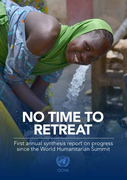
At the World Humanitarian Summit in Istanbul in May 2016, leaders made over 3,700 commitments to advance the Agenda for Humanity. In their first self-reports against these commitments, 142 stakeholders described the efforts they made from June to December 2016 to realize this ambitious vision.
The
...
2017 annual synthesis report on progress provides a summary of their collective achievements around the 5 Core Responsibilities and 24 Transformations of the Agenda for Humanity.
Executive summary in
English: https://www.agendaforhumanity.org/sites/default/files/asr/2017/Nov/No%20time%20to%20retreat%20Executive%20Summary_NEW_web_nov27.pdf;
French: https://www.agendaforhumanity.org/sites/default/files/asr/2018/Jan/No%20time%20to%20retreat_Executive%20summary_FRENCH_Final_web.pdf
Spanish: https://www.agendaforhumanity.org/sites/default/files/asr/2018/Jan/No%20time%20to%20retreat_Executive%20summary_Spanish_final_web.pdf more
English: https://www.agendaforhumanity.org/sites/default/files/asr/2017/Nov/No%20time%20to%20retreat%20Executive%20Summary_NEW_web_nov27.pdf;
French: https://www.agendaforhumanity.org/sites/default/files/asr/2018/Jan/No%20time%20to%20retreat_Executive%20summary_FRENCH_Final_web.pdf
Spanish: https://www.agendaforhumanity.org/sites/default/files/asr/2018/Jan/No%20time%20to%20retreat_Executive%20summary_Spanish_final_web.pdf more
Education of children with disabilities in India and Pakistan: An analysis of developments since 2000 | Background paper prepared for the Education for All Global Monitoring Report 2015 | Education for All 2000-2015: achievements and challenges
Towards a policy of inclusion
This brief presents and addresses some of the challenges that prevent internally displaced persons with disabilities and other vulnerable population groups (elderly, injured persons, pregnant women, etc.) in camp settings from accessing humanitarian services in Iraq and impede on the development of
...
an inclusive humanitarian response.
more
This guide has been produced by the International
Network on Explosive Weapons (INEW) to introduce the
humanitarian advocacy agenda on the use of explosive
weapons in populated areas and to provide ideas for actions
at the national level. It is aimed primarily at NGOs and
campaigners worki
...
ng on humanitarian issues and issues
related to weapons and protection of civilians.
more
The refugee exodus from South Sudan continues at an alarming rate, even as the crisis is entering its fifth year. Close to 2.4 million South Sudanese have fled to neighbouring countries mostly to Uganda—the largest host country in sub-Saharan Africa—followed by Sudan, Ethiopia, Kenya, the Democr
...
atic Republic of the Congo (DRC) and the Central African Republic (CAR).
more
Making education more inclusive requires schools and education authorities to remove the barriers to education experienced by the most excluded children - often the poorest, children with disabilities, children without family care, girls, or children from minority groups. Also included in the text a
...
re examples of children from very remote areas, girls excluded from school, children from ethnic groups, children with language barriers, and children in countries affected by conflict.
more
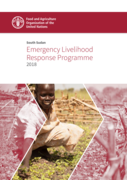
In 2018, the Food and Agriculture Organization of the United Nations (FAO) in South Sudan must respond to the highest levels of food insecurity ever recorded in the country. To address this challenge, FAO revised its multiyear Emergency Livelihood Response Programme (ELRP) to enable rapid food produ
...
ction among the most vulnerable communities, protect their livelihoods and reduce dependency on humanitarian aid while building their resilience.
more
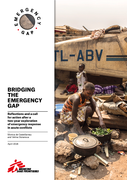
Reflections and a call for action after a two-year exploration of emergency response in acute conflicts
There is general consensus that the humanitarian sector is failing to mount timely and adequate responses in the acute phase of conflict-related emergencies, according to the two-year Emergen ... cy Gap Project by Médecins Sans Frontières (MSF).
The Project has explored what works for or against effective emergency responses. Its final report, Bridging the emergency gap, draws on the Project’s thematic papers and case studies, and consultations with more than 150 senior-level representatives from 60 key organisations across the humanitarian sector. more
There is general consensus that the humanitarian sector is failing to mount timely and adequate responses in the acute phase of conflict-related emergencies, according to the two-year Emergen ... cy Gap Project by Médecins Sans Frontières (MSF).
The Project has explored what works for or against effective emergency responses. Its final report, Bridging the emergency gap, draws on the Project’s thematic papers and case studies, and consultations with more than 150 senior-level representatives from 60 key organisations across the humanitarian sector. more

This case study examines the humanitarian response to the conflict-related crisis in the North-East of Nigeria, focusing primarily on the period from 2015 to the end of 2016. The aim is test the central hypotheses of the Emergency Gap project: that the current structure, conceptual underpinning and
...
prevalent mindset of the international humanitarian system limits its capacity to be effective in response to conflict-related emergencies.
As with many conflict-related crises, the emergency in north-east Nigeria has deep and complex roots in the history of the region. The conflict began in 2009 and quickly developed beyond the control of the authorities. It unfolded in the midst of pre-existing political, social and economic tensions, making an effective humanitarian response exceedingly difficult. Despite this complexity, what is clear is that the crisis has resulted in a sprawling humanitarian disaster that has killed over 25,000 people as a direct result of the violence, and continues to devastate many more lives through hunger, psychological trauma and lack of access to healthcare. more
As with many conflict-related crises, the emergency in north-east Nigeria has deep and complex roots in the history of the region. The conflict began in 2009 and quickly developed beyond the control of the authorities. It unfolded in the midst of pre-existing political, social and economic tensions, making an effective humanitarian response exceedingly difficult. Despite this complexity, what is clear is that the crisis has resulted in a sprawling humanitarian disaster that has killed over 25,000 people as a direct result of the violence, and continues to devastate many more lives through hunger, psychological trauma and lack of access to healthcare. more
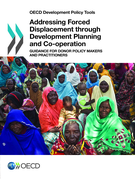
Addressing Forced Displacement through Development Planning and Co-operation: Guidance for Donor Policy Makers and Practitioners
Mwangi, Annabel; Gamez, Laura et al.
Organisation for Economic Co-operation and Development (OECD)
(2017)
C1
OECD Development Policy Tools
Recognising that donor policies and responses constantly evolve, this guidance recommends that donors operating in situations of forced displacement prioritise three broad areas of work, where they can best contribute to existing capacities at the national, regiona ... l and global levels. more
Recognising that donor policies and responses constantly evolve, this guidance recommends that donors operating in situations of forced displacement prioritise three broad areas of work, where they can best contribute to existing capacities at the national, regiona ... l and global levels. more
