
Filter
3719
Text search:
integration
of
care
Featured
336
974
Language
3583
95
65
62
57
47
24
20
7
7
6
6
6
6
5
5
4
4
4
4
4
4
3
3
3
3
3
3
3
3
3
2
2
2
2
2
2
1
1
1
1
1
1
1
1
1
1
1
1
1
1
Document type
1980
696
433
232
215
61
51
30
9
7
2
Countries
172
124
113
99
92
90
79
75
71
64
63
62
61
59
58
58
55
51
49
48
45
41
41
32
31
30
30
29
28
28
27
26
23
22
21
21
19
18
18
16
16
15
13
12
12
12
12
11
11
11
11
11
10
10
9
9
9
8
7
7
7
6
6
6
6
5
5
5
4
4
4
4
4
4
4
4
3
3
3
3
3
3
3
3
2
2
2
2
2
2
2
2
2
2
2
2
2
2
2
2
2
2
2
2
2
1
1
1
1
1
1
1
1
1
1
1
1
1
1
1
1
1
1
1
1
1
1
1
1
Authors & Publishers
517
130
120
104
91
71
60
53
46
39
37
20
18
18
18
18
17
17
17
17
16
16
15
14
14
14
14
13
13
13
12
12
12
11
11
11
11
11
11
11
11
10
10
10
10
10
9
9
9
9
9
9
9
9
9
9
9
8
8
8
8
8
8
8
7
7
7
7
7
7
7
7
7
7
7
7
7
7
6
6
6
6
6
6
6
6
6
6
6
6
6
6
6
6
6
6
6
5
5
5
5
5
5
5
5
5
5
5
5
5
5
5
5
5
5
5
5
4
4
4
4
4
4
4
4
4
4
4
4
4
4
4
4
4
4
4
4
4
4
4
4
4
4
4
4
4
4
4
4
4
4
4
4
4
4
3
3
3
3
3
3
3
3
3
3
3
3
3
3
3
3
3
3
3
3
3
3
3
3
3
3
3
3
3
3
3
3
3
3
3
3
3
3
3
3
3
3
3
3
3
3
3
3
3
3
3
3
3
3
3
3
3
3
3
3
3
3
3
3
3
3
3
3
3
3
3
3
3
3
3
3
3
3
3
3
3
3
3
3
2
2
2
2
2
2
2
2
2
2
2
2
2
2
2
2
2
2
2
2
2
2
2
2
2
2
2
2
2
2
2
2
2
2
2
2
2
2
2
2
2
2
2
2
2
2
2
2
2
2
2
2
2
2
2
2
2
2
2
2
2
2
2
2
2
2
2
2
2
2
2
2
2
2
2
2
2
2
2
2
2
2
2
2
2
2
2
2
2
2
2
2
2
2
2
2
2
2
2
2
2
2
2
2
2
2
2
2
2
2
2
2
2
2
2
2
2
2
2
2
2
2
2
2
2
2
2
2
2
2
2
2
2
2
2
2
2
2
2
2
2
2
2
2
2
2
2
2
2
2
2
2
2
2
2
2
2
2
2
2
2
2
2
2
2
2
2
2
2
2
2
2
2
2
2
2
2
2
2
2
2
2
2
2
2
2
2
2
2
2
2
2
2
2
2
2
2
2
2
2
2
2
2
2
2
2
2
2
1
1
1
1
1
1
1
1
1
1
1
1
1
1
1
1
1
1
1
1
1
1
1
1
1
1
1
1
1
1
1
1
1
1
1
1
1
1
1
1
1
1
1
1
1
1
1
1
1
1
1
1
1
1
1
1
1
1
1
1
1
1
1
1
1
1
1
1
1
1
1
1
1
1
1
1
1
1
1
1
1
1
1
1
1
1
1
1
1
1
1
1
1
1
1
1
1
1
1
1
1
1
1
1
1
1
1
1
1
1
1
1
1
1
1
1
1
1
1
1
1
1
1
1
1
1
1
1
1
1
1
1
1
1
1
1
1
1
1
1
1
1
1
1
1
1
1
1
1
1
1
1
1
1
1
1
1
1
1
1
1
1
1
1
1
1
1
1
1
1
1
1
1
1
1
1
1
1
1
1
1
1
1
1
1
1
1
1
1
1
1
1
1
1
1
1
1
1
1
1
1
1
1
1
1
1
1
1
1
1
1
1
1
1
1
1
1
1
1
1
1
1
1
1
1
1
1
1
1
1
1
1
1
1
1
1
1
1
1
1
1
1
1
1
1
1
1
1
1
1
1
1
1
1
1
1
1
1
1
1
1
1
1
1
1
1
1
1
1
1
1
1
1
1
1
1
1
1
1
1
1
1
1
1
1
1
1
1
1
1
1
1
1
1
1
1
1
1
1
1
1
1
1
1
1
1
1
1
1
1
1
1
1
1
1
1
1
1
1
1
1
1
1
1
1
1
1
1
1
1
1
1
1
1
1
1
1
1
1
1
1
1
1
1
1
1
1
1
1
1
1
1
1
1
1
1
1
1
1
1
1
1
1
1
1
1
1
1
1
1
1
1
1
1
1
1
1
1
1
1
1
1
1
1
1
1
1
1
1
1
1
1
1
1
1
1
1
1
1
1
1
1
1
1
1
1
1
1
1
1
1
1
1
1
1
1
1
1
1
1
1
1
1
1
1
1
1
1
1
1
1
1
1
1
1
1
1
1
1
1
1
1
1
1
1
1
1
1
1
1
1
1
1
1
1
1
1
1
1
1
1
1
1
1
1
1
1
1
1
1
1
1
1
1
1
1
1
1
1
1
1
1
1
1
1
1
1
1
1
1
1
1
1
1
1
1
1
1
1
1
1
1
1
1
1
1
1
1
1
1
1
1
1
1
1
1
1
1
1
1
1
1
1
1
1
1
1
1
1
1
1
1
1
1
1
1
1
1
1
1
1
1
1
1
1
1
1
1
1
1
1
1
1
1
1
1
1
1
1
1
1
1
1
1
1
1
1
1
1
1
1
1
1
1
1
1
1
1
1
1
1
1
1
1
1
1
1
1
1
1
1
1
1
1
1
1
1
1
1
1
1
1
1
1
1
1
1
1
1
1
1
1
1
1
1
1
1
1
1
1
1
1
1
1
1
1
1
1
1
1
1
1
1
1
1
1
1
1
1
1
1
1
1
1
1
1
1
1
1
1
1
1
1
1
1
1
1
1
1
1
1
1
1
1
1
1
1
1
1
1
1
1
1
1
1
1
1
1
1
1
1
1
1
1
1
1
1
1
1
1
1
1
1
1
1
1
1
1
1
1
1
1
1
1
1
1
1
1
1
1
1
1
1
1
1
1
1
1
1
1
1
1
1
1
1
1
1
1
1
1
1
1
1
1
1
1
1
1
1
1
1
1
1
1
1
1
1
1
1
1
1
1
1
1
1
1
1
1
1
1
1
1
1
1
1
1
1
1
1
1
1
1
1
1
1
1
1
1
1
1
1
1
1
1
1
1
1
1
1
1
1
1
1
1
1
1
1
1
1
1
1
1
1
1
1
1
1
1
1
1
1
1
1
1
1
1
1
1
1
1
1
1
1
1
1
1
1
1
1
1
1
1
1
1
1
1
1
1
1
1
1
1
1
1
1
1
1
1
1
1
1
1
1
1
1
1
1
1
1
1
1
1
1
1
1
1
1
1
1
1
1
1
1
1
1
1
1
1
1
1
1
1
1
1
1
1
1
1
1
1
1
1
1
1
1
1
1
1
1
1
1
1
1
1
1
1
1
1
1
1
1
1
1
1
1
1
1
1
1
1
1
1
1
1
1
1
1
1
1
1
1
1
1
1
1
1
1
1
1
1
1
1
1
1
1
1
1
1
1
1
1
1
1
1
1
1
1
1
1
1
1
1
1
1
1
1
1
1
1
1
1
1
1
1
1
1
1
1
1
1
1
1
1
1
1
1
1
1
1
1
1
1
1
1
1
1
1
1
1
1
1
1
1
1
1
1
1
1
1
1
1
1
1
1
1
1
1
1
1
1
1
1
1
1
1
1
1
1
1
1
1
1
1
1
1
1
1
1
1
1
1
1
1
1
1
1
1
1
1
1
1
1
1
1
1
1
1
1
1
1
1
1
1
1
1
1
1
1
1
1
1
1
1
1
1
1
1
1
1
1
1
1
1
1
1
1
1
1
1
1
1
1
1
1
1
1
1
1
1
1
1
1
1
1
1
1
1
1
1
1
1
1
1
1
1
1
1
1
1
1
1
1
1
1
1
1
1
1
1
1
1
1
1
1
1
1
1
1
1
1
1
1
1
1
1
1
1
1
1
1
1
1
1
1
1
1
1
1
1
1
1
1
1
1
1
1
1
1
1
1
1
1
1
1
1
1
1
1
1
1
1
1
1
1
1
1
1
1
1
1
1
1
1
1
1
1
1
1
1
1
1
1
1
1
1
1
1
1
1
1
1
1
1
1
1
1
1
1
1
1
1
1
1
1
1
1
1
1
1
1
1
1
1
1
1
1
1
1
1
1
1
1
1
1
1
1
1
1
1
1
1
1
1
1
1
1
1
1
1
1
1
1
1
1
1
1
1
1
1
1
1
1
1
1
1
1
1
1
1
1
1
1
1
1
1
1
1
1
1
1
1
1
1
1
1
1
1
1
1
1
1
1
1
1
1
1
1
1
1
1
1
1
1
1
1
1
1
1
1
1
1
1
1
1
1
1
1
1
1
1
1
1
1
1
1
1
1
1
1
1
1
1
1
1
1
1
1
1
1
1
1
1
1
1
1
1
1
1
1
1
1
1
1
1
1
1
1
1
1
1
1
1
1
1
1
1
1
1
1
1
1
1
1
1
1
1
1
1
1
1
1
1
1
1
1
1
1
1
1
1
1
1
1
1
1
1
1
1
1
1
1
1
1
1
1
1
1
1
1
1
1
1
1
1
1
1
1
1
1
1
1
1
1
1
1
1
1
1
1
1
1
1
1
1
1
1
1
1
1
1
1
1
1
1
1
1
1
1
1
1
1
1
1
1
1
1
1
1
1
1
1
1
1
1
1
1
1
1
1
1
1
1
1
1
1
1
1
1
1
1
1
1
1
1
1
1
1
1
1
1
1
1
1
1
1
1
1
1
1
1
1
1
1
1
1
1
1
1
1
1
1
1
1
1
1
1
1
1
1
1
1
1
1
1
1
1
1
1
1
1
1
1
1
1
1
1
1
1
1
1
1
1
1
1
1
1
1
1
1
1
1
1
1
1
1
1
1
1
1
1
1
1
1
1
1
1
1
1
1
1
1
1
1
1
1
1
1
1
1
1
1
1
1
1
1
1
1
1
1
1
1
1
1
1
1
1
1
1
1
1
1
1
1
1
1
1
1
1
1
1
1
1
1
1
1
1
1
1
1
1
1
1
1
1
1
1
1
1
1
1
1
1
1
1
1
1
1
1
1
1
1
1
1
1
1
1
1
1
1
1
1
1
1
1
1
1
1
1
1
1
1
1
1
1
1
1
1
1
1
1
1
1
1
1
1
1
1
1
1
1
1
1
1
1
1
1
1
1
1
1
1
1
1
1
1
1
1
1
1
1
1
1
1
1
1
1
1
1
1
1
1
1
1
1
1
1
1
1
1
1
1
1
1
1
1
1
1
1
1
1
1
1
1
1
1
1
1
1
1
1
1
1
1
1
1
1
1
1
1
1
1
1
1
1
1
1
1
1
1
1
1
1
1
1
1
1
1
1
1
1
1
1
1
1
1
1
1
1
1
1
1
1
1
1
1
1
1
1
1
1
1
1
1
1
1
1
1
1
1
1
1
1
1
1
1
1
1
1
1
1
1
1
1
1
1
1
1
1
1
1
1
1
1
1
1
1
1
1
1
1
1
1
1
1
1
1
1
1
1
1
1
1
1
1
1
1
1
1
1
1
1
1
1
1
1
1
1
1
1
1
1
1
1
1
1
1
1
1
1
1
1
1
1
1
1
1
1
1
1
1
1
1
1
1
1
1
1
1
1
1
1
1
1
1
1
1
1
1
1
1
1
1
1
1
1
1
1
1
1
1
1
1
1
1
1
1
1
1
1
1
1
1
1
1
1
1
1
1
1
1
1
1
1
1
1
1
1
1
1
1
1
1
1
1
1
1
1
1
1
1
1
1
1
1
1
1
1
1
1
1
1
1
1
1
1
1
1
1
1
1
1
1
1
1
1
1
1
1
1
1
1
1
1
1
1
1
1
1
1
1
1
1
1
1
1
1
1
1
1
1
1
1
1
1
1
1
1
1
1
1
1
1
1
1
1
1
1
1
1
1
1
1
1
1
1
1
1
1
1
1
1
1
1
1
1
1
1
1
1
1
1
1
1
1
1
1
1
1
1
1
1
1
1
1
1
1
1
1
1
1
1
1
1
1
1
1
1
1
1
1
1
1
1
1
1
1
1
1
1
1
1
1
1
1
1
1
1
1
1
1
1
1
1
1
1
1
1
1
1
1
1
1
1
1
1
1
1
1
1
1
1
1
1
1
1
1
1
1
1
1
1
1
1
1
1
1
1
1
1
1
1
1
1
1
1
1
1
1
1
1
1
1
1
1
1
1
1
1
1
1
1
1
1
1
1
1
1
1
1
1
1
1
1
1
1
1
1
1
1
1
1
1
1
1
1
1
1
1
1
1
1
1
1
1
1
1
1
1
1
1
1
1
1
1
1
1
1
1
1
1
1
1
1
1
1
1
1
1
1
1
1
1
1
1
1
1
1
1
1
1
1
1
1
1
1
1
1
1
1
1
1
1
1
1
1
1
1
1
1
1
1
1
1
1
1
1
1
1
1
1
1
1
1
1
1
1
1
1
1
1
1
1
1
1
1
1
1
1
1
1
1
1
1
1
1
1
1
1
1
1
1
1
1
1
1
1
1
1
1
1
1
1
1
1
1
1
1
1
1
1
1
1
1
1
1
1
1
1
1
1
1
1
1
1
1
1
1
1
1
1
1
1
1
1
1
1
1
1
1
1
1
1
1
1
1
1
1
1
1
1
1
1
1
1
1
1
1
1
1
1
1
1
1
1
1
1
1
1
1
1
1
1
1
1
1
1
1
1
1
1
1
1
1
1
1
1
1
1
1
1
1
1
1
1
1
1
1
1
1
1
1
1
1
1
1
1
1
1
1
1
1
1
1
1
1
1
1
1
1
1
1
1
1
1
1
1
1
1
1
1
1
1
1
1
1
1
1
1
1
1
1
1
1
1
1
1
1
1
1
1
1
1
1
1
1
1
1
1
1
1
1
1
1
1
1
1
1
1
1
1
1
1
1
1
1
1
1
1
1
1
1
1
1
1
1
1
1
1
1
1
1
1
1
1
1
1
1
1
1
1
1
1
1
1
1
1
1
1
1
1
1
1
1
1
1
1
1
1
1
1
1
1
1
1
Publication Years
1173
2216
316
12
2
Category
1422
246
246
221
206
80
23
Toolboxes
346
229
196
183
182
136
135
127
114
114
83
80
77
70
67
52
45
44
38
38
34
21
19
18
9
1
Countries, partners, and donors are committed to the global elimination of blinding trachoma by 2020.
Achieving this public health milestone requires more than funding; it requires health personnel with the
right mix
...
of skills, and well supported and managed health systems. Mass drug administration (MDA)
with Zithromax®, the Pfizer, Inc. donated antibiotic, is a key component of the SAFE strategy, endorsed
by the World Health Organization. There is growing
recognition that improving all aspects of MDA, from
planning to training, recording to reporting, and
receipt of drug to distribution (the supply chain), will
be necessary if MDA programmes are going to reduce
the community burden of Chlamydia trachomatis, and
eliminate trachoma as a cause of blindness by 2020.
more

This report outlines the coordination and partnership between two key ministries (Education and Public Health) in Kenya, other line ministries, the private sector, NGOs and the community in implementing the first phase of a sub-national school-based
...
deworming exercise. The areas targeted included Coast, Central, Western, Nyanza
and parts of Eastern provinces, covering over 45 districts in this first phase. The SBD programme is guided by the National School Health Policy and Guidelines launched in 2009.
more
The ongoing COVID-19 pandemic has shown that public financial management (PFM) should be an integral part of the response. Effectiveness in financing the health response depends not only on the level of
...
funding but also on the way public funds are allocated and spent, this is determined by the PFM rules, and how money flows to health service providers. So far, early assessments have shown that PFM systems ranged from being a fundamental enabler to acting as a roadblock in the COVID-19 health response. While service delivery mechanisms have been extensively documented throughout the pandemic, the underlying PFM mechanisms of the response also merit attention. To highlight the importance of PFM in health emergency contexts, this rapid review analyses various country PFM experiences and identifies early lessons emerging from the financing of the health response to COVID-19. The assessment is done by stages of the budget cycle: budget allocation, budget execution, and budget oversight. Identifying lessons from the varying PFM modalities used to finance the response to COVID-19 is fundamental both for health policy-makers and for finance authorities to prepare for future health emergencies.
more
Unfortunately, current data available on SDG financing are not sufficient to quantify the distribution of financing for the SDGs.
AidData’s methodology for measuring financing to the SDGs attempts to fill this gap by analyzing development project
...
documentation to estimate project-level contributions to the SDGs (and their associated targets). This methodology lets us see where development financing is targeted, allowing comparisons among SDG goals and individual SDG targets.
This methodology note describes two iterations of AidData’s methodology. The first, based on a crosswalk with existing aid reporting schemes, was employed for AidData’s 2017 flagship report Realizing Agenda 2030: Will donor dollars and country priorities align with global goals? and our brief Financing the SDGs in Colombia. The second iteration of the methodology employs a direct coding scheme, linking development projects directly to the SDGs through analysis and coding of project descriptions rather than through an intermediary classification system. This method was employed for our 2019 brief Financing the SDGs: Evidence in Four Countries.
more

Africa’s health sector is facing an unprecedented financing crisis, driven by a sharp decline of 70% in Official Development Assistance (ODA) from 2021 to 2025 and deep-rooted structural vulnerabilities. This collapse is placing immense pressure o
...
n Africa’s already fragile health systems as ODA is seen as the backbone of critical health programs: pandemic preparedness, maternal and child health services, disease control programs are all at
risk, threatening Sustainable Development Goal 3 and Universal Health Coverage. Compounding this is Africa’s spiraling debt, with countries expected to service USD 81 billion by 2025—surpassing anticipated external financing inflows—further eroding fiscal space for health investments. Level of domestic resources is low. TThe Abuja Declaration of 2001, a pivotal commitment made by African Union (AU) member states, aimed to reverse this trend by pledging to allocate at least 15% of national budgets to the health sector. However, more than two decades later, only three countries—Rwanda, Botswana, and Cabo Verde—have
consistently met or exceeded this target (WHO, 2023). In contrast, over 30 AU member states remain well below the 10% benchmark, with some allocating as little as 5–7% of their national budgets to health.
In addition, only 16 (29%) of African countries currently have updated versions of National Health Development Plan (NHDP) supported by a National Health Financing Plan (NHFP). These two documents play a critical role in driving internal resource mobilisation. At the same time, public health emergencies are surging, rising 41%—from 152 in 2022 to
213 in 2024—exposing severe under-resourcing of health infrastructure and workforce. Recurring outbreaks (Mpox, Ebola, cholera, measles, Marburg…) alongside effects of climate change and humanitarian crises in Eastern DRC, the Sahel, and Sudan, are overwhelming systems stretched by chronic underfunding. The situation is worsened by Africa’s heavy dependency with over 90% of vaccines, medicines, and diagnostics being externally sourced—leaving countries vulnerable to global supply chain shocks. Health worker shortages persist, with only 2.3 professionals
per 1,000 people (below the WHO’s recommended 4.45), and fewer than 30% of systems are digitized, undermining disease surveillance and early warning. Without decisive action, Africa CDC projects the continent could reverse two decades of health progress, face 2 to 4 million additional preventable deaths annually, and a heightened risk of a pandemic emerging from within. Furthermore, 39 million more
Africans could be pushed into poverty by 2030 due to intertwined health and economic shocks. This is not just a sectoral crisis—it is an existential threat to Africa’s political, social, and economic resilience, and global stability. In response, African leaders, under Africa CDC’s stewardship, are advancing a comprehensive three-pillar strategy centered on domestic resource mobilization, innovative financing, and blended finance.
more

2nd edition. This second edition builds on the experience of more than 10 years of SMC deployment, and reflects changes introduced in the WHO guidelines for malaria, 3 June 2022. The goal
...
of this publication is to share these best practices to improve SMC implementation, coverage, and monitoring and evaluation. Examples of materials and tools as well as links to resources are included to support managers and health workers in their efforts to conduct successful SMC activities and prevent malaria among vulnerable children.
more
According to the WHO, there were an estimated 251 million malaria cases (95% of global cases) and 579,414 malaria deaths (97% of global deaths) in African Union Member States in 2023. 76%
...
of these deaths were children under the age of five.
more

Building on the WHO guidelines for disclosure to children up to age 12 in 2011, this implementation guidance provides evidence on existing interventions that support children and adolescents living with HIV in the process of disclosure. It includes
...
interventions that focuses on safe disclosure, as well as supporting children and adolescents with onwards disclosure. Specifically, this brief collates existing interventions via a scoping review; assesses key interventions through a realist evaluation lens, identifying what works, for whom, and in what contexts; and highlights emerging considerations, key gaps, and key actions.
more

Operational requirements for implementing WHO recommendations in digital systems. 2nd edition.
To ensure that countries can effectively benefit from digital health investments, “digital adaptation kits” (DAKs) are designed to facilitate the accurate reflection
...
of WHO’s clinical, public health and data use guidelines in the digital systems that countries are adopting. DAKs are operational, software-neutral, standardized documentations that distil clinical, public health and data use guidance into a format that can be transparently incorporated into digital systems.
more

This report presents a WHO–PREZODE collaboration to develop and validate standardized indicators that assess the risk of zoonotic disease emergence by modeling pathogen circulation in animals and the risk
...
of animal to human zoonotic spillover. The proposed indicators are intended to be actionable, i.e., to reflect the impact of the implementation of a prevention strategy along the process of zoonotic pathogen emergence and over time.
more

This document suggests mechanisms that countries can use to respond to emergencies and disasters taking a whole of society and whole of government approach ensuring multisectoral engagement for heal
...
th actions. It helps to run a participatory process of developing the national health response operations plan that brings together all relevant sectors, public health experts, civil society and the international community under government leadership and facilitate ownership, adoption, testing through simulation and finally successful implementation in responding to emergencies and disasters from multiple hazards.
more
The report aims to help policy-makers and programme managers identify the areas that need attention and to work towards effective implementation and enforcement of policies and legislations. The need for alcohol policy-specific infrastructures to su
...
pport the alcohol policy process, including designated responsible agency, policy and strategy, and law and regulation, is also required at the country level.
The report is presented in three sections. Section 1 gives an insight to the alcohol consumption situation in the WHO South-East Asia Region and cites the alcohol-related problems that the Region is facing. Section 2 illustrates the policy situation in the 10 areas of national action identified in the Global Strategy to Reduce the Harmful Use of Alcohol and gives specific recommendations pertaining to these areas. Section 3 provides overall recommendations. more
The report is presented in three sections. Section 1 gives an insight to the alcohol consumption situation in the WHO South-East Asia Region and cites the alcohol-related problems that the Region is facing. Section 2 illustrates the policy situation in the 10 areas of national action identified in the Global Strategy to Reduce the Harmful Use of Alcohol and gives specific recommendations pertaining to these areas. Section 3 provides overall recommendations. more
Mental health disorders remain widely under-reported — in our section on Data Quality & Definitions we discuss the challenges of dealing with this data. Figures presented in this entry should be taken as estimates
...
of mental health disorder prevalence — they do not strictly reflect diagnosis data (which would provide the global perspective on diagnosis, rather than actual prevalence differences), but are imputed from a combination of medical, epidemiological data, surveys and meta-regression modelling where raw data is unavailable. Further information can be found here.
Accessed April 15, 2019
more
The Urban Health Equity Assessment and Response Tool (Urban HEART) is a user-friendly guide for policy- and decision-makers at national and local levels to: identify and analyse inequities in health between people living in various parts of cities,
...
or belonging to different socioeconomic groups within and across cities; facilitate decisions on viable and effective strategies, interventions and actions that should be used to reduce inter- and intra-city health inequities.
Also available in French and Spanish: https://apps.who.int/iris/handle/10665/79060
more
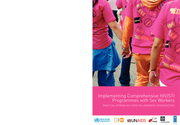
This tool offers practical advice on implementing HIV and STI programmes for and with sex workers. It is based on the recommendations in the guidance document on Prevention and treatment of HIV and other sexually transmitted infections for sex worke
...
rs in low- and middle-income countries published in 2012 by the World Health Organization, the United Nations Population Fund, the Joint United Nations Programme on HIV/AIDS and the Global Network of Sex Work Projects.
more
Investing in and building longer-term health emergency preparedness during the COVID-19 pandemic
recommended
Interim Guidance
This document is to help Member States build on actions taken during the COVID-19 pandemic to improve national medium- to long-term preparedness for future threats. It maps COVID-19 preparedness and response actions to the building of
...
sustainable International Health Regulations (2005) core capacities; locates relevant supporting WHO resources that are not specific to the pandemic; and advocates for the conscious and effective allocation of COVID-19 funds to also meet countries’ longer-term need
more
This global guidance provided the framework for over 100 countries to develop their NDVPs. This updated (second) version supersedes the previous version published in 16 November 2020. New information has been added on the following areas:
the COVID-19 Partners Platform;
the use
...
of COVID-19 simulation exercises to test deployment strategies;
the indemnity agreement and no-fault compensation programme for vaccines secured through the COVAX Facility in the Advance Market Commitment (AMC) eligible economies;
the availability and use of the WHO-UNICEF COVID-19 Vaccine Introduction and deployment Costing (CVIC) tool;
the COVAX Facility’s humanitarian buffer that enables allocation of vaccine to cover high-risk populations in humanitarian settings;
recommendations for vaccination of pregnant and lactating women;
supplementary information on infection prevention and control (IPC) measures to be used to deliver COVID-19 vaccines safely;
the WHO licensed COVID-19 vaccines product-specific information;
use of geospatial data and digital micro plans for equitable access and delivery of COVID-19 vaccines;
lessons learned from the development of NDVPs and early experiences in COVID-19 vaccine deployment in countries; and
updated additional resources at the end of each chapter.
more
The Regional strategy for measles control recommends that a second opportunity for measles immunization be provided to all children irrespective of their vaccination status or history of clinical me
...
asles. The preferred method of provision of a second opportunity is through Supplemental Immunization Activities (SIAs) targeting children 9 months to 14 years in catch-up campaigns and 9 months to 4 or 5 years during periodic follow-up campaigns
more
A joint FAO/WFP update for the United Nations Security Council, January 2018. ISSUE N.3. Six months on from the last joint report for the United
Nations Security Council (UNSC), this report by the
Food and Agriculture Organization of the United
...
Nations (FAO) and the World Food Programme (WFP)
provides an update on the acute food insecurity
situation in most of the conflict-affected countries
currently being monitored by the UNSC.
more
Landmine Monitor 2017
International Campaign to Ban Landmines – Cluster Munition Coalition (ICBL-CMC)
(2017)
C3
This is the 19th annual Landmine Monitor report. It is the sister publication to the Cluster Munition Monitor report, first published in November 2010.
Landmine Monitor 2016 provides a global overview of the landmine situation. Chapters on develop
...
ments in specific countries and other areas are available in online Country Profiles at www.the-monitor.org/cp.
Landmine Monitor covers mine ban policy, use, production, trade, and stockpiling, and also includes information on contamination, clearance, casualties, victim assistance, and support for mine action. The report focuses on calendar year 2015, with information included up to November 2016 when possible.
more
