
Filter
2983
Text search:
inclusive
health
Featured
239
717
Language
2660
164
142
137
49
45
28
14
6
5
5
4
4
4
4
3
3
3
3
3
3
3
3
3
3
3
3
3
2
2
2
2
2
2
2
2
1
1
1
1
1
1
1
1
1
1
1
1
1
1
1
1
Document type
1459
611
372
199
191
54
53
26
8
4
3
1
1
Countries
180
85
77
76
70
59
58
57
55
49
48
48
47
44
40
39
39
37
35
33
33
30
28
28
28
27
25
25
22
22
19
19
18
17
17
16
16
16
16
15
15
15
13
13
13
12
12
12
11
11
11
10
10
10
10
9
8
8
8
8
8
7
7
7
7
7
6
6
6
5
5
5
5
4
4
4
3
3
3
3
3
3
3
3
3
3
3
2
2
2
2
2
2
2
2
2
2
2
2
2
2
2
1
1
1
1
1
1
1
1
1
1
1
1
1
1
1
1
1
1
1
1
Authors & Publishers
301
97
84
80
72
56
55
44
33
31
29
28
27
26
18
18
16
16
15
15
14
13
13
13
12
12
12
12
11
11
11
11
11
11
11
10
10
10
9
9
9
8
8
8
8
8
8
8
8
8
8
8
7
7
7
7
7
7
7
7
7
7
6
6
6
6
6
6
6
6
6
6
6
6
6
6
5
5
5
5
5
5
5
5
5
5
5
5
5
5
5
5
5
5
5
5
4
4
4
4
4
4
4
4
4
4
4
4
4
4
4
4
4
4
4
4
4
4
4
4
4
4
4
4
4
4
4
4
4
4
4
3
3
3
3
3
3
3
3
3
3
3
3
3
3
3
3
3
3
3
3
3
3
3
3
3
3
3
3
3
3
3
3
3
3
3
3
3
3
3
3
3
3
3
3
3
3
3
3
3
3
3
3
3
3
3
3
3
2
2
2
2
2
2
2
2
2
2
2
2
2
2
2
2
2
2
2
2
2
2
2
2
2
2
2
2
2
2
2
2
2
2
2
2
2
2
2
2
2
2
2
2
2
2
2
2
2
2
2
2
2
2
2
2
2
2
2
2
2
2
2
2
2
2
2
2
2
2
2
2
2
2
2
2
2
2
2
2
2
2
2
2
2
2
2
2
2
2
2
2
2
2
2
2
2
2
2
2
2
2
2
2
2
2
2
2
2
2
2
2
2
2
2
2
2
2
2
2
2
2
2
2
2
2
2
2
2
2
2
2
2
2
2
2
2
2
2
2
2
2
2
2
2
2
2
2
2
2
2
2
2
2
2
2
2
2
2
2
2
2
2
2
2
2
2
2
2
2
2
1
1
1
1
1
1
1
1
1
1
1
1
1
1
1
1
1
1
1
1
1
1
1
1
1
1
1
1
1
1
1
1
1
1
1
1
1
1
1
1
1
1
1
1
1
1
1
1
1
1
1
1
1
1
1
1
1
1
1
1
1
1
1
1
1
1
1
1
1
1
1
1
1
1
1
1
1
1
1
1
1
1
1
1
1
1
1
1
1
1
1
1
1
1
1
1
1
1
1
1
1
1
1
1
1
1
1
1
1
1
1
1
1
1
1
1
1
1
1
1
1
1
1
1
1
1
1
1
1
1
1
1
1
1
1
1
1
1
1
1
1
1
1
1
1
1
1
1
1
1
1
1
1
1
1
1
1
1
1
1
1
1
1
1
1
1
1
1
1
1
1
1
1
1
1
1
1
1
1
1
1
1
1
1
1
1
1
1
1
1
1
1
1
1
1
1
1
1
1
1
1
1
1
1
1
1
1
1
1
1
1
1
1
1
1
1
1
1
1
1
1
1
1
1
1
1
1
1
1
1
1
1
1
1
1
1
1
1
1
1
1
1
1
1
1
1
1
1
1
1
1
1
1
1
1
1
1
1
1
1
1
1
1
1
1
1
1
1
1
1
1
1
1
1
1
1
1
1
1
1
1
1
1
1
1
1
1
1
1
1
1
1
1
1
1
1
1
1
1
1
1
1
1
1
1
1
1
1
1
1
1
1
1
1
1
1
1
1
1
1
1
1
1
1
1
1
1
1
1
1
1
1
1
1
1
1
1
1
1
1
1
1
1
1
1
1
1
1
1
1
1
1
1
1
1
1
1
1
1
1
1
1
1
1
1
1
1
1
1
1
1
1
1
1
1
1
1
1
1
1
1
1
1
1
1
1
1
1
1
1
1
1
1
1
1
1
1
1
1
1
1
1
1
1
1
1
1
1
1
1
1
1
1
1
1
1
1
1
1
1
1
1
1
1
1
1
1
1
1
1
1
1
1
1
1
1
1
1
1
1
1
1
1
1
1
1
1
1
1
1
1
1
1
1
1
1
1
1
1
1
1
1
1
1
1
1
1
1
1
1
1
1
1
1
1
1
1
1
1
1
1
1
1
1
1
1
1
1
1
1
1
1
1
1
1
1
1
1
1
1
1
1
1
1
1
1
1
1
1
1
1
1
1
1
1
1
1
1
1
1
1
1
1
1
1
1
1
1
1
1
1
1
1
1
1
1
1
1
1
1
1
1
1
1
1
1
1
1
1
1
1
1
1
1
1
1
1
1
1
1
1
1
1
1
1
1
1
1
1
1
1
1
1
1
1
1
1
1
1
1
1
1
1
1
1
1
1
1
1
1
1
1
1
1
1
1
1
1
1
1
1
1
1
1
1
1
1
1
1
1
1
1
1
1
1
1
1
1
1
1
1
1
1
1
1
1
1
1
1
1
1
1
1
1
1
1
1
1
1
1
1
1
1
1
1
1
1
1
1
1
1
1
1
1
1
1
1
1
1
1
1
1
1
1
1
1
1
1
1
1
1
1
1
1
1
1
1
1
1
1
1
1
1
1
1
1
1
1
1
1
1
1
1
1
1
1
1
1
1
1
1
1
1
1
1
1
1
1
1
1
1
1
1
1
1
1
1
1
1
1
1
1
1
1
1
1
1
1
1
1
1
1
1
1
1
1
1
1
1
1
1
1
1
1
1
1
1
1
1
1
1
1
1
1
1
1
1
1
1
1
1
1
1
1
1
1
1
1
1
1
1
1
1
1
1
1
1
1
1
1
1
1
1
1
1
1
1
1
1
1
1
1
1
1
1
1
1
1
1
1
1
1
1
1
1
1
1
1
1
1
1
1
1
1
1
1
1
1
1
1
1
1
1
1
1
1
1
1
1
1
1
1
1
1
1
1
1
1
1
1
1
1
1
1
1
1
1
1
1
1
1
1
1
1
1
1
1
1
1
1
1
1
1
1
1
1
1
1
1
1
1
1
1
1
1
1
1
1
1
1
1
1
1
1
1
1
1
1
1
1
1
1
1
1
1
1
1
1
1
1
1
1
1
1
1
1
1
1
1
1
1
1
1
1
1
1
1
1
1
1
1
1
1
1
1
1
1
1
1
1
1
1
1
1
1
1
1
1
1
1
1
1
1
1
1
1
1
1
1
1
1
1
1
1
1
1
1
1
1
1
1
1
1
1
1
1
1
1
1
1
1
1
1
1
1
1
1
1
1
1
1
1
1
1
1
1
1
1
1
1
1
1
1
1
1
1
1
1
1
1
1
1
1
1
1
1
1
1
1
1
1
1
1
1
1
1
1
1
1
1
1
1
1
1
1
1
1
1
1
1
1
1
1
1
1
1
1
1
1
1
1
1
1
1
1
1
1
1
1
1
1
1
1
1
1
1
1
1
1
1
1
1
1
1
1
1
1
1
1
1
1
1
1
1
1
1
1
1
1
1
1
1
1
1
1
1
1
1
1
1
1
1
1
1
1
1
1
1
1
1
1
1
1
1
1
1
1
1
1
1
1
1
1
1
1
1
1
1
1
1
1
1
1
1
1
1
1
1
1
1
1
1
1
1
1
1
1
1
1
1
1
1
1
1
1
1
1
1
1
1
1
1
1
1
1
1
1
1
1
1
1
1
1
1
1
1
1
1
1
1
1
1
1
1
1
1
1
1
1
1
1
1
1
1
1
1
1
1
1
1
1
1
1
1
1
1
1
1
1
1
1
1
1
1
1
1
1
1
1
1
1
1
1
1
1
1
1
1
1
1
1
1
1
1
1
1
1
1
1
1
1
1
1
1
1
1
1
1
1
1
1
1
1
1
1
1
1
1
1
1
1
1
1
1
1
1
1
1
1
1
1
1
1
1
1
1
1
1
1
1
1
1
1
1
1
1
1
1
1
1
1
1
1
1
1
1
1
1
1
1
1
1
1
1
1
1
1
1
1
1
1
1
1
1
1
1
1
1
1
1
1
1
1
1
1
1
1
1
1
1
1
1
1
1
1
1
1
1
1
1
1
1
1
1
1
1
1
1
1
1
1
1
1
1
1
1
1
1
1
1
1
1
1
1
1
1
1
1
1
1
1
1
1
1
1
1
1
1
1
1
1
1
1
1
1
1
1
1
1
1
1
1
1
1
1
1
1
1
1
1
1
1
1
1
1
1
1
1
1
1
1
1
1
1
1
1
1
1
1
1
1
1
1
1
1
1
1
1
1
1
1
1
1
1
1
1
1
1
1
1
1
1
1
1
1
1
1
1
1
1
1
1
1
1
1
1
1
1
1
1
1
1
1
1
1
1
1
1
1
1
1
1
1
1
1
1
1
1
1
1
1
1
1
1
1
1
1
1
1
1
1
1
1
1
1
1
1
1
1
1
1
1
1
1
1
1
1
1
1
1
1
1
1
1
1
1
1
1
1
1
1
1
1
1
1
1
1
1
1
1
1
1
1
1
1
1
1
1
1
1
1
1
1
1
1
1
1
1
1
1
1
1
1
1
1
1
1
1
1
1
1
1
1
1
1
1
1
1
1
1
1
1
1
1
1
1
1
1
1
1
1
1
1
1
1
1
1
1
1
1
1
1
1
1
1
1
1
1
1
1
1
1
1
1
1
1
1
1
1
1
1
1
1
1
1
1
1
1
1
1
1
1
1
1
1
1
1
1
1
1
1
1
1
1
1
1
1
1
1
1
1
1
1
1
1
1
1
1
1
1
1
1
1
1
1
1
1
1
1
1
1
1
1
1
1
1
1
1
1
1
1
1
1
1
1
1
1
1
1
1
1
1
1
1
1
1
1
1
1
1
1
1
1
1
1
1
1
1
1
1
1
1
1
1
1
1
1
1
1
1
1
1
1
1
1
1
1
1
1
1
1
1
1
1
1
1
1
1
1
1
1
1
1
1
1
1
1
1
1
1
1
1
1
1
1
1
1
1
1
1
1
1
1
1
1
1
1
1
1
1
1
1
1
1
1
1
1
1
1
1
1
1
1
1
1
1
1
1
1
1
1
1
1
1
1
1
1
1
1
1
1
1
1
1
1
1
1
1
1
1
1
1
1
1
1
1
1
1
1
1
1
1
1
1
1
1
1
1
1
1
1
1
1
1
1
1
1
1
1
1
1
1
1
1
1
1
1
1
1
1
1
1
1
1
1
1
1
1
1
1
1
1
1
1
1
1
1
1
1
1
1
1
1
1
1
1
1
1
1
1
1
1
1
1
1
1
1
1
1
1
1
1
1
1
1
1
1
1
1
1
1
1
1
1
1
1
1
1
1
1
1
1
1
1
1
1
1
1
1
1
1
1
1
1
1
1
1
1
1
1
1
1
1
1
1
1
1
1
1
1
1
1
1
1
1
1
1
1
1
1
1
1
1
1
1
1
1
1
1
1
1
1
1
1
1
1
1
1
1
1
1
1
1
1
1
1
1
1
1
1
1
1
1
1
1
1
1
1
1
1
1
1
1
1
1
1
1
1
1
1
1
1
1
1
1
1
1
1
1
1
1
1
1
1
1
1
1
1
1
1
1
1
1
1
1
1
1
1
1
1
1
1
1
1
1
Publication Years
1167
1662
149
5
Category
1148
216
174
130
96
41
12
Toolboxes
428
335
200
176
121
108
89
80
68
68
59
53
51
50
49
36
33
30
24
19
13
11
9
7
7
2
1
Part 2: Part 2 Beyond the evidence: Implications for innovation and practice
Part 2 of the Gap Analysis presents the insights from individuals working in humanitarian response, disability inclusion and older age inclusion. This report begins by looking at how an agenda for the inclusion of people
...
with disability and older people in humanitarian response has been established. The report then considers the ways in which standards and guidance inform humanitarian practice and the challenges associated with translating commitments into practice. Finally, the report identifies seven areas where there are key gaps and opportunities presenting the potential for innovation in research and practice.
more
English Analysis on World about Disaster Management and Protection and Human Rights; published on 12 Jan 2021 by IFRC
Nota INformatIva Nº 13/2020 - SE/GaB/SE/mS
September 2020
Institute for Human Rights annually submits a report on the development of the human rights situation in Germany to the German Federal Parliament (in accordance with sec. 2 para. 5 of the Act regarding the Legal Status and Mandate of the German Institute for Human Rights of 16 July 2015; short: DIMR
...
G). The report is presented on the occasion of the International Human Rights Day on 10 December. The DIMRG provides that the German Federal Parliament officially responds to the report. The fifth report 2019/2020 covers the period 1 July 2019 to 30 June 2020.
more
The Handbook is a guide to the normative framework for humanitarian action and the operational approaches, coordination structures, and available tools and services that facilitate the mobilization of humanitarian assistance.
La recherche des contacts – associée à un dépistage rigoureux, à l’isolement et à la prise en charge des cas – est une stratégie clé pour interrompre les chaînes de transmission du SRAS-CoV-2 et réduire la mortalité associée à la COVID-19.
El rastreo de contactos, junto con las pruebas diagnósticas sólidas, el aislamiento y la atención de casos, es una estrategia fundamental para interrumpir las cadenas de transmisión del SARS-CoV-2 y reducir la mortalidad causada por la COVID-19.
A new report released today documents an “invisible wall” which has blocked migrants from accessing basic services since the start of the COVID-19 pandemic, and is now preventing them from accessing vaccines.

What school closures under COVID-19 mean for children and young people in
crisis-affected contexts
A Christian Call to Reflection and ActionDuring COVID-19 and Beyond
The World Council of Churches (WCC) and the Pontifical Council for Interreligious Dialogue (PCID) released a joint document, “Serving a Wounded World in Interreligious Solidarity: A Christian Call to Reflection and Action During
...
COVID-19.” Its purpose is to encourage churches and Christian organizations to reflect on the importance of interreligious solidarity in a world wounded by the COVID-19 pandemic. The document offers a Christian basis for interreligious solidarity that can inspire and confirm the impulse to serve a world wounded not only by COVID-19 but also by many other wounds.
Available in different languages: German, Spanish, English, Chinese, French. Portuguese, Arabic, Italian
more
The global coronavirus pandemic, which has brought death to hundreds of thousands and serious illness to millions more, also poses profound spiritual questions and real challenges to Christians everywhere.
The pandemic itself has become a fundamental test of our faith in God and God’s providence,
...
and it urges us to earnest re-examination of our relationship to God, each other, and the natural world.
In Healing the World, the World Council of Churches offers these eight Bible studies to facilitate our coming to terms—as individuals, groups, and communities of faith—with the loss, fear, and confusion engendered by the pandemic, and the bracing prospect of building the world anew.
more
A global hunger crisis -- fuelled by conflict, economic turbulence and climate-related shocks -- has been exacerbated by the COVID-19 pandemic. The number of people experiencing food insecurity and hunger has risen since the onset of the pandemic. The IRC estimates that the economic downturn alone w
...
ill drive the number of hungry people up by an additional 35 million in 2021. Without drastic action, the economic downturn caused by COVID-19 will suspend global progress towards ending hunger by at least five years.
more
Prenant pour socle la vision Bénin 2025 Alafia, le Plan National de Développement 2018-2025 intègre les nouveaux enjeux de développe-ment économique et social au plan national, africain et international. Son élaboration a été un défi majeur que nous avons relevé, avec la contri-bution de t
...
ous les acteurs à divers niveaux : secteur public, secteur privé, institutions de la République, organisations de la société civile, parte-naires sociaux, Association Nationale des Communes du Bénin (ANCB), universitaires, Gouvernement et partenaires techniques et financiers. En unissant les efforts, le peuple béninois vient de se doter d’un outil ma-jeur de développement dont la mise en œuvre réussie offrira au Bénin l’opportunité triplement gagnante d’atteindre la Vision Bénin 2025 et de se mettre sur le sentier des Objectifs de Développement Durable (ODD) à l’horizon 2030 et de la Vision Africa 2063.
more
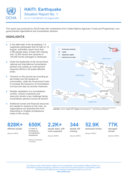
A 7.2-magnitude earthquake struck southwestern Haiti at 8:30am local time at a depth of around 10km. The epicentre was recorded around 12km northeast of SaintLouis-du-Sud, about 125km west of the capital Port-au-Prince.
● In the aftermath of the devastating 7.2-magnitude earthquake that hit Hai
...
ti on 14 August, authorities report more than 2,200 people dead, at least 344 missing, over 12,000 injured and upwards of 130,000 homes damaged or destroyed.
more
June 2021. Shock-responsive social protection (SRSP) operates in contexts where rapid on-set disasters mean needs for assistance are acute and urgent. Monitoring and identifying problems in programme design and delivery are therefore critical. However, there is limited existing guidance on how to mo
...
nitor shockresponsive social protection in these contexts.
This Brief aims to help fill this gap. It does not provide a blueprint for developing monitoring indicators, but it presents a guiding framework with key questions and key issues to consider when monitoring SRSP to understand how the intervention contributes to broader crisis response.
more
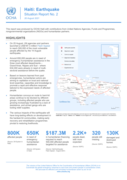
On 25 August, UN agencies and partners launched a US$187.3 million Flash Appeal to reach 500,000 of the most vulnerable people affected by the 14 August earthquake.
Around 650,000 people are in need of emergency humanitarian assistance in the three most affected departments – Grand’Anse, Nipp
...
es and Sud – where 634,000 were already in need of multisectoral assistance before the quake.
Based on lessons learned from past emergencies, humanitarian actors are aiming to capitalize on local and national level expertise, capacities and knowledge to promote a rapid and effective response tailored to the expressed needs of affected people.
more
In many conflicts around the world, more children die from diseases linked to unsafe water than from direct violence. UNICEF is releasing Water Under Fire volume 3, a report that highlights the issues children face in accessing water in times of war. The report demonstrates the humanitarian impact o
...
n children through case studies from Iraq, State of Palestine, Syria, Yemen, and Ukraine. Attacks on water, sanitation services and staff must stop.
more
Guía de práctica clínica: basada en la evidencia científica para la atención de la infección por VIH/Sida en adolescentes (con 13 años de edad o más) y adultos. (versión corta)
Ministerio de Salud y Protección Social, Colombia; Fondo de Poblaciones de las Naciones Unidas - UNFPA
Asociación Colombiana de Infectiologiá ACIN
(2014)
C1
