
Filter
2722
Text search:
Central
Europe
Featured
Recommendations
233
New Publications
418
Language
Document type
No document type
1301
Studies & Reports
717
Guidelines
287
Manuals
136
Strategic & Response Plan
77
Fact sheets
62
Training Material
41
Infographics
36
Situation Updates
35
Resource Platforms
14
Brochures
9
Online Courses
4
Dashboards/Maps
1
App
1
Videos
1
Countries / Regions
Western and Central Europe
376
Global
199
Eastern Europe
126
Eastern Europe and Central Asia
125
Russia
123
Ukraine
114
Germany
47
India
43
Latin America and the Carribbean
43
Syria
40
Africa
39
Asia
31
West and Central Africa
29
Ethiopia
25
Congo, Democratic Republic of
24
South Africa
24
Sierra Leone
23
Liberia
20
Uganda
19
East and Southern Africa
19
South–East Asia Region
19
Middle East and North Africa
18
Myanmar / Burma
16
Nigeria
15
Nepal
15
Tanzania
15
Kenya
14
Tajikistan
14
Albania
13
Rwanda
12
Brazil
12
Philippines
11
Bangladesh
11
Moldova
11
Guinea
10
Iraq
10
Zambia
10
Malawi
10
Burkina Faso
9
USA
9
Ghana
9
Afghanistan
9
Venezuela
9
Senegal
8
Somalia
8
South Sudan
8
Yemen
8
Cameroon
7
Pakistan
7
Lebanon
7
Turkey
7
Cambodia
7
Mozambique
7
Sudan
7
Namibia
7
North Macedonia
7
Greece
7
Kazakhstan
7
Georgia
7
Niger
6
Jordan
6
China
6
Colombia
6
Botswana
6
Poland
6
Uzbekistan
6
Kyrgyzstan
6
Zimbabwe
5
Indonesia
5
Hungary
5
Libya
5
Chile
5
Italy
5
Thailand
4
Central African Republic
4
Sri Lanka
4
Armenia
4
Iran
4
Vietnam
4
North America
4
Tunisia
4
Belarus
4
Haiti
3
Benin
3
Serbia
3
Western Pacific Region
3
Canada
3
Estonia
3
Romania
3
Turkmenistan
3
France
3
Mali
2
Morocco
2
Saudi Arabia
2
Peru
2
Switzerland
2
Croatia
2
Angola
2
Mexico
2
Palestine
2
Laos
2
Bulgaria
2
Lithuania
2
Slovakia
2
Bosnia and Herzegovina
2
Guinea-Bissau
1
Côte d’Ivoire / Ivory Coast
1
Egypt
1
Chad
1
Ireland
1
Papua New Guinea
1
Argentina
1
Eswatini/ Swaziland
1
Burundi
1
El Salvador
1
Bolivia
1
Madagascar
1
Lesotho
1
Timor Leste/ East Timor
1
Australia
1
Gabon
1
Denmark
1
Mauritius
1
United Kingdom
1
Portugal
1
Spain
1
Algeria
1
Azerbaijan
1
Latvia
1
Authors & Publishers
Publication Years
Category
Countries
573
Clinical Guidelines
177
Key Resources
143
Public Health
140
Women & Child Health
136
Capacity Building
34
Pharmacy & Technologies
15
Annual Report MEDBOX
3
Toolboxes
Mental Health
331
HIV
325
COVID-19
306
TB
213
Planetary Health
184
Refugee
134
AMR
99
Conflict
98
Disability
92
Global Health Education
85
Ebola & Marburg
63
Rapid Response
60
NTDs
59
Health Financing Toolbox
53
Caregiver
51
NCDs
47
Pharmacy
37
2.0 Rapid Response
34
Zika
21
Social Ethics
20
Specific Hazards
17
Polio
14
Malaria
14
Cholera
12
Natural Hazards
12
Typhoon
1
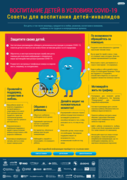
Воспитание детей при COVID-19
Советы родителям по воспитанию и мероприятия для всех возрастов
Parenting tips
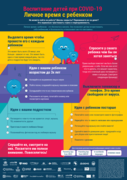
Воспитание детей при COVID-19
Советы родителям по воспитанию и мероприятия для всех возрастов
Parenting tips
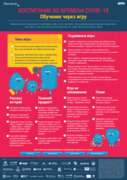
Воспитание детей при COVID-19
Советы родителям по воспитанию и мероприятия для всех возрастов:
Миллионы детей сталкиваются с перебоями в учебе и часто чувствуют себя
...
важные шаги по возобновлению работы школ
Each year, 33000 people die from an infection due to bacteria resistant to antibiotics. The burden of infections with bacteria resistant to antibiotics on the European population is comparable to that of influenza, tuberculosis and HIV/AIDS combined.
Сокращение потребления табака играет важную роль в глобальных усилиях по выполнению задачи ЦУР по сокращению преждевременной смертности от неинфекционных заболÐ
...

В статье качество жизни, релевантное здоровью, рассматривается как оценочная категория состояния субъекта в ситуации болезни, характеризующая параметры всех сосÑ
...
18 Janaury 2021
EU/EEA Member States and the UK have increased their laboratory capacity tremendously over the past 11 months as the majority of the Member States reported sufficient testing capacity until March 2021.
Many countries are adding rapid antigen detection tests (RADT) to their
...
MhGAP-IG – это примерное руководство, поэтому крайне важно адаптировать его в соответствии с уникальной национальной или местной ситуацией. Пользователи могут выбраÑ
...
Изучение представлений о злоупотреблении наркотиками в целом и о людях, злоупотребляющих наркотиками, в частности является первым важным шагом напути к лучшему пÐ
...
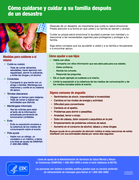
Después de un desastre, es importante que cuide su salud emocional.
Preste atención a la forma en que usted y su familia se sienten y actúan.
Cuidar su propia salud emocional lo ayudará a pensar con claridad y a
reaccionar a las necesidades urgentes para protegerse y proteger a su
familia. S
...
Good Practices in Mental Health & Well-being
Руководство предназначено для оказания помощи правительствам стран, в которых наблюдаются низкие уровни потребления контролируемых веществ, в исчислении их потр
...
Цель: проведение анализа психоэмоциональных расстройств у пациентов с рассеянным склерозом, не по-лучающих никакого лечения по поводу этих нарушений. Материал и м
...
This document aims to help EU/EEA public health authorities in the tracing and management of persons, including healthcare workers, who had contact with COVID-19 cases. It outlines the key steps of contact tracing, including contact identification, listing and follow-up, in the context of the COVID-
...
The European Medicines Agency (EMA) is evaluating potential COVID-19 treatments and vaccines to enable promising medicines to reach patients as soon as possible. It is also interacting with medicine developers and making use of real-world data to monitor the safety and effectiveness of medicines use
...
Агенциятана ЕС за наркотиците (EMCDDA) представя днес нови данни за повишена достъпност на кокаин в своя: Европейски доклад за наркотицитеза 2018 г.: Тенденции и развитиÑ
...
After a disaster, it is important to take care of your emotional health.
Pay attention to how you and your family members are feeling and
acting.
Taking care of your emotional health will help you think clearly and
react to urgent needs to protect yourself and your loved ones.
Follow these tips
...
This document provides guidance on infection prevention and control (IPC) measures for people with suspected or confirmed coronavirus disease (COVID-19) who are experiencing mild symptoms that do not require hospitalisation, therefore self-isolating at home.
