
Filter
906
Text search:
World
Health
Organization
(WHO),
Department
of
Mental
Health
and
Substance
Abuse
Featured
108
181
Language
Document type
551
113
95
73
29
26
13
3
1
1
1
Countries
35
31
23
22
21
20
16
14
14
13
13
11
11
11
10
10
9
9
9
8
7
7
7
6
6
6
5
5
5
4
3
3
3
3
3
3
3
3
3
2
2
2
2
2
2
2
2
2
2
2
2
2
2
2
2
2
1
1
1
1
1
1
1
1
1
1
1
1
1
1
1
1
1
1
1
1
1
1
1
1
1
1
1
1
1
1
1
1
1
1
1
1
1
1
1
Authors & Publishers
Publication Years
Category
248
56
50
49
38
16
5
Toolboxes
378
43
43
37
24
17
16
16
13
12
11
10
9
8
6
5
5
4
3
2
2
1
1
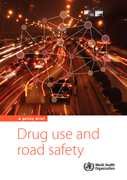
Psychoactive substance use affects the functioning of the brain and leads to impaired driving
Assessing and improving quality and human rights in mental health
...

The Country Cooperation Strategy is the World Health Organization (WHO)’s reference for countr
...
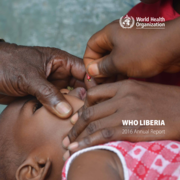
This year marked the beginning of the WHO biennium 2016-2017 action plan; this annual report highlights WHO’s key achievements in 2016
It also
...
Alcohol contributes significantly to the disease and mortality burden in the WHO European Region, and primary
...
The report “Dementia: a public health priority” has been jointly developed by WHO and Alzheimer's Disease International. The purpose
...
Tuberculosis (TB) is, and should be, a curable disease; however, each year significant numbers of patients acquire or develop drug-resistant TB, which has a much lower cure rate. Patients with
...
NEUROLOGY ATLAS presents for the first time, the most
comprehensive collection and compilation of information on
neurological resources across 109 countries. The results confirm
that the availabl
...
This document is intended for a wide audience including national and local policymakers, implementers and managers of national
...

The report aims to help policy-makers and programme managers identify the areas that need attention and to work towards effective implementation and
...

Enabling young children to achieve their full developmental potential is a human right and an essential requisite for sustainable development. Given the critical importance of enabling children to m
...

The strategic priorities of the CCS 2014–2018 are:
(1) Strengthening the health system.
(2) Enhancing the achievement of communicable d ...
(1) Strengthening the health system.
(2) Enhancing the achievement of communicable d ...
Alcohol misuses
Substance use disorders
Chapter G.1

WHO Model Formulary
recommended
For each medicine the Formulary provides information on use, dosage, adverse effects, contraindications and warnings, supplemented by guidance on selecting the right medicine for a range of conditio
...

Adolescence, defined as the period between 10 and 19 years of age, is a developmental stage during which many psychosocial and
...
This document provides interim recommendations for the surveillance of Zika virus infection, microcephaly and Guillain-Barré syndrome, in four different contexts
...

The primary audience for this guideline includes policy-makers or service providers who are responsible for developing national and local health-ca
...

Communities can play a critical role in suicide prevention. Facilitating community engagement in suicide prevention is an important task. The toolkit is a step-by-step guide for communities to engage in suicide prevention activities and have ownersh
...

Every year, around 830 000 children die from unintentional or "accidental" injuries. The vast majority of these injuries occur in low-income and middle-income countries. However, dozens
...
This handbook is intended primarily for front-line health care providers who are likely to see children (among other clients) in their day-to-day practice. These may include general practitioners, n
...
