Filter
1558
Text search:
policy
manager
Featured
133
516
Language
Document type
934
205
196
128
49
31
8
5
1
1
Countries
68
66
61
52
45
43
42
41
39
36
36
36
33
32
31
28
24
24
21
20
19
17
14
13
13
12
12
11
11
10
10
9
9
9
9
8
7
7
7
6
6
6
5
5
5
5
5
4
4
4
4
4
4
3
3
3
3
3
3
3
3
2
2
2
2
2
2
2
2
2
2
2
2
2
2
2
2
1
1
1
1
1
1
1
1
1
1
1
1
1
1
1
1
1
1
1
1
1
1
1
1
1
1
1
Authors & Publishers
Publication Years
Category
700
136
101
90
84
31
12
Toolboxes
129
106
71
62
61
45
40
38
38
37
37
32
28
28
20
20
18
17
13
12
9
9
8
6
5
1
The COVID-19 pandemic has exacerbated and added yet another layer of vulnerability to an already dire web of vulnerabilities of girls in the African continent, which constitute about 49% of the total child population. Critically, gender equality and girls’ multidimensional vulnerability have been
...
Global UNIDO Project: Strengthening the local production of essential medicines in least developed and developing countries
Promoting health and well-being throughout Europe

This publication is a compendium of 49 country examples highlighting efforts in improving refugees’ and migrants’ health following the adoption of the WHO Global Action Plan on Promoting the health of refugees and migrants at the seventy-second World Health Assembly, in May 2019.

This document contains guidance for strengthening the disability inclusiveness of MHPSS responses and programmes in emergency settings. It is intended to supplement the IASC Guidelines on Mental Health and Psychosocial Support in Emergency Settings (2007).
Overall Objective
To consider and add
...
This paper showed a large positive correlation coefficient between psychosocial health problems and dysfunctional abilities among rural community members
Aid Delivery Methods vol.1

English version - This handbook sets out a the new paradigm for pharmacy practice. Its aim is to guide pharmacy educators in pharmacy practice, to educate pharmacy students and to guide pharmacists in practice to update their skills. The handbook, which brings together practical tools and knowledge,
...
A Global Perspective
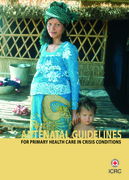
These guidelines are designed for ICRC and other health professionals – nurses, midwifes, doctors – who either lack experience in antenatal care or are not used to working in countries where medical infrastructure is underdeveloped or non-existent
Reference Manual for Programme Managers on Accreditation Process
Health Bulletin No.3
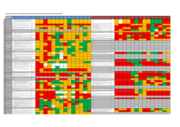
The dashboard is based on assessments made by the International Preparedness Strengthening missions to 14 priority countries against each of the activities outlined in the WHO EVD Checklist at the time of each mission. Updates indicating progress against each of the indicators will be added on an o
...
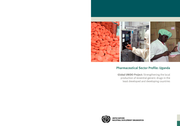
Global UNIDO Project: Strengthening the local production of essential generic drugs in the least developed and developing countries