
Filter
2255
Text search:
World
Health
Organization
WHO
Health
Cluster
Featured
Recommendations
225
New Publications
672
Language
Document type
No document type
1215
Studies & Reports
383
Guidelines
294
Manuals
133
Strategic & Response Plan
114
Situation Updates
48
Fact sheets
29
Training Material
24
Resource Platforms
8
Infographics
4
Brochures
1
Dashboards/Maps
1
Online Courses
1
Countries / Regions
Global
102
Nepal
59
Kenya
55
Sierra Leone
49
Nigeria
49
India
48
Bangladesh
46
Syria
45
Liberia
43
Myanmar / Burma
43
Ethiopia
41
Malawi
41
Africa
38
Uganda
37
Congo, Democratic Republic of
32
South Sudan
31
Yemen
30
Ukraine
29
South Africa
28
Mozambique
27
Zambia
26
Ghana
25
Tanzania
24
Zimbabwe
23
Rwanda
23
Haiti
21
Western and Central Europe
21
Philippines
20
Latin America and the Carribbean
19
Senegal
17
Russia
15
South–East Asia Region
14
Guinea
13
Pakistan
13
Afghanistan
13
West and Central Africa
13
Namibia
12
Brazil
12
East and Southern Africa
12
Burkina Faso
11
Somalia
11
Cambodia
11
Indonesia
11
Venezuela
11
Cameroon
10
Madagascar
10
Eastern Europe
10
Mali
9
Sudan
9
Central African Republic
9
Lesotho
9
Colombia
8
Middle East and North Africa
8
Niger
7
Palestine
7
Lebanon
6
Thailand
6
Eswatini/ Swaziland
6
Moldova
6
Jordan
4
Western Pacific Region
4
Eastern Europe and Central Asia
4
Asia
4
Laos
4
Guinea-Bissau
3
Iraq
3
Turkey
3
Hungary
3
Burundi
3
Botswana
3
Libya
3
Angola
3
Sri Lanka
3
Paraguay
3
Albania
3
Vietnam
3
Côte d’Ivoire / Ivory Coast
2
Morocco
2
Germany
2
Chad
2
Gambia
2
China
2
Papua New Guinea
2
Mexico
2
Poland
2
Armenia
2
Romania
2
Iran
2
Georgia
2
North America
2
Saudi Arabia
1
Togo
1
Malaysia
1
Mauritania
1
Benin
1
Argentina
1
Peru
1
North Macedonia
1
Croatia
1
Ecuador
1
Greece
1
Chile
1
Other region
1
Fiji
1
Bhutan
1
Italy
1
Southern Africa
1
Timor Leste/ East Timor
1
Tajikistan
1
Qatar
1
Bulgaria
1
Slovakia
1
Kyrgyzstan
1
Jamaica
1
Denmark
1
Mauritius
1
Tunisia
1
Norway
1
Portugal
1
Azerbaijan
1
Belarus
1
Authors & Publishers
Publication Years
Category
Countries
859
Key Resources
196
Women & Child Health
163
Clinical Guidelines
141
Public Health
134
Capacity Building
28
Pharmacy & Technologies
16
Toolboxes
COVID-19
242
HIV
144
Mental Health
131
Conflict
128
Ebola & Marburg
89
Disability
74
TB
70
Rapid Response
60
NTDs
60
Planetary Health
50
Natural Hazards
49
AMR
39
2.0 Rapid Response
38
Caregiver
37
Global Health Education
33
NCDs
32
Malaria
28
Cholera
27
Refugee
27
Pharmacy
18
Polio
17
Zika
17
Specific Hazards
15
Health Financing Toolbox
13
Typhoon
3
Social Ethics
2
South Sudan
1
Nationally, Senegal met the MDG target for water supply access. It did this by engaging the public and private sectors to effectively invest and report on investments. It focused on larger population centers, less on remote regions of the country. Its achievements set the stage for more equitable an
...
Lancet. 2014 June 28; 383(9936): 2253–2264. doi:10.1016/S0140-6736(13)61949-2. Review Article
There is no secret to our procedure: the daily scanning of the literature helps us to stay afloat in the never-ending waves of new publications about SARS-CoV-2 and COVID-19. Many papers discussed in the Top 10 will eventually make it into subsequent editions of COVID Reference.
COVID-19 infection affects all age groups including newborns, however, literature is scarce on the fetal and neonatal outcomes of babies exposed in-utero, especially in Africa. The objectiveof this study was to document the perinatal outcomes of COVID-19 pregnancies and del
...
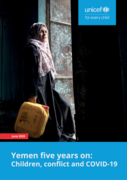
Millions of children in Yemen could be pushed to ‘the brink of starvation’ due to huge shortfalls in humanitarian aid funding amid the COVID-19 pandemic – according to a new UNICEF report marking more than five years since conflict escalated in the country.
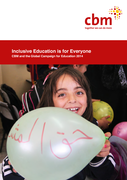
CBM and the Global Campaign for Education 2014
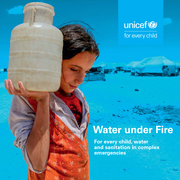
UNICEF trucks water to the camps where people displaced by the conflict have temporarily settled. UNICEF also installed latrines, showers and water storage tanks in the camps and distributed family hygiene kits to protect children against waterborne diseases.

The objectives of this guidance document are to:
1. Strengthen the capacity of country teams to effectively scale up and manage programmes to address severe acute malnutrition
2. Extend the geographic reach of quality treatment for SAM to all vulnerable communities in need
3. Maximize ...
1. Strengthen the capacity of country teams to effectively scale up and manage programmes to address severe acute malnutrition
2. Extend the geographic reach of quality treatment for SAM to all vulnerable communities in need
3. Maximize ...
Background paper 7
The Independent Panel for Pandemic Preparedness and Response
May 2021

A practical manual presenting the specific knowledge, skills and practices that First Aiders should have to act safely and effectively when caring for people caught up in armed conflicts and other situations of violence, such as internal disturbances and tensions.
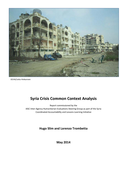
Report commissioned by the IASC Inter-Agency Humanitarian Evaluations Steering Group as part of the Syria Coordinated Accountability and Lessons Learning Initiative
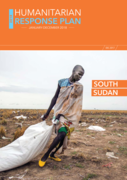
As of June 2019, the number of Venezuelans leaving their country reached 4 million, with Colombia, Peru, Chile, Ecuador and Brazil hosting the vast majority of Venezuelans in Latin America. The end of the first half of the year was marked by the announcement of tighter immigration measures in Peru
...
Global Report on Food Crises 2023
recommended
The Global Report on Food Crises (GRFC) 2023 highlights that the number of people experiencing high levels of acute food insecurity and requiring urgent food and livelihood assistance increased for the fourth consecutive year in 2022. Over a quarter of a billion people were estimated to face acute h
...
Myanmar is prone to various natural hazards that include earthquakes, floods, cyclones, droughts, fires, tsunamis, some of whichhave the potential to impact large numbers of people. In the event that large numbers of people are affected(such as was the case in 2008 following cyclone Nargis), the gov
...
Working with limited resources in armed conflict and other situations of violence. Vol.2
This report is not a formal evaluation, but rather a synthesis of the experiences, observations, and recommendations of a large group of experienced post-disaster shelter and recovery experts gathered from interviews, surveys, and direct discussions, and information derived from a desk review of the
...
