Filter
1018
Text search:
refugee
camps
Featured
Recommendations
118
New Publications
274
Language
Document type
No document type
521
Studies & Reports
195
Guidelines
119
Manuals
68
Strategic & Response Plan
45
Situation Updates
26
Fact sheets
23
Training Material
12
Brochures
2
Infographics
2
Online Courses
2
Videos
2
Resource Platforms
1
Countries / Regions
Syria
83
Bangladesh
59
Myanmar / Burma
53
Global
45
South Sudan
39
Ethiopia
29
Western and Central Europe
27
Lebanon
25
Kenya
25
Congo, Democratic Republic of
22
Rwanda
21
Uganda
18
Jordan
15
Nigeria
14
Africa
14
Afghanistan
11
Central African Republic
10
Yemen
10
Germany
9
Sudan
9
West and Central Africa
9
Liberia
8
Turkey
8
Tanzania
8
East and Southern Africa
8
Zambia
7
Ukraine
7
Palestine
7
Senegal
6
India
6
Somalia
6
Nepal
6
Iraq
6
South Africa
6
Greece
6
South–East Asia Region
6
Eastern Europe and Central Asia
6
Venezuela
6
Zimbabwe
5
Malawi
5
Middle East and North Africa
5
Sierra Leone
4
Ghana
4
Haiti
4
Cambodia
4
Burundi
4
Latin America and the Carribbean
4
Burkina Faso
3
Philippines
3
Pakistan
3
Mozambique
3
Colombia
3
Eastern Europe
3
Egypt
2
Thailand
2
Indonesia
2
Namibia
2
Botswana
2
Libya
2
Mexico
2
Asia
2
Moldova
2
Guinea
1
Mali
1
Cameroon
1
Niger
1
Togo
1
Chad
1
China
1
Singapore
1
Brazil
1
Croatia
1
Madagascar
1
Italy
1
Canada
1
Timor Leste/ East Timor
1
Vietnam
1
Authors & Publishers
Publication Years
Category
Countries
296
Key Resources
142
Women & Child Health
55
Clinical Guidelines
38
Public Health
34
Capacity Building
18
Annual Report MEDBOX
1
Toolboxes
COVID-19
151
Conflict
144
Refugee
119
Mental Health
82
Disability
67
TB
35
Natural Hazards
29
HIV
28
Planetary Health
26
Cholera
18
Rapid Response
14
Malaria
13
NTDs
12
Global Health Education
11
Polio
10
Ebola & Marburg
9
Caregiver
8
AMR
5
2.0 Rapid Response
5
Specific Hazards
4
Health Financing Toolbox
4
South Sudan
2
Pharmacy
2
Typhoon
1
Zika
1
Social Ethics
1
Globally, it is estimated that 128.6 million people are currently in need of humanitarian assistance. Of these individuals, approximately one-fourth are women and girls of reproductive age. Although family planning is one of the most life-saving, empowering, and cost-effective interventions for wome
...
Refugee 1 men and boys can be subjected to sexual and gender‑based violence (SGBV). Survivors have specific health, psychosocial, legal, and safety needs, but often find it hard to discuss their experience and access the support they need. It is i
...
UNICEF trucks water to the camps where people displaced by the conflict have temporarily settled. UNICEF also installed latrines, showers and water storage tanks in the camps and distributed family
...
Beyond borders. How to make the global compacts on migration and refugees work for uprooted children
The report presents successful case studies from around the world, including the implementation of minimum protection standards for refugee children in Germany, cross border child protection systems in West Africa, and finding alternatives to the de
...
The early prevention project “Strong together!” supports refugee parents and their young children (0–4 years) in Berlin, Germany. It aims to mitigate the transmission of trauma to the generation born in exile. For
...
Summary of key informant interviews with representatives of organizations providing, funding, or supporting WASH services to refugee populations
A consolidated set of reproductive health kits for use by humanitarian agencies. These kits are intended to speed up the provision of appropriate reproductive health services in emergency and refugee situations.
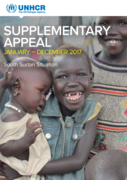
2,202,059* South Sudanese refugees in the region as of 31 October 2019 (preand post-Dec 2013 caseload).
65,669* South Sudanese refugee’s arrivals so far in 2019, with 4,389 refugee arrivals in
...
In northern Myanmar, nearly 100,000 people continue to live in displacement camps in Kachin and northern Shan States. Most were first displaced by fighting between the Myanmar military and the Kachin Independence Army in 2011, and many have been dis
...
Anywhere But Syria: How 10 Years of Conflict Left Syria’s Displaced Children Without a Sense of Home
After ten years of war, the vast majority of Syria’s children cannot imagine a future in their country, according to a new report by Save the Children. On average, 86% of Syrian refugee children surveyed in Jordan, Lebanon, Turkey and the Netherla
...
The following is a breakdown of key considerations to guide planning and resource allocation for COVID-19 preparedness and response to support UNHCR regional and country operations in Public Health, WASH, Shelter and Settlements programmes. While some of the activities are more relevant in
...
16 Days of Activism against gender-based violence campaign ended on 10 December. A series of events organized by UNHCR and other agencies operating in the Rohingya response increased attention on issues in particular affecting women and girls: The
...
The Cartagena Declaration on Refugees was adopted by the Colloquium on the International Protection of Refugees in Central America, Mexico and Panama on November 22, 1984. The declaration is a non-binding agreement but has been incorporated in refugee
...
This is only the cover of the book. Download the whole Toolkit at: www.cdc.gov/reproductivehealth/Refugee/
Understanding the reproductive health needs of conflict-affected women will enable organizations to implement and enhance programs and se
...
Section One
summarizes UNHCR’s mandate of international protecdtion and the aim and principles of emergency
response;
Section Two
deals with emergency management;
Section Three
covers the vital sectors and problem areas in refugee emergencie
...
The magnitude and complexity of these mental health conditions caused by prolonged and extensive trauma requires a diagnosis fitting the unique context of the Syrian conflict. Over half a million people have been killed since the beginning of the conflict in 2011, and more than 6.4 million are inter
...
Accessed: 27.04.2020
Leaving no one behind in the Covid-19 Pandemic: a call for urgent global action to include migrants & refugees in the Covid-19 response
People on the move, whether they are economic migrants or forcibly displaced persons such asylum seekers, refugees, and internally displa
...
Aligned to the Lancet Migration Global Statementto include migrants and refugees incountries’response toCOVID-192, this brief focuses onGreece’s challenges and opportunities to build an inclusive response. Asylum seekers and refugees in Greece are currently placed by the Greek governments in Rec
...
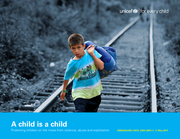
Children living in humanitarian crises face an increased risk of abuse. While the threats of harm are increasing, the established systems in place to protect them are breaking down. Faced with the COVID-19 pandemic and its impacts, vulnerable families suffer multiple hardships. Schools are closed an
...
Rwanda first confirmed cases of coronavirus disease 2019 (COVID-19) in March 2020. Although the number of cases has been low, health system resources are being redirected to respond and an increasing number of children are affected by the socio-economic impacts of the pandemic, including disruptions
...