Filter
1666
Text search:
Training
curriculum
Featured
94
504
Language
1596
42
24
15
11
8
6
6
6
3
2
2
1
1
1
1
1
1
1
1
1
1
1
1
1
1
1
1
1
1
Document type
1074
185
139
109
69
63
14
5
5
1
1
1
Countries / Regions
87
84
54
52
43
42
41
41
36
36
35
33
33
32
30
29
27
25
22
22
21
18
18
15
15
15
14
14
13
10
10
9
8
8
8
8
8
8
7
7
7
7
7
7
7
6
6
5
5
5
5
4
4
4
3
3
3
3
3
2
2
2
2
2
2
2
1
1
1
1
1
1
1
1
1
1
1
1
1
1
1
1
1
1
1
1
1
1
1
1
1
1
1
1
1
1
1
1
1
Authors & Publishers
126
51
51
51
46
46
44
36
34
33
24
17
17
16
13
13
12
11
11
10
10
9
9
9
9
8
8
8
8
8
7
7
7
7
7
7
6
6
6
6
5
5
5
5
5
5
5
5
5
5
5
5
5
4
4
4
4
4
4
4
4
4
4
4
4
4
4
4
3
3
3
3
3
3
3
3
3
3
3
3
3
3
3
3
3
3
3
3
3
3
3
3
3
3
3
3
3
3
3
3
3
3
3
3
3
3
3
3
2
2
2
2
2
2
2
2
2
2
2
2
2
2
2
2
2
2
2
2
2
2
2
2
2
2
2
2
2
2
2
2
2
2
2
2
2
2
2
2
2
2
2
2
2
2
2
2
2
2
2
2
2
2
2
2
2
2
2
2
2
2
2
2
2
2
2
2
2
2
2
2
2
2
2
2
2
2
2
2
2
2
2
2
2
2
2
2
2
2
2
2
2
2
2
2
2
2
2
2
2
2
2
2
2
2
2
2
2
2
2
1
1
1
1
1
1
1
1
1
1
1
1
1
1
1
1
1
1
1
1
1
1
1
1
1
1
1
1
1
1
1
1
1
1
1
1
1
1
1
1
1
1
1
1
1
1
1
1
1
1
1
1
1
1
1
1
1
1
1
1
1
1
1
1
1
1
1
1
1
1
1
1
1
1
1
1
1
1
1
1
1
1
1
1
1
1
1
1
1
1
1
1
1
1
1
1
1
1
1
1
1
1
1
1
1
1
1
1
1
1
1
1
1
1
1
1
1
1
1
1
1
1
1
1
1
1
1
1
1
1
1
1
1
1
1
1
1
1
1
1
1
1
1
1
1
1
1
1
1
1
1
1
1
1
1
1
1
1
1
1
1
1
1
1
1
1
1
1
1
1
1
1
1
1
1
1
1
1
1
1
1
1
1
1
1
1
1
1
1
1
1
1
1
1
1
1
1
1
1
1
1
1
1
1
1
1
1
1
1
1
1
1
1
1
1
1
1
1
1
1
1
1
1
1
1
1
1
1
1
1
1
1
1
1
1
1
1
1
1
1
1
1
1
1
1
1
1
1
1
1
1
1
1
1
1
1
1
1
1
1
1
1
1
1
1
1
1
1
1
1
1
1
1
1
1
1
1
1
1
1
1
1
1
1
1
1
1
1
1
1
1
1
1
1
1
1
1
1
1
1
1
1
1
1
1
1
1
1
1
1
1
1
1
1
1
1
1
1
1
1
1
1
1
1
1
1
1
1
1
1
1
1
1
1
1
1
1
1
1
1
1
1
1
1
1
1
1
1
1
1
1
1
1
1
1
1
1
1
1
1
1
1
1
1
1
1
1
1
1
1
1
1
1
1
1
1
1
1
1
1
1
1
1
1
1
1
1
1
1
1
1
1
1
1
1
1
1
1
1
1
1
1
1
1
1
1
1
1
1
1
1
1
1
1
1
1
1
1
1
1
1
1
1
1
1
1
1
1
1
1
1
1
1
1
1
1
1
1
1
1
1
1
1
1
1
1
1
1
1
1
1
1
1
1
1
1
1
1
1
1
1
1
1
1
1
1
1
1
1
1
1
1
1
1
1
1
1
1
1
1
1
1
1
1
1
1
1
1
1
1
1
1
1
1
1
1
1
1
1
1
1
1
1
1
1
1
1
1
1
1
1
1
1
1
1
1
1
1
1
1
1
1
1
1
1
1
1
1
1
1
1
1
1
1
1
1
1
1
1
1
1
1
1
1
1
1
1
1
1
1
1
1
1
1
1
1
1
1
1
1
1
1
1
1
1
1
1
1
1
1
1
1
1
1
1
1
1
1
1
1
1
1
1
1
1
1
1
1
1
1
1
1
1
1
1
1
1
1
1
1
1
1
1
1
1
1
1
1
1
1
1
1
1
1
1
1
1
1
1
1
1
1
1
1
1
1
1
1
1
1
1
1
1
1
1
1
1
1
1
1
1
1
1
1
1
1
1
1
1
1
1
1
1
1
1
1
1
1
1
1
1
1
1
1
1
1
1
1
1
1
1
1
1
1
1
1
1
1
1
1
1
1
1
1
1
1
1
1
1
1
1
1
1
1
1
1
1
1
1
1
1
1
1
1
1
1
1
1
1
1
1
1
1
1
1
1
1
1
1
1
1
1
1
1
1
1
1
1
1
1
1
1
1
1
1
1
1
1
1
1
1
1
1
1
1
1
1
1
1
1
1
1
1
1
1
1
1
1
1
1
1
1
1
1
1
1
1
1
1
1
1
1
1
1
1
1
1
1
1
1
1
1
1
1
1
1
1
1
1
1
1
1
1
1
1
1
1
1
1
1
1
1
1
1
1
1
1
1
1
1
1
1
1
1
1
1
1
1
1
1
1
1
1
1
1
1
1
1
1
1
1
1
1
1
1
1
1
1
1
1
1
1
1
1
1
1
1
1
1
1
1
1
1
1
1
1
1
1
1
1
1
1
1
1
1
1
1
1
1
1
1
1
1
1
1
1
1
1
1
1
1
1
1
1
1
1
1
1
1
1
1
1
1
1
1
1
1
1
1
1
1
1
1
1
1
1
1
1
1
1
1
1
1
1
1
1
1
1
1
1
1
1
1
1
1
1
1
1
1
1
1
1
1
1
1
1
1
1
1
1
1
1
1
1
1
1
1
1
1
1
1
1
1
1
1
1
1
1
1
1
1
1
1
1
1
1
1
1
1
1
1
1
1
1
1
1
1
1
1
1
1
1
1
1
1
1
1
1
1
1
1
1
1
1
1
1
1
1
1
1
1
1
1
1
1
1
1
1
1
1
1
1
1
1
1
1
1
1
1
1
1
1
1
1
1
1
1
1
1
1
1
1
1
1
1
1
1
1
1
1
1
1
1
1
1
1
1
1
1
1
1
1
1
1
1
1
1
1
1
1
1
1
1
1
1
1
1
1
1
1
1
1
1
1
1
1
1
1
1
1
1
1
1
1
1
1
1
1
1
1
1
1
1
1
1
1
1
1
1
1
1
1
1
1
1
1
1
1
1
1
1
1
1
1
1
1
1
1
1
1
1
1
1
1
1
1
1
1
1
1
1
1
1
1
1
1
1
1
1
1
1
1
1
1
1
1
1
1
1
1
1
1
1
1
1
1
1
1
1
1
1
1
1
1
1
1
1
1
1
1
1
1
1
1
1
1
1
1
1
1
1
1
1
1
1
1
1
1
1
1
1
1
1
1
1
1
1
1
1
1
1
1
1
1
1
1
1
1
1
1
1
1
1
1
1
1
1
1
1
1
1
1
1
1
1
1
1
1
1
1
1
1
1
1
1
1
1
1
1
1
1
1
1
1
1
1
1
1
1
1
1
1
1
1
1
1
1
1
1
1
1
1
1
1
1
1
1
1
1
1
1
1
1
1
1
1
1
1
1
1
1
1
1
1
1
1
1
1
1
1
1
1
1
1
1
1
1
1
1
1
1
1
1
1
1
1
1
1
1
1
1
1
1
1
1
1
1
1
1
1
1
Publication Years
311
1155
188
12
Category
787
135
120
77
74
71
10
Toolboxes
163
112
85
83
60
41
39
37
30
28
24
20
20
18
17
13
13
13
13
8
6
4
4
2
1
The package provides practical, concise yet crucial information about the impact of COVID-19 on daily teaching practices as well as tips and suggestions to improve safety, well-being and learning, with students in face-to-face or remote settings.
The package speaks directly to the teachers. It ca
...

n be adapted to their context and can be completed at the teachers’ own pace. It includes quizzes and a self-evaluation and planning tool to help teachers reflect on what they learned and what they still need to learn, encouraging them to keep learning!
more
Introduction Community health workers (CHWs) are increasingly being tasked to prevent and manage cardiovascular disease (CVD) and its risk factors in underserved populations in low-income and middle-income countries (LMICs); however, little is known about the required
...
training necessary for them to accomplish their role. This review aimed to evaluate the training of CHWs for the prevention and management of CVD and its risk factors in LMICs.
Methods A search strategy was developed in line with Preferred Reporting Items for Systematic Reviews and Meta-Analyses guidelines, and five electronic databases (Medline, Global Health, ERIC, EMBASE and CINAHL) were searched to identify peer-reviewed studies published until December 2016 on the training of CHWs for prevention or control of CVD and its risk factors in LMICs. Study characteristics were extracted using a Microsoft Excel spreadsheet and quality assessed using Effective Public Health Practice Project’s Quality Assessment Tool. The search, data extraction and quality assessment were performed independently by two researchers.
Results The search generated 928 articles of which 8 were included in the review. One study was a randomised controlled trial, while the remaining were before–after intervention studies. The training methods included classroom lectures, interactive lessons, e-learning and online support and group discussions or a mix of two or more. All the studies showed improved knowledge level post-training, and two studies demonstrated knowledge retention 6 months after the intervention.
Conclusion The results of the eight included studies suggest that CHWs can be trained effectively for CVD prevention and management. However, the effectiveness of CHW trainings would likely vary depending on context given the differences between studies (eg, CHW demographics, settings and training programmes) and the weak quality of six of the eight studies. Well-conducted mixed-methods studies are needed to provide reliable evidence about the effectiveness and cost-effectiveness of training programmes for CHWs.
more
Guidance for School-Based Psychosocial
Programmes for Teachers, Parents and Children
in Conflict and Postconflict Areas
This document has been developed to support countries develop and strengthen individualized peer support services in mental health and related areas. It addresses the provision of individualized peer support in the context of health services and the wider community.
Guidelines for Accreditation of private health facilities in Providing SBA Training
Maternal Health Division Ministry of Health and Family Welfare Government of India
(2009)
C1
Reference Manual for Programme Managers on Accreditation Process
EDUCATION WHITE PAPER 6
Раннее выявление туберкулеза среди представителейгрупп риска
Пособие по проведению тренинга
The adoption and the entry into force of the Convention on the Rights of Persons with Disabilities and its Optional Protocol challenge such attitudes and mark a profound shift in existing approaches towards disability.

This is the sixth of our 11-paper supplement entitled “Community Health Workers at the Dawn of New Era”. Expectations of community health workers (CHWs) have expanded in recent years to encompass a wider array
of services to numerous subpopulations, engage communities to collaborate with and to
...
assist health systems in responding to complex and sometimes intensive threats. In this paper, we explore a set of key considerations for training of CHWs in response to their enhanced and changing roles and provide actionable recommendations based on
current evidence and case examples for health systems leaders and other stakeholders to utilize.
more
Responses to epidemics, emergencies and disasters raise many ethical issues for the people involved, including public health specialists and policy makers. This training manual provides material on ethical issues in research, surveillance and patie
...
nt care in these difficult contexts.
more
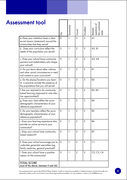
A quick assessment sheet, which would allow to know the Social Accountability score of your medical school or medical students’ association. This assessment tool is part of the IFMSA/THEnet Students’ Toolkit on Social Accountability in Medical Schools. Find the full toolkit, the explanatory tabl
...
es, and a list of tools at www.ifmsa.org/social-accountability.
more
This Community Health Systems (CHS) Catalog country profile is the 2016 update of a landscape
assessment that was originally conducted by the Advancing Partners & Communities (APC) project
in 2014. The CHS Catalog focuses on 25 countries deemed priority by the United States Agency for
Internation
...
al Development’s (USAID) Office of Population and Reproductive Health, and includes
specific attention to family planning (FP), a core focus of the APC project.
The update comes as many countries are investing in efforts to support the Sustainable Development
Goals and to achieve universal health coverage while modifying policies and strategies to better align
and scale up their community health systems.
The purpose of the CHS Catalog is to provide the most up-to-date information available on community
health systems based on existing policies and related documentation in the 25 countries. Hence, it does
not necessarily capture the realities of policy implementation or service delivery on the ground. APC
has made efforts to standardize the information across country profiles, however, content between
countries may vary due to the availability and quality of the data obtained from policy documents.
more
Technical Brief Workforce Development
recommended
The World Health Organization (WHO) projects a global shortfall of 18 million health workers by 2030, mostly in low- and lower-middle-income countries. Contributing to the global deficit are chronic under-investment in education and training of heal
...
th workers; workforce migration; an aging health workforce; rapid increases in chronic diseases; and inability to track existing human resources using health information systems. Health care worker shortages are compounded by the increased portability and virulence of infections. Rapid population growth, climate change, deforestation, international travel, migration, poverty, and social inequality have dramatically increased the risk of pandemics and highlighted the need for skilled health workforce to effectively respond to emerging health threats. This is evident now more than ever as COVID-19 exacerbates health inequity and barriers to access, and further strains the already fragile health systems in many countries.
more