
Filter
2261
Text search:
schedule
Featured
224
657
Language
2195
61
40
33
18
12
12
8
7
6
5
4
4
4
4
3
3
3
3
2
2
2
2
2
2
2
2
2
2
2
1
1
1
1
1
1
1
1
1
1
1
1
1
1
1
1
Document type
1298
344
209
171
83
68
49
15
10
8
3
2
1
Countries
206
87
64
61
59
52
50
45
44
43
41
37
36
35
32
32
30
28
25
22
20
18
17
17
15
14
13
12
12
11
11
10
10
9
9
9
9
7
7
7
7
6
5
5
5
5
4
4
4
4
4
4
4
4
4
4
3
3
3
3
3
3
3
3
3
2
2
2
2
2
2
2
2
2
1
1
1
1
1
1
1
1
1
1
1
1
1
1
1
1
1
1
1
1
1
1
1
1
1
1
1
1
1
1
1
1
1
1
1
1
1
1
1
Authors & Publishers
309
83
80
72
56
55
44
35
31
25
23
23
22
21
18
13
13
13
13
12
12
11
11
11
11
10
10
10
9
9
9
9
9
9
9
9
8
7
7
7
7
7
7
7
7
6
6
6
6
6
6
6
6
6
6
5
5
5
5
5
5
5
5
5
5
5
5
5
5
5
5
5
5
5
4
4
4
4
4
4
4
4
4
4
4
4
4
4
4
4
4
4
4
4
4
3
3
3
3
3
3
3
3
3
3
3
3
3
3
3
3
3
3
3
3
3
3
3
3
3
3
3
3
3
3
3
3
3
3
3
3
3
3
3
3
3
3
3
3
3
2
2
2
2
2
2
2
2
2
2
2
2
2
2
2
2
2
2
2
2
2
2
2
2
2
2
2
2
2
2
2
2
2
2
2
2
2
2
2
2
2
2
2
2
2
2
2
2
2
2
2
2
2
2
2
2
2
2
2
2
2
2
2
2
2
2
2
2
2
2
2
2
2
2
2
2
2
2
2
2
2
2
2
2
2
2
2
2
2
2
2
2
2
2
2
2
2
2
2
2
2
2
2
2
2
2
2
2
2
2
2
2
2
2
2
2
2
2
2
2
2
2
2
2
2
2
2
2
2
2
2
2
2
2
2
2
2
2
2
2
2
2
2
2
2
2
2
2
2
2
2
2
2
2
2
2
2
2
1
1
1
1
1
1
1
1
1
1
1
1
1
1
1
1
1
1
1
1
1
1
1
1
1
1
1
1
1
1
1
1
1
1
1
1
1
1
1
1
1
1
1
1
1
1
1
1
1
1
1
1
1
1
1
1
1
1
1
1
1
1
1
1
1
1
1
1
1
1
1
1
1
1
1
1
1
1
1
1
1
1
1
1
1
1
1
1
1
1
1
1
1
1
1
1
1
1
1
1
1
1
1
1
1
1
1
1
1
1
1
1
1
1
1
1
1
1
1
1
1
1
1
1
1
1
1
1
1
1
1
1
1
1
1
1
1
1
1
1
1
1
1
1
1
1
1
1
1
1
1
1
1
1
1
1
1
1
1
1
1
1
1
1
1
1
1
1
1
1
1
1
1
1
1
1
1
1
1
1
1
1
1
1
1
1
1
1
1
1
1
1
1
1
1
1
1
1
1
1
1
1
1
1
1
1
1
1
1
1
1
1
1
1
1
1
1
1
1
1
1
1
1
1
1
1
1
1
1
1
1
1
1
1
1
1
1
1
1
1
1
1
1
1
1
1
1
1
1
1
1
1
1
1
1
1
1
1
1
1
1
1
1
1
1
1
1
1
1
1
1
1
1
1
1
1
1
1
1
1
1
1
1
1
1
1
1
1
1
1
1
1
1
1
1
1
1
1
1
1
1
1
1
1
1
1
1
1
1
1
1
1
1
1
1
1
1
1
1
1
1
1
1
1
1
1
1
1
1
1
1
1
1
1
1
1
1
1
1
1
1
1
1
1
1
1
1
1
1
1
1
1
1
1
1
1
1
1
1
1
1
1
1
1
1
1
1
1
1
1
1
1
1
1
1
1
1
1
1
1
1
1
1
1
1
1
1
1
1
1
1
1
1
1
1
1
1
1
1
1
1
1
1
1
1
1
1
1
1
1
1
1
1
1
1
1
1
1
1
1
1
1
1
1
1
1
1
1
1
1
1
1
1
1
1
1
1
1
1
1
1
1
1
1
1
1
1
1
1
1
1
1
1
1
1
1
1
1
1
1
1
1
1
1
1
1
1
1
1
1
1
1
1
1
1
1
1
1
1
1
1
1
1
1
1
1
1
1
1
1
1
1
1
1
1
1
1
1
1
1
1
1
1
1
1
1
1
1
1
1
1
1
1
1
1
1
1
1
1
1
1
1
1
1
1
1
1
1
1
1
1
1
1
1
1
1
1
1
1
1
1
1
1
1
1
1
1
1
1
1
1
1
1
1
1
1
1
1
1
1
1
1
1
1
1
1
1
1
1
1
1
1
1
1
1
1
1
1
1
1
1
1
1
1
1
1
1
1
1
1
1
1
1
1
1
1
1
1
1
1
1
1
1
1
1
1
1
1
1
1
1
1
1
1
1
1
1
1
1
1
1
1
1
1
1
1
1
1
1
1
1
1
1
1
1
1
1
1
1
1
1
1
1
1
1
1
1
1
1
1
1
1
1
1
1
1
1
1
1
1
1
1
1
1
1
1
1
1
1
1
1
1
1
1
1
1
1
1
1
1
1
1
1
1
1
1
1
1
1
1
1
1
1
1
1
1
1
1
1
1
1
1
1
1
1
1
1
1
1
1
1
1
1
1
1
1
1
1
1
1
1
1
1
1
1
1
1
1
1
1
1
1
1
1
1
1
1
1
1
1
1
1
1
1
1
1
1
1
1
1
1
1
1
1
1
1
1
1
1
1
1
1
1
1
1
1
1
1
1
1
1
1
1
1
1
1
1
1
1
1
1
1
1
1
1
1
1
1
1
1
1
1
1
1
1
1
1
1
1
1
1
1
1
1
1
1
1
1
1
1
1
1
1
1
1
1
1
1
1
1
1
1
1
1
1
1
1
1
1
1
1
1
1
1
1
1
1
1
1
1
1
1
1
1
1
1
1
1
1
1
1
1
1
1
1
1
1
1
1
1
1
1
1
1
1
1
1
1
1
1
1
1
1
1
1
1
1
1
1
1
1
1
1
1
1
1
1
1
1
1
1
1
1
1
1
1
1
1
1
1
1
1
1
1
1
1
1
1
1
1
1
1
1
1
1
1
1
1
1
1
1
1
1
1
1
1
1
1
1
1
1
1
1
1
1
1
1
1
1
1
1
1
1
1
1
1
1
1
1
1
1
1
1
1
1
1
1
1
1
1
1
1
1
1
1
1
1
1
1
1
1
1
1
1
1
1
1
1
1
1
1
1
1
1
1
1
1
1
1
1
1
1
1
1
1
1
1
1
1
1
1
1
1
1
1
1
1
1
1
1
1
1
1
1
1
1
1
1
1
1
1
1
1
1
1
1
1
1
1
1
1
1
1
1
1
1
1
1
1
1
1
1
1
1
1
1
1
1
1
1
1
1
1
1
1
1
1
1
1
1
1
1
1
1
1
1
1
1
1
1
1
1
1
1
1
1
1
1
1
1
1
1
1
1
1
1
1
1
1
1
1
1
1
1
1
1
1
1
1
1
1
1
1
1
1
1
1
1
1
1
1
1
1
1
1
1
1
1
1
1
1
1
1
1
1
1
1
1
1
1
1
1
1
1
1
1
1
1
1
1
1
1
1
1
1
1
1
1
1
1
1
1
1
1
1
1
1
1
1
1
1
1
1
1
1
1
1
1
1
1
1
1
1
1
1
1
1
1
1
1
1
1
1
1
1
1
1
1
1
1
1
1
1
1
1
1
1
1
1
1
1
1
1
1
1
1
1
1
1
1
1
1
1
1
1
1
1
1
1
1
1
1
1
1
1
1
1
1
1
1
1
1
1
1
1
1
1
1
1
1
1
1
1
1
1
1
1
1
1
1
1
1
1
1
1
1
1
1
1
1
1
1
1
1
1
1
1
1
1
1
1
1
1
1
1
1
1
1
1
1
1
1
1
1
1
1
1
1
1
1
1
1
1
1
1
1
1
1
1
1
1
1
1
1
1
1
1
1
1
1
1
1
1
1
1
1
1
1
1
1
1
1
1
1
1
1
1
1
1
1
1
1
1
1
1
1
1
1
1
1
1
1
1
1
1
1
1
1
1
1
1
1
1
1
1
1
1
1
1
1
1
1
1
1
1
1
1
1
1
1
1
1
1
1
1
1
1
1
1
1
1
1
1
1
1
1
1
1
1
1
1
1
1
1
1
1
1
1
1
1
1
1
1
1
1
1
1
1
1
1
1
1
1
1
1
1
1
1
1
1
1
1
1
1
1
1
1
1
1
1
1
1
1
1
1
1
1
1
1
1
1
1
1
1
1
1
1
1
1
1
1
1
1
1
1
1
1
1
1
1
1
1
1
1
1
1
1
1
1
1
1
1
1
1
1
1
1
1
1
1
1
1
1
1
1
1
1
1
1
1
1
1
1
1
1
Publication Years
559
1374
310
16
1
1
Category
1030
189
162
140
120
102
15
Toolboxes
190
158
90
87
75
64
63
56
43
42
38
37
36
34
34
33
30
26
24
10
9
9
8
7
3
1
Last revised 2015.
The new WHODAS 2.0 supersedes WHODAS II and shows the following advantages:
- A generic assessment instrument for health and disability
- Used across all diseases, including mental, neurological and addictive disorders
- Short, simple and easy to administer (5 to 20 minutes)
- Applicable in both
...
clinical and general population settings
- A tool to produce standardized disability levels and profiles
- Applicable across cultures, in all adult populations
- Directly linked at the level of the concepts to the International
- Classification of Functioning, Disability and Health (ICF)
more
National Vaccination Schedule
The World Health Organization Disability Assessment Schedule (WHODAS 2.0) is a generic assessment instrument developed by WHO to provide a standardized method for measuring health and disability across cultures. It was developed from a comprehensive
...
set of International Classification of Functioning, Disability and Health (ICF) items that are sufficiently reliable and sensitive to measure the difference made by a given intervention.
more

This manual summarizes the methodology used to develop WHODAS 2.0 and the findings obtained when the schedule was applied to certain areas of general health, including mental and neurological disorders.
The manual will be useful to any researcher o
...
r clinician wishing to use WHODAS 2.0 in their practice. It includes the seven versions of WHODAS 2.0, which differ in length and intended mode of administration. It also provides general population norms; these allow WHODAS 2.0 values for certain subpopulations to be compared with those for the general population.
more
The most packed schedule of cyclical replenishments in global health multilateral institutions has the potential to also clash with competing interests fuelled by a packed election calendar. But health imperatives are not a winner gets all scenario.
...
The article provides a perspective on what needs to be done so as to reach out to all interests without compromising on the mission of tackling global health threats. It focuses on the 8th Grant Cycle of the Global Fund and offers suggestions on the way forward.
more
This revised trainer's guide contains a prototype training schedule for four days. Teaching and learning strategies are highly interactive, using participatory and experiential approach. Training outcomes include developing skills in assessment of c
...
lients for risk factors; conduct basic screening procedures and interpreting the results; holding health education sessions on risk factor modification; promoting healthy lifestyle; and mobilizing communities. The manual is divided into six modules.
more
This revised trainer's guide contains a prototype training schedule for four days. Teaching and learning strategies are highly interactive, using participatory and experiential approach. Training outcomes include developing skills in assessment of c
...
lients for risk factors; conduct basic screening procedures and interpreting the results; holding health education sessions on risk factor modification; promoting healthy lifestyle; and mobilizing communities. The manual is divided into six modules.
more
Version 1.1 July 2016
The purpose of this document is to describe standard operating procedures for viral load monitoring, including the schedule for viral load testing when used for routine monitoring of children, adolescents and adults on ART ... ; interpretation of results; patient management; and specimen collection, preparation and transport. This template document to be adapted for use in various contexts and is one component of a viral load monitoring toolkit, to be used in conjunction with ICAP’s Viral Load Monitoring Flipchart and Enhanced Adherence Treatment Plan. more
The purpose of this document is to describe standard operating procedures for viral load monitoring, including the schedule for viral load testing when used for routine monitoring of children, adolescents and adults on ART ... ; interpretation of results; patient management; and specimen collection, preparation and transport. This template document to be adapted for use in various contexts and is one component of a viral load monitoring toolkit, to be used in conjunction with ICAP’s Viral Load Monitoring Flipchart and Enhanced Adherence Treatment Plan. more
The objectives of pertussis surveillance are to:hmonitor disease burden and the impact of the pertussis vaccination programme, with a special focus on understanding the morbidity and mortality in children < 5 years of agehgenerate data to inform vaccine sc
...
hedule and delivery strategy decisions to optimize the impact of vaccinationhdetect and guide public health response to outbreaks of pertussis
more
Rabies is a public health problem in Asia and vaccine affordability is an issue.
There is no reduction in the number of persons seeking post-exposure prophylaxis.
The high cost of cell culture vaccines for intramuscular use is a limiting factor.
Intradermal rabies vaccination offers cost-effectiv
...
e alternative to intramuscular.
WHO recommended one week intradermal schedule will ensure good patient compliance.
more
These guidelines have been developed in simple, user-friendly language and they explain the procedures for patients’ access to and the safe management of Schedule I and II drugs that are necessary for the treatment and relief of moderate to severe
...
pain. They provide both procedures for acquisition and information on records or documents that are necessary to ensure that these medicines are made available and accessible to patients across the entire health care delivery system (i.e. from tertiary institutions to primary level) and ensuring prevention of illicit non-medical use.
more
The CBDRR Training Course is based on the CBDRR Step-by-Step Methodology and its main goal is to teach MRCS Field Staff and MRCS RCVs to use the CBDRR Manual document which acts as a support document for the implementation of CBDRR programs in Myanmar.
- In Part A, the course curriculum is pres ... ented and the participants can find a detailed schedule of their training. Furthermore, any additional information that is required by the participants such as accommodation during the training, the exact location of the training etc. will be included in Part A.
- In Part B, each of the sessions will be discussed separately. Key questions that participants should be able to answer after each session are posed and the participants are invited to note down their answer to each of the questions during or after each session to increase the learning effect.
- In Part C, the supporting training documents will be presented. more
- In Part A, the course curriculum is pres ... ented and the participants can find a detailed schedule of their training. Furthermore, any additional information that is required by the participants such as accommodation during the training, the exact location of the training etc. will be included in Part A.
- In Part B, each of the sessions will be discussed separately. Key questions that participants should be able to answer after each session are posed and the participants are invited to note down their answer to each of the questions during or after each session to increase the learning effect.
- In Part C, the supporting training documents will be presented. more
The CBDRR Training Course is based on the CBDRR Step-by-Step Methodology and its main goal is to teach MRCS Field Staff and MRCS RCVs to use the CBDRR Manual document which acts as a support document for the implementation of CBDRR programs in Myanmar.
- In Part A, the course curriculum is pres ... ented and the participants can find a detailed schedule of their training. Furthermore, any additional information that is required by the participants such as accommodation during the training, the exact location of the training etc. will be included in Part A.
- In Part B, each of the sessions will be discussed separately. Key questions that participants should be able to answer after each session are posed and the participants are invited to note down their answer to each of the questions during or after each session to increase the learning effect.
- In Part C, the supporting training documents will be presented. more
- In Part A, the course curriculum is pres ... ented and the participants can find a detailed schedule of their training. Furthermore, any additional information that is required by the participants such as accommodation during the training, the exact location of the training etc. will be included in Part A.
- In Part B, each of the sessions will be discussed separately. Key questions that participants should be able to answer after each session are posed and the participants are invited to note down their answer to each of the questions during or after each session to increase the learning effect.
- In Part C, the supporting training documents will be presented. more
COVID-19 vaccine tracker and landscape
recommended
The COVID-19 vaccine tracker and landscape compiles detailed information of each COVID-19 vaccine candidate in development by closely monitoring their progress through the pipeline.
The COVID-19 vaccine tracker:
Provides summary tables of COVID-19 vaccine candidates in both clinical and pre-
...
clinical development;
Provides analysis and visualization for several COVID-19 vaccine candidate categories;
Tracks the progress of each vaccine from pre-clinical, Phase 1, Phase 2 through to Phase 3 efficacy studies and including Phase 4 registered as interventional studies;
Provides links to published reports on safety, immunogenicity and efficacy data of the vaccine candidates;
Includes information on key attributes of each vaccine candidate and
Allows users to search for COVID-19 vaccines through various criteria such as vaccine platform, schedule of vaccination, route of administration, developer, trial phase and clinical endpoints.
The database is updated regularly - twice a week (Tuesday and Friday, 17:00 CET).
more
The Zambia Population Based HIV impact assessment of 2016, reported the prevalence of viral hepatitis in Zambia as ranging between 5.6% among adults aged 15 to 59% in the general population, and 7.1% among HIV infected individuals. It is estimated that the majority of persons with chronic hepatitis
...
B and/ or hepatitis C are unware of their infection and do not benefit from promotive, preventive and curative services designed to reduce onward transmission. Zambia introduced hepatitis B virus vaccine to the routine Under 5 vaccination schedule in 2005. Preliminary results from the ZAMPHIA indicate that hundreds of infections have been abated in children since then. However, its also clear that we continue to miss key opportunities to prevent transmission, diagnose and treat infections, prevent serious disease, and in many cases cure people. In addition, high risk groups inter alia health care workers still have limited access to the vaccine.
more

COVID-19 is rapidly spreading across the globe and all providers must be prepared to recognize, stabilize and treat patients with novel coronavirus infection. Following completion of this short course physicians, nurses, and other healthcare professionals will have a unified, evidenced-based approa
...
ch to saving the lives of patients with COVID-19, including those who are critically ill.
Learning modules are broken into short videos presented in a richly illustrated and compelling manner. The course is self paced and providers can schedule their learning to fit with their schedules. Topics include symptoms and signs in patients with COVID-19, early stabilization of patients, preventing the need for intubation, and ventilator management. The best evidence and guidelines are summarized while accompanying handouts provide written learning points and links to online resources. Simple infographics are available for providers to utilize within their care facilities to educate and promote optimal care across their entire institution.
more
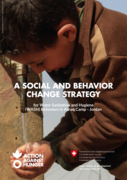
Azraq refugee camp located in Zarqa governorate was established in April 2014. As of June 2023, the camp continues to hosts 40,600 Syrian refugees, with 61% of the population children, and 25% of all households female-headed (UNHCR, 2023).
The water supply system in Azraq has been operational sin
...
ce 2017 across the four villages of the camp and consists of 300 tap stands, two boreholes and two storage locations (each with 16 T-95 steel tanks).
Based on data from UNICEF (2022), the community is provided on average 2100 cubic meters of safe, treated water a day, which is distributed across the camp via a gravity flow system. A distribution schedule is in place, with water pumped during two shift times each day in the morning and evening. Monthly data reported through ActivityInfo (2023) shows a range 53.5-76.3 million liters per month provided through the network in 2022 for an average of 57 liters/person/day – well above the locally agreed minimum standard of 35 liters/person/day and the SPHERE standard of 15 liters/person/day.
Latrine and shower facilities in the camp are organized through communal WASH blocks shared typically between three households and connected to water and greywater networks. However, based on an ACF and World Vision assessment (2022), 60% of the surveyed households are using private latrines (50% self-constructed latrines, and 10% constructed by WASH actors), 24% of households used communal latrines as private latrines not shared with other families, and 16% reported the use of communal latrines shared with other families.
more

Background: COVID-19 is a global public health crisis that affects all sectors; studying the impact of this pandemic on the delivery of cardiology services in Africa is crucial as COVID-19-related cardiovascular complications may worsen the CVD burden in this already highly affected and resource-lim
...
ited continent
Methods: This was a cross-sectional e-survey study conducted amongst cardiologists in African countries. The primary outcome was the change in service delivery in African cardiology units during the on-going COVID-19 pandemic. The secondary outcomes were the satisfaction of cardiologists with regards to the workload and factors associated with this satisfaction.
Results: There was a significant reduction in working time and the number of patients consulted by week during this pandemic (p<0.001). In general, there was a decrease in the overall activities in cardiovascular care delivery. The majority of cardiology services (76.5%) and consulting programs (85%) were adjusted to the pandemic. Only half of the participants were satisfied with their workload. Reconfiguration of the consultation schedule was associated with a reduced satisfaction of participants (p=0.02).
Conclusions: COVID-19 is associated with an overall reduction in cardiology services rendered in Africa. Since the cardiovascular burdens continue to increase in this part of the World and the risk of cardiovascular complications linked to SARS COV2 remains unchanged cardiology, departments in Africa should anticipate a significant surge of cardiology services demanded by patients after the COVID-19 pandemic.
more
Background
The core clinical symptoms of addiction include an enhanced incentive for drug taking (craving), impaired self-control (impulsivity and compulsivity), emotional dysregulation (negative mood) and increased stress reactivity. Symptoms related to impaired self-control involve reduced activi
...
ty in anterior cingulate cortex (ACC), adjacent prefrontal cortex (mPFC) and other brain areas. Behavioral training such as mindfulness meditation can increase the function of control networks including those leading to improved emotion regulation and thus may be a promising approach for the treatment of addiction.
Methods
In a series of randomized controlled trials (RCTs), we tested whether increased ACC/mPFC activity is related to better self-control abilities in executive functions, emotion regulation and stress response in healthy and addicted populations. After a brief mindfulness training (Integrative Body-Mind Training, IBMT), we used the Positive and Negative Affect Schedule (PANAS) and Profile of Mood States (POMS) to measure emotion regulation, salivary cortisol for the stress response and fMRI for brain functional and DTI structural changes. Relaxation training was used to serve as an active control.
Results
In both smokers and nonsmokers, improved self-control abilities in emotion regulation and stress reduction were found after training and these changes were related to increased ACC/mPFC activity following training. Compared with nonsmokers, smokers showed reduced ACC/mPFC activity in the self-control network before training, and these deficits were ameliorated after training.
Conclusions
These results indicate that promoting emotion regulation and improving ACC/mPFC brain activity can help for addiction prevention and treatment.
more
