
Filter
676
Featured
175
4
Language
Document type
318
88
85
42
40
32
21
12
10
10
9
5
4
Countries
47
47
36
31
21
20
19
18
17
14
14
14
13
12
11
11
10
9
8
6
6
6
5
5
5
5
5
4
4
4
3
3
3
3
3
3
2
2
2
2
2
2
2
2
2
2
2
2
1
1
1
1
1
1
1
1
1
1
1
1
1
1
1
1
1
1
1
1
1
1
1
1
1
1
1
1
1
1
1
Authors & Publishers
Publication Years
Category
234
111
25
8
7
6
2
Orientations provisoires
6 avril 2020
Le présent document résume les recommandations de l’OMS sur l’utilisation rationnelle de l’équipement de protection individuelle (EPI) dans les établissements de santé et lors des soins à domicile, ainsi que lors de la manipulation des cargaison
...
Orientations provisoires
1er avril 2020
Les États Membres doivent améliorer les pratiques d’hygiène des mains de manière ambitieuse afin d’aider à prévenir la transmission du virus de la COVID-19 :
1. en fournissant un accès universel à des postes publics d’hygiène des mains et
...
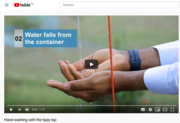
Hand washing with the tippy tap
recommended
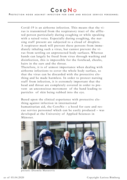
Hand washing is one of the best ways to prevent the spread of COVID-19. But not everyone has access to running water at all times. The tippy tap is one simple and safe way to wash your hands that is especially designed for areas with no running water
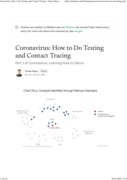
Our previous articles, Coronavirus: Why You Must Act Now, The Hammer and the Dance, and Out of Many, One have gathered over 60 million views together and have been translated into over 40 languages. This installment is part 3 (part 1 and part 2) of our 4th article, Learning How to Dance, a series th
...
Lignes directrices provisoires, 13 août 2020
L’OMS a établi cette brève note d’information pour répondre au besoin de recommandations sur la prestation sûre de soins à domicile aux patients présumés atteints de l’infection par le nouveau coronavirus (2019-nCoV) présentant des symptô
...
orientaciones provisionales, 23 de abril de 2020
Eau, assainissement, hygiène et gestion des déchets en rapport avec le virus responsable de la COVID-19
recommended
orientations provisoires, 23 avril 2020
Orientações provisórias23 de Abrilde2020
Водоснабжение, санитария, гигиена и обращение сотходами в контексте коронавирусной инфекции COVID-19
Временные рекомендации23апреля 2020г.
Orientations provisoires
29 février 2020
Le présent document vise à donner aux États Membres des orientations sur les mesures de placement en quarantaine des personnes dans le contexte de la COVID-19. Il s’adresse à toutes celles et tous ceux qui sont chargés de définir la politique lo
...
Lignes directrices provisoires
16 février 2020
Le présent document vise à fournir des conseils sur la détection et la prise en charge des voyageurs malades chez lesquels on suspecte une COVID-19, dans les aéroports, les ports et les postes-frontières internationaux, y compris dans les moy
...
Patients with suspected coronavirus disease 2019 (COVID-19) can infect others at any time, including during transfer and transport. COVID-19 is a new infectious disease that requires contact and droplet precautions; lapses in infection prevention and control (IPC) can easily happen at vulnerable mom
...
Primary care can play a significant role in the COVID-19 response by differentiating patients with respiratory symptoms from those with COVID-19, making an early diagnosis, helping vulnerable people cope with their anxiety about the virus, and reducing the demand for hospital services. This document
...
Algorithm for COVID-19 triage and referral
recommended
Efficient triage of patients with COVID-19 at all health facility levels (primary, secondary and tertiary) will help the national response planning and case management system cope with patient influx, direct necessary medical resources to efficiently support the critically ill and protect the safety
...
24 апреля 2020 г.
Рекомендации в отношении политики для Европейского региона ВОЗ
В настоящем документе описаны основные факторы, которые государствам-членам рекомÐ
...
In response to the COVID-19 outbreak, this guidance provides information on infection and prevention control (IPC) for older people, their friends and families, carers, and healthcare providers. Anyone who manages, works, volunteers or provides care at any type of facilities where older people recei
...
