
Filter
4386
Text search:
public
health
laboratory
Featured
504
1218
Language
4175
134
97
67
49
34
19
14
6
5
5
4
3
3
2
2
2
2
2
2
2
2
2
2
2
2
2
1
1
1
1
1
1
1
1
1
1
1
1
1
1
1
1
1
1
1
1
1
1
1
Document type
2114
810
715
257
238
96
70
48
16
7
6
3
2
1
1
Countries
235
178
137
126
120
110
107
97
95
91
85
85
72
71
65
64
61
54
52
50
42
39
39
38
37
36
35
35
34
29
28
27
25
23
23
22
22
21
21
18
17
17
15
15
15
14
14
14
12
12
11
11
11
10
10
9
8
7
6
6
6
6
6
6
6
6
6
5
5
5
5
5
5
4
4
4
4
4
4
4
4
4
4
3
3
3
3
3
3
3
3
3
3
2
2
2
2
2
2
2
2
2
2
2
2
2
2
2
2
2
2
1
1
1
1
1
1
1
1
1
1
1
1
1
1
1
1
1
1
1
1
1
1
1
1
1
1
1
1
1
1
1
1
Authors & Publishers
776
235
124
120
104
70
69
62
37
34
33
32
31
29
29
23
23
22
22
20
20
20
20
19
18
18
18
17
17
16
15
14
14
14
13
13
13
13
13
13
13
12
12
12
12
12
11
11
11
11
11
11
11
11
10
10
10
10
10
10
10
10
10
10
9
9
9
9
9
9
9
9
9
9
9
8
8
8
8
8
8
7
7
7
7
7
7
7
7
7
7
7
7
7
6
6
6
6
6
6
6
6
6
6
5
5
5
5
5
5
5
5
5
5
5
5
5
5
5
5
5
5
5
5
5
5
5
5
5
5
5
5
5
5
5
5
5
5
4
4
4
4
4
4
4
4
4
4
4
4
4
4
4
4
4
4
4
4
4
4
4
4
4
4
4
4
4
4
4
4
4
4
4
4
4
4
4
3
3
3
3
3
3
3
3
3
3
3
3
3
3
3
3
3
3
3
3
3
3
3
3
3
3
3
3
3
3
3
3
3
3
3
3
3
3
3
3
3
3
3
3
3
3
3
3
3
3
3
3
3
3
3
3
3
3
3
3
3
3
3
3
3
3
3
3
3
3
3
3
3
3
2
2
2
2
2
2
2
2
2
2
2
2
2
2
2
2
2
2
2
2
2
2
2
2
2
2
2
2
2
2
2
2
2
2
2
2
2
2
2
2
2
2
2
2
2
2
2
2
2
2
2
2
2
2
2
2
2
2
2
2
2
2
2
2
2
2
2
2
2
2
2
2
2
2
2
2
2
2
2
2
2
2
2
2
2
2
2
2
2
2
2
2
2
2
2
2
2
2
2
2
2
2
2
2
2
2
2
2
2
2
2
2
2
2
2
2
2
2
2
2
2
2
2
2
2
2
2
2
2
2
2
2
2
2
2
2
2
2
2
2
2
2
2
2
2
2
2
2
2
2
2
2
2
2
2
2
2
2
2
2
2
2
2
2
2
2
2
2
2
2
2
2
2
2
2
2
2
2
2
2
2
2
2
2
2
2
2
2
2
2
2
2
2
2
2
2
2
2
2
2
2
2
2
2
2
2
2
2
2
2
2
2
2
2
2
1
1
1
1
1
1
1
1
1
1
1
1
1
1
1
1
1
1
1
1
1
1
1
1
1
1
1
1
1
1
1
1
1
1
1
1
1
1
1
1
1
1
1
1
1
1
1
1
1
1
1
1
1
1
1
1
1
1
1
1
1
1
1
1
1
1
1
1
1
1
1
1
1
1
1
1
1
1
1
1
1
1
1
1
1
1
1
1
1
1
1
1
1
1
1
1
1
1
1
1
1
1
1
1
1
1
1
1
1
1
1
1
1
1
1
1
1
1
1
1
1
1
1
1
1
1
1
1
1
1
1
1
1
1
1
1
1
1
1
1
1
1
1
1
1
1
1
1
1
1
1
1
1
1
1
1
1
1
1
1
1
1
1
1
1
1
1
1
1
1
1
1
1
1
1
1
1
1
1
1
1
1
1
1
1
1
1
1
1
1
1
1
1
1
1
1
1
1
1
1
1
1
1
1
1
1
1
1
1
1
1
1
1
1
1
1
1
1
1
1
1
1
1
1
1
1
1
1
1
1
1
1
1
1
1
1
1
1
1
1
1
1
1
1
1
1
1
1
1
1
1
1
1
1
1
1
1
1
1
1
1
1
1
1
1
1
1
1
1
1
1
1
1
1
1
1
1
1
1
1
1
1
1
1
1
1
1
1
1
1
1
1
1
1
1
1
1
1
1
1
1
1
1
1
1
1
1
1
1
1
1
1
1
1
1
1
1
1
1
1
1
1
1
1
1
1
1
1
1
1
1
1
1
1
1
1
1
1
1
1
1
1
1
1
1
1
1
1
1
1
1
1
1
1
1
1
1
1
1
1
1
1
1
1
1
1
1
1
1
1
1
1
1
1
1
1
1
1
1
1
1
1
1
1
1
1
1
1
1
1
1
1
1
1
1
1
1
1
1
1
1
1
1
1
1
1
1
1
1
1
1
1
1
1
1
1
1
1
1
1
1
1
1
1
1
1
1
1
1
1
1
1
1
1
1
1
1
1
1
1
1
1
1
1
1
1
1
1
1
1
1
1
1
1
1
1
1
1
1
1
1
1
1
1
1
1
1
1
1
1
1
1
1
1
1
1
1
1
1
1
1
1
1
1
1
1
1
1
1
1
1
1
1
1
1
1
1
1
1
1
1
1
1
1
1
1
1
1
1
1
1
1
1
1
1
1
1
1
1
1
1
1
1
1
1
1
1
1
1
1
1
1
1
1
1
1
1
1
1
1
1
1
1
1
1
1
1
1
1
1
1
1
1
1
1
1
1
1
1
1
1
1
1
1
1
1
1
1
1
1
1
1
1
1
1
1
1
1
1
1
1
1
1
1
1
1
1
1
1
1
1
1
1
1
1
1
1
1
1
1
1
1
1
1
1
1
1
1
1
1
1
1
1
1
1
1
1
1
1
1
1
1
1
1
1
1
1
1
1
1
1
1
1
1
1
1
1
1
1
1
1
1
1
1
1
1
1
1
1
1
1
1
1
1
1
1
1
1
1
1
1
1
1
1
1
1
1
1
1
1
1
1
1
1
1
1
1
1
1
1
1
1
1
1
1
1
1
1
1
1
1
1
1
1
1
1
1
1
1
1
1
1
1
1
1
1
1
1
1
1
1
1
1
1
1
1
1
1
1
1
1
1
1
1
1
1
1
1
1
1
1
1
1
1
1
1
1
1
1
1
1
1
1
1
1
1
1
1
1
1
1
1
1
1
1
1
1
1
1
1
1
1
1
1
1
1
1
1
1
1
1
1
1
1
1
1
1
1
1
1
1
1
1
1
1
1
1
1
1
1
1
1
1
1
1
1
1
1
1
1
1
1
1
1
1
1
1
1
1
1
1
1
1
1
1
1
1
1
1
1
1
1
1
1
1
1
1
1
1
1
1
1
1
1
1
1
1
1
1
1
1
1
1
1
1
1
1
1
1
1
1
1
1
1
1
1
1
1
1
1
1
1
1
1
1
1
1
1
1
1
1
1
1
1
1
1
1
1
1
1
1
1
1
1
1
1
1
1
1
1
1
1
1
1
1
1
1
1
1
1
1
1
1
1
1
1
1
1
1
1
1
1
1
1
1
1
1
1
1
1
1
1
1
1
1
1
1
1
1
1
1
1
1
1
1
1
1
1
1
1
1
1
1
1
1
1
1
1
1
1
1
1
1
1
1
1
1
1
1
1
1
1
1
1
1
1
1
1
1
1
1
1
1
1
1
1
1
1
1
1
1
1
1
1
1
1
1
1
1
1
1
1
1
1
1
1
1
1
1
1
1
1
1
1
1
1
1
1
1
1
1
1
1
1
1
1
1
1
1
1
1
1
1
1
1
1
1
1
1
1
1
1
1
1
1
1
1
1
1
1
1
1
1
1
1
1
1
1
1
1
1
1
1
1
1
1
1
1
1
1
1
1
1
1
1
1
1
1
1
1
1
1
1
1
1
1
1
1
1
1
1
1
1
1
1
1
1
1
1
1
1
1
1
1
1
1
1
1
1
1
1
1
1
1
1
1
1
1
1
1
1
1
1
1
1
1
1
1
1
1
1
1
1
1
1
1
1
1
1
1
1
1
1
1
1
1
1
1
1
1
1
1
1
1
1
1
1
1
1
1
1
1
1
1
1
1
1
1
1
1
1
1
1
1
1
1
1
1
1
1
1
1
1
1
1
1
1
1
1
1
1
1
1
1
1
1
1
1
1
1
1
1
1
1
1
1
1
1
1
1
1
1
1
1
1
1
1
1
1
1
1
1
1
1
1
1
1
1
1
1
1
1
1
1
1
1
1
1
1
1
1
1
1
1
1
1
1
1
1
1
1
1
1
1
1
1
1
1
1
1
1
1
1
1
1
1
1
1
1
1
1
1
1
1
1
1
1
1
1
1
1
1
1
1
1
1
1
1
1
1
1
1
1
1
1
1
1
1
1
1
1
1
1
1
1
1
1
1
1
1
1
1
1
1
1
1
1
1
1
1
1
1
1
1
1
1
1
1
1
1
1
1
1
1
1
1
1
1
1
1
1
1
1
1
1
1
1
1
1
1
1
1
1
1
1
1
1
1
1
1
1
1
1
1
1
1
1
1
1
1
1
1
1
1
1
1
1
1
1
1
1
1
1
1
1
1
1
1
1
1
1
1
1
1
1
1
1
1
1
1
1
1
1
1
1
1
1
1
1
1
1
1
1
1
1
1
1
1
1
1
1
1
1
1
1
1
1
1
1
1
1
1
1
1
1
1
1
1
1
1
1
1
1
1
1
1
1
1
1
1
1
1
1
1
1
1
1
1
1
1
1
1
1
1
1
1
1
1
1
1
1
1
1
1
1
1
1
1
1
1
1
1
1
1
1
1
1
1
1
1
1
1
1
1
1
1
1
1
1
1
1
1
1
1
1
1
1
1
1
1
1
1
1
1
1
1
1
1
1
1
1
1
1
1
1
1
1
1
1
1
1
1
1
1
1
1
1
1
1
1
1
1
1
1
1
1
1
1
1
1
1
1
1
1
1
1
1
1
1
1
1
1
1
1
1
1
1
1
1
1
1
1
1
1
1
1
1
1
1
1
1
1
1
1
1
1
1
1
1
1
1
1
1
1
1
1
1
1
1
1
1
1
1
1
1
1
1
1
1
1
1
1
1
1
1
1
1
1
1
1
1
1
1
1
1
1
1
1
1
1
1
1
1
1
1
1
1
1
1
1
1
1
1
1
1
1
1
1
1
1
1
1
1
1
1
1
1
1
1
1
1
1
1
1
1
1
1
1
1
1
1
1
1
1
1
1
1
1
1
1
1
1
1
1
1
1
1
1
1
1
1
1
1
1
1
1
1
1
1
1
1
1
1
1
1
1
1
1
1
1
1
1
1
1
1
1
1
1
1
1
1
1
1
1
1
1
1
1
1
1
1
1
1
1
1
1
1
1
1
1
1
1
1
1
1
1
1
1
1
1
1
1
1
1
1
1
1
1
1
1
1
1
1
1
1
1
1
1
1
1
1
1
1
1
1
1
1
1
1
1
1
1
1
1
1
1
1
1
1
1
1
1
1
1
1
1
1
1
1
1
1
1
1
1
1
1
1
1
1
1
1
1
1
1
1
1
1
1
1
1
1
1
1
1
1
1
1
1
1
1
1
1
1
1
1
1
1
1
1
1
1
1
1
1
1
1
1
1
1
1
1
1
1
1
1
1
1
1
1
1
1
1
1
1
1
1
1
1
1
1
1
1
1
1
1
1
1
1
1
1
1
1
1
1
1
1
1
1
1
1
1
1
1
1
1
1
1
1
1
1
1
1
1
1
1
1
1
1
1
1
1
1
1
1
1
1
1
1
1
1
1
1
1
1
1
1
1
1
1
1
1
1
1
1
1
1
1
1
1
1
1
1
1
1
1
1
1
1
1
1
1
1
1
1
1
1
1
1
1
1
1
1
1
1
1
1
1
1
1
1
1
1
1
1
1
1
1
1
1
1
1
1
1
1
1
1
1
1
1
1
1
1
1
1
1
1
1
1
1
1
1
1
1
1
1
1
1
1
1
1
1
1
1
1
1
1
1
1
1
1
1
1
1
1
1
1
1
1
1
1
1
1
1
1
1
1
1
1
1
1
1
1
1
1
1
1
1
1
1
1
1
1
1
1
1
1
1
1
1
1
1
1
1
1
1
1
1
1
1
1
1
1
1
1
1
1
1
1
1
1
1
1
1
1
1
1
1
1
1
1
1
1
1
1
1
1
1
1
1
1
1
1
1
1
1
1
1
1
1
1
1
1
1
1
1
1
1
1
1
1
1
1
1
1
1
1
1
1
1
1
1
1
1
1
1
1
1
1
1
1
1
1
1
1
1
1
1
1
1
1
1
1
1
1
1
1
1
1
1
1
1
1
1
1
1
1
1
1
1
1
1
1
1
1
1
1
1
1
1
1
1
1
1
1
1
1
1
1
1
1
1
1
1
1
1
1
1
1
1
1
1
1
1
1
1
1
1
1
1
1
1
1
1
1
1
1
1
1
1
1
1
1
1
1
1
1
1
1
1
1
1
1
1
1
1
1
1
1
1
1
1
1
1
1
1
1
1
1
1
1
1
1
1
1
1
1
1
1
1
1
1
1
1
1
1
1
1
1
1
1
1
1
1
1
1
1
1
1
1
1
1
1
1
1
1
1
1
1
1
1
1
1
1
1
1
1
1
1
1
1
1
1
1
1
1
1
1
1
1
1
1
1
1
1
1
1
1
1
1
1
1
1
1
1
1
1
1
1
1
1
1
1
1
1
1
1
1
1
1
1
1
1
1
1
1
1
1
1
1
1
1
1
1
1
1
1
1
1
1
1
1
1
1
1
1
1
1
1
1
1
1
1
1
1
1
1
1
1
1
1
1
1
1
1
1
1
1
1
1
1
1
1
1
1
1
1
1
1
1
1
1
1
1
1
1
1
1
1
1
1
1
1
1
1
1
1
1
1
1
1
1
1
1
1
1
1
1
1
1
1
1
1
1
1
1
1
1
1
1
1
1
1
1
1
1
1
1
1
1
1
1
1
1
1
1
1
1
1
1
1
1
1
1
1
1
1
1
1
1
1
1
1
1
1
1
1
1
1
1
1
1
1
1
1
1
1
1
1
1
1
1
1
1
1
1
1
1
1
1
1
1
1
1
1
1
1
1
1
1
1
1
1
1
1
1
1
1
1
1
1
1
1
1
1
1
1
1
1
1
1
1
1
1
1
1
1
1
1
1
1
1
1
1
1
1
1
1
1
1
1
1
1
1
1
1
1
1
1
1
1
1
1
1
1
1
1
1
1
1
1
1
1
1
1
1
1
1
1
1
1
1
1
Publication Years
1459
2522
365
38
2
Category
1822
403
227
221
126
111
65
1
Toolboxes
462
370
247
246
227
158
148
117
115
108
88
79
75
72
62
54
51
40
39
36
32
31
28
21
2
1
Ethiopia Antimicrobial Resistance Surveillance Plan
You can download all diagnostic reference resources from the website: http://www.cdc.gov/dpdx/az.html
The GTFCC Laboratory Support for Public Health Surveillance document provides guidelines on using DNA-based molecular techniques for identifying an
...
d monitoring Vibrio cholerae strains in cholera outbreaks. It highlights the importance of genetic sequencing for tracking transmission, detecting new variants, and improving outbreak response. The report explains methods like PCR testing, whole genome sequencing (WGS), and multiple loci VNTR analysis (MLVA), detailing their advantages and applications. It also outlines best practices for sample collection, storage, and transportation, emphasizing collaboration between national and international laboratories to enhance cholera surveillance and control efforts.
more
Rabies is a fatal viral disease, but is preventable in humans. The rabies virus is transmitted to humans through virus-laden saliva from a rabid animal, mostly dogs. The virus is shed in the saliva of an infected animal and can be introduced into another body through bites, scratches and any other
...
wounds that transect the skin. Contact of the infected saliva with mucous membranes is also thought to be a possible route of infection, whereas contact of infected saliva with intact skin is not considered an exposure. Rabies is preventable through pre-exposure prophylaxis (PrEP) for individuals at high and continual risk, and post-exposure prophylaxis (PEP).
more
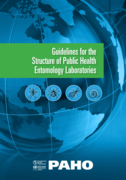
This document provides countries with recommendations for structuring a public health entomology laboratory network. The document will help countri
...
es to identify their areas of need and determine how the entomology network can be strengthened, especially in the context of a decentralized health system. The recommendations also consider the different degrees of development and different entomological research needed to support disease prevention and control activities.
more
OBJETIVO DE LA GUÍA
Describir los lineamientos técnicos de la vigilancia de tuberculosis por el laboratorio, así como los
procesos de obtención, recolección, procesamiento, transporte y conservación de muestras, y las
funciones que se realizan y articulan por todos los integra
...
ntes de la Red Nacional de Laboratorios.
more

The document “Public Health Surveillance for Cholera – Guidance Document (2024)” provides practical recommendations for countries on how to design, implement, and strengthen cholera surveillan
...
ce systems. Developed by the Global Task Force on Cholera Control (GTFCC), it outlines the minimum requirements for detecting, confirming, reporting, and monitoring cholera cases and outbreaks.
The guidance explains the core functions of cholera surveillance, including case detection, laboratory testing (such as RDTs, culture, and PCR), routine data collection, outbreak notification, case and field investigation, data analysis, and performance monitoring. It also describes how surveillance strategies should be adapted depending on whether a country is experiencing no outbreak, clustered transmission, or community transmission.
Overall, the document aims to help countries establish adaptive, fit-for-purpose surveillance systems that enable early outbreak detection, guide timely response measures, and support long-term cholera control and elimination efforts.
more
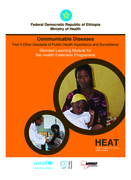
Communicable Diseases: Part 4 Other Diseases of Public Health Importance and Surveillance.
HEAT, UNICEF, Open University, AMREF
Ministry of Health, Federal Democratic Republic of Ethiopia
(2015)
C1
Blended Learning Modulef or the Health Extension Programme
In this study session, you will learn about the general features of faeco-oraldiseases: the main types commonly found in Ethiopia, their general symptomsand signs, how to treat mild cases a
...
nd when to refer patients with severeconditions for specialised treatment, or laboratory tests to confirm thediagnosis. You will also learn about the importance of giving effective healtheducation to your community on ways to prevent and control faeco-oraldiseases.
more

The role of environmental contamination in transmission of COVID-19 virus is currently not clear. This protocol has been designed to determine (viable) virus presence and persistence on fomites in various locations where a patient infected with COVID-19 is currently receiving care or being isolated,
...
and to understand how this may relate to COVID-19 transmission events in these settings. It is therefore important that it is done as part of a comprehensive outbreak investigation and that information obtained by environmental studies is combined with the results of epidemiological, laboratory and sequence data from COVID-19 patient investigations.
more
COVID-19: Training slides based on guidelines for case-finding, diagnosis, management and public health response in South Africa
Centre for Respiratory Diseases and Meningitis and Outbreak Response
National Department of Health, South Africa
(2020)
C2
Outline
• Welcome and objectives
• Microbiology, epidemiology and clinical presentation
• Surveillance for imported cases including case definitions
• Laboratory diagnosis • Infection prevention and hospital readiness
• Patient
...
flow and actions required at each step
• Co-ordinating a public health response
more
Zika and dengue viruses remain significant public health threats. These viruses share the same Aedes (Stegomyia) mosquito vectors and geographic distributions but infections cannot be readily distin
...
guished clinically and need to be differentiated from each other, and from other circulating arboviral and non-arboviral pathogens, using laboratory tests. This document provides guidance on current testing strategies for Zika and dengue virus infections with updates to the previous interim guidance for laboratory testing for ZIKV, addressing pregnant and non-pregnant patients respectively, and incorporates current guidance for dengue virus diagnostic testing. The choice of laboratory assays and interpretation of test results require careful consideration of epidemiology, patient history, and limitations of existing diagnostic tests.
This interim guidance is for use by staff of laboratories testing for Zika and dengue virus infections and for clinical practitioners and public health professionals providing clinical management or surveillance.
more
Rabies has an enormous impact on both agriculture and conservation biology, but its greatest burden is undeniably on public health. As such, routine methods for rapid risk assessment after human exp
...
osures to rabies as well as applications for laboratory-based surveillance, production of biologicals and management of this infectious disease are critical. Given its mandate to improve human health and control disease among its Member States, WHO has led the production of this fifth edition of Laboratory techniques in rabies.
more
The WHO Laboratory Biosafety Manual (LBM) has been in broad use at all levels of clinical and public health laboratories, and other biomedical sect
...
ors globally, serving as a de facto global standard that presents best practices and sets trends in biosafety.
The LBM4 suite consists of one core document and 7 subject-specific monographs which were developed in order to accommodate diverse interests and requests for learning more specific details, supplementing the core document. Readers are encouraged to start with the core document and learn the subject explained in each monograph accordingly.
more
Laboratory biosafety manual
recommended
4th edition
The WHO Laboratory Biosafety Manual (LBM) has been in broad use at all levels of clinical and public health laboratories, and other bi
...
omedical sectors globally, serving as a de facto global standard that presents best practices and sets trends in biosafety.
LBM encouraged countries to accept and implement basic concepts in biological safety and to develop national codes of practice for the safe handling of biological agents in laboratories within their geographical borders.
This fourth edition of the manual builds on the risk assessment framework introduced in the third edition. A thorough, evidence-based and transparent assessment of the risks allows safety measures to be balanced with the actual risk of working with biological agents on a case-by-case basis.
This novel evidence- and risk-based approach will allow optimised resource use and sustainable laboratory biosafety and biosecurity policies and practices that are relevant to their individual circumstances and priorities, enabling equitable access to clinical and public health laboratory tests and biomedical research opportunities without compromising safety.
more

Rabies has an enormous impact on both agriculture and conservation biology, but its greatest burden is undeniably on public health. As such, routine methods for rapid risk assessment after human exp
...
osures to rabies as well as applications for laboratory-based surveillance, production of biologicals and management of this infectious disease are critical. Given its mandate to improve human health and control disease among its Member States, WHO has led the production of this fifth edition of Laboratory techniques in rabies.
more
"Achieving, maintaining and improving accuracy, timeliness and reliability are major challenges for health laboratories. Countries worldwide committed themselves to build national capacities for the detection of, and response to,
...
public health events of international concern when they decided to engage in the International Health Regulations implementation process. Only sound management of quality in health laboratories will enable countries to produce test results that the international community will trust in cases of international emergency. This handbook is intended to provide a comprehensive reference on Laboratory Quality Management System for all stakeholders in health laboratory processes, from management, to administration, to bench-work laboratorians. This handbook covers topics that are essential for quality management of a public health or clinical laboratory. They are based on both ISO 15189 and CLSI GP26-A3 documents"--Page 7.
more
