Filter
1940
Text search:
Neglected
Diseases
Featured
176
376
Language
1797
149
134
58
52
33
33
26
3
2
1
1
1
1
1
1
1
1
1
1
1
1
1
1
1
1
1
1
1
1
Document type
716
539
194
105
101
84
73
41
24
19
16
10
9
7
2
Countries / Regions
244
52
46
35
34
32
31
30
29
27
25
22
21
19
18
17
16
16
16
15
14
14
13
13
12
11
11
11
10
10
9
9
9
8
8
7
7
7
7
6
6
6
5
5
5
5
4
4
4
4
4
4
3
3
3
3
3
2
2
2
2
2
2
2
2
2
2
2
2
2
2
2
2
1
1
1
1
1
1
1
1
1
1
1
1
1
1
1
1
1
1
1
1
1
1
1
1
1
1
1
1
1
1
1
1
1
Authors & Publishers
217
203
67
60
58
44
25
23
23
22
17
14
14
12
11
10
9
9
9
9
7
7
7
7
6
6
6
6
6
6
6
5
5
5
5
5
5
5
5
5
4
4
4
4
4
4
4
4
4
4
4
4
4
4
4
4
4
4
4
4
4
3
3
3
3
3
3
3
3
3
3
3
3
3
3
3
3
3
3
3
3
3
3
3
3
3
3
3
3
3
3
3
3
3
3
3
3
3
3
3
3
3
3
3
3
3
2
2
2
2
2
2
2
2
2
2
2
2
2
2
2
2
2
2
2
2
2
2
2
2
2
2
2
2
2
2
2
2
2
2
2
2
2
2
2
2
2
2
2
2
2
2
2
2
2
2
2
2
2
2
2
2
2
2
2
2
2
2
2
2
2
2
2
2
2
2
2
2
2
2
2
2
2
2
2
2
2
2
2
2
2
2
2
2
2
2
2
2
2
2
2
2
2
2
2
2
2
2
2
2
2
2
2
2
2
2
2
2
2
2
2
2
2
2
2
2
2
2
1
1
1
1
1
1
1
1
1
1
1
1
1
1
1
1
1
1
1
1
1
1
1
1
1
1
1
1
1
1
1
1
1
1
1
1
1
1
1
1
1
1
1
1
1
1
1
1
1
1
1
1
1
1
1
1
1
1
1
1
1
1
1
1
1
1
1
1
1
1
1
1
1
1
1
1
1
1
1
1
1
1
1
1
1
1
1
1
1
1
1
1
1
1
1
1
1
1
1
1
1
1
1
1
1
1
1
1
1
1
1
1
1
1
1
1
1
1
1
1
1
1
1
1
1
1
1
1
1
1
1
1
1
1
1
1
1
1
1
1
1
1
1
1
1
1
1
1
1
1
1
1
1
1
1
1
1
1
1
1
1
1
1
1
1
1
1
1
1
1
1
1
1
1
1
1
1
1
1
1
1
1
1
1
1
1
1
1
1
1
1
1
1
1
1
1
1
1
1
1
1
1
1
1
1
1
1
1
1
1
1
1
1
1
1
1
1
1
1
1
1
1
1
1
1
1
1
1
1
1
1
1
1
1
1
1
1
1
1
1
1
1
1
1
1
1
1
1
1
1
1
1
1
1
1
1
1
1
1
1
1
1
1
1
1
1
1
1
1
1
1
1
1
1
1
1
1
1
1
1
1
1
1
1
1
1
1
1
1
1
1
1
1
1
1
1
1
1
1
1
1
1
1
1
1
1
1
1
1
1
1
1
1
1
1
1
1
1
1
1
1
1
1
1
1
1
1
1
1
1
1
1
1
1
1
1
1
1
1
1
1
1
1
1
1
1
1
1
1
1
1
1
1
1
1
1
1
1
1
1
1
1
1
1
1
1
1
1
1
1
1
1
1
1
1
1
1
1
1
1
1
1
1
1
1
1
1
1
1
1
1
1
1
1
1
1
1
1
1
1
1
1
1
1
1
1
1
1
1
1
1
1
1
1
1
1
1
1
1
1
1
1
1
1
1
1
1
1
1
1
1
1
1
1
1
1
1
1
1
1
1
1
1
1
1
1
1
1
1
1
1
1
1
1
1
1
1
1
1
1
1
1
1
1
1
1
1
1
1
1
1
1
1
1
1
1
1
1
1
1
1
1
1
1
1
1
1
1
1
1
1
1
1
1
1
1
1
1
1
1
1
1
1
1
1
1
1
1
1
1
1
1
1
1
1
1
1
1
1
1
1
1
1
1
1
1
1
1
1
1
1
1
1
1
1
1
1
1
1
1
1
1
1
1
1
1
1
1
1
1
1
1
1
1
1
1
1
1
1
1
1
1
1
1
1
1
1
1
1
1
1
1
1
1
1
1
1
1
1
1
1
1
1
1
1
1
1
1
1
1
1
1
1
1
1
1
1
1
1
1
1
1
1
1
1
1
1
1
1
1
1
1
1
1
1
1
1
1
1
1
1
1
1
1
1
1
1
1
1
1
1
1
1
1
1
1
1
1
1
1
1
1
1
1
1
1
1
1
1
1
1
1
1
1
1
1
1
1
1
1
1
1
1
1
1
1
1
1
1
1
1
1
1
1
1
1
1
1
1
1
1
1
1
1
1
1
1
1
1
1
1
1
1
1
1
1
1
1
1
1
1
1
1
1
1
1
1
1
1
1
1
1
1
1
1
1
1
1
1
1
1
1
1
1
1
1
1
1
1
1
1
1
1
1
1
1
1
1
1
1
1
1
1
1
1
1
1
1
1
1
1
1
1
1
1
1
1
1
1
1
1
1
1
1
1
1
1
1
1
1
1
1
1
1
1
1
1
1
1
1
1
1
1
1
1
1
1
1
1
1
1
1
1
1
1
1
1
1
1
1
1
1
1
1
1
1
1
1
1
1
1
1
1
1
1
1
1
1
1
1
1
1
1
1
1
1
1
1
1
1
1
1
1
1
1
1
1
1
1
1
1
1
1
1
1
1
1
1
1
1
1
1
1
1
1
1
1
1
1
1
1
1
1
1
1
1
1
1
1
1
1
1
1
1
1
1
1
1
1
1
1
1
1
1
1
1
1
1
1
1
1
1
1
1
1
1
1
1
1
1
1
1
1
1
1
1
1
1
1
1
1
1
1
1
1
1
1
1
1
1
1
1
1
1
1
1
1
1
1
1
1
1
1
1
1
1
1
1
1
1
1
1
1
1
1
1
1
1
1
1
1
1
1
1
1
1
1
1
1
1
1
1
1
1
1
1
1
1
1
1
1
1
1
1
1
1
1
1
1
1
1
1
1
1
1
1
1
1
1
1
1
1
1
1
1
1
1
1
1
1
1
1
1
1
1
1
1
1
1
1
1
1
1
1
1
1
1
1
1
1
1
1
1
1
1
1
1
1
1
1
1
1
1
1
1
1
1
1
1
1
1
1
1
1
1
1
1
1
1
1
1
1
1
1
1
1
1
1
1
1
1
1
1
1
1
1
1
1
1
1
1
1
1
1
1
1
1
1
1
1
1
1
1
1
1
1
1
1
1
1
1
1
1
1
1
1
1
1
1
1
1
1
1
1
1
1
1
1
1
1
1
1
1
1
1
1
1
1
1
1
1
1
1
1
1
1
1
1
1
1
1
1
1
1
1
1
1
1
1
1
1
1
1
1
1
1
1
1
1
1
1
1
1
1
1
1
1
1
1
1
1
1
1
1
1
1
1
1
1
1
1
1
1
1
1
1
1
1
1
1
1
1
1
1
1
1
1
1
1
1
1
1
1
1
1
1
1
1
1
1
1
1
1
1
1
1
1
1
1
1
1
1
1
1
1
1
1
1
1
1
1
1
1
1
1
1
1
1
1
1
1
1
1
1
1
1
1
1
1
1
1
1
1
1
1
1
1
1
1
1
1
1
1
1
1
1
1
1
1
1
1
1
1
1
1
1
1
1
1
1
1
1
1
1
1
1
1
1
1
1
1
1
1
1
1
1
1
1
1
1
1
1
1
1
1
1
1
1
1
1
1
1
1
1
1
1
1
1
1
1
1
1
1
1
1
1
1
1
1
1
1
1
1
1
1
1
1
1
1
1
1
1
1
1
1
1
1
1
1
1
1
1
1
1
1
1
1
1
1
1
1
1
1
1
1
1
1
1
1
1
1
1
1
1
1
1
1
1
1
1
1
1
1
1
1
1
1
1
1
1
1
1
1
1
1
1
1
1
1
1
1
1
1
1
1
1
1
1
1
1
1
1
1
1
1
1
1
1
1
1
1
1
1
1
1
1
1
1
1
1
1
1
1
1
1
1
1
1
1
1
1
1
1
1
1
1
1
1
1
1
1
1
1
1
1
1
1
1
1
1
1
1
1
1
1
1
1
1
1
1
1
1
1
1
1
1
1
1
1
1
1
1
1
1
1
1
1
1
1
1
1
1
1
1
1
1
1
1
1
1
1
1
1
1
1
1
1
1
1
1
1
1
1
1
1
1
1
1
1
1
1
1
1
1
1
1
1
1
1
1
1
1
1
1
1
1
1
1
1
1
1
1
1
1
1
1
1
1
1
1
1
1
1
1
1
1
1
1
1
1
1
1
1
1
1
1
1
1
1
1
1
1
1
1
1
1
1
1
1
1
1
1
1
1
1
1
1
1
1
1
1
1
1
1
Publication Years
787
1032
108
13
Category
452
178
134
77
63
29
27
1
Toolboxes
712
90
75
68
60
56
54
52
38
31
31
30
30
26
25
19
17
13
12
12
10
10
9
7
3
Soil-transmitted helminth (STH) infections are among the most common infections worldwide with an estimated 1.5 billion infected people or 24% of the world’s population. These infections affect the poorest and most deprived communities with poor access to clean water, sanitation and hygiene in tro
...
pical and subtropical areas, with the highest prevalence reported from sub-Saharan Africa, China, South America and Asia. They are transmitted by eggs present in human faeces, which in turn contaminate soil in areas where sanitation is poor. Over 260 million preschool-age children, 654 million school-age children,108 million adolescent girls and 138.8 million pregnant and lactating women live in areas where these parasites are intensively transmitted, and are in need of treatment and preventive interventions.
more
Las geohelmintiasis son una de las parasitosis más comunes en el mundo, y se estima que 1500 millones de personas, el 24 % de la población mundial, están infestadas. Estas infestaciones afectan a las comunidades más pobres y desfavorecidas de zonas tropicales y subtropicales con un acceso defici
...
ente a servicios de agua limpia, saneamiento e higiene, y la prevalencia más alta se ha notificado en el África subsahariana, China, América del Sur y Asia. Las geohelmintiasis transmiten a través de los huevos de los parásitos eliminados con las heces fecales de las personas infestadas, que, a su vez, contaminan el suelo en zonas donde el saneamiento es deficiente. Más de 260 millones de niños en edad preescolar, 654 millones de niños en edad escolar, 108 millones de niñas adolescentes y 138,8 millones de embarazadas y madres lactantes viven en zonas donde la transmisión de esos parásitos es intensa y, por esa razón, necesitan tratamientos e intervenciones preventivas.
more
Les géohelminthiases comptent parmi les infections les plus courantes dans le monde, plus de 1,5 milliard de personnes, soit près de 24 % de la population mondiale, étant infestées à l’échelle mondiale. Ces infections touchent les communautés les plus pauvres et les plus défavorisées ayan
...
t un accès limité à l’eau potable, à l’assainissement et à l’hygiène dans les régions tropicales et subtropicales, la plus forte prévalence étant recensée en Afrique subsaharienne, en Chine, en Amérique du Sud et en Asie. Elles se transmettent par des œufs présents dans les excréments humains, qui contaminent les sols là où les conditions d’assainissement sont insuffisantes. Plus de 260 millions d’enfants d’âge préscolaire, 654 millions d’enfants d’âge scolaire, 108 millions d’adolescentes et 138,8 millions de femmes enceintes ou allaitantes vivent dans des zones où il existe une transmission à grande échelle de ces parasites et nécessitent un traitement et la mise en place de mesures préventives.
more
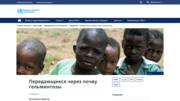
Передающиеся через почву гельминтозы (ППГ) относятся к наиболее распространенным инвазиям во всем мире и, согласно расчетам, поражают 1,5 млрд человек, или 24% мировоÐ
...
³о населения. Они поражают беднейшие и наиболее обездоленные группы населения, не имеющие полноценного доступа к чистому водоснабжению и санитарно-гигиеническим средствам, на территории тропических и субтропических районов и, по имеющимся данным, наиболее распространены в странах Африки к югу от Сахары, Китае, Южной Америке и Азии. Они передаются через яйца, присутствующие в фекалиях человека, которые в неблагополучных с санитарной точки зрения районах попадают в почву. В районах интенсивной передачи данных паразитов проживает более 260 млн детей дошкольного возраста, 654 млн детей школьного возраста, 108 млн девочек-подростков и 138,8 млн беременных и кормящих грудью женщин, все из которых нуждаются в лечении и профилактике.
more
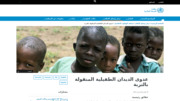
عد عدوى الديدان الطفيلية المنقولة بالتربة من بين أكثر أنواع العدوى شيوعاً في العالم، مع وجود ما يقدّر بـ1,5 مليار شخص مصاب بها في جميع أنحاء العالم، أو ما يعادل 24٪ من Ø
...
³كان العالم. وتؤثر هذه الإصابات على أفقر المجتمعات وأكثرها حرماناً، حيث تعاني هذه المجتمعات من ضعف فرص الحصول على المياه النظيفة والصرف الصحي والنظافة الصحية في المناطق المدارية وشبه المدارية، مع الإبلاغ عن أعلى معدل انتشار لها في أفريقيا جنوب الصحراء الكبرى والصين وأمريكا الجنوبية وآسيا. وتنتقل العدوى عن طريق البيوض الموجودة في البراز البشري الذي يلوث التربة في المناطق التي تعاني من رداءة مرافق الصرف الصحي. ويعيش أكثر من 260 مليون طفل في سن ما قبل المدرسة، و654 مليون طفل في سن المدرسة، و108 ملايين مراهق، و138,8 مليون حامل ومرضع في مناطق تنتقل فيها هذه الطفيليات بشكل مكثف، ويحتاجون إلى العلاج والتدخلات الوقائية.
more
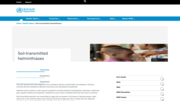
Soil-transmitted helminth (STH) infections are among the most common infections worldwide and affect the poorest and most deprived communities. They are transmitted by eggs present in human faeces which in turn contaminate soil in areas where sanitation is poor.
Mycetoma - Report by the Secretariat - WHO
Website last accessed on 08.05.2023
Identificar las formas de transmisión de la leishmaniasis - Youtube Video
Kala-azar (Visceral leishmaniasis),PKDL:Epidemiology,clinical features, investigations and treatment
Last accessed on 14.05.2023
Youtube - Video
Website last accessed on 14.05.2023
Youtube video

La enfermedad de Chagas y sus Principales Vectores en Brasil
Argolo, A.; Felix, M.; Pacheco, R. et al
Programa Integrado de la Enfermedad de Chagas PIDC - Instituto Oswaldo Cruz
(2008)
C2
Esta publicación tiene como objetivo fundamental, presentar en lenguaje claro y objetivo, informaciones actualizadas sobre las formas de transmisión de la
enfermedad, sus vectores, su ciclo biológico y métodos de control. Su contenido
se dirige, principalmente, a los técnicos y profesionales
...
brasileños que actúan en
el control y en la vigilancia de los vectores de la enfermedad de Chagas y por otro
lado, también a personas que no están familiarizadas con el tema. Entretanto, el
lenguaje simple y objetivo adoptado permite que la obra también pueda ser utilizada
por personas que no están familiarizadas con el asunto.
more
Website last accessed on 04.06.2023
Website last accessed on 04.06.2023
Youtube Video - Explainity

Website last accessed on 04.06.2023
Youtube Video

Website last accessed on 04.06.2023
Youtube Video
Video last accessed on 04.06.2023
Video Dailymotion
Website last accessed on 04.06.2023
Website last accessed on 07.06.2023
Stopleishmania.org is an initiative of the VISAVET Health Surveillance Centre (UCM), the National Centre of Microbiology (ISCIII), the Animal Protection Centre (Madrid City Council) and the Directorate of Public Health (Regional Government of Madrid). This proj
...
ect launches the possibility of collaboration with other research centres, feeding the site with updated information on this disease.
Leishmaniosis prevention and control should include novel communication strategies that must be easily accesible and would include new advances in the knowledge of the disease. Recently, other animals different than dogs have been described as competent reservoirs of Leishmania, playing an important epidemiological role in recent outbreaks in Europe and Asia. At the moment, most of the information available is fundamentally devoted to humans and dogs, and there is no a global approach to the disease, taking into account all possible reservoirs.
The contents are available in Spanish and English, and come from the knowledge and experience in the disease of the above mentioned organisms, including research and information outreach.
The result is a website mainly focused on dissemination of the fundamental aspects for the control and prevention of the disease, taking into account that leishmaniosis due to its zoonotic condition, requires a multidisciplinary vision in accordance with the "One Health" principles. The web is complemented by a collaborative tool where the registered research groups can present themselves and disseminate their research results, therefore providing updated information on the scientific advances in the disease control.
more
Fact Sheet