
Filter
2179
Text search:
urban
transport
Featured
184
717
Language
2115
63
27
20
12
11
9
6
2
2
2
2
2
1
1
1
1
1
Document type
1255
394
199
128
122
34
22
16
5
2
1
1
Countries
106
84
75
75
74
65
58
57
53
51
47
47
45
42
40
35
30
30
28
25
24
23
22
22
21
18
17
17
17
16
16
15
15
14
13
13
13
12
11
10
9
8
7
7
7
6
6
6
5
5
5
5
5
5
5
4
4
4
4
4
4
3
3
3
3
3
3
3
3
3
3
2
2
2
2
2
2
2
2
2
1
1
1
1
1
1
1
1
1
1
1
1
1
1
1
1
1
1
1
1
1
1
1
1
1
1
1
1
Authors & Publishers
224
79
52
49
40
38
37
32
14
13
13
11
11
11
11
11
10
10
10
10
10
10
9
9
9
8
8
8
8
7
7
7
7
7
7
7
7
7
7
7
7
6
6
6
6
6
6
6
6
6
6
6
6
6
6
6
6
6
5
5
5
5
5
5
5
5
5
5
5
5
5
5
5
5
5
5
5
5
4
4
4
4
4
4
4
4
4
4
4
4
4
4
4
4
4
4
4
4
4
4
4
4
4
4
4
4
4
3
3
3
3
3
3
3
3
3
3
3
3
3
3
3
3
3
3
3
3
3
3
3
3
3
3
3
3
3
3
3
3
3
3
3
3
3
3
3
3
3
3
3
3
3
3
3
3
3
3
3
3
3
3
3
3
3
3
2
2
2
2
2
2
2
2
2
2
2
2
2
2
2
2
2
2
2
2
2
2
2
2
2
2
2
2
2
2
2
2
2
2
2
2
2
2
2
2
2
2
2
2
2
2
2
2
2
2
2
2
2
2
2
2
2
2
2
2
2
2
2
2
2
2
2
2
2
2
2
2
2
2
2
2
2
2
2
2
2
2
2
2
2
2
2
2
2
2
2
2
2
2
2
2
2
2
2
2
2
2
2
2
2
2
2
2
2
2
2
2
2
2
2
2
2
2
2
2
2
2
2
2
2
2
2
2
2
2
2
2
2
1
1
1
1
1
1
1
1
1
1
1
1
1
1
1
1
1
1
1
1
1
1
1
1
1
1
1
1
1
1
1
1
1
1
1
1
1
1
1
1
1
1
1
1
1
1
1
1
1
1
1
1
1
1
1
1
1
1
1
1
1
1
1
1
1
1
1
1
1
1
1
1
1
1
1
1
1
1
1
1
1
1
1
1
1
1
1
1
1
1
1
1
1
1
1
1
1
1
1
1
1
1
1
1
1
1
1
1
1
1
1
1
1
1
1
1
1
1
1
1
1
1
1
1
1
1
1
1
1
1
1
1
1
1
1
1
1
1
1
1
1
1
1
1
1
1
1
1
1
1
1
1
1
1
1
1
1
1
1
1
1
1
1
1
1
1
1
1
1
1
1
1
1
1
1
1
1
1
1
1
1
1
1
1
1
1
1
1
1
1
1
1
1
1
1
1
1
1
1
1
1
1
1
1
1
1
1
1
1
1
1
1
1
1
1
1
1
1
1
1
1
1
1
1
1
1
1
1
1
1
1
1
1
1
1
1
1
1
1
1
1
1
1
1
1
1
1
1
1
1
1
1
1
1
1
1
1
1
1
1
1
1
1
1
1
1
1
1
1
1
1
1
1
1
1
1
1
1
1
1
1
1
1
1
1
1
1
1
1
1
1
1
1
1
1
1
1
1
1
1
1
1
1
1
1
1
1
1
1
1
1
1
1
1
1
1
1
1
1
1
1
1
1
1
1
1
1
1
1
1
1
1
1
1
1
1
1
1
1
1
1
1
1
1
1
1
1
1
1
1
1
1
1
1
1
1
1
1
1
1
1
1
1
1
1
1
1
1
1
1
1
1
1
1
1
1
1
1
1
1
1
1
1
1
1
1
1
1
1
1
1
1
1
1
1
1
1
1
1
1
1
1
1
1
1
1
1
1
1
1
1
1
1
1
1
1
1
1
1
1
1
1
1
1
1
1
1
1
1
1
1
1
1
1
1
1
1
1
1
1
1
1
1
1
1
1
1
1
1
1
1
1
1
1
1
1
1
1
1
1
1
1
1
1
1
1
1
1
1
1
1
1
1
1
1
1
1
1
1
1
1
1
1
1
1
1
1
1
1
1
1
1
1
1
1
1
1
1
1
1
1
1
1
1
1
1
1
1
1
1
1
1
1
1
1
1
1
1
1
1
1
1
1
1
1
1
1
1
1
1
1
1
1
1
1
1
1
1
1
1
1
1
1
1
1
1
1
1
1
1
1
1
1
1
1
1
1
1
1
1
1
1
1
1
1
1
1
1
1
1
1
1
1
1
1
1
1
1
1
1
1
1
1
1
1
1
1
1
1
1
1
1
1
1
1
1
1
1
1
1
1
1
1
1
1
1
1
1
1
1
1
1
1
1
1
1
1
1
1
1
1
1
1
1
1
1
1
1
1
1
1
1
1
1
1
1
1
1
1
1
1
1
1
1
1
1
1
1
1
1
1
1
1
1
1
1
1
1
1
1
1
1
1
1
1
1
1
1
1
1
1
1
1
1
1
1
1
1
1
1
1
1
1
1
1
1
1
1
1
1
1
1
1
1
1
1
1
1
1
1
1
1
1
1
1
1
1
1
1
1
1
1
1
1
1
1
1
1
1
1
1
1
1
1
1
1
1
1
1
1
1
1
1
1
1
1
1
1
1
1
1
1
1
1
1
1
1
1
1
1
1
1
1
1
1
1
1
1
1
1
1
1
1
1
1
1
1
1
1
1
1
1
1
1
1
1
1
1
1
1
1
1
1
1
1
1
1
1
1
1
1
1
1
1
1
1
1
1
1
1
1
1
1
1
1
1
1
1
1
1
1
1
1
1
1
1
1
1
1
1
1
1
1
1
1
1
1
1
1
1
1
1
1
1
1
1
1
1
1
1
1
1
1
1
1
1
1
1
1
1
1
1
1
1
1
1
1
1
1
1
1
1
1
1
1
1
1
1
1
1
1
1
1
1
1
1
1
1
1
1
1
1
1
1
1
1
1
1
1
1
1
1
1
1
1
1
1
1
1
1
1
1
1
1
1
1
1
1
1
1
1
1
1
1
1
1
1
1
1
1
1
1
1
1
1
1
1
1
1
1
1
1
1
1
1
1
1
1
1
1
1
1
1
1
1
1
1
1
1
1
1
1
1
1
1
1
1
1
1
1
1
1
1
1
1
1
1
1
1
1
1
1
1
1
1
1
1
1
1
1
1
1
1
1
1
1
1
1
1
1
1
1
1
1
1
1
1
1
1
1
1
1
1
1
1
1
1
1
1
1
1
1
1
1
1
1
1
1
1
1
1
1
1
1
1
1
1
1
1
1
1
1
1
1
1
1
1
1
1
1
1
1
1
1
1
1
1
1
1
1
1
1
1
1
1
1
1
1
1
1
1
1
1
1
1
1
1
1
1
1
1
1
1
1
1
1
1
1
1
1
1
1
1
1
1
1
1
1
1
1
1
1
1
1
1
1
1
1
1
1
1
1
1
1
1
1
1
1
1
1
1
1
1
1
1
1
1
1
1
1
1
1
1
1
1
1
1
1
1
1
1
1
1
1
1
1
1
1
1
1
1
1
1
1
1
1
1
1
1
1
1
1
1
1
1
1
1
1
1
1
1
1
1
1
1
1
1
1
1
1
1
1
1
1
1
1
1
1
1
1
1
1
1
1
1
1
1
1
1
1
1
1
1
1
1
1
1
1
1
1
1
1
1
1
1
1
1
1
1
1
1
1
1
1
1
1
1
1
1
1
1
1
1
1
1
1
1
1
1
1
1
1
1
1
1
1
1
1
1
1
1
1
1
1
1
1
1
1
1
1
1
1
1
1
1
1
1
1
1
1
1
1
1
1
1
1
1
1
1
1
1
1
1
1
1
1
1
1
1
1
1
1
1
1
1
1
1
1
1
1
1
1
1
1
1
1
1
1
1
1
1
1
1
1
1
1
1
1
1
1
1
1
1
1
1
1
1
1
1
1
1
1
1
1
1
1
1
1
1
1
1
1
1
1
1
1
1
1
1
1
1
1
1
1
1
1
1
1
1
1
1
1
1
1
1
1
1
1
1
1
1
1
1
1
1
1
1
1
1
1
1
1
1
1
1
1
1
1
1
1
1
1
1
1
1
1
1
1
1
1
1
1
1
1
1
1
1
1
1
1
1
1
1
1
1
1
1
1
1
1
1
1
1
1
1
1
1
1
1
1
1
1
1
1
1
1
1
1
1
1
1
1
1
1
1
1
1
1
1
1
1
1
1
1
1
1
1
1
1
1
1
1
1
1
1
1
1
1
1
1
1
1
1
1
1
1
1
1
1
1
1
1
1
1
1
1
1
1
1
1
1
1
1
1
1
1
1
1
1
1
1
1
1
1
1
1
1
1
1
1
1
1
1
1
1
1
1
1
1
1
1
1
1
1
1
1
1
1
1
1
1
1
1
1
1
1
1
1
1
1
1
1
1
1
1
1
1
1
1
1
1
1
1
1
1
1
1
1
1
1
1
1
1
1
1
1
1
1
1
1
1
1
1
1
1
1
1
1
1
1
1
1
1
1
1
1
1
1
1
1
1
1
1
1
1
1
1
1
1
1
1
1
1
1
1
1
1
1
1
1
1
1
1
1
1
1
1
1
1
1
1
1
1
1
1
1
Publication Years
561
1401
199
17
1
Category
1022
186
146
88
72
24
7
Toolboxes
192
167
126
88
85
83
74
67
59
42
41
40
38
37
34
25
23
23
20
17
14
10
10
9
4
2

The report identifies major global gaps in WASH services: one third of health care facilities do not have what is needed to clean hands where care is provided; one in four facilities have no water services, and 10% have no sanitation services. This means that 1.8 billion people use facilities that l
...
ack basic water services and 800 million use facilities with no toilets. Across the world’s 47 least-developed countries, the problem is even greater: half of health care facilities lack basic water services. Furthermore, the extent of the problem remains hidden because major gaps in data persist, especially on environmental cleaning.
This report also describes the global and national responses to the 2019 World Health Assembly resolution on WASH in health care facilities. More than 70% of countries have conducted related situation analyses, 86% have updated and are implementing standards and 60% are working to incrementally improve infrastructure and operation and maintenance of WASH services. Case studies from 30 countries demonstrate that progress is being propelled by strong national leadership and coordination, use of data to direct resources and action, and the mutual benefits of empowering health workers and communities to develop solutions together.
more
For humanitarian organisations to respond effectively to complex crises, they require access to up-to-date evidence-based guidance. The COVID-19 crisis has highlighted the importance of updating global guidance to context-specific and evolving needs in humanitarian settings. Our study aimed to under
...
stand the use of evidence-based guidance in humanitarian responses during COVID-19. Primary data collected during the rapidly evolving pandemic sheds new light on evidence-use processes in humanitarian response.
more

Using Epidemiology to Support Primary Health Care. Updated version of the WHO handbook published in the early 1990's entitled: Manual of Epidemiology for District Health Management or those with an interest in applied epidemiology in primary health care and district health systems
The Strategic Tool for Assessing Risks (STAR) offers a comprehensive, easy-to-use toolkit and approach to enable national and subnational governments to rapidly conduct a strategic and evidence-based assessment of public health risks for planning and prioritization of health emergency preparedness a
...
nd disaster risk management activities. This guidance describes the principles and methodology of STAR to enhance its adaptation and use at the national or subnational levels.
more
This South-East Asia Regional Strategy for Primary Health Care: 2022-2030 aims to accelerate progress in all countries of the Region towards universal health coverage (UHC), health security and the health-related Sustainable Development Goals (SDGs). It is intended to provide Member States with guid
...
ance on facilitating PHC-orientation through the identification of seven values and 12 strategic actions that collectively embody the philosophy and practice of PHC, enunciated in the 1978 Declaration of Alma-Ata and reaffirmed in the 2018 Declaration of Astana.
more
The World Health Organization (WHO) has identified mental health as an integral component of the COVID-19 response. Its rapid assessment of service delivery for mental, neurological and substance use (MNS) disorders during the COVID-19 pandemic, on which this report is based, is the first attempt to
...
measure the impact of the pandemic on such services at a global level. The data were collected through a web-based survey completed by mental health focal points at ministries of health between June and August 2020. The questionnaire covered the existence and funding of mental health and psychosocial support (MHPSS) plans, the presence and composition of MHPSS coordination platforms, the degree of continuation and causes of disruption of different MNS services, the approaches used to overcome these disruptions, and surveillance mechanisms and research on MNS data.
more
This document is the national level companion to a broader document on health care facility level developed by the WHO Health Emergencies Programme for national level stakeholders
Arabic Analysis on World about Food and Nutrition; published on 22 Sep 2021 by UNICEF.
Available in different languages
English Analysis on World and 9 other countries about Food and Nutrition, Drought and Other; published on 13 Oct 2021 by ECHO, FAO and 3 other organizations
A rapid review of evidence on the managing the risk of disease emergence in the wildlife trade - World Animal Health Organization (OIE)
An IPCC Special Report on climate change, desertification,
land degradation, sustainable land management, food security,
and greenhouse gas fluxes in terrestrial ecosystems.
Containment strategies: lessons from early COVID-19 responses in five African countries
World Health Organization WHO, Regional Office of Africa; AHOP
WHO Regional Office for Africa
(2021)
C_WHO
The number of COVID-19 cases is on the rise again, with South Africa nearing half of all confirmed cases in the WHO African Region. Threats of new variants loom and low vaccination coverage raises questions on the future of the response to COVID-19. Prevention remains the key strategy in most sub-Sa
...
haran countries. Five National Centres (NCs) from the African Health Observatory Platform on Health Systems and Policies (AHOP), based in Ethiopia, Kenya, Nigeria, Rwanda and Senegal, reflect on lessons to be learnt from their containment responses in the initial phases. They construct timelines to highlight the policies and challenges associated with introducing a range of public health containment measures and
discuss the extent to which these measures continue to be valuable given the ever-changing nature of the pandemic.
more
Le nombre de cas de COVID-19 augmente à nouveau, l’Afrique du Sud comptant pour près de la moitié de tous les cas confirmés de la Région africaine de l’OMS. La menace de nouveaux variants plane, et la faible couverture vaccinale soulève des questions concernant les mesures qui devront êtr
...
e prises pour lutter contre la COVID-19. Dans la plupart des pays d’Afrique subsaharienne, la prévention reste la stratégie clé. Dans ce document, cinq centres nationaux de la plateforme de l’Observatoire africain de la santé sur les systèmes et politiques de santé (AHOP), basés en Éthiopie, au Kenya, au Nigéria, au Rwanda et au Sénégal analysent les leçons à tirer de leurs mesures d’endiguement respectives lors despremières phases de la pandémie.
more
Noncommunicable diseases (NCDs) are the principal cause of morbidity, disability and premature mortality in Azerbaijan. The most effective way to reduce the NCD burden is to prevent NCD development, by addressing thebehavioural risk factors underlying NCDs at the population and individual leve
...
ls: smoking, alcohol use, excessive salt intake, low physical activity, overweight and obesity, and unhealthy diets. In Azerbaijan, a national survey of the prevalence of major NCD risk factors, aligned with the WHO-endorsed STEPwise approach to surveillance (STEPS) methodology, was conducted in 2017.
more
What are patient navigators and how can they improve integration of care?
Budde, H.; G.A.Williams, G. Scarpetti, et al.
World Health Organization WHO, Regional Office of Europe
(2021)
C_WHO
Policy brief
Training Modules for climate change and Health - WHO

Climate change and health vulnerability and adaptation assessment
In 2013 the World Health Organization (WHO) published the report Protecting health from climate change:
vulnerability and adaptation assessment. The aim was to provide basic and flexible guidance on conducting national or subnati
...
onal assessments of current and future vulnerability (the susceptibility of a population or region to harm) to the health risks of climate change, and of policies and programmes that could increase resilience, taking into account the multiple determinants of climate-sensitive health outcomes.
That guidance has been a very useful tool, applied to more than 50 countries and settings, and has helped countries to prepare their health contributions to United Nations Framework Convention on Climate Change national adaptation plans.
Since the launch of the guidance, WHO, technical partners such as Health Canada, and countries have learned much in terms of its applicability in different countries, at national and local levels.
At the same time, knowledge on climate change and health has increased.
WHO, the Pan American Health Organization and Health Canada have produced this updated version, which aims to better support countries in their assessments by proposing a simpler tool that incorporates all lessons learned.
more
English Analysis on World and 26 other countries about Agriculture, Climate Change and Environment, Drought, Epidemic and more; published on 26 Oct 2021 by WMO
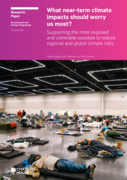
What near-term climate impacts should worry us most?
Supporting the most exposed and vulnerable societies to reduce
regional and global climate risks
