
Filter
2478
Text search:
european
region
Featured
198
534
Language
2305
84
76
59
46
26
23
17
9
5
4
3
3
2
2
2
2
2
2
2
1
1
1
1
1
1
1
1
1
1
1
1
1
1
1
1
1
1
1
Document type
1099
708
287
139
106
48
35
31
15
5
2
2
1
Countries
165
164
71
70
51
50
46
42
41
41
35
34
33
31
30
25
24
24
24
23
22
22
21
20
18
17
17
16
15
14
14
13
13
12
12
12
11
10
10
10
10
10
10
9
9
8
8
8
8
8
7
7
7
7
7
6
6
6
6
6
5
5
5
5
5
5
5
5
5
5
4
4
4
4
4
4
4
4
3
3
3
3
3
3
3
3
3
3
2
2
2
2
2
2
2
2
2
2
2
2
2
2
2
2
2
2
1
1
1
1
1
1
1
1
1
1
1
1
1
1
1
1
1
1
1
1
1
1
1
1
1
1
1
Authors & Publishers
407
130
98
85
81
53
39
28
25
22
18
18
18
18
17
17
17
16
14
14
13
13
12
11
11
11
11
9
9
8
8
8
8
8
8
8
8
7
7
7
7
7
7
7
7
7
7
6
6
6
6
6
6
6
6
6
5
5
5
5
5
5
5
5
5
5
5
4
4
4
4
4
4
4
4
4
4
4
4
4
4
4
4
4
4
4
4
4
4
4
4
4
3
3
3
3
3
3
3
3
3
3
3
3
3
3
3
3
3
3
3
3
3
3
3
3
3
3
3
3
3
3
3
3
3
3
3
3
3
3
3
3
3
3
3
3
3
2
2
2
2
2
2
2
2
2
2
2
2
2
2
2
2
2
2
2
2
2
2
2
2
2
2
2
2
2
2
2
2
2
2
2
2
2
2
2
2
2
2
2
2
2
2
2
2
2
2
2
2
2
2
2
2
2
2
2
2
2
2
2
2
2
2
2
2
2
2
2
2
2
2
2
2
2
2
2
2
2
2
2
2
2
2
2
2
2
2
2
2
2
2
2
2
2
2
2
2
2
2
2
2
2
2
2
2
2
2
2
2
2
2
1
1
1
1
1
1
1
1
1
1
1
1
1
1
1
1
1
1
1
1
1
1
1
1
1
1
1
1
1
1
1
1
1
1
1
1
1
1
1
1
1
1
1
1
1
1
1
1
1
1
1
1
1
1
1
1
1
1
1
1
1
1
1
1
1
1
1
1
1
1
1
1
1
1
1
1
1
1
1
1
1
1
1
1
1
1
1
1
1
1
1
1
1
1
1
1
1
1
1
1
1
1
1
1
1
1
1
1
1
1
1
1
1
1
1
1
1
1
1
1
1
1
1
1
1
1
1
1
1
1
1
1
1
1
1
1
1
1
1
1
1
1
1
1
1
1
1
1
1
1
1
1
1
1
1
1
1
1
1
1
1
1
1
1
1
1
1
1
1
1
1
1
1
1
1
1
1
1
1
1
1
1
1
1
1
1
1
1
1
1
1
1
1
1
1
1
1
1
1
1
1
1
1
1
1
1
1
1
1
1
1
1
1
1
1
1
1
1
1
1
1
1
1
1
1
1
1
1
1
1
1
1
1
1
1
1
1
1
1
1
1
1
1
1
1
1
1
1
1
1
1
1
1
1
1
1
1
1
1
1
1
1
1
1
1
1
1
1
1
1
1
1
1
1
1
1
1
1
1
1
1
1
1
1
1
1
1
1
1
1
1
1
1
1
1
1
1
1
1
1
1
1
1
1
1
1
1
1
1
1
1
1
1
1
1
1
1
1
1
1
1
1
1
1
1
1
1
1
1
1
1
1
1
1
1
1
1
1
1
1
1
1
1
1
1
1
1
1
1
1
1
1
1
1
1
1
1
1
1
1
1
1
1
1
1
1
1
1
1
1
1
1
1
1
1
1
1
1
1
1
1
1
1
1
1
1
1
1
1
1
1
1
1
1
1
1
1
1
1
1
1
1
1
1
1
1
1
1
1
1
1
1
1
1
1
1
1
1
1
1
1
1
1
1
1
1
1
1
1
1
1
1
1
1
1
1
1
1
1
1
1
1
1
1
1
1
1
1
1
1
1
1
1
1
1
1
1
1
1
1
1
1
1
1
1
1
1
1
1
1
1
1
1
1
1
1
1
1
1
1
1
1
1
1
1
1
1
1
1
1
1
1
1
1
1
1
1
1
1
1
1
1
1
1
1
1
1
1
1
1
1
1
1
1
1
1
1
1
1
1
1
1
1
1
1
1
1
1
1
1
1
1
1
1
1
1
1
1
1
1
1
1
1
1
1
1
1
1
1
1
1
1
1
1
1
1
1
1
1
1
1
1
1
1
1
1
1
1
1
1
1
1
1
1
1
1
1
1
1
1
1
1
1
1
1
1
1
1
1
1
1
1
1
1
1
1
1
1
1
1
1
1
1
1
1
1
1
1
1
1
1
1
1
1
1
1
1
1
1
1
1
1
1
1
1
1
1
1
1
1
1
1
1
1
1
1
1
1
1
1
1
1
1
1
1
1
1
1
1
1
1
1
1
1
1
1
1
1
1
1
1
1
1
1
1
1
1
1
1
1
1
1
1
1
1
1
1
1
1
1
1
1
1
1
1
1
1
1
1
1
1
1
1
1
1
1
1
1
1
1
1
1
1
1
1
1
1
1
1
1
1
1
1
1
1
1
1
1
1
1
1
1
1
1
1
1
1
1
1
1
1
1
1
1
1
1
1
1
1
1
1
1
1
1
1
1
1
1
1
1
1
1
1
1
1
1
1
1
1
1
1
1
1
1
1
1
1
1
1
1
1
1
1
1
1
1
1
1
1
1
1
1
1
1
1
1
1
1
1
1
1
1
1
1
1
1
1
1
1
1
1
1
1
1
1
1
1
1
1
1
1
1
1
1
1
1
1
1
1
1
1
1
1
1
1
1
1
1
1
1
1
1
1
1
1
1
1
1
1
1
1
1
1
1
1
1
1
1
1
1
1
1
1
1
1
1
1
1
1
1
1
1
1
1
1
1
1
1
1
1
1
1
1
1
1
1
1
1
1
1
1
1
1
1
1
1
1
1
1
1
1
1
1
1
1
1
1
1
1
1
1
1
1
1
1
1
1
1
1
1
1
1
1
1
1
1
1
1
1
1
1
1
1
1
1
1
1
1
1
1
1
1
1
1
1
1
1
1
1
1
1
1
1
1
1
1
1
1
1
1
1
1
1
1
1
1
1
1
1
1
1
1
1
1
1
1
1
1
1
1
1
1
1
1
1
1
1
1
1
1
1
1
1
1
1
1
1
1
1
1
1
1
1
1
1
1
1
1
1
1
1
1
1
1
1
1
1
1
1
1
1
1
1
1
1
1
1
1
1
1
1
1
1
1
1
1
1
1
1
1
1
1
1
1
1
1
1
1
1
1
1
1
1
1
1
1
1
1
1
1
1
1
1
1
1
1
1
1
1
1
1
1
1
1
1
1
1
1
1
1
1
1
1
1
1
1
1
1
1
1
1
1
1
1
1
1
1
1
1
1
1
1
1
1
1
1
1
1
1
1
1
1
1
1
1
1
1
1
1
1
1
1
1
1
1
1
1
1
1
1
1
1
1
1
1
1
1
1
1
1
1
1
1
1
1
1
1
1
1
1
1
1
1
1
1
1
1
1
1
1
1
1
1
1
1
1
1
1
1
1
1
1
1
1
1
1
1
1
1
1
1
1
1
1
1
1
1
1
1
1
1
1
1
1
1
1
1
1
1
1
1
1
1
1
1
1
1
1
1
1
1
1
1
1
1
1
1
1
1
1
1
1
1
1
1
1
1
1
1
1
1
1
1
1
1
1
1
1
1
1
1
1
1
1
1
1
1
1
1
1
1
1
1
1
1
1
1
1
1
1
1
1
1
1
1
1
1
1
1
1
1
1
1
1
1
1
1
1
1
1
1
1
1
1
1
1
1
1
1
1
1
1
1
1
1
1
1
1
1
1
1
1
1
1
1
1
1
1
1
1
1
1
1
1
1
1
1
1
1
1
1
1
1
1
1
1
1
1
1
1
1
1
1
1
1
1
1
1
1
1
1
1
1
1
1
1
1
1
1
1
1
1
1
1
1
1
1
1
1
1
1
1
1
1
1
1
1
1
1
1
1
1
1
1
1
1
1
1
1
1
1
1
1
1
1
1
1
1
1
1
1
1
1
1
1
1
1
1
1
1
1
1
1
1
1
1
1
1
1
1
1
1
1
1
1
1
1
1
1
1
1
1
1
1
1
1
1
1
1
1
1
1
1
1
1
1
1
1
1
1
1
1
1
1
1
1
1
1
1
1
1
1
1
1
1
1
1
1
1
1
1
1
1
1
1
1
1
1
1
1
1
1
1
1
1
1
1
1
1
1
1
1
1
1
1
1
1
1
1
1
1
1
1
1
1
1
1
1
1
1
1
1
1
1
1
1
1
1
1
1
1
1
1
1
1
1
1
1
1
1
1
1
1
1
1
1
1
1
1
1
1
1
1
1
1
1
1
1
1
1
1
1
1
1
1
1
1
1
1
1
1
1
1
1
1
1
1
1
1
1
1
1
1
1
1
1
1
1
1
1
1
1
1
1
1
1
1
1
1
1
1
1
1
1
1
1
1
1
1
1
1
1
1
1
1
1
1
1
1
1
1
1
1
1
1
1
1
1
1
1
1
1
1
1
1
1
1
1
1
1
1
1
1
1
1
1
1
1
1
1
1
1
1
1
1
1
1
1
1
1
1
1
1
1
1
1
1
1
1
1
1
1
1
1
1
1
1
1
1
1
1
1
1
1
1
1
1
1
1
1
1
1
1
1
1
1
1
1
1
1
1
1
1
1
1
1
1
1
1
1
1
1
1
1
1
1
1
1
1
1
1
1
1
1
1
1
1
1
1
1
1
1
1
1
1
1
1
1
1
1
1
1
1
1
1
1
1
1
1
1
1
1
1
1
1
1
1
1
1
1
1
1
1
1
1
1
1
1
1
1
1
1
1
1
1
1
1
1
1
1
1
1
1
1
1
1
1
1
1
1
1
1
1
1
1
1
1
1
1
1
1
1
1
1
1
1
1
1
1
1
1
1
1
1
1
1
1
1
1
1
1
1
1
1
1
1
1
1
1
1
1
1
1
1
1
1
1
1
1
1
1
1
1
1
1
1
1
1
1
1
1
1
1
1
1
1
1
1
1
1
1
Publication Years
931
1399
137
10
1
Category
650
171
168
162
108
27
21
1
Toolboxes
269
212
182
154
113
112
107
93
83
77
75
71
68
53
43
41
38
38
38
28
18
14
13
12
9
3
Guidelines for essential trauma care. Russian Version
This report is a comprehensive statistical overview of female genital mutilation/cutting (FGM/C) in the 29 countries where the practice is concentrated. Analysis of the data reflects current perspectives on FGM/C, informed by the latest policy, programmatic and theoretical evidence.
Every five minutes a child dies as the result of violence, according to a ground-breaking report from Unicef UK. The report reveals that the vast majority of children are killed outside warzones and that physical, sexual and emotional abuse is widespread with millions of children unsafe in their hom
...
es, schools and communities. Some 345 children could die from violence each day in the next year, unless governments act.
The report also finds that:
(1) Children who are victims of violence have brain activity similar to soldiers exposed to combat;
(2) A third of children who are victims of violence are likely to develop long-lasting symptoms of post-traumatic stress disorder;
(3) Those living in poverty are more likely to be victims of violence, wherever they live in the world;
(4) Over 7% of child deaths due to violence each day are the result of interpersonal violence, rather than conflict.
more

Network HPN Paper: The role of education in protecting children in conflict
Susan Nicolai and Carl Triplehorn
Humanitarian Practice Network (HPN); Overseas Development Institute (ODI)
(2003)
C1
Education in emergencies is a young area; the evidence of its impact is often anecdotal, and although its status as a humanitarian concern has gained legitimacy in recent years, it has yet to be accepted across the humanitarian community. Much more needs to be done to enhance our understanding of t
...
he links between education and child protection in emergency situations.
more
Das Handbuch soll die Ausbildung in unterschiedlichen Gesundheitsberufen, beispielsweise in der Physiotherapie, Ergotherapie oder der Pflegeausbildung, um den Faktor interkulturelle Kompetenz bereichern.

Cholera is a diarrhoeal disease that is usually contracted when drinking water contaminated with Vibrio cholerae bacteria. The fight against this disease requires a multidisciplinary approach that combines a water, hygiene and sanitation (WaSH) response with a monitoring system, improved water suppl
...
y and quality, sanitation and hygiene, and a health response with the treatment of the disease itself.
more

PLoS Med 10(1): e1001366. https://doi.org/10.1371/journal.pmed.1001366
Published: January 8, 2013
Discussion Paper "Mental health, poverty and development", July 2009
Global Happiness Policy Report 2018
Sachs, J. D.; Dr. Bin Bishr, A; De Neve. J.-E.; et al.
World Government Summit, Sustainable Development Solutions Network
(2018)
C2
Global Happiness Council
Zurück für die Zukunft - Ein Handbuch für zurückgekehrte Freiwillige
finep, forum für internationale entwicklung + planung
(2013)
C2
Im Ausland zu leben und zu arbeiten, ist eine Gelegenheit, eine vollkommen andere Lebens-weise kennenzulernen. Als zurückgekehrte/-r Freiwillige/-r der Entwicklungszusammenarbeit kannst du diesen Erfahrungsschatz nutzen, um zu Hause bei anderen Menschen ein Bewusstsein für globale Themen zu schaff
...
en. Durch die Mit-arbeit an einem Projekt während deines Freiwilli-gendienstes hast du eine praktische Sichtweise auf die Auswirkungen und Ursachen von Armut und sozialer Ungerechtigkeit gewonnen, die viele andere nicht haben. Das macht dich als Vermitt-lerIn zwischen dem globalen Süden und Norden glaubwürdig und als BerichterstatterIn authen-tisch. Worin entwicklungspolitisches Engagement von Deutschland aus bestehen kann, dazu möchte dieses Handbuch Anregungen geben.
more
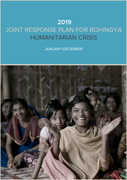
The Joint Response Plan sets out a comprehensive programme shaped around three strategic objectives – deliver protection, provide life-saving assistance and foster social cohesion. The Plan covers all humanitarian sectors and addresses key cross-cutting issues, including protection and gender main
...
streaming. The Plan will also strengthen emergency preparedness and response for weather-related risks and natural disasters, with a focus on community
engagement.
more
WHO QualityRights is an initiative which aims to improve the quality of care in mental health and related services and to promote the human rights of people with psychosocial, intellectual and cognitive disabilities, throughout the world.
This document has been developed to provide training and guidance to be able to understand what are human rights, what human rights mean for people’s lives, as well as the actions that can be taken by individuals and groups to respect and promote human rights.
This discussion guide is designed to assist individuals and
agencies working toward developing trauma-informed
approaches to service delivery. It describes how common
traumatic experiences are for individuals accessing health
and social services, and it provides information to help service
prov
...
iders recognize the adaptations people make to cope with
trauma. Trauma awareness is a foundation for developing
trauma-informed services, which integrate knowledge about
trauma into policies, procedures, and practices. Traumainformed
services actively seek to avoid re-traumatization and
have been shown to improve client engagement, retention, and
outcomes. This guide includes practice examples, suggested
resources, and sample questions to stimulate further discussion.
more
This manual outlines proposals for the insertion of housing, land and property restitution rights simultaneously within the context of the ongoing peace process and within broader national legal reform efforts, including work towards a national land law. The paper begins by emphasising that many cou
...
ntries emerging from both conflict and political reform processes have successfully implemented restitution programmes, and that the current, largely piecemeal, efforts towards restitution in Myanmar under the Central Land Grab Reinvestigation Committee processes are simply inadequate in securing restitution rights for everyone in and from Myanmar with a legitimate restitution claim.
more
War child: "I´ve moved, my rights haven't" (Towards a global action plan for children forced to flee)
recommended
We live in a world in which 28 million children have been driven from their
homes as a result of conflict, persecution and insecurity¹. If current trends
continue, more than 63 million children could be forced to flee by 2025², of
which over 25 million will cross borders and become refugees. At
...
least
300,000 of these child refugees will end up alone, separated from their
families³. Without a step-change in the provision of education for refugee
children, at least 12 million of them will be out of school by 2025⁴.
more
Prioritise education in conflict-affected areas:
Across the world 28 million1 primary school-age children living in conflict-affected countries are
out-of-school, and they form half of the world’s total out-of-school population. During conflict,
infrastructure assets such as schools are damaged
...
or completely destroyed during fighting. Children
may choose to stay away from school due to their and their family’s safety fears in the midst of
conflict, or the need to supplement their family’s income amidst conflict-related financial loss.
Children who are internally displaced by conflict face a particularly challenging task accessing
education due to the specific conditions created by their displacement, such as loss of livelihoods
making school fees hard to find, and discrimination from host communities. Children caught in
conflict are being deprived of their right to education2 and denied the opportunity to benefit from the
protective and life-sustaining mechanisms of education.
more
Сборник научных статей по материалам Конгресса ≪Психическое здоровье человека XXI века≫
recommended
Союз охраны психического здоровья, Issa, world council for psychotheraphy et al.
Союз охраны психического здоровья, Issa, world council for psychotheraphy et al.
(2016)
C2
В сборнике представлены статьи специалистов в сфере охраны психического здоровья по различным академическим дисциплинам, включая общую медицину, психиатрию, псиÑ
...
…отерапию, психологию, социологию, педагогику, юриспруденцию, экономику, спорт, по материалам Конгресса ≪Психическое здоровье человека XXI века≫, который состоялся 7–8 октября 2016 г. в Москве.
The collection of scientific papers is collected from different areas of scientific knowledge, including general medicine, psychiatry, psychotherapy, psychology, social policy, education, law, economics and sport. The publication contains materials that were delivered to the Organizing Committee of the Congress on Mental Health: Meeting the Needs of the XXI Century. The collection is intended for researchers and practitioners acting in the field of the mental health care.
more
Some of the key findings of the report include:
Almost 80% of the general public are concerned about developing dementia at some point and 1 in 4 people think that there is nothing we can do to prevent dementia
35% of carers across the world said that they have hidden the diagnosis of de
...
mentia of a family member
Over 50% of carers globally say their health has suffered as a result of their caring responsibilities even whilst expressing positive sentiments about their role
Almost 62% of healthcare providers worldwide think that dementia is part of normal ageing
40% of the general public think doctors and nurses ignore people with dementia
more
