
Filter
7741
Text search:
development
guidelines
Featured
775
2047
Language
7254
263
229
169
108
71
44
42
22
16
14
13
9
8
8
6
6
6
6
6
6
6
5
5
5
5
4
4
4
4
3
3
3
3
3
3
3
3
3
3
2
2
2
2
2
2
2
2
2
1
1
1
1
1
1
1
1
1
1
1
1
1
1
1
Document type
4025
1276
1210
513
332
171
123
40
18
13
8
4
1
1
1
Countries
378
333
238
183
180
165
158
145
143
137
130
129
123
120
107
106
99
97
94
80
78
74
66
61
61
56
52
52
48
47
47
41
41
38
37
36
34
33
33
33
33
28
28
26
25
24
23
22
21
20
19
17
15
15
15
14
14
14
13
13
13
13
13
12
12
11
10
9
9
8
8
8
8
7
6
6
6
6
6
6
6
5
5
5
5
5
5
5
5
4
4
4
4
4
4
4
4
4
4
3
3
3
3
3
3
3
3
3
3
2
2
2
2
2
2
2
2
2
2
2
2
2
2
2
2
2
1
1
1
1
1
1
1
1
1
1
1
1
1
1
1
1
1
1
1
1
1
1
1
1
1
Authors & Publishers
1115
344
240
227
183
145
134
131
87
76
62
52
52
43
43
38
37
32
30
29
28
27
26
26
26
26
25
25
23
23
22
22
22
21
21
21
20
20
20
20
20
18
18
18
17
17
17
17
16
16
16
16
16
16
16
15
15
14
14
14
14
14
14
14
14
14
14
13
13
13
13
13
13
13
13
13
13
12
12
12
12
12
12
12
12
12
12
12
12
11
11
11
11
11
11
10
10
10
10
10
10
10
10
10
10
10
9
9
9
9
9
9
9
9
9
9
9
9
9
8
8
8
8
8
8
8
8
8
8
8
8
8
8
8
8
8
8
8
7
7
7
7
7
7
7
7
7
7
7
7
7
7
7
7
7
7
7
7
7
7
7
6
6
6
6
6
6
6
6
6
6
6
6
6
6
6
6
6
6
6
6
6
6
6
6
6
6
6
6
6
6
6
6
6
6
6
6
6
6
6
5
5
5
5
5
5
5
5
5
5
5
5
5
5
5
5
5
5
5
5
5
5
5
5
5
5
5
5
5
5
5
5
5
5
5
5
5
5
5
5
4
4
4
4
4
4
4
4
4
4
4
4
4
4
4
4
4
4
4
4
4
4
4
4
4
4
4
4
4
4
4
4
4
4
4
4
4
4
4
4
4
4
4
4
4
4
4
4
4
4
4
4
4
4
4
4
4
4
4
4
4
4
4
4
4
4
4
4
4
4
4
4
4
4
4
4
4
4
4
4
4
3
3
3
3
3
3
3
3
3
3
3
3
3
3
3
3
3
3
3
3
3
3
3
3
3
3
3
3
3
3
3
3
3
3
3
3
3
3
3
3
3
3
3
3
3
3
3
3
3
3
3
3
3
3
3
3
3
3
3
3
3
3
3
3
3
3
3
3
3
3
3
3
3
3
3
3
3
3
3
3
3
3
3
3
3
3
3
3
3
3
3
3
3
3
3
3
3
3
3
3
3
3
3
3
3
3
3
3
3
3
3
3
3
3
3
3
3
3
3
3
3
3
3
3
3
3
3
3
3
3
3
3
3
3
3
3
3
3
3
3
3
2
2
2
2
2
2
2
2
2
2
2
2
2
2
2
2
2
2
2
2
2
2
2
2
2
2
2
2
2
2
2
2
2
2
2
2
2
2
2
2
2
2
2
2
2
2
2
2
2
2
2
2
2
2
2
2
2
2
2
2
2
2
2
2
2
2
2
2
2
2
2
2
2
2
2
2
2
2
2
2
2
2
2
2
2
2
2
2
2
2
2
2
2
2
2
2
2
2
2
2
2
2
2
2
2
2
2
2
2
2
2
2
2
2
2
2
2
2
2
2
2
2
2
2
2
2
2
2
2
2
2
2
2
2
2
2
2
2
2
2
2
2
2
2
2
2
2
2
2
2
2
2
2
2
2
2
2
2
2
2
2
2
2
2
2
2
2
2
2
2
2
2
2
2
2
2
2
2
2
2
2
2
2
2
2
2
2
2
2
2
2
2
2
2
2
2
2
2
2
2
2
2
2
2
2
2
2
2
2
2
2
2
2
2
2
2
2
2
2
2
2
2
2
2
2
2
2
2
2
2
2
2
2
2
2
2
2
2
2
2
2
2
2
2
2
2
2
2
2
2
2
2
2
2
2
2
2
2
2
2
2
2
2
2
2
2
2
2
2
2
2
2
2
2
2
2
2
2
2
2
2
2
2
2
2
2
2
2
2
2
2
2
2
2
2
2
2
2
2
2
2
2
2
2
2
2
2
2
2
2
2
2
2
2
2
2
2
2
2
2
2
2
2
2
2
2
2
2
2
2
2
2
2
2
2
2
2
2
2
2
2
2
2
2
2
2
2
2
2
2
2
2
2
2
2
2
2
2
2
2
2
2
2
2
2
2
2
2
2
2
2
2
2
2
2
2
2
2
2
2
2
2
2
2
2
2
2
2
2
2
2
2
2
2
2
2
2
2
2
2
2
2
2
2
2
2
2
2
2
2
2
2
2
2
2
2
2
2
2
2
2
2
2
2
2
2
1
1
1
1
1
1
1
1
1
1
1
1
1
1
1
1
1
1
1
1
1
1
1
1
1
1
1
1
1
1
1
1
1
1
1
1
1
1
1
1
1
1
1
1
1
1
1
1
1
1
1
1
1
1
1
1
1
1
1
1
1
1
1
1
1
1
1
1
1
1
1
1
1
1
1
1
1
1
1
1
1
1
1
1
1
1
1
1
1
1
1
1
1
1
1
1
1
1
1
1
1
1
1
1
1
1
1
1
1
1
1
1
1
1
1
1
1
1
1
1
1
1
1
1
1
1
1
1
1
1
1
1
1
1
1
1
1
1
1
1
1
1
1
1
1
1
1
1
1
1
1
1
1
1
1
1
1
1
1
1
1
1
1
1
1
1
1
1
1
1
1
1
1
1
1
1
1
1
1
1
1
1
1
1
1
1
1
1
1
1
1
1
1
1
1
1
1
1
1
1
1
1
1
1
1
1
1
1
1
1
1
1
1
1
1
1
1
1
1
1
1
1
1
1
1
1
1
1
1
1
1
1
1
1
1
1
1
1
1
1
1
1
1
1
1
1
1
1
1
1
1
1
1
1
1
1
1
1
1
1
1
1
1
1
1
1
1
1
1
1
1
1
1
1
1
1
1
1
1
1
1
1
1
1
1
1
1
1
1
1
1
1
1
1
1
1
1
1
1
1
1
1
1
1
1
1
1
1
1
1
1
1
1
1
1
1
1
1
1
1
1
1
1
1
1
1
1
1
1
1
1
1
1
1
1
1
1
1
1
1
1
1
1
1
1
1
1
1
1
1
1
1
1
1
1
1
1
1
1
1
1
1
1
1
1
1
1
1
1
1
1
1
1
1
1
1
1
1
1
1
1
1
1
1
1
1
1
1
1
1
1
1
1
1
1
1
1
1
1
1
1
1
1
1
1
1
1
1
1
1
1
1
1
1
1
1
1
1
1
1
1
1
1
1
1
1
1
1
1
1
1
1
1
1
1
1
1
1
1
1
1
1
1
1
1
1
1
1
1
1
1
1
1
1
1
1
1
1
1
1
1
1
1
1
1
1
1
1
1
1
1
1
1
1
1
1
1
1
1
1
1
1
1
1
1
1
1
1
1
1
1
1
1
1
1
1
1
1
1
1
1
1
1
1
1
1
1
1
1
1
1
1
1
1
1
1
1
1
1
1
1
1
1
1
1
1
1
1
1
1
1
1
1
1
1
1
1
1
1
1
1
1
1
1
1
1
1
1
1
1
1
1
1
1
1
1
1
1
1
1
1
1
1
1
1
1
1
1
1
1
1
1
1
1
1
1
1
1
1
1
1
1
1
1
1
1
1
1
1
1
1
1
1
1
1
1
1
1
1
1
1
1
1
1
1
1
1
1
1
1
1
1
1
1
1
1
1
1
1
1
1
1
1
1
1
1
1
1
1
1
1
1
1
1
1
1
1
1
1
1
1
1
1
1
1
1
1
1
1
1
1
1
1
1
1
1
1
1
1
1
1
1
1
1
1
1
1
1
1
1
1
1
1
1
1
1
1
1
1
1
1
1
1
1
1
1
1
1
1
1
1
1
1
1
1
1
1
1
1
1
1
1
1
1
1
1
1
1
1
1
1
1
1
1
1
1
1
1
1
1
1
1
1
1
1
1
1
1
1
1
1
1
1
1
1
1
1
1
1
1
1
1
1
1
1
1
1
1
1
1
1
1
1
1
1
1
1
1
1
1
1
1
1
1
1
1
1
1
1
1
1
1
1
1
1
1
1
1
1
1
1
1
1
1
1
1
1
1
1
1
1
1
1
1
1
1
1
1
1
1
1
1
1
1
1
1
1
1
1
1
1
1
1
1
1
1
1
1
1
1
1
1
1
1
1
1
1
1
1
1
1
1
1
1
1
1
1
1
1
1
1
1
1
1
1
1
1
1
1
1
1
1
1
1
1
1
1
1
1
1
1
1
1
1
1
1
1
1
1
1
1
1
1
1
1
1
1
1
1
1
1
1
1
1
1
1
1
1
1
1
1
1
1
1
1
1
1
1
1
1
1
1
1
1
1
1
1
1
1
1
1
1
1
1
1
1
1
1
1
1
1
1
1
1
1
1
1
1
1
1
1
1
1
1
1
1
1
1
1
1
1
1
1
1
1
1
1
1
1
1
1
1
1
1
1
1
1
1
1
1
1
1
1
1
1
1
1
1
1
1
1
1
1
1
1
1
1
1
1
1
1
1
1
1
1
1
1
1
1
1
1
1
1
1
1
1
1
1
1
1
1
1
1
1
1
1
1
1
1
1
1
1
1
1
1
1
1
1
1
1
1
1
1
1
1
1
1
1
1
1
1
1
1
1
1
1
1
1
1
1
1
1
1
1
1
1
1
1
1
1
1
1
1
1
1
1
1
1
1
1
1
1
1
1
1
1
1
1
1
1
1
1
1
1
1
1
1
1
1
1
1
1
1
1
1
1
1
1
1
1
1
1
1
1
1
1
1
1
1
1
1
1
1
1
1
1
1
1
1
1
1
1
1
1
1
1
1
1
1
1
1
1
1
1
1
1
1
1
1
1
1
1
1
1
1
1
1
1
1
1
1
1
1
1
1
1
1
1
1
1
1
1
1
1
1
1
1
1
1
1
1
1
1
1
1
1
1
1
1
1
1
1
1
1
1
1
1
1
1
1
1
1
1
1
1
1
1
1
1
1
1
1
1
1
1
1
1
1
1
1
1
1
1
1
1
1
1
1
1
1
1
1
1
1
1
1
1
1
1
1
1
1
1
1
1
1
1
1
1
1
1
1
1
1
1
1
1
1
1
1
1
1
1
1
1
1
1
1
1
1
1
1
1
1
1
1
1
1
1
1
1
1
1
1
1
1
1
1
1
1
1
1
1
1
1
1
1
1
1
1
1
1
1
1
1
1
1
1
1
1
1
1
1
1
1
1
1
1
1
1
1
1
1
1
1
1
1
1
1
1
1
1
1
1
1
1
1
1
1
1
1
1
1
1
1
1
1
1
1
1
1
1
1
1
1
1
1
1
1
1
1
1
1
1
1
1
1
1
1
1
1
1
1
1
1
1
1
1
1
1
1
1
1
1
1
1
1
1
1
1
1
1
1
1
1
1
1
1
1
1
1
1
1
1
1
1
1
1
1
1
1
1
1
1
1
1
1
1
1
1
1
1
1
1
1
1
1
1
1
1
1
1
1
1
1
1
1
1
1
1
1
1
1
1
1
1
1
1
1
1
1
1
1
1
1
1
1
1
1
1
1
1
1
1
1
1
1
1
1
1
1
1
1
1
1
1
1
1
1
1
1
1
1
1
1
1
1
1
1
1
1
1
1
1
1
1
1
1
1
1
1
1
1
1
1
1
1
1
1
1
1
1
1
1
1
1
1
1
1
1
1
1
1
1
1
1
1
1
1
1
1
1
1
1
1
1
1
1
1
1
1
1
1
1
1
1
1
1
1
1
1
1
1
1
1
1
1
1
1
1
1
1
1
1
1
1
1
1
1
1
1
1
1
1
1
1
1
1
1
1
1
1
1
1
1
1
1
1
1
1
1
1
1
1
1
1
1
1
1
1
1
1
1
1
1
1
1
1
1
1
1
1
1
1
1
1
1
1
1
1
1
1
1
1
1
1
1
1
1
1
1
1
1
1
1
1
1
1
1
1
1
1
1
1
1
1
1
1
1
1
1
1
1
1
1
1
1
1
1
1
1
1
1
1
1
1
1
1
1
1
1
1
1
1
1
1
1
1
1
1
1
1
1
1
1
1
1
1
1
1
1
1
1
1
1
1
1
1
1
1
1
1
1
1
1
1
1
1
1
1
1
1
1
1
1
1
1
1
1
1
1
1
1
1
1
1
1
1
1
1
1
1
1
1
1
1
1
1
1
1
1
1
1
1
1
1
1
1
1
1
1
1
1
1
1
1
1
1
1
1
1
1
1
1
1
1
1
1
1
1
1
1
1
1
1
1
1
1
1
1
1
1
1
1
1
1
1
1
1
1
1
1
1
1
1
1
1
1
1
1
1
1
1
1
1
1
1
1
1
1
1
1
1
1
1
1
1
1
1
1
1
1
1
1
1
1
1
1
1
1
1
1
1
1
1
1
1
1
1
1
1
1
1
1
1
1
1
1
1
1
1
1
1
1
1
1
1
1
1
1
1
1
1
1
1
1
1
1
1
1
1
1
1
1
1
1
1
1
1
1
1
1
1
1
1
1
1
1
1
1
1
1
1
1
1
1
1
1
1
1
1
1
1
1
1
1
1
1
1
1
1
1
1
1
1
1
1
1
1
1
1
1
1
1
1
1
1
1
1
1
1
1
1
1
1
1
1
1
1
1
1
1
1
1
1
1
1
1
1
1
1
1
1
1
1
1
1
1
1
1
1
1
1
1
1
1
1
1
1
1
1
1
1
1
1
1
1
1
1
1
1
1
1
1
1
1
1
1
1
1
1
1
1
1
1
1
1
1
1
1
1
1
1
1
1
1
1
1
1
1
1
1
1
1
1
1
1
1
1
1
1
1
1
1
1
1
1
1
1
1
1
1
1
1
1
1
1
1
1
1
1
1
1
1
1
1
1
1
1
1
1
1
1
1
1
1
1
1
1
1
1
1
1
1
1
1
1
1
1
1
1
1
1
1
1
1
1
1
1
1
1
1
1
1
1
1
1
1
1
1
1
1
1
1
1
1
1
1
1
1
1
1
1
1
1
1
1
1
1
1
1
1
1
1
1
1
1
1
1
1
1
1
1
1
1
1
1
1
1
1
1
1
1
1
1
1
1
1
1
1
1
1
1
1
1
1
1
1
1
1
1
1
1
1
1
1
1
1
1
1
1
1
1
1
1
1
1
1
1
1
1
1
1
1
1
1
1
1
1
1
1
1
1
1
1
1
1
1
1
1
1
1
1
1
1
1
1
1
1
1
1
1
1
1
1
1
1
1
1
1
1
1
1
1
1
1
1
1
1
1
1
1
1
1
1
1
1
1
1
1
1
1
1
1
1
1
1
1
1
1
1
1
1
1
1
1
1
1
1
1
1
1
1
1
1
1
1
1
1
1
1
1
1
1
1
1
1
1
1
1
1
1
1
1
1
1
1
1
1
1
1
1
1
1
1
1
1
1
1
1
1
1
1
1
1
1
1
1
1
1
1
1
1
1
1
1
1
1
1
1
1
1
1
1
1
1
1
1
1
1
1
1
1
1
1
1
1
1
1
1
1
1
1
1
1
1
1
1
1
1
1
1
1
1
1
1
1
1
1
1
1
1
1
1
1
1
1
1
1
1
1
1
1
1
1
1
1
1
1
1
1
1
1
1
1
1
1
1
1
1
1
1
1
1
1
1
1
1
1
1
1
1
1
1
1
1
1
1
1
1
1
1
1
1
1
1
1
1
1
1
1
1
1
1
1
1
1
1
1
1
1
1
1
1
1
1
1
1
1
1
1
1
1
1
1
1
1
1
1
1
1
1
1
1
1
1
1
1
1
1
1
1
1
1
1
1
1
1
1
1
1
1
1
1
1
1
1
1
1
1
1
1
1
1
1
1
1
1
1
1
1
1
1
1
1
1
1
1
1
1
1
1
1
1
1
1
1
1
1
1
1
1
1
1
1
1
1
1
1
1
1
1
1
1
1
1
1
1
1
1
1
1
1
1
1
1
1
1
1
1
1
1
1
1
1
1
1
1
1
1
1
1
1
1
1
1
1
1
1
1
1
1
1
1
1
1
1
1
1
1
1
1
1
1
1
1
1
1
1
1
1
1
1
1
1
1
1
1
1
1
1
1
1
1
1
1
1
1
1
1
1
1
1
1
1
1
1
1
1
1
1
1
1
1
1
1
1
1
1
1
1
1
1
1
1
1
1
1
1
1
1
1
1
1
1
1
1
1
1
1
1
1
1
1
1
1
1
1
1
1
1
1
1
1
1
1
1
1
1
1
1
1
1
1
1
1
1
1
1
1
1
1
1
1
1
1
1
1
1
1
1
1
1
1
1
1
1
1
1
1
1
1
1
1
1
1
1
1
1
1
1
1
1
1
1
1
1
1
1
1
1
1
1
1
1
1
1
1
1
1
1
1
1
1
1
1
1
1
1
1
1
1
1
1
1
1
1
1
1
1
1
1
1
1
1
1
1
1
1
1
1
1
1
1
1
1
1
1
1
1
1
1
1
1
1
1
1
1
1
1
1
1
1
1
1
1
1
1
1
1
1
1
1
1
1
1
1
1
1
1
1
1
1
1
1
1
1
1
1
1
1
1
1
1
1
1
1
1
1
1
1
1
1
1
1
1
1
1
1
1
1
1
1
1
1
1
1
1
1
1
1
1
1
1
1
1
1
1
1
1
1
1
1
1
1
1
1
1
1
1
1
1
1
1
1
1
1
1
1
1
1
1
1
1
1
1
1
1
1
1
1
1
1
1
1
1
1
1
1
1
1
1
1
1
1
1
1
1
1
1
1
1
1
1
1
1
1
1
1
1
1
1
1
1
1
1
1
1
1
1
1
1
1
1
1
1
1
1
1
1
1
1
1
1
1
1
1
1
1
1
1
1
1
1
1
1
1
1
1
1
1
1
1
1
1
1
1
1
1
1
1
1
1
1
1
1
1
1
1
1
1
1
1
1
1
1
1
1
1
1
1
1
1
1
1
1
1
1
1
1
1
1
1
1
1
1
1
1
1
1
1
1
1
1
1
1
1
1
1
1
1
1
1
1
1
1
1
1
1
1
1
1
1
1
1
1
1
1
1
1
1
1
1
1
1
1
1
1
1
1
1
1
1
1
1
1
1
1
1
1
1
1
1
1
1
1
1
1
1
1
1
1
1
1
1
1
1
1
1
1
1
1
1
1
1
1
1
1
1
1
1
1
1
1
1
1
1
1
1
1
1
1
1
1
1
1
1
1
1
1
1
1
1
1
1
1
1
1
1
1
1
1
1
1
1
1
1
1
1
1
1
1
1
1
1
1
1
1
1
1
1
1
1
1
1
1
1
1
1
1
1
1
1
1
1
1
1
1
1
1
1
1
1
1
1
1
1
1
1
1
1
1
1
1
1
1
1
1
1
1
1
1
1
1
1
1
1
1
1
1
1
1
1
1
1
1
1
1
1
1
1
1
1
1
1
1
1
1
1
1
1
1
1
1
1
1
1
1
1
1
1
1
1
1
1
1
1
1
1
1
1
1
1
1
1
1
1
1
1
1
1
1
1
1
1
1
1
1
1
1
1
1
1
1
1
1
1
1
1
1
1
1
1
1
1
1
1
1
1
1
1
1
1
1
1
1
1
1
1
1
1
1
1
1
1
1
1
1
1
1
1
1
1
1
1
1
1
1
1
1
1
1
1
1
1
1
1
1
1
1
1
1
1
1
1
1
1
1
1
1
1
1
1
1
1
1
1
1
1
1
1
1
1
1
1
1
1
1
1
1
1
1
1
1
1
1
1
1
1
1
1
1
1
1
1
1
1
1
1
1
1
1
1
1
1
1
1
1
1
1
1
1
1
1
1
1
1
1
1
1
1
1
1
1
1
1
1
1
1
1
1
1
1
1
1
1
1
1
1
1
1
1
1
1
1
1
1
1
1
1
1
1
1
1
1
1
1
1
1
1
1
1
1
1
1
1
1
1
1
1
1
1
1
1
1
1
1
1
1
1
1
1
1
1
1
1
1
1
1
1
1
1
1
1
1
1
1
1
1
1
1
1
1
1
1
1
1
1
1
1
1
1
1
1
1
1
1
1
1
1
1
1
1
1
1
1
1
1
1
1
1
1
1
1
1
1
1
1
1
1
1
1
1
1
1
1
1
1
1
1
1
1
1
1
1
1
1
1
1
1
1
1
1
1
1
1
1
1
1
1
1
1
1
1
1
1
1
1
1
1
1
1
1
1
1
1
1
1
1
1
1
1
1
1
1
1
1
1
1
1
1
1
1
1
1
1
1
1
1
1
1
1
1
1
1
1
1
1
1
1
1
1
1
1
1
1
1
1
1
1
1
1
1
1
1
1
1
1
1
1
1
1
1
1
1
1
1
1
1
1
1
1
1
1
1
1
1
1
1
1
1
1
1
1
1
1
1
1
1
1
1
1
1
1
1
1
1
1
1
1
1
1
1
1
1
1
1
1
1
1
1
1
1
1
1
1
1
1
1
1
1
1
1
1
1
1
1
1
1
1
1
1
1
1
1
1
1
1
1
1
1
1
1
1
1
1
1
1
1
1
1
1
1
1
1
1
1
1
1
1
1
1
1
1
1
1
1
1
1
1
1
1
1
1
1
1
1
1
1
1
1
1
1
1
1
1
1
1
1
1
1
1
1
1
1
1
1
1
1
1
1
1
1
1
1
1
1
1
1
1
1
1
1
1
1
1
1
1
1
1
1
1
1
1
1
1
1
1
1
1
1
1
1
1
1
1
1
1
1
1
1
1
1
1
1
1
1
1
1
1
1
1
1
1
1
1
1
1
1
1
1
1
1
1
1
1
1
1
1
1
1
1
1
1
1
1
1
1
1
1
1
1
1
1
1
1
1
1
1
1
1
1
1
1
1
1
1
1
1
1
1
1
1
1
1
1
1
1
1
1
1
1
1
1
1
1
1
1
1
1
1
1
1
1
1
1
1
1
1
1
1
1
1
1
1
1
1
1
1
1
1
1
1
1
1
1
1
1
1
1
1
1
1
1
1
1
1
1
1
1
1
1
1
1
1
1
1
1
1
1
1
1
1
1
1
1
1
1
1
1
1
1
1
1
1
1
1
1
1
1
1
1
1
1
1
1
1
1
1
1
1
1
1
1
1
1
1
1
1
1
1
1
1
1
1
1
1
1
1
1
1
1
1
1
1
1
1
1
1
1
1
1
1
1
1
1
1
1
1
1
1
1
1
1
1
1
1
1
1
1
1
1
1
1
1
1
1
1
1
1
1
1
1
1
1
1
1
1
1
1
1
1
1
1
1
1
1
1
1
1
1
1
1
1
1
1
1
1
1
1
1
1
1
1
1
1
1
1
1
1
1
1
1
1
1
1
1
1
1
1
1
1
1
1
1
1
1
1
1
1
1
1
1
1
1
1
1
1
1
1
1
1
1
1
1
1
1
1
1
1
1
1
1
1
1
1
1
1
1
1
1
1
1
1
1
1
1
1
1
1
1
1
1
1
1
1
1
1
1
1
1
1
1
1
1
1
1
1
1
1
1
1
1
1
1
1
1
1
1
1
1
1
1
1
1
1
1
1
1
1
1
1
1
1
1
1
1
1
1
1
1
1
1
1
1
1
1
1
1
1
1
1
1
1
1
1
1
1
1
1
1
1
1
1
1
1
1
1
1
1
1
1
1
1
1
1
1
1
1
1
1
1
1
1
1
1
1
1
1
1
1
1
1
1
1
1
1
1
1
1
1
1
1
1
1
1
1
1
1
1
1
1
1
1
1
1
1
1
1
1
1
1
1
1
1
1
1
1
1
1
1
1
1
1
1
1
1
1
1
1
1
1
1
1
1
1
1
1
1
1
1
1
1
1
1
1
1
1
1
1
1
1
1
1
1
1
1
1
1
1
1
1
1
1
1
1
1
1
1
1
1
1
1
1
1
1
1
1
1
1
1
1
1
1
1
1
1
1
1
1
1
1
1
1
1
1
1
1
1
1
1
1
1
1
1
1
1
1
1
1
1
1
1
1
1
1
1
1
1
1
1
1
1
1
1
1
1
1
1
1
1
1
1
1
1
1
1
1
1
1
1
1
1
1
1
1
1
1
1
1
1
1
1
1
1
1
1
1
1
1
1
1
1
1
1
1
1
1
1
1
1
1
1
1
1
1
1
1
1
1
1
1
1
1
1
1
1
1
1
1
1
1
1
1
1
1
1
1
1
1
1
1
1
1
1
1
1
1
1
1
1
1
1
1
1
1
1
1
1
1
1
1
1
1
1
1
1
1
1
1
1
1
1
1
1
1
1
1
1
1
1
1
1
1
1
1
1
1
1
1
1
1
1
1
1
1
1
1
1
1
1
1
1
1
1
1
1
1
1
1
1
1
1
1
1
1
1
1
1
1
1
1
1
1
1
1
1
1
1
1
1
1
1
1
1
1
1
1
1
1
1
1
1
1
1
1
1
1
1
1
1
1
1
1
1
1
1
1
1
1
1
1
1
1
1
1
1
1
1
1
1
1
1
1
1
1
1
1
1
1
1
1
1
1
1
1
1
1
1
1
1
1
1
1
1
1
1
1
1
1
1
1
1
1
1
1
1
1
1
1
1
1
1
1
1
1
1
1
1
1
1
1
1
1
1
1
1
1
1
1
1
1
1
1
1
1
1
1
1
1
1
1
1
1
1
1
1
1
1
1
1
1
1
1
1
1
1
1
1
1
1
1
1
1
1
1
1
1
1
1
1
1
1
1
1
1
1
1
1
1
1
1
1
1
1
1
1
1
1
1
1
1
1
1
1
1
1
1
1
1
1
1
1
1
1
1
1
1
1
1
1
1
1
1
1
1
1
1
1
1
1
1
1
1
1
1
1
1
1
1
1
1
1
1
1
1
1
1
1
1
1
1
1
1
1
1
1
1
1
1
Publication Years
1
2207
4752
735
43
2
1
Category
3022
634
592
484
467
192
91
3
Toolboxes
616
504
445
340
281
270
269
247
240
184
184
167
163
156
139
127
110
106
95
59
51
51
43
40
35
4

The World report on promoting the health of refugees and migrants: Monitoring progress on the WHO global action plan provides the first global baseline for assessing implementation of the 2019-2030 WHO Global Action Plan on Promoting the Health of Refugees and Migrants (GAP). Building on the 2022 Wo
...
rld report on the health of refugees and migrants, it examines how countries are integrating refugee and migrant health into broader public health, migration governance, development, and universal health coverage (UHC) agendas.
more

The document presents a strategic framework by the World Health Organization for managing risks related to emergencies and disasters in the health sector. It highlights that such events (such as epidemics, natural disasters, or conflicts) have major impacts on health, healthcare systems, and societa
...
l development. The framework proposes a comprehensive and proactive approach based on prevention, preparedness, response, and recovery, while emphasizing the importance of collaboration across different sectors and stakeholders. Its main objective is to reduce health risks, strengthen the resilience of communities and health systems, and improve health security at the global level.
more

This guidance addresses one type of generative AI, large multi-modal models (LMMs), which can accept one or more type of data input and generate diverse outputs that are not limited to the type of data fed into the algorithm. It has been predicted that LMMs will have wide use and application in heal
...
th care, scientific research, public health and drug development. LMMs are also known as “general-purpose foundation models”, although it is not yet proven whether LMMs can accomplish a wide range of tasks and purposes.
more

The Gender Assessment Tool for National HIV Responses (Gender Assessment Tool) is intended to assist countries in assessing their HIV epidemic, context and response through an intersectional gender lens, with the aim of strengthening gender-transformative, equitable and rights-based HIV responses. T
...
he 2025 tool places greater emphasis on cost-effectiveness, alignment with national plans, integration and sustainability. Together with a new costing tool and monitoring and evaluation plan template, it is designed to inform the development of country investment cases, funding requests to the Global Fund to Fight AIDS, Tuberculosis and Malaria, and other key national opportunities.
more
The COVID-19 pandemic is the most severe health crisis in a century, exposing deep gaps in the world’s defences against epidemics and pandemics, and teaching us painful
lessons. One of them is that in our intimately connected world, pathogens can spread around the world very quickly, demanding sy
...
stems that can respond equally quickly. That
includes systems to facilitate the rapid exchange of biological materials and related data, to support the development of guidance and medical countermeasures including vaccines,
tests and treatments.
Based on the lessons that COVID-19 was teaching us, World Health Organization announced the
establishment of the WHO BioHub System at the height of the pandemic, in January 2021. Developed collaboratively and iteratiely with the active engagement of Member States and other partners, the BioHub System has now been through a pilot-testing phase that has demonstrated its value as a multilateral model and a tangible asset that Member States can harness to bolster their preparedness against emergent viral threats.
more

Medical evacuation in emergencies
recommended
A guidance for medical teams and specialized care teams.
This guidance aims to provide a comprehensive framework for the safe and context-adapted coordination, clinical care, operations support and logistics relevant to governments, national authorities, including ministries of health, civil protec
...
tion and civil defence, national and international Emergency Medical Teams (EMTs), nongovernmental organizations (NGOs), Emergency Medical Services (EMS) and other key stakeholders operating in the medevac space, or wishing to build this kind of capacity. It defines minimum standards and recommendations for the development and classification of respective specialized care teams (SCTs). This is particularly relevant for contexts without pre-existing or functional prehospital or medevac systems, and can support country-level capacity building, regional and sub-regional planning, and the development of SCTs.
more
This report is the first of its kind. It brings together various data sets to present the current status of hand hygiene, highlight lagging progress, and call governments and supporting agencies to action, offering numerous inspiring examples of change.
During the COVID-19 pandemic, hand hygiene
...
received unprecedented attention and became a central pillar in national COVID prevention strategies. However, concern with hand hygiene should not only be as temporary public health measure in times of crisis, but as a vital everyday behaviour that contributes to health and economic resilience. Hand hygiene is a highly cost-effective investment, providing outsized health benefits for relatively little cost.
Despite efforts to promote hand hygiene, the rates of access to hand hygiene facilities remain stubbornly low. If current rates of progress continue, by the end of the SDG era in 2030, 1.9 billion people will still lack facilities to wash their hands at home.
This report presents a compelling case for investment in five key ‘accelerators’ as a pathway towards achieving hand hygiene for all – governance, financing, capacity development, data and information, and innovation. These accelerators are identified under the UN-Water SDG 6 Global Acceleration Framework.
more
Hendra virus (HeV) continues to pose a serious public health concern as spillover events occur sporadically. Terminally ill horses can exhibit a range of clinical signs including frothy nasal discharge, ataxia or forebrain signs. Early signs, if detected, can include depression, inappetence, colic o
...
r mild respiratory signs. All unvaccinated ill horses in areas where flying foxes exist, may potentially be infected with HeV, posing a significant risk to the veterinary community. Equivac® HeV vaccine has been fully registered in Australia since 2015 (and under an Australian Pesticides and Veterinary Medicines Authority special permit since 2012) for immunization of horses against HeV and is the most effective and direct solution to prevent disease transmission to horses and protect humans. No HeV vaccinated horse has tested positive for HeV infection. There is no registered vaccine to prevent, or therapeutics to treat, HeV infection in humans. Previous equine HeV outbreaks tended to cluster in winter overlapping with the foaling season (August to December), when veterinarians and horse owners have frequent close contact with horses and their bodily fluids, increasing the chance of zoonotic disease transmission. The most southerly case was detected in 2019 in the Upper Hunter region in New South Wales, which is Australia's Thoroughbred horse breeding capital. Future spillover events are predicted to move further south and inland in Queensland and New South Wales, aligning with the moving distribution of the main reservoir hosts. Here we (1) review HeV epidemiology and climate change predicted infection dynamics, (2) present a biosecurity protocol for veterinary clinics and hospitals to adopt, and (3) describe diagnostic tests currently available and those under development. Major knowledge and research gaps have been identified, including evaluation of vaccine efficacy in foals to assess current vaccination protocol recommendations.
more
April 2022 Volume 35 Issue 2 e00152-21
Population movements have turned Chagas disease (CD) into a global public health problem. Despite the successful implementation of subregional initiatives to control vectorial and transfusional Trypanosoma cruzi transmission in Latin American settings where t
...
he disease is endemic, congenital CD (cCD) remains a significant challenge. In countries where the disease is not endemic, vertical transmission plays a key role in CD expansion and is the main focus of its control. Although several health organizations provide general protocols for cCD control, its management in each geopolitical region depends on local authorities, which has resulted in a multitude of approaches. The aims of this review are to (i) describe the current global situation in CD management, with emphasis on congenital infection, and (ii) summarize the spectrum of available strategies, both official and unofficial, for cCD prevention and control in countries of endemicity and nonendemicity. From an economic point of view, the early detection and treatment of cCD are cost-effective. However, in countries where the disease is not endemic, national health policies for cCD control are nonexistent, and official regional protocols are scarce and restricted to Europe. Countries of endemicity have more protocols in place, but the implementation of diagnostic methods is hampered by economic constraints. Moreover, most protocols in both countries where the disease is endemic and those where it is not endemic have yet to incorporate recently developed technologies. The wide methodological diversity in cCD diagnostic algorithms reflects the lack of a consensus. This review may represent a first step toward the development of a common strategy, which will require the collaboration of health organizations, governments, and experts in the field.
more
This report includes six case studies from 12 individuals with lived experience of diverse health conditions. These case studies explore the topics of power dynamics and power reorientation towards individuals with lived experience; informed decision-making and health literacy; community engagement
...
across broader health networks and health systems; lived experience as evidence and expertise; exclusion and the importance of involving groups that are marginalized; and advocacy and human rights.
It is the first publication in the WHO Intention to action series, which aims to enhance the limited evidence base on the impact of meaningful engagement and address the lack of standardized approaches on how to operationalise meaningful engagement. The Intention to action series aims to do this by providing a platform from which individuals with lived experience, and organizational and institutional champions, can share solutions, challenges and promising practices related to this cross-cutting agenda. The Intention to action series also aims to provide powerful narratives,inspiration and evidence towards the Fourth United Nations High Level Meeting on NCDs in 2025 and achieving the 2030 United Nations Sustainable Development Goals (SDGs).
more
It is widely understood that the food insecurity crisis in the Sahel and the Horn of Africa is one of the world’s fastest growing and most neglected crises. It lacks sufficient global focus, resources and urgency. As in so many crises, women and girls are disproportionately affected and shoulder t
...
he consequences of protracted neglect, with unconscionable impacts on their safety, life chances and agency.
Gaining a holistic view of the gendered drivers, risks and impacts of food insecurity in the Sahel and the Horn of Africa is difficult. This is due to a lack of data and prioritization, and the large geographical and socioeconomic terrain covered by both regions. However, what we do know about this crisis is more than enough to urgently address the needs of women and girls.
An OCHA discussion paper on this topic (which will be published imminently, and from which this policy brief is drawn) found that there is:
A strong risk of profound regression in gender equality gains made to date in the countries of concern, including on education, sexual and reproductive health, and the economic independence of women and girls (with knock-on effects on broader humanitarian and development outcomes).
An increasing challenge to reverse what must be recognized as a protracted and growing gender-based violence (GBV) emergency in the Sahel and the Horn of Africa.
The food insecurity crisis in the Sahel and the Horn of Africa is protracted, multidimensional and highly gendered, with spiralling impacts on gender equality and food security outcomes. It is driven by interwoven and overlapping factors, including climate change, political instability, conflict, socioeconomic conditions, migration and displacement and, more recently, COVID-19 and the war in Ukraine. Interlinked with these factors are gendered structural drivers of food insecurity, including deeply entrenched gender inequalities and harmful social norms. Gendered risks and impacts of food insecurity include alarming limitations on access to education, sexual and reproductive health rights, women’s agency and participation, and dramatic increases in different existing forms of GBV and the emergence of new ones. Recognition of such gendered dimensions of food insecurity and of the need for a multisectoral approach in the response is key to addressing the crisis, along-side sustained commitment and adequate allocation of resources. This policy brief draws out key findings from the OCHA discussion paper on this topic, which includes a desk review of studies, assessments and reports, and interviews with local women’s organizations on the front lines of the food insecurity crisis in communities across both regions.
Below are the most pressing gendered drivers, risks and impacts of food insecurity (not in order of priority), as well as key gaps in the current humanitarian response to food insecurity, and recommendations to take forward.
more
Many features of the environment have been found to exert an important influence on cardiovascular disease (CVD) risk, progression, and severity. Changes in the environment due to migration to different geographic locations, modifications in lifestyle choices, and shifts in social policies and cultu
...
ral practices alter CVD risk, even in the absence of genetic changes. Nevertheless, the cumulative impact of the environment on CVD risk has been difficult to assess
and the mechanisms by which some environment factors influence CVD remain obscure. Human environments are complex; and their natural, social and personal domains are highly variable due to diversity in human ecosystems, evolutionary histories, social structures, and individual choices. Accumulating evidence supports the notion that ecological features such as the diurnal cycles of
light and day, sunlight exposure, seasons, and geographic characteristics of the natural environment such altitude, latitude and greenspaces are important determinants of cardiovascular health and CVD risk. In highly developed societies, the influence of the natural environment is moderated by the physical characteristics of the social environments such as the built environment
and pollution, as well as by socioeconomic status and social networks. These attributes of the
social environment shape lifestyle choices that significantly modify CVD risk. An understanding
of how different domains of the environment, individually and collectively, affect CVD risk could
lead to a better appraisal of CVD, and aid in the development of new preventive and therapeutic
strategies to limit the increasingly high global burden of heart disease and stroke.
more

To survive and thrive, children and adolescents need good health, adequate nutrition, security, safety and a supportive clean environment, opportunities for early learning and education, responsive relationships and connectedness, and opportunities for personal autonomy and self-realization. To prom
...
ote their health and wellbeing, children and adolescents need support from parents, families, communities, surrounding institutions, and an enabling environment. Scheduled well care visits provide a critical opportunity for support of individual children, adolescents, parents, caregivers and families promote health and wellbeing. This guidance on scheduled child and adolescent well-care visits is the first in a series of publications to support the operationalization of the comprehensive agenda for child and adolescent health and wellbeing. It provides guidance on what is required to strengthen health systems and services to ensure healthy growth and development of all children and adolescents, and to support their parents and caregivers.
The guidance focuses on scheduled routine contacts with providers to support children and adolescents in their growth and developmental trajectory, as well as their primary caregivers and families. It outlines the rationale and objectives of well care visits and proposes a minimum 17 scheduled visits; describes the expected tasks during a contact; provides age-specific content to be address during each contact; and proposes actions to build on and maximize existing opportunities and resources.
more

Since the Alma Ata Declaration in 1978, community health volunteers (CHVs) have been at the forefront, providing health services, especially to underserved communities, in low-income countries. However, consolidation of CHVs position within formal health systems has proved to be complex and continue
...
s to challenge countries, as they devise strategies to strengthen primary healthcare. Malawi’s community health strategy, launched in 2017, is a novel attempt to harmonise the multiple health
service structures at the community level and strengthen service delivery through a team-based approach. The core community health team (CHT) consists of health surveillance assistants (HSAs), clinicians, environmental health officers and CHVs. This paper reviews Malawi’s strategy, with particular focus on the interface between HSAs, volunteers in community-based programmes and
the community health team. Our analysis identified key challenges that may impede the strategy’s implementation:
(1) inadequate training, imbalance of skill sets within CHTs and unclear job descriptions for CHVs; (2) proposed community-level interventions require expansion of pre-existing roles for most CHT members; and (3) district authorities may face challenges meeting financial obligations and filling community-level positions. For effective implementation, attention and further deliberation is needed on the appropriate forms of CHV support, CHT composition with possibilities of co-opting trained CHVs
from existing volunteer programmes into CHTs, review of CHT competencies and workload, strengthening coordination and communication across all community actors, and financing mechanisms. Policy support through the development of an addendum to the strategy, outlining opportunities for task-shifting between CHT members, CHVs’ expected duties and interactions with paid CHT personnel is recommended.
more

Lessons learned from recent public health events such as the COVID-19 pandemic, Ebola virus disease, Zika virus disease outbreaks, and other public health threats, including earthquakes and floods, have highlighted the need for countries to continuously develop, strengthen, and maintain capacities r
...
equired under the International Health Regulations (2005) (IHR (2005)).
Developing capacities for health security in a country requires the engagement of public and private entities across a broad range of sectors, including human and animal health, agriculture, environment, finance, security, emergency management, education, and transportation. The World Health Organization (WHO) is mandated through various resolutions, decisions, and reports of the World Health Assembly, and through the IHR (2005), to provide technical guidance and support to its Member States in developing, strengthening, and maintaining their health systems, including capacities required under the IHR (2005).
For countries to better prevent, prepare for, detect, notify, respond to, and recover from public health emergencies, they must build and maintain IHR core capacities and support the strengthening of health emergency prevention, preparedness, response, and resilience (HEPR) capacities. National Action Plans for Health Security (NAPHS), as capacity development plans, provide the tasks and resources needed to ensure adequate capacities are in place to prevent, detect, respond to, and recover from public health events in a sustainable manner. Investing in the resilience of these capacities within national health systems at national and local levels not only improves national health security but also helps safeguard economic, social, and political developments.
more

Facts For Life
recommended
Handbook on pregnancy, childbirth, childhood illnesses, child development and the care of children. The handbook, Facts for Life, provides vital messages and information for mothers, fathers, other family members and caregivers and communities to us
...
e in changing behaviours and practices that can save and protect the lives of children and help them grow and develop to their full potential.
This version of Facts for Life builds on the three previous editions, which have been helping families and communities around the world since 1989. Newborn Health has been added to the Safe Motherhood chapter, giving attention to child survival from the first stage of life. A new chapter, Child Protection, has been included, focusing attention on the actions needed to ensure children grow up in protective environments.
more
The National pharmaceutical policy aligns itself to the Government vision for development of the health sector, as defined in Vision 2020, the Millennium Development Goals and the Economic
...
Development for Poverty Reduction Strategy and the National Health Policy. The pharmacy policy addresses, among other challenges, the establishment of functional National Medicines Regulatory Authority that will implement all the regulatory functions, lack of local manufacturing facilities, lack of pricing policy of health commodities and technologies in private sector. This policy is based on the following key priorities: the Quality assurance, accessibility and the rational use of medicines, other health commodities and technologies.
more
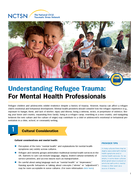
Refugee children and adolescents exhibit resilience despite a history of trauma. However, trauma can affect a refugee
child’s emotional and behavioral development. Mental health providers should consider how the refugee experience (e.g.,
exposur
...
e to hunger, thirst, and lack of shelter; injury and illness; being a witness, victim, or perpetrator of violence; fleeing
your home and country; separating from family; living in a refugee camp; resettling in a new country; and navigating
between the new culture and the culture of origin) may contribute to a child or adolescent’s emotional or behavioral presentation
in a clinic, school, or community setting.
more

Antimicrobial resistance (AMR) is a global human, animal, plant and environment health threat that needs to be addressed by every country. The impacts of AMR are wide-ranging in terms of human health, animal health, food security and safety, environmental effects on ecosystems and biodiversity, and
...
socioeconomic development. Just like the climate crisis, AMR poses a significant threat to the delivery of the 2030 Agenda for Sustainable Development. The response to the AMR crisis has been spearheaded through the global action plan on antimicrobial resistance (GAP-AMR), developed by the World Health Organization (WHO) in 2015, in close collaboration with the Food and Agriculture Organization of the United Nations (FAO) and the World Organisation for Animal Health (WOAH), and formally endorsed by the three organizations’ governing bodies and by the Political Declaration of the high-level meeting of the United Nations General Assembly on AMR in 2016. In 2022, the three organizations officially became the Quadripartite by welcoming the United Nations Environment Programme (UNEP) into the alliance “to accelerate coordination strategy on human, animal and ecosystem health”.
The aim of the GAP-AMR is to ensure the continuity of successful treatment with effective and safe medicines.
Its strategic objectives include:
• improving the awareness and understanding of AMR;
• strengthening the knowledge and evidence base through surveillance and research;
• reducing the incidence of infection through effective sanitation, hygiene and infection prevention measures; optimizing the use of antimicrobial medicines in human and animal health; and
• developing the economic case for sustainable investment that takes account of the needs of all countries and increasing investment in new medicines, diagnostic tools, vaccines and other interventions.
With the adoption of the GAP-AMR, countries agreed to develop national action plans (NAPs) aligned with the GAP-AMR to mainstream AMR interventions nationally. Individually, the Quadripartite took action to advance AMR interventions in their respective sectors. FAO adopted a resolution on AMR recognizing that it poses an increasingly serious threat to public health and sustainable food production, and developed an AMR action plan to support the resolution’s implementation. For its part, WOAH developed a strategy on AMR aligned with the GAP-AMR, acknowledging the importance of a One Health approach to AMR. Similarly, more recently, UNEP’s governing body, the United Nations Environment Assembly, recognized that AMR is a current and increasing threat and a challenge to global health, food security and the sustainable development of all countries, and welcomed the GAP-AMR and the NAPs developed in accordance with its five overarching strategic objectives
more
The aim of this toolkit is to guide countries on how to best estimate their current burden of dengue by combining existing data from dengue surveillance systems with on-going research efforts to measure the community burden
of dengue.
