Filter
1993
Text search:
maternal
morbidity
Featured
195
714
Language
1939
46
35
30
18
16
7
4
4
2
2
1
1
1
1
1
1
1
1
1
1
1
1
1
Document type
1203
297
246
106
76
29
16
15
2
1
1
1
Countries
124
72
68
68
68
67
58
56
53
50
46
45
41
40
39
30
25
22
20
20
18
18
17
17
15
14
14
14
12
12
10
10
10
10
10
10
7
7
7
7
6
6
6
6
6
5
5
5
5
5
4
4
4
4
4
3
3
3
3
3
3
3
3
2
2
2
2
2
2
2
2
2
2
2
2
1
1
1
1
1
1
1
1
1
1
1
1
1
1
1
1
1
1
1
1
1
Authors & Publishers
271
96
61
53
52
33
30
29
24
18
16
15
14
14
13
12
11
11
10
9
9
9
9
9
9
9
7
7
7
7
7
7
7
7
7
7
6
6
6
6
6
6
6
6
6
6
6
6
5
5
5
5
5
5
5
4
4
4
4
4
4
4
4
4
4
4
4
4
4
4
4
4
4
4
4
4
4
4
4
4
4
4
3
3
3
3
3
3
3
3
3
3
3
3
3
3
3
3
3
3
3
3
3
3
3
3
3
3
3
3
3
3
3
3
3
3
3
3
3
3
3
3
3
3
3
3
3
3
3
3
3
3
3
3
2
2
2
2
2
2
2
2
2
2
2
2
2
2
2
2
2
2
2
2
2
2
2
2
2
2
2
2
2
2
2
2
2
2
2
2
2
2
2
2
2
2
2
2
2
2
2
2
2
2
2
2
2
2
2
2
2
2
2
2
2
2
2
2
2
2
2
2
2
2
2
2
2
2
2
2
2
2
2
2
2
2
2
2
2
2
2
2
2
2
2
2
2
2
2
2
2
2
2
2
2
2
2
2
2
2
2
2
2
2
2
2
1
1
1
1
1
1
1
1
1
1
1
1
1
1
1
1
1
1
1
1
1
1
1
1
1
1
1
1
1
1
1
1
1
1
1
1
1
1
1
1
1
1
1
1
1
1
1
1
1
1
1
1
1
1
1
1
1
1
1
1
1
1
1
1
1
1
1
1
1
1
1
1
1
1
1
1
1
1
1
1
1
1
1
1
1
1
1
1
1
1
1
1
1
1
1
1
1
1
1
1
1
1
1
1
1
1
1
1
1
1
1
1
1
1
1
1
1
1
1
1
1
1
1
1
1
1
1
1
1
1
1
1
1
1
1
1
1
1
1
1
1
1
1
1
1
1
1
1
1
1
1
1
1
1
1
1
1
1
1
1
1
1
1
1
1
1
1
1
1
1
1
1
1
1
1
1
1
1
1
1
1
1
1
1
1
1
1
1
1
1
1
1
1
1
1
1
1
1
1
1
1
1
1
1
1
1
1
1
1
1
1
1
1
1
1
1
1
1
1
1
1
1
1
1
1
1
1
1
1
1
1
1
1
1
1
1
1
1
1
1
1
1
1
1
1
1
1
1
1
1
1
1
1
1
1
1
1
1
1
1
1
1
1
1
1
1
1
1
1
1
1
1
1
1
1
1
1
1
1
1
1
1
1
1
1
1
1
1
1
1
1
1
1
1
1
1
1
1
1
1
1
1
1
1
1
1
1
1
1
1
1
1
1
1
1
1
1
1
1
1
1
1
1
1
1
1
1
1
1
1
1
1
1
1
1
1
1
1
1
1
1
1
1
1
1
1
1
1
1
1
1
1
1
1
1
1
1
1
1
1
1
1
1
1
1
1
1
1
1
1
1
1
1
1
1
1
1
1
1
1
1
1
1
1
1
1
1
1
1
1
1
1
1
1
1
1
1
1
1
1
1
1
1
1
1
1
1
1
1
1
1
1
1
1
1
1
1
1
1
1
1
1
1
1
1
1
1
1
1
1
1
1
1
1
1
1
1
1
1
1
1
1
1
1
1
1
1
1
1
1
1
1
1
1
1
1
1
1
1
1
1
1
1
1
1
1
1
1
1
1
1
1
1
1
1
1
1
1
1
1
1
1
1
1
1
1
1
1
1
1
1
1
1
1
1
1
1
1
1
1
1
1
1
1
1
1
1
1
1
1
1
1
1
1
1
1
1
1
1
1
1
1
1
1
1
1
1
1
1
1
1
1
1
1
1
1
1
1
1
1
1
1
1
1
1
1
1
1
1
1
1
1
1
1
1
1
1
1
1
1
1
1
1
1
1
1
1
1
1
1
1
1
1
1
1
1
1
1
1
1
1
1
1
1
1
1
1
1
1
1
1
1
1
1
1
1
1
1
1
1
1
1
1
1
1
1
1
1
1
1
1
1
1
1
1
1
1
1
1
1
1
1
1
1
1
1
1
1
1
1
1
1
1
1
1
1
1
1
1
1
1
1
1
1
1
1
1
1
1
1
1
1
1
1
1
1
1
1
1
1
1
1
1
1
1
1
1
1
1
1
1
1
1
1
1
1
1
1
1
1
1
1
1
1
1
1
1
1
1
1
1
1
1
1
1
1
1
1
1
1
1
1
1
1
1
1
1
1
1
1
1
1
1
1
1
1
1
1
1
1
1
1
1
1
1
1
1
1
1
1
1
1
1
1
1
1
1
1
1
1
1
1
1
1
1
1
1
1
1
1
1
1
1
1
1
1
1
1
1
1
1
1
1
1
1
1
1
1
1
1
1
1
1
1
1
1
1
1
1
1
1
1
1
1
1
1
1
1
1
1
1
1
1
1
1
1
1
1
1
1
1
1
1
1
1
1
1
1
1
1
1
1
1
1
1
1
1
1
1
1
1
1
1
1
1
1
1
1
1
1
1
1
1
1
1
1
1
1
1
1
1
1
1
1
1
1
1
1
1
1
1
1
1
1
1
1
1
1
1
1
1
1
1
1
1
1
1
1
1
1
1
1
1
1
1
1
1
1
1
1
1
1
1
1
1
1
1
1
1
1
1
1
1
1
1
1
1
1
1
1
1
1
1
1
1
1
1
1
1
1
1
1
1
1
1
1
1
1
1
1
1
1
1
1
1
1
1
1
1
1
1
1
1
1
1
1
1
1
1
1
1
1
1
1
1
1
1
1
1
1
1
1
1
1
1
1
1
1
1
1
1
1
1
1
1
1
1
1
1
1
1
1
1
1
1
1
1
1
1
1
1
1
1
1
1
1
1
1
1
1
1
1
1
1
1
1
1
1
1
1
1
1
1
1
1
1
1
1
1
1
1
1
1
1
1
1
1
1
1
1
1
1
1
1
1
1
1
1
1
1
1
1
1
1
1
1
1
1
1
1
1
1
1
1
1
1
1
1
1
1
1
1
1
1
1
1
1
1
1
1
1
1
1
1
1
1
1
1
1
1
1
1
1
1
1
1
1
1
1
1
1
1
1
1
1
1
1
1
1
1
1
1
1
1
1
1
1
1
1
1
1
1
1
1
1
1
1
1
1
1
1
1
1
1
1
1
1
1
1
1
1
1
1
1
1
1
1
1
1
1
1
1
1
1
1
1
1
1
1
1
1
1
1
1
1
1
1
1
1
1
1
1
1
1
1
1
1
1
1
1
1
1
1
1
1
1
1
1
1
1
1
1
1
1
1
1
1
1
1
1
1
1
1
1
1
1
1
1
1
1
1
1
1
1
1
1
1
1
1
1
1
1
1
1
1
1
1
1
1
1
1
1
1
1
1
1
1
1
1
1
1
1
1
1
1
1
1
1
1
1
1
1
1
1
1
1
1
1
1
1
1
1
1
1
1
1
1
1
1
1
1
1
1
1
1
1
1
1
1
1
1
1
1
1
1
1
1
1
1
1
1
1
1
1
1
1
1
1
1
1
1
1
1
1
1
1
1
1
1
1
1
1
1
1
1
1
1
1
1
1
1
1
1
1
1
1
1
1
1
1
1
1
1
1
1
1
1
1
1
1
1
1
1
1
1
1
1
1
1
1
1
1
1
1
1
1
1
1
1
1
1
1
1
1
1
Publication Years
522
1282
185
4
Category
1054
231
180
110
94
41
8
Toolboxes
103
81
67
57
56
49
46
42
42
36
32
27
26
24
23
20
14
13
13
13
10
6
3
2
1
This report is documenting the global incidence of attacks and threats against health workers, facilities, and transport around the world. The report cites 806 incidents of violence against or obstruction of health care in 43 countries and territories in ongoing wars and violent conflicts in 2020, r
...
anging from the bombing of hospitals in Yemen to the abduction of doctors in Nigeria. Attacks -- including killings, kidnappings, and sexual assaults, as well as destruction and damage of health facilities and transports -- compounded the threats to health in every country as health systems struggled to prepare for and respond to the outbreak of the COVID-19 pandemic.
more
A new brief published by the IFRC and Climate Centre today details the adverse impacts of climate change on human health and provides more detail on the second of four pillars of action in the Red Cross Red Crescent Movement ambitions on climate.
WHO list of priority medical devices for management of cardiovascular diseases and diabetes
recommended
This publication was developed in response to the need for a reference list of priority medical devices required for management of noncommunicable diseases (NCDs), focusing on cardiovascular diseases and diabetes, especially for low- and middle-income countries to support universal health coverage a
...
ctions.
more
The primary audience for this guidance is persons
working directly in vector-borne disease prevention
and control, including programme managers,
researchers and field workers. A brief technical
background is provided for the benefit of persons
without expertise in vector-borne diseases; readers
...
working in the field may wish to skip the background
section and begin with the discussion of ethical
issues and values in Chapter 3. The guidance cannot
offer universally applicable answers to the complex
ethical issues raised, nor can it provide a checklist of
issues that are necessarily relevant in all situations.
Rather, its goal is to help readers recognize aspects
of their work that raise significant ethical challenges
and to respond to these challenges in accordance
with internationally accepted values and norms.
more
Published OnlineJuly 14, 2021https://doi.org/10.1016/S2214-109X(21)00164-9. New Lancet research offers the first comprehensive analysis of the growing footprint of noncommunicable and injury-related neurological disorders to India’s overall disease burden.
Takeaways from 1990 to 2019 In terms
...
of total disability adjusted life years:
• The share of noncommunicable neurological disorders doubled from 4% to 8.2%.
• Injury-related neurological disorders increased from 0.2% to 1.1%
• The contribution of communicable neurological disorders decreased from 4.1% to 1.1%
• Stroke, epilepsy, cerebral palsy, and headache disorders were among the largest contributors to DALYs.
more

Primary health care, as outlined in the 1978 Declaration of Alma-Ata and again 40 years later in the 2018 WHO/UNICEF document A vision for primary health care in the 21st century: towards universal health coverage and the Sustainable Development Goals, is a whole-of-government and whole-of-society a
...
pproach to health that combines the following three components: multisectoral policy and action; empowered people and communities; and primary care and essential public health functions as the core of integrated health services.(1) Primary health care-oriented health systems are health systems organized and operated so as to make the right to the highest attainable level of health the main goal, while maximizing equity and solidarity. They are composed of a core set of structural and functional elements that support achieving universal coverage and access to services that are acceptable to the population and that are equity enhancing. The term “primary care” refers to a key process in the health system that supports first-contact, accessible, continued, comprehensive and coordinated patient-focused care.
more
For the primary health worker in a low/middle-income country (LMIC) setting, delivering quality primary care is challenging. This is often complicated by clinical guidance that is out of date, inconsistent and informed by evidence from high-income countries that ignores LMIC resource constraints and
...
burden of disease. The Knowledge Translation Unit (KTU) of the University of Cape Town Lung Institute has developed, implemented and evaluated a health systems intervention in South Africa, and localised it to Botswana, Nigeria, Ethiopia and Brazil, that simplifies and standardises the care delivered by primary health workers while strengthening the system in which they work. At the core of this intervention, called Practical Approach to Care Kit (PACK), is a clinical decision support tool, the PACK guide. This paper describes the development of the guide over an 18-year period and explains the design features that have addressed what the patient, the clinician and the health system need from clinical guidance, and have made it, in the words of a South African primary care nurse, ‘A tool for every day for every patient’. It describes the lessons learnt during the development process that the KTU now applies to further development, maintenance and in-country localisation of the guide: develop clinical decision support in context first, involve local stakeholders in all stages, leverage others’ evidence databases to remain up to date and ensure content development, updating and localisation articulate with implementation.
more
PlosOne Published: July 14, 2021
https://doi.org/10.1371/journal.pone.0254339
The National Guideline for Neonatal Care and Establishment of Neonatal Care Unit aims to provide health workers with all basics and necessary knowledge and skills to provide appropriate care at the most vulnerable period in a newborn’s life. This guideline will be available to all health facilitie
...
s as a reference book for health workers. The book contains up-to-date evidence-based information and management of newborns with a range of needs in the initial newborn period
more
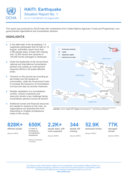
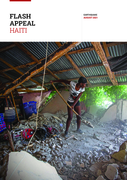
A 7.2-magnitude earthquake struck southwestern Haiti at 8:30am local time at a depth of around 10km. The epicentre was recorded around 12km northeast of SaintLouis-du-Sud, about 125km west of the capital Port-au-Prince.
● In the aftermath of the devastating 7.2-magnitude earthquake that hit Hai
...
ti on 14 August, authorities report more than 2,200 people dead, at least 344 missing, over 12,000 injured and upwards of 130,000 homes damaged or destroyed.
more
The recommendations cover the level of blood pressure to start medication, what type of medicine or combination of medicines to use, the target blood pressure level, and how often to have follow-up checks on blood pressure. In addition, the guideline provides the basis for how physicians and other h
...
ealth workers can contribute to improving hypertension detection and management.
more
The 10 recommendations in the COP26 Special Report on Climate Change and Health propose a set of priority actions from the global health community to governments and policy makers, calling on them to act with urgency on the current climate and health crises.
The recommendations were developed in
...
consultation with over 150 organizations and 400 experts and health professionals. They are intended to inform governments and other stakeholders ahead of the 26th Conference of the Parties (COP26) of the United Nations Framework Convention on Climate Change (UNFCCC) and to highlight various opportunities for governments to prioritize health and equity in the international climate movement and sustainable development agenda. Each recommendation comes with a selection of resources and case studies to help inspire and guide policymakers and practitioners in implementing the suggested solutions
more
Healthy people, healthy animals and a healthy environment worldwide with the One Health approach.
The COVID-19 pandemic has drastically demonstrated just how close the link is between humans, animals, and the environment, and has highlighted and aggravated existing challenges. The destruction of na
...
tural habitats and displacement of species, trade in wild animals, resource-intensive lifestyles and conditions, non-sustainable food systems and, in particular, industrial agriculture and intensive livestock farming are the causes of the emergence of zoonoses as well as numerous other communicable and non-communicable, chronic diseases.
The One Health approach focuses precisely on such interaction between humans, animals, and the environment.
more
World Health Organization, Food and Agriculture Organization of the United Nations & World Organisation for Animal Health. (2021). Antimicrobial resistance and the United Nations sustainable development cooperation framework: guidance for United Nations country teams. World Health Organization
...
more

This report is the first of its kind. It brings together various data sets to present the current status of hand hygiene, highlight lagging progress, and call governments and supporting agencies to action, offering numerous inspiring examples of change.
During the COVID-19 pandemic, hand hygiene
...
received unprecedented attention and became a central pillar in national COVID prevention strategies. However, concern with hand hygiene should not only be as temporary public health measure in times of crisis, but as a vital everyday behaviour that contributes to health and economic resilience. Hand hygiene is a highly cost-effective investment, providing outsized health benefits for relatively little cost.
Despite efforts to promote hand hygiene, the rates of access to hand hygiene facilities remain stubbornly low. If current rates of progress continue, by the end of the SDG era in 2030, 1.9 billion people will still lack facilities to wash their hands at home.
This report presents a compelling case for investment in five key ‘accelerators’ as a pathway towards achieving hand hygiene for all – governance, financing, capacity development, data and information, and innovation. These accelerators are identified under the UN-Water SDG 6 Global Acceleration Framework.
more
Strategical plan