
Filter
4213
Text search:
World
Resources
Institute
Featured
376
1057
Language
4100
85
74
59
50
36
19
13
9
6
5
4
4
3
3
3
3
3
3
2
2
2
2
2
2
2
2
2
1
1
1
1
1
1
1
1
1
1
1
Document type
2179
908
519
283
170
72
39
26
10
2
1
1
1
Countries / Regions
226
195
127
106
91
88
87
77
73
72
67
65
62
62
61
61
59
56
56
50
47
42
40
37
35
35
34
32
29
26
26
25
23
21
21
21
18
18
18
18
17
17
16
15
15
14
14
13
13
13
12
12
12
11
11
11
10
10
10
9
9
9
8
8
8
7
7
7
7
6
6
6
6
6
6
6
5
5
5
4
4
4
4
4
4
4
4
4
3
3
3
3
3
3
3
3
3
3
3
3
3
2
2
2
2
2
2
2
2
2
2
2
2
2
2
2
2
2
2
1
1
1
1
1
1
1
1
1
1
1
1
1
1
1
1
1
1
1
1
1
Authors & Publishers
616
198
179
109
93
64
61
56
45
36
33
25
23
22
20
19
18
18
17
17
16
16
16
15
15
14
13
13
13
13
12
12
11
11
11
11
11
11
10
10
10
10
9
9
9
9
9
9
9
9
8
8
8
8
8
8
8
8
8
8
8
7
7
7
7
7
7
7
7
7
7
7
7
7
7
7
6
6
6
6
6
6
6
6
6
6
6
6
6
6
6
6
5
5
5
5
5
5
5
5
5
5
5
5
5
5
5
5
5
5
5
5
5
5
5
5
5
5
4
4
4
4
4
4
4
4
4
4
4
4
4
4
4
4
4
4
4
4
4
4
4
4
4
4
4
4
4
4
4
4
4
4
4
4
4
4
4
4
4
4
4
4
4
4
4
4
3
3
3
3
3
3
3
3
3
3
3
3
3
3
3
3
3
3
3
3
3
3
3
3
3
3
3
3
3
3
3
3
3
3
3
3
3
3
3
3
3
3
3
3
3
3
3
3
3
3
3
3
3
3
3
3
3
3
3
3
3
3
3
3
3
3
3
3
3
3
3
3
3
3
3
3
3
3
3
3
3
3
3
3
3
3
3
3
3
3
3
3
3
3
3
3
3
2
2
2
2
2
2
2
2
2
2
2
2
2
2
2
2
2
2
2
2
2
2
2
2
2
2
2
2
2
2
2
2
2
2
2
2
2
2
2
2
2
2
2
2
2
2
2
2
2
2
2
2
2
2
2
2
2
2
2
2
2
2
2
2
2
2
2
2
2
2
2
2
2
2
2
2
2
2
2
2
2
2
2
2
2
2
2
2
2
2
2
2
2
2
2
2
2
2
2
2
2
2
2
2
2
2
2
2
2
2
2
2
2
2
2
2
2
2
2
2
2
2
2
2
2
2
2
2
2
2
2
2
2
2
2
2
2
2
2
2
2
2
2
2
2
2
2
2
2
2
2
2
2
2
2
2
2
2
2
2
2
2
2
2
2
2
2
2
2
2
2
2
2
2
2
2
2
2
2
2
2
2
2
2
2
2
2
2
2
2
2
2
2
2
2
2
2
2
2
2
2
2
2
2
2
2
2
2
2
2
2
2
2
2
2
2
2
2
1
1
1
1
1
1
1
1
1
1
1
1
1
1
1
1
1
1
1
1
1
1
1
1
1
1
1
1
1
1
1
1
1
1
1
1
1
1
1
1
1
1
1
1
1
1
1
1
1
1
1
1
1
1
1
1
1
1
1
1
1
1
1
1
1
1
1
1
1
1
1
1
1
1
1
1
1
1
1
1
1
1
1
1
1
1
1
1
1
1
1
1
1
1
1
1
1
1
1
1
1
1
1
1
1
1
1
1
1
1
1
1
1
1
1
1
1
1
1
1
1
1
1
1
1
1
1
1
1
1
1
1
1
1
1
1
1
1
1
1
1
1
1
1
1
1
1
1
1
1
1
1
1
1
1
1
1
1
1
1
1
1
1
1
1
1
1
1
1
1
1
1
1
1
1
1
1
1
1
1
1
1
1
1
1
1
1
1
1
1
1
1
1
1
1
1
1
1
1
1
1
1
1
1
1
1
1
1
1
1
1
1
1
1
1
1
1
1
1
1
1
1
1
1
1
1
1
1
1
1
1
1
1
1
1
1
1
1
1
1
1
1
1
1
1
1
1
1
1
1
1
1
1
1
1
1
1
1
1
1
1
1
1
1
1
1
1
1
1
1
1
1
1
1
1
1
1
1
1
1
1
1
1
1
1
1
1
1
1
1
1
1
1
1
1
1
1
1
1
1
1
1
1
1
1
1
1
1
1
1
1
1
1
1
1
1
1
1
1
1
1
1
1
1
1
1
1
1
1
1
1
1
1
1
1
1
1
1
1
1
1
1
1
1
1
1
1
1
1
1
1
1
1
1
1
1
1
1
1
1
1
1
1
1
1
1
1
1
1
1
1
1
1
1
1
1
1
1
1
1
1
1
1
1
1
1
1
1
1
1
1
1
1
1
1
1
1
1
1
1
1
1
1
1
1
1
1
1
1
1
1
1
1
1
1
1
1
1
1
1
1
1
1
1
1
1
1
1
1
1
1
1
1
1
1
1
1
1
1
1
1
1
1
1
1
1
1
1
1
1
1
1
1
1
1
1
1
1
1
1
1
1
1
1
1
1
1
1
1
1
1
1
1
1
1
1
1
1
1
1
1
1
1
1
1
1
1
1
1
1
1
1
1
1
1
1
1
1
1
1
1
1
1
1
1
1
1
1
1
1
1
1
1
1
1
1
1
1
1
1
1
1
1
1
1
1
1
1
1
1
1
1
1
1
1
1
1
1
1
1
1
1
1
1
1
1
1
1
1
1
1
1
1
1
1
1
1
1
1
1
1
1
1
1
1
1
1
1
1
1
1
1
1
1
1
1
1
1
1
1
1
1
1
1
1
1
1
1
1
1
1
1
1
1
1
1
1
1
1
1
1
1
1
1
1
1
1
1
1
1
1
1
1
1
1
1
1
1
1
1
1
1
1
1
1
1
1
1
1
1
1
1
1
1
1
1
1
1
1
1
1
1
1
1
1
1
1
1
1
1
1
1
1
1
1
1
1
1
1
1
1
1
1
1
1
1
1
1
1
1
1
1
1
1
1
1
1
1
1
1
1
1
1
1
1
1
1
1
1
1
1
1
1
1
1
1
1
1
1
1
1
1
1
1
1
1
1
1
1
1
1
1
1
1
1
1
1
1
1
1
1
1
1
1
1
1
1
1
1
1
1
1
1
1
1
1
1
1
1
1
1
1
1
1
1
1
1
1
1
1
1
1
1
1
1
1
1
1
1
1
1
1
1
1
1
1
1
1
1
1
1
1
1
1
1
1
1
1
1
1
1
1
1
1
1
1
1
1
1
1
1
1
1
1
1
1
1
1
1
1
1
1
1
1
1
1
1
1
1
1
1
1
1
1
1
1
1
1
1
1
1
1
1
1
1
1
1
1
1
1
1
1
1
1
1
1
1
1
1
1
1
1
1
1
1
1
1
1
1
1
1
1
1
1
1
1
1
1
1
1
1
1
1
1
1
1
1
1
1
1
1
1
1
1
1
1
1
1
1
1
1
1
1
1
1
1
1
1
1
1
1
1
1
1
1
1
1
1
1
1
1
1
1
1
1
1
1
1
1
1
1
1
1
1
1
1
1
1
1
1
1
1
1
1
1
1
1
1
1
1
1
1
1
1
1
1
1
1
1
1
1
1
1
1
1
1
1
1
1
1
1
1
1
1
1
1
1
1
1
1
1
1
1
1
1
1
1
1
1
1
1
1
1
1
1
1
1
1
1
1
1
1
1
1
1
1
1
1
1
1
1
1
1
1
1
1
1
1
1
1
1
1
1
1
1
1
1
1
1
1
1
1
1
1
1
1
1
1
1
1
1
1
1
1
1
1
1
1
1
1
1
1
1
1
1
1
1
1
1
1
1
1
1
1
1
1
1
1
1
1
1
1
1
1
1
1
1
1
1
1
1
1
1
1
1
1
1
1
1
1
1
1
1
1
1
1
1
1
1
1
1
1
1
1
1
1
1
1
1
1
1
1
1
1
1
1
1
1
1
1
1
1
1
1
1
1
1
1
1
1
1
1
1
1
1
1
1
1
1
1
1
1
1
1
1
1
1
1
1
1
1
1
1
1
1
1
1
1
1
1
1
1
1
1
1
1
1
1
1
1
1
1
1
1
1
1
1
1
1
1
1
1
1
1
1
1
1
1
1
1
1
1
1
1
1
1
1
1
1
1
1
1
1
1
1
1
1
1
1
1
1
1
1
1
1
1
1
1
1
1
1
1
1
1
1
1
1
1
1
1
1
1
1
1
1
1
1
1
1
1
1
1
1
1
1
1
1
1
1
1
1
1
1
1
1
1
1
1
1
1
1
1
1
1
1
1
1
1
1
1
1
1
1
1
1
1
1
1
1
1
1
1
1
1
1
1
1
1
1
1
1
1
1
1
1
1
1
1
1
1
1
1
1
1
1
1
1
1
1
1
1
1
1
1
1
1
1
1
1
1
1
1
1
1
1
1
1
1
1
1
1
1
1
1
1
1
1
1
1
1
1
1
1
1
1
1
1
1
1
1
1
1
1
1
1
1
1
1
1
1
1
1
1
1
1
1
1
1
1
1
1
1
1
1
1
1
1
1
1
1
1
1
1
1
1
1
1
1
1
1
1
1
1
1
1
1
1
1
1
1
1
1
1
1
1
1
1
1
1
1
1
1
1
1
1
1
1
1
1
1
1
1
1
1
1
1
1
1
1
1
1
1
1
1
1
1
1
1
1
1
1
1
1
1
1
1
1
1
1
1
1
1
1
1
1
1
1
1
1
1
1
1
1
1
1
1
1
1
1
1
1
1
1
1
1
1
1
1
1
1
1
1
1
1
1
1
1
1
1
1
1
1
1
1
1
1
1
1
1
1
1
1
1
1
1
1
1
1
1
1
1
1
1
1
1
1
1
1
1
1
1
1
1
1
1
1
1
1
1
1
1
1
1
1
1
1
1
1
1
1
1
1
1
1
1
1
1
1
1
1
1
1
1
1
1
1
1
1
1
1
1
1
1
1
1
1
1
1
1
1
1
1
1
1
1
1
1
1
1
1
1
1
1
1
1
1
1
1
1
1
1
1
1
1
1
1
1
1
1
1
1
1
1
1
1
1
1
1
1
1
1
1
1
1
1
1
1
1
1
1
1
1
1
1
1
1
1
1
1
1
1
1
1
1
1
1
1
1
1
1
1
1
1
1
1
1
1
1
1
1
1
1
1
1
1
1
1
1
1
1
1
1
1
1
1
1
1
1
1
1
1
1
1
1
1
1
1
1
1
1
1
1
1
1
1
1
1
1
1
1
1
1
1
1
1
1
1
1
1
1
1
1
1
1
1
1
1
1
1
1
1
1
1
1
1
1
1
1
1
1
1
1
1
1
1
1
1
1
1
1
1
1
1
1
1
1
1
1
1
1
1
1
1
1
1
1
1
1
1
1
1
1
1
1
1
1
1
1
1
1
1
1
1
1
1
1
1
1
1
1
1
1
1
1
1
1
1
1
1
1
1
1
1
1
1
1
1
1
1
1
1
1
1
1
1
1
1
1
1
1
1
1
1
1
1
1
1
1
1
1
1
1
1
1
1
1
1
1
1
1
1
1
1
1
1
1
1
1
1
1
1
1
1
1
1
1
1
1
1
1
1
1
1
1
1
1
1
1
1
1
1
1
1
1
1
1
1
1
1
1
1
1
1
1
1
1
1
1
1
1
1
1
1
1
1
1
1
1
1
1
1
1
1
1
1
1
1
1
1
1
1
1
1
1
1
1
1
1
1
1
1
1
1
1
1
1
1
1
1
1
1
1
1
1
1
1
1
1
1
1
1
1
1
1
1
1
1
1
1
1
1
1
1
1
1
1
1
1
1
1
1
1
1
1
1
1
1
1
1
1
1
1
1
1
1
1
1
1
1
1
1
1
1
1
1
1
1
1
1
1
1
1
1
1
1
1
1
1
1
1
1
1
1
1
1
1
1
1
1
1
1
1
1
1
1
1
1
1
1
1
1
1
1
1
1
1
1
1
1
1
1
1
1
1
1
1
1
1
1
1
1
1
1
1
1
1
1
1
1
1
1
1
1
1
1
1
1
1
1
1
1
1
1
1
1
1
1
1
1
1
1
1
1
1
1
1
1
1
1
1
1
1
1
1
1
1
1
1
1
1
1
1
1
1
1
1
1
1
1
1
1
1
1
1
1
1
1
1
1
1
1
1
1
1
1
1
1
1
1
1
1
1
1
1
1
1
1
1
1
1
1
1
1
1
1
1
1
1
1
1
1
1
1
1
1
1
1
1
1
1
1
1
1
1
1
1
1
1
1
1
1
1
1
1
1
1
1
1
1
1
1
1
1
1
1
1
1
1
1
1
1
1
1
1
1
1
1
1
1
1
1
1
1
1
1
1
1
1
1
1
1
1
1
1
1
1
1
1
1
1
1
1
1
1
1
1
1
1
1
1
1
1
1
1
1
1
1
1
1
1
1
1
1
1
1
1
1
1
1
1
1
1
1
1
1
1
1
1
1
1
1
1
1
1
1
1
1
1
1
1
1
1
1
1
1
1
1
1
1
1
1
1
1
1
1
1
1
1
1
1
1
1
1
1
1
1
1
1
1
1
1
1
1
1
1
1
1
1
1
1
1
1
1
1
1
1
1
1
1
1
1
1
1
1
1
1
1
1
1
1
1
1
1
1
1
1
1
1
1
1
1
1
1
1
1
1
1
1
1
1
1
1
1
1
1
1
1
1
1
1
1
1
1
1
1
1
1
1
1
1
1
1
1
1
1
1
1
1
1
1
1
1
1
1
1
1
1
1
1
1
1
1
1
1
1
1
1
1
1
1
1
1
1
1
1
1
1
1
1
1
1
1
1
1
1
1
1
1
1
1
1
1
1
1
1
1
1
1
1
1
1
1
1
1
1
1
1
1
1
1
1
1
1
1
1
1
1
1
1
1
1
1
1
1
1
1
1
1
1
1
1
1
1
1
1
1
1
1
1
1
1
1
1
1
1
1
1
1
1
1
1
1
1
1
1
1
1
1
1
1
1
1
1
1
1
1
1
1
1
1
1
1
1
1
1
1
1
1
1
1
1
1
1
1
1
1
1
1
1
1
1
1
1
1
1
1
1
1
1
1
1
1
1
1
1
1
1
1
1
1
1
1
1
1
1
1
1
1
1
1
1
1
1
1
1
1
1
1
1
1
1
1
1
1
1
1
1
1
1
1
1
1
1
1
1
1
1
1
1
1
1
1
1
1
1
1
1
1
1
1
1
1
1
1
1
1
1
1
1
1
1
1
1
1
1
1
1
1
1
1
1
1
1
1
1
1
1
1
1
1
1
1
1
1
1
1
1
1
1
1
1
1
1
1
1
1
1
1
1
1
1
1
1
1
1
1
1
1
1
1
1
1
1
1
1
1
1
1
1
1
1
1
1
1
1
1
1
1
1
1
1
1
1
1
1
1
1
1
1
1
1
1
1
1
1
1
1
1
1
1
1
1
1
1
1
1
1
1
1
1
1
1
1
1
1
1
1
1
1
1
1
1
1
1
1
1
1
1
1
1
1
1
1
1
1
1
1
1
1
1
1
1
1
1
1
1
1
1
1
1
1
1
1
1
1
1
1
1
1
1
1
1
1
1
1
1
1
1
1
1
1
1
1
1
1
1
1
1
1
1
1
1
1
1
1
1
1
1
1
1
1
1
1
1
1
1
1
1
1
1
1
1
1
1
1
1
1
1
1
1
1
1
1
1
1
1
1
1
1
1
1
1
1
1
1
1
1
1
1
1
1
1
1
1
1
1
1
1
1
1
1
1
1
1
1
1
1
1
1
1
1
1
1
1
1
1
1
1
1
1
1
1
1
1
1
1
1
1
1
1
1
1
1
1
1
1
1
1
1
1
1
1
1
1
1
1
1
1
1
1
1
1
1
1
1
1
1
1
1
1
1
1
1
1
1
1
1
1
1
1
1
1
1
1
1
1
1
1
1
1
1
1
1
1
1
1
1
1
1
1
1
1
1
1
1
1
1
1
1
1
1
1
1
1
1
1
1
1
1
1
1
1
1
1
1
1
1
1
1
1
1
1
1
1
1
1
1
1
1
1
1
1
1
1
1
1
1
1
1
1
1
1
1
1
1
1
1
1
1
1
1
1
1
1
1
1
1
1
1
1
1
1
1
1
1
1
1
1
1
1
1
1
1
1
1
1
1
1
1
1
1
1
1
1
1
1
1
1
1
1
1
1
1
1
1
1
1
1
1
1
1
1
1
1
1
1
1
1
1
1
1
1
1
1
1
1
1
1
1
1
1
1
1
1
1
1
1
1
1
1
1
1
1
1
1
1
1
1
1
1
1
1
1
1
1
1
1
1
1
1
1
1
1
1
1
1
1
1
1
1
1
1
1
1
1
1
1
1
1
1
1
1
1
1
1
1
1
1
1
1
1
1
1
1
1
1
1
1
1
1
1
1
1
1
1
1
1
1
1
1
1
1
1
1
1
1
1
1
1
1
1
1
1
1
1
1
1
1
1
1
1
1
1
1
1
1
1
1
1
1
1
1
1
1
1
1
1
1
1
1
1
1
1
1
1
1
1
1
1
1
1
1
1
1
1
1
1
1
1
1
1
1
1
1
1
1
1
1
1
1
1
1
1
1
1
1
1
1
1
1
1
1
1
1
1
1
1
1
1
1
1
1
1
1
1
1
1
1
1
1
1
1
1
1
1
1
1
1
1
1
1
1
1
1
1
1
1
1
1
1
1
1
1
1
1
1
1
1
1
1
1
1
1
1
1
1
1
1
1
1
1
1
1
1
1
1
1
1
1
1
1
1
1
1
1
1
1
1
1
1
1
1
1
1
1
1
1
1
1
1
1
1
1
1
1
1
1
1
1
1
1
1
1
1
1
1
1
1
1
1
1
1
1
1
1
1
1
1
1
1
1
1
1
1
1
1
1
1
1
1
1
1
1
1
1
1
1
1
1
1
1
1
1
1
1
1
1
1
1
1
1
1
1
1
1
1
1
1
1
1
1
1
1
1
1
1
1
1
1
1
1
1
1
1
1
1
1
1
1
1
1
1
1
1
1
1
1
1
1
1
1
1
1
1
1
1
1
1
1
1
1
1
1
1
1
1
1
1
1
1
1
1
1
1
1
1
1
1
1
1
1
1
1
1
1
1
1
1
1
1
1
1
1
1
1
1
1
1
1
1
1
1
1
1
1
1
1
1
1
1
1
1
1
1
1
1
1
1
1
1
1
1
1
1
1
1
1
1
1
1
1
1
1
1
1
1
1
1
1
1
1
1
1
1
1
1
1
1
1
1
1
1
1
1
1
Publication Years
1295
2550
348
17
3
Category
1511
284
272
261
203
62
37
3
Toolboxes
393
289
265
213
194
193
123
123
119
115
103
92
90
88
72
68
64
61
51
50
24
21
19
18
16
3
2
Integrating Clinical Research into Epidemic Response: The Ebola Experience
Gerald Keusch, Keith McAdam, Patricia Cuff, Michelle Mancher, and Emily R. Busta
National Academies of Sciences, Engineering, and Medicine
(2017)
C1
The 2014–2015 Ebola epidemic in western Africa was the longest and most deadly Ebola epidemic in history, resulting in 28,616 cases and 11,310 deaths in Guinea, Liberia, and Sierra Leone. The Ebola virus has been known since 1976, when two separate outbreaks were identified in the Democratic Repub
...
lic of Congo (then Zaire) and South Sudan (then Sudan). However, because all Ebola outbreaks prior to that in West Africa in 2014–2015 were relatively isolated and of short duration, little was known about how to best manage patients to improve survival, and there were no approved therapeutics or vaccines. When the World Heath Organization declared the 2014-2015 epidemic a public health emergency of international concern in August 2014, several teams began conducting formal clinical trials in the Ebola affected countries during the outbreak.
more
Health care waste can be difficult to treat and dispose of safely. The environmental and health impacts of waste put extra pressure on resources. Therefore, it is important to try and reduce the quantities of waste wherever possible. Ensure waste is
...
segregated properly at the point of disposal. It is cheaper and easier to manage general waste through a municipal waste system than infectious or sharps waste which needs treatment before final disposal. Organic general wastes like food and paper can be composted rather than being wasted. Non- hazardous general waste may also be sorted for recycling.
more
This Global Plan builds on the previous edition, which laid out priority actions for 2018-2022, informed by global commitments member states endorsed at the 2018 United Nations High-Level Meeting (UNHLM) on TB. The resource needs estimates from this Global Plan include
...
resources needed for implementing TB care and prevention and R&D into new tools. This Global Plan has already informed the Global Fund Investment Case and the 2022 G20 deliberations on TB. It will serve as a key document for inspiring and aligning global advocacy efforts, such as for the upcoming UNHLM on TB in 2023.
more
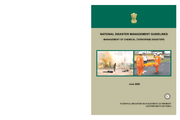
"National Disaster Management Guidelines: Management
of Chemical (Terrorism) Disasters (are intended to
focus on all aspects of the disaster management
cycle, including prevention measures such as
surveillance and intelligence, mitigation of direct
and indirect risks, preparedness in terms of
...
capacity development of human resources and
infrastructure development, as well as relief,
rehabilitation and reconstruction/recovery."
more
This guide presents new knowledge and guidelines on the provision of care to persons living with HIV/AIDS, in accordance with the last guidelines of the World Health Organization (WHO) published in 2006 and adapted to the Rwandan national context. I
...
t thus responds to the need by the Ministry of Health to improve the skills of the actors in the health sector as well as the quality of care and antiretroviral treatment offered in both public and private health facilities countrywide.
more
Sectors in which Priority Adaptation Projects should be implemented first include:
- 1) Agriculture, Early Warning Systems and Forest (First Priority Level Sectors). This is followed by:
- 2) Public Health and Water Resources (Second Pri ... ority Level Sectors);
- 3) Coastal Zone (Third Priority Level Sector); and
- 4) Energy and Industry, and Biodiversity (Fourth Priority Level Sectors). more
- 1) Agriculture, Early Warning Systems and Forest (First Priority Level Sectors). This is followed by:
- 2) Public Health and Water Resources (Second Pri ... ority Level Sectors);
- 3) Coastal Zone (Third Priority Level Sector); and
- 4) Energy and Industry, and Biodiversity (Fourth Priority Level Sectors). more
S Afr Med J 2018;108(7):546-550. DOI:10.7196/SAMJ.2018.v108i7.13149
Antimicrobial stewardship programmes have been introduced worldwide in response to the rise in antimicrobial resistance. The World Health Organization has mandated each Member Stat
...
e to produce a plan to address this problem. We report on the organic development of an antibiotic stewardship programme in a rural regional hospital in a resource-limited setting in South Africa. This has resulted in organisational change with increased awareness, participation, monitoring and education in antibiotic stewardship throughout the hospital
more
In the last five years, i.e. how old turned the Campaign “Indifesa” (Defenceless) in 2016, that was launched by Terre des Hommes in 2012, the world has become smaller. One can actually say that the derangements following the Arab Spring in 2011
...
reshuffled what is stable and what produces instability; between those, who live in a peaceful world, and those, who try to survive in areas affected by violence. All that significantly reduced the distance between those, who live there, along the Mediterranean cost, and those, who live here. Such deep disorder made even more acute, visible and tangible also for the so called developed world all the serious violations of the human rights suffered by little girls and girls: on the one hand the widespread political instability and violence made even more precarious the little girls and young women’s conditions on the Mediterranean southern coast, where they were already fragile; and on the other hand the migration flows further worsened them, matching at the same time the conditions of those young and very young migrants to those of the European girls of the same age.
more
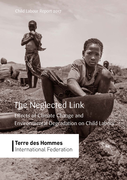
Over half a billion children are living in areas with extremely high levels of floods and nearly 160 million children live in areas of high or extremely high droughts. The World Health Organisation (WHO) estimates that 26% of the annual 6.6 million
...
deaths of children under five are linked to environment-related causes and conditions. Children are also disproportionately affected by pollution, not only in terms of death rates, but also in terms of cognitive and physical development. This report illustrates that environmental causes also have an impact on whether children are pushed to work and on the kind of work they engage in, the conditions of work, exposure to dangerous toxicants and the risk of exploitation. However, the report raises more questions than it answers as it is one of the first reports addressing the question, how environmental degradation and climate change affect the vulnerability of children towards exploitation.
more
BMC Health Services Research 14(1):42 · January 2014
The objective of this international comparative study is to describe and compare the mental health policies in seven countries of Eastern Europe that share their common communist history: Bulgaria, the Czech Republic, Hungary, Moldova, Poland
...
, Romania, and Slovakia.
The burden of totalitarian history still influences many areas of social and economic life, which also has to be taken into account in mental health policy. We may observe that after twenty years of health reforms and reforms of health reforms, the transition of the mental health systems still continues. In spite of many reform efforts in the past, a balance of community and hospital mental health services has not been achieved in this part of the world yet.
more
Research Article
Journal of Addiction
Volume 2016, Article ID 2476164, 8 pages
http://dx.doi.org/10.1155/2016/2476164
Sudan Medical and Scientific Research Institute, Khartoum, Sudan
Received 26 November 2015; Accepted 27 January 2016
The Sphere Handbook is the oldest initiative in the field of humanitarian standards. It has been field-tested over twenty years and regularly updated to ensure it remains fit for purpose in a changing world. What does not change is its rights-based
...
foundations: people have the right to assistance, the right to life with dignity, the right to protection and security, and the right to fully participate in decisions related to their own recovery
A New Version in English and French was published in 2018
more
NSW Disaster Mental Health Handbook 5
The Disaster Mental Health Manual and associated handbooks are intended as a resource for mental health staff who are seeking background information and practical guidance and resources to assist in a disaster
...
mental health response.
more
Ineffective Healthcare Technology Management in Benin’s Public Health Sector: The Perceptions of Key Actors and Their Ability to Address the Main Problems
P. Thierry Houngbo, Tjard De Cock Buning, Joske Bunders, Harry L. S. Coleman, Daton Medenou, Laurent Dakpanon†, Marjolein Zweekhorst
International Journal of Health Policy and Management IJHPM
(2017)
C2
Int J Health Policy Manag 2017, 6(10), 587–600
Low-income countries face many contextual challenges to manage healthcare technologies effectively, as the majority are imported and resources are constrained to a greater extent. Previous healthca
...
re technology management (HTM) policies in Benin have failed to produce better quality of care for the population and cost-effectiveness for the government. This study aims to identify and assess the main problems facing HTM in Benin’s public health sector, as well as the ability of key actors within the sector to address these problems.
more
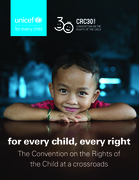
Thirty years ago, the United Nations General Assembly adopted the Convention on the Rights of the Child at a moment of rapid global change marked by the end of apartheid, the fall of the Berlin Wall and the birth of the World Wide Web. These develop
...
ments and more brought momentous and lasting evolution, as well as a sense of renewal and hope for future generations. In a reflection of that hopeful spirit, the Convention has since become the most widely ratified human rights treaty in history.
more
The primary role of Benin’s Department of Pharmacy and Medicines (DPMED) is to develop and apply the national pharmaceutical policy. The main objective of this policy is to ensure the availability and accessibility of quality medicines for the population. To fulfill its mandate, DPMED aims to stre
...
ngthen its regulatory capacity, including the issuance of licenses to pharmaceutical establishments and the registration of pharmaceutical products. Benin’s current registration system shares core concerns that are common to most developing countries, notably the capacity to evaluate and monitor the security, efficacy, and quality of medicines and other health products. It is currently characterized by 1) poor or inadequate traceability of records or regulations (example: a product’s marketing authorization [MA] is often hard to find); 2) lack of evidence used in the regulatory decision-making process (reasons behind special import authorization, i.e., products without valid MAs); 3) inconsistent and unsecured archiving system; 4) limited human resources; and 5) an inefficient information management system
more
This study addresses part of the Terms of Reference for a scoping report ‘An analysis of approaches to laboratory capacity strengthening for drug resistant infections in low and middle income countries’. It has been produced as a separate report because it is also very relevant for a second stud
...
y ‘Supporting Surveillance Capacity for Antimicrobial Resistance: Regional Networks and Educational Resources’. This study compares antimicrobial surveillance systems in three low and middle income countries in order to describe the components of these systems and to understand which surveillance models are best suited to particular contexts. Ghana, Nigeria and Nepal were selected as study countries because they cover different continents and include one ‘fragile’ context (Nigeria). Brief information from Malawi is also included.
more
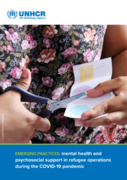
This document presents a brief overview of how UNHCR adapts its activities for mental health and psychosocial support (MHPSS) to the changing context of the pandemic. Staff of UNHCR and partners, in country offices in all regions of the world, have
...
developed innovative field practices to continue providing essential MHPSS services to refugees. The examples in this document are testimony to the commitment and creativity of our staff and can serve as inspiration and encouragement for others to continue integrating MHPSS in the humanitarian work during and after the COVID-19 pandemic.
more
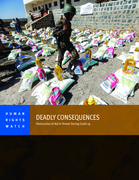
With about 24 million of Yemen’s 30 million people in need of some form of assistance, the United Nations calls Yemen the world’s worst humanitarian crisis. Cholera and other disease outbreaks are common, malnutrition is widespread, water is sca
...
rce, and the healthcare system is crumbling, with only half of the country’s 5,000 or so health facilities fully operational and with massive medical supply and staff shortages. In August 2020, the UN warned the country was again on the brink of full-scale famine.
more
