
Filter
2510
Text search:
NGO
Featured
211
981
Language
2366
69
42
34
25
22
9
9
7
6
5
4
4
3
2
2
2
2
2
2
2
2
1
1
1
1
1
1
1
1
1
1
1
1
1
1
1
1
1
1
1
1
1
Document type
1726
300
179
126
76
35
31
22
8
3
2
1
Countries
142
94
93
90
90
84
76
71
65
58
58
55
47
46
43
40
38
35
34
33
32
27
27
26
25
23
21
20
19
17
17
16
15
15
14
13
13
13
12
12
11
11
10
9
9
9
8
8
8
8
7
7
7
6
6
6
6
5
5
5
5
4
4
4
4
4
3
3
3
3
3
3
3
3
3
2
2
2
2
2
2
2
2
2
2
2
2
2
2
2
1
1
1
1
1
1
1
1
1
1
1
1
1
1
1
1
1
1
1
1
1
1
1
1
1
1
1
1
1
1
1
1
Authors & Publishers
148
72
57
56
47
38
31
27
25
20
20
20
19
18
18
16
16
15
15
14
14
14
14
13
13
12
12
10
10
10
9
9
9
9
9
9
9
8
8
8
8
8
8
8
8
7
7
7
7
7
7
7
6
6
6
6
6
6
6
6
6
6
6
5
5
5
5
5
5
5
5
5
5
5
5
5
5
5
5
5
5
5
5
4
4
4
4
4
4
4
4
4
4
4
4
4
4
4
4
4
4
4
4
4
4
4
4
4
4
4
4
4
4
4
4
4
4
4
3
3
3
3
3
3
3
3
3
3
3
3
3
3
3
3
3
3
3
3
3
3
3
3
3
3
3
3
3
3
3
3
3
3
3
3
3
3
3
3
3
3
3
3
3
3
3
3
3
3
3
3
3
3
3
3
2
2
2
2
2
2
2
2
2
2
2
2
2
2
2
2
2
2
2
2
2
2
2
2
2
2
2
2
2
2
2
2
2
2
2
2
2
2
2
2
2
2
2
2
2
2
2
2
2
2
2
2
2
2
2
2
2
2
2
2
2
2
2
2
2
2
2
2
2
2
2
2
2
2
2
2
2
2
2
2
2
2
2
2
2
2
2
2
2
2
2
2
2
2
2
2
2
2
2
2
2
2
2
2
2
2
2
2
2
2
2
2
2
2
2
2
2
2
2
2
2
2
2
2
2
2
2
2
2
2
2
2
2
2
2
2
2
2
2
2
2
2
2
2
2
2
2
2
2
2
2
2
2
2
2
2
2
2
2
2
2
2
2
2
2
2
2
2
2
2
2
2
2
2
2
2
2
2
2
2
1
1
1
1
1
1
1
1
1
1
1
1
1
1
1
1
1
1
1
1
1
1
1
1
1
1
1
1
1
1
1
1
1
1
1
1
1
1
1
1
1
1
1
1
1
1
1
1
1
1
1
1
1
1
1
1
1
1
1
1
1
1
1
1
1
1
1
1
1
1
1
1
1
1
1
1
1
1
1
1
1
1
1
1
1
1
1
1
1
1
1
1
1
1
1
1
1
1
1
1
1
1
1
1
1
1
1
1
1
1
1
1
1
1
1
1
1
1
1
1
1
1
1
1
1
1
1
1
1
1
1
1
1
1
1
1
1
1
1
1
1
1
1
1
1
1
1
1
1
1
1
1
1
1
1
1
1
1
1
1
1
1
1
1
1
1
1
1
1
1
1
1
1
1
1
1
1
1
1
1
1
1
1
1
1
1
1
1
1
1
1
1
1
1
1
1
1
1
1
1
1
1
1
1
1
1
1
1
1
1
1
1
1
1
1
1
1
1
1
1
1
1
1
1
1
1
1
1
1
1
1
1
1
1
1
1
1
1
1
1
1
1
1
1
1
1
1
1
1
1
1
1
1
1
1
1
1
1
1
1
1
1
1
1
1
1
1
1
1
1
1
1
1
1
1
1
1
1
1
1
1
1
1
1
1
1
1
1
1
1
1
1
1
1
1
1
1
1
1
1
1
1
1
1
1
1
1
1
1
1
1
1
1
1
1
1
1
1
1
1
1
1
1
1
1
1
1
1
1
1
1
1
1
1
1
1
1
1
1
1
1
1
1
1
1
1
1
1
1
1
1
1
1
1
1
1
1
1
1
1
1
1
1
1
1
1
1
1
1
1
1
1
1
1
1
1
1
1
1
1
1
1
1
1
1
1
1
1
1
1
1
1
1
1
1
1
1
1
1
1
1
1
1
1
1
1
1
1
1
1
1
1
1
1
1
1
1
1
1
1
1
1
1
1
1
1
1
1
1
1
1
1
1
1
1
1
1
1
1
1
1
1
1
1
1
1
1
1
1
1
1
1
1
1
1
1
1
1
1
1
1
1
1
1
1
1
1
1
1
1
1
1
1
1
1
1
1
1
1
1
1
1
1
1
1
1
1
1
1
1
1
1
1
1
1
1
1
1
1
1
1
1
1
1
1
1
1
1
1
1
1
1
1
1
1
1
1
1
1
1
1
1
1
1
1
1
1
1
1
1
1
1
1
1
1
1
1
1
1
1
1
1
1
1
1
1
1
1
1
1
1
1
1
1
1
1
1
1
1
1
1
1
1
1
1
1
1
1
1
1
1
1
1
1
1
1
1
1
1
1
1
1
1
1
1
1
1
1
1
1
1
1
1
1
1
1
1
1
1
1
1
1
1
1
1
1
1
1
1
1
1
1
1
1
1
1
1
1
1
1
1
1
1
1
1
1
1
1
1
1
1
1
1
1
1
1
1
1
1
1
1
1
1
1
1
1
1
1
1
1
1
1
1
1
1
1
1
1
1
1
1
1
1
1
1
1
1
1
1
1
1
1
1
1
1
1
1
1
1
1
1
1
1
1
1
1
1
1
1
1
1
1
1
1
1
1
1
1
1
1
1
1
1
1
1
1
1
1
1
1
1
1
1
1
1
1
1
1
1
1
1
1
1
1
1
1
1
1
1
1
1
1
1
1
1
1
1
1
1
1
1
1
1
1
1
1
1
1
1
1
1
1
1
1
1
1
1
1
1
1
1
1
1
1
1
1
1
1
1
1
1
1
1
1
1
1
1
1
1
1
1
1
1
1
1
1
1
1
1
1
1
1
1
1
1
1
1
1
1
1
1
1
1
1
1
1
1
1
1
1
1
1
1
1
1
1
1
1
1
1
1
1
1
1
1
1
1
1
1
1
1
1
1
1
1
1
1
1
1
1
1
1
1
1
1
1
1
1
1
1
1
1
1
1
1
1
1
1
1
1
1
1
1
1
1
1
1
1
1
1
1
1
1
1
1
1
1
1
1
1
1
1
1
1
1
1
1
1
1
1
1
1
1
1
1
1
1
1
1
1
1
1
1
1
1
1
1
1
1
1
1
1
1
1
1
1
1
1
1
1
1
1
1
1
1
1
1
1
1
1
1
1
1
1
1
1
1
1
1
1
1
1
1
1
1
1
1
1
1
1
1
1
1
1
1
1
1
1
1
1
1
1
1
1
1
1
1
1
1
1
1
1
1
1
1
1
1
1
1
1
1
1
1
1
1
1
1
1
1
1
1
1
1
1
1
1
1
1
1
1
1
1
1
1
1
1
1
1
1
1
1
1
1
1
1
1
1
1
1
1
1
1
1
1
1
1
1
1
1
1
1
1
1
1
1
1
1
1
1
1
1
1
1
1
1
1
1
1
1
1
1
1
1
1
1
1
1
1
1
1
1
1
1
1
1
1
1
1
1
1
1
1
1
1
1
1
1
1
1
1
1
1
1
1
1
1
1
1
1
1
1
1
1
1
1
1
1
1
1
1
1
1
1
1
1
1
1
1
1
1
1
1
1
1
1
1
1
1
1
1
1
1
1
1
1
1
1
1
1
1
1
1
1
1
1
1
1
1
1
1
1
1
1
1
1
1
1
1
1
1
1
1
1
1
1
1
1
1
1
1
1
1
1
1
1
1
1
1
1
1
1
1
1
1
1
1
1
1
1
1
1
1
1
1
1
1
1
1
1
1
1
1
1
1
1
1
1
1
1
1
1
1
1
1
1
1
1
1
1
1
1
1
1
1
1
1
1
1
1
1
1
1
1
1
1
1
1
1
1
1
1
1
1
1
1
1
1
1
1
1
1
1
1
1
1
1
1
1
1
1
1
1
1
1
1
1
1
1
1
1
1
1
1
1
1
1
1
1
1
1
1
1
1
1
1
1
1
1
1
1
1
1
1
1
1
1
1
1
1
1
1
1
1
1
1
1
1
1
1
1
1
1
1
1
1
1
1
1
1
1
1
1
1
1
1
1
1
1
1
1
1
1
1
1
1
1
1
1
1
1
1
1
1
1
1
1
1
1
1
1
1
1
1
1
1
1
1
1
1
1
1
1
1
1
1
1
1
1
1
1
1
1
1
1
1
1
1
1
1
1
1
1
1
1
1
1
1
1
1
1
1
1
1
1
1
1
1
1
1
1
1
1
1
1
1
1
1
1
1
1
1
1
1
1
1
1
1
1
1
1
1
1
1
1
1
1
1
1
1
1
1
1
1
1
1
1
1
1
1
1
1
1
1
1
1
1
1
1
1
1
1
1
1
1
1
1
1
1
1
1
1
1
1
1
1
1
1
1
1
1
1
1
1
1
1
1
1
1
1
1
1
1
1
1
1
1
1
1
1
1
1
1
1
1
1
1
1
1
1
1
1
1
1
1
1
1
1
1
1
1
1
1
1
1
1
1
1
1
1
1
1
1
1
1
1
1
1
1
1
1
1
1
1
1
1
1
1
1
1
1
1
1
1
1
1
1
1
1
1
1
1
1
1
1
1
1
1
1
1
1
1
1
1
1
1
1
1
1
1
1
1
1
1
1
1
1
1
1
1
1
1
1
1
1
1
1
1
1
1
1
1
1
1
1
1
1
1
1
1
1
1
1
1
1
1
1
1
1
1
1
1
1
1
1
1
1
1
1
1
1
1
1
1
1
1
1
1
1
1
1
1
1
1
1
1
1
1
1
1
1
1
1
1
1
1
1
1
1
1
1
1
1
1
1
1
1
1
1
1
1
1
1
1
1
1
1
1
1
1
1
1
1
1
1
1
1
1
1
1
1
1
1
1
1
1
1
1
1
1
1
1
1
1
1
1
1
1
1
1
1
1
1
1
1
1
1
1
1
1
1
1
1
1
1
1
1
1
1
1
1
1
1
1
1
1
1
1
1
1
1
1
1
1
1
1
1
1
1
1
1
1
1
1
1
1
1
1
1
1
1
1
1
1
1
1
1
1
1
1
1
1
1
1
1
1
1
1
1
1
1
1
1
1
1
1
1
1
1
1
1
1
1
1
1
1
1
1
1
1
1
1
1
1
1
1
1
1
1
1
1
1
1
1
1
1
1
1
1
1
1
1
1
1
1
1
1
1
1
1
1
1
1
1
1
1
1
1
1
1
1
1
1
1
1
1
1
1
1
1
1
1
1
1
1
1
1
1
1
1
1
1
1
1
1
1
1
1
1
1
1
1
1
1
1
1
1
1
1
1
1
1
1
1
1
1
1
1
1
1
1
1
1
1
1
1
1
1
1
1
1
1
1
1
1
1
1
1
1
1
1
1
1
1
1
1
1
1
1
1
1
1
1
1
1
1
1
1
1
1
1
1
1
1
1
1
1
1
1
1
1
1
1
1
1
1
1
1
1
1
1
1
1
1
1
1
1
1
1
1
1
1
1
1
1
1
1
1
1
1
1
1
1
1
1
1
1
1
1
1
1
1
1
1
1
1
1
1
1
1
1
1
1
1
1
1
1
1
1
1
1
1
1
1
1
1
1
1
1
Publication Years
434
1780
288
8
Category
1207
282
126
90
75
45
4
3
Toolboxes
186
150
146
106
104
85
71
68
62
46
45
38
37
37
34
24
23
17
12
12
11
11
9
9
4
4
2

Inequality of access to palliative care and symptom relief is one of the greatest disparities in global health care (1). Currently, there is avoidable suffering on a massive scale due to lack of access to palliative care and symptom relief in low- and middle-income countries (LMICs) (1). Yet basic p
...
alliative care that can prevent or relieve most suffering due to serious or life-threatening health conditions can be taught easily to generalist clinicians, can be provided in the community and requires only simple, inexpensive medicines and equipment. For these reasons, the World Health Assembly (WHA) resolved that palliative care is "an ethical responsibility of health systems"(2). Further, most patients who need palliative care are at home and prefer to remain there. Thus, it is imperative that palliative care be provided in the community as part of primary care. This document was written to assist ministries of health and health care planners, implementers and managers to integrate palliative care and symptom control into primary health care (PHC).
more
As part of an ongoing effort to promote disability-inclusive humanitarian action in Pacific countries, this policy brief identifies priority actions for disaster readiness, response and recovery. It has been prepared through a collaborative approach and should be a key reference in the future, promo
...
ting coordination across all levels and stages of the humanitarian cycle in the Region.
more

WHO, in partnership with the International Society for Prosthetics and Orthotics (ISPO) and the United States Agency for International Development (USAID), has published global standards for prosthetics and orthotics. Its aim is to ensure that prosthetics and orthotics services are people-centred an
...
d responsive to every individual’s personal and environmental needs. The standards advocate for the integration of prosthetics and orthotics services into health services, under universal health coverage. Implementation of these standards will support countries to fulfil their obligations under the Convention on the Rights of Persons with Disabilities and towards the Sustainable Development Goals, in particular Goal 3: Ensure healthy lives and promote well-being for all at all ages.
The standards provide guidance on the development of national policies, plans and programmes for prosthetics and orthotics services of the highest standard. The standards are divided into two documents: the standards and an implementation manual. Both documents cover four areas of the health system:
policy (governance, financing and information);
products (prostheses and orthoses);
personnel (workforce);
and provision of services.
The Standards have been developed through consultation with experts from around the globe via a steering group, development group and external review group.
more
This guidance has been developed in line with the WHO corporate risk management framework, the WHO business continuity and contingency plans, as well as the Inter-Agency Emergency Response Preparedness Framework. It is based on a common organiza-tional approach and procedures for managing including
...
emergency response across all hazards and at each level of the Organization. It relates WHO’s responsibilities (1) under the International Health Regulations (2005) and the Sendai Framework for Disaster Risk Reduction 2015-2030, and other international treaties; (2) as the United Nations’ lead agency for health and the health cluster; and (3) as a member of the United Nations or Humanitarian Country Teams
more
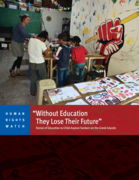
This report found that fewer than 15 percent of more than 3,000 school-age asylum-seeking children on the islands were enrolled in public school at the end of the 2017-2018 school year, and that in government-run camps on the islands, only about 100 children, all preschoolers, had access to formal e
...
ducation. The asylum-seeking children on the islands are denied the educational opportunities they would have on the mainland. Most of those who were able to go to school had been allowed to leave the government-run camps for housing run by local authorities and volunteers
more
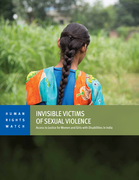
This report details the challenges many women and girls with disabilities face throughout the justice process: reporting abuse to the police, obtaining appropriate medical care, having complaints investigated, navigating the court system, and getting adequate compensation.
It highlights the numerous challenges to quality service provision, along with the organisation’s response to mental health needs, and recommendations for international and regional decision-makers including:
- Advocating and working towards mental health policies that support adequate funding f
...
or mental health care and government suppor
- Legislation to protect the rights of people with mental disorders and vulnerable communities
- Advocating for multi-year funding to support the sustainability of MHPSS programs
- Creating capacity building opportunities consistent with the IASC guidelines and supported with continuous supervision
more
Growing Up in Conflict: The Impact on Children's Mental Health and Psychosocial Well-being
Maria Bray, Sabine Rakotomalala, Leslie Snider, Saji Thomas
UNICEF, Wendy Ager, Pierette James
(2015)
Report on the symposium 26–28 May 2015, New Babylon Meeting Center, The Hague

This handbook has been compiled as a source of ideas and experiences that can be used for CLTS orientation workshops, advocacy to stakeholders, training facilitators and natural leaders and implementing CLTS activities. It is a resource book especially for field staff, facilitators and trainers for
...
planning, implementation and follow-up for CLTS.
more
Resilience and mental health in children and adolescents living in areas of armed conflict – a systematic review of findings in low- and middle-income countries
Tol, Wietse A. , Song, Suzan, Jordans, Mark J. D.
The Journal of Child Psychology and Psychiatry
(2018)
C1
Researchers focused on mental health of conflict-affected children are increasingly interested in the concept of resilience. Knowledge on resilience may assist in developing interventions aimed at improving positive outcomes or reducing negative outcomes, termed promotive or protective interventions
...
.
more

The Sphere Handbook. Humanitarian Charter and Minimum Standards in Humanitarian Response. New Edition
recommended
Humanitarian Charter and Minimum Standards in Humanitarian Response.
The 2018 Sphere Handbook builds on the latest developments and learning in the humanitarian sector. Among the improvements of the new edition, readers will find a stronger focus on the role of local authorities and communities as
...
actors of their own recovery. Guidance on context analysis to apply the standards has also been strengthened. New standards have also been developed, informed by recent practice and learning, such as WASH and healthcare settings in disease outbreaks, security of tenure in shelter and settlement, and palliative care in health. Different ways to deliver or enable assistance, including cash-based assistance, are also integrated into the Handbook.
more
This publication includes quotes from various respondents interviewed in Tripoli, Akkar and Beirut. We focused on three main questions: How are the relations between refugees and Lebanese? How are refugees faring in the job market? Which concrete initiatives have already demonstrated positive impact
...
in terms of increasing their financial and/or social well-being? The combination of those factors are key to understanding refugees’ livelihoods and coping strategies and reflect on what more can be done by local and international actors to increase social stability in Lebanon on a temporary basis, pending durable solutions.
more

Strategy, responsiveness and preparedness of the Syrian health care system in the short, mid and long term
Ebens, B., E. Fosse, M. Niechzial, et al.
World Health Organisation (WHO), Regional Office for Eastern Management
(2016)
C_WHO

It provides insight into WHO’s work that aims to improve the health of the people of the United Republic of Tanzania in collaboration with key stakeholders.

Guidelines on sanitation and health
recommended
The new WHO Guidelines on Sanitation and Health summarize the evidence on the effectiveness of a range of sanitation interventions and provide a comprehensive framework for health-protecting sanitation, covering policy and governance measures, implementation of sanitation technologies, systems and b
...
ehavioural interventions, risk-based management, and monitoring approaches. Critically, the guidelines articulate the role of the health sector in maximizing the health impact of sanitation interventions.
The guidelines also identify gaps in the evidence-base to guide future research efforts to improve the effectiveness of sanitation interventions.
(French, Spanish, Russian, Arabic in production)
more
