
Filter
2248
Text search:
childhood
mortality
Featured
187
739
Language
2163
53
41
39
18
10
8
5
2
2
2
1
1
1
Document type
1381
418
214
77
73
34
30
12
3
2
2
1
1
Countries
136
126
94
80
67
56
56
49
49
48
47
46
43
43
41
38
33
33
27
27
25
24
24
22
20
19
16
16
15
13
12
12
12
11
11
11
10
10
9
9
8
6
6
6
6
6
6
5
5
5
4
4
4
4
4
4
4
4
4
3
3
3
3
3
2
2
2
2
2
2
2
2
2
2
2
2
2
1
1
1
1
1
1
1
1
1
1
1
1
1
1
1
1
1
1
1
1
1
1
1
Authors & Publishers
274
110
70
67
57
52
44
44
38
24
20
18
17
17
17
16
13
11
11
10
10
10
10
10
9
9
9
9
8
8
8
8
8
7
7
6
6
6
6
6
6
6
6
6
6
6
5
5
5
5
5
5
5
5
5
5
5
5
4
4
4
4
4
4
4
4
4
4
4
4
4
4
4
4
4
4
4
4
4
4
4
4
4
4
4
4
4
4
4
4
4
4
4
4
4
4
3
3
3
3
3
3
3
3
3
3
3
3
3
3
3
3
3
3
3
3
3
3
3
3
3
3
3
3
3
3
3
3
3
3
3
3
3
3
3
3
3
3
2
2
2
2
2
2
2
2
2
2
2
2
2
2
2
2
2
2
2
2
2
2
2
2
2
2
2
2
2
2
2
2
2
2
2
2
2
2
2
2
2
2
2
2
2
2
2
2
2
2
2
2
2
2
2
2
2
2
2
2
2
2
2
2
2
2
2
2
2
2
2
2
2
2
2
2
2
2
2
2
2
2
2
2
2
2
2
2
2
2
2
2
2
2
2
2
2
2
2
2
2
2
2
2
2
2
2
2
2
2
2
2
2
2
2
2
2
2
2
2
2
2
2
2
2
2
2
2
2
2
2
2
2
2
2
2
2
2
2
2
2
2
2
2
2
2
2
2
2
2
2
2
2
2
2
1
1
1
1
1
1
1
1
1
1
1
1
1
1
1
1
1
1
1
1
1
1
1
1
1
1
1
1
1
1
1
1
1
1
1
1
1
1
1
1
1
1
1
1
1
1
1
1
1
1
1
1
1
1
1
1
1
1
1
1
1
1
1
1
1
1
1
1
1
1
1
1
1
1
1
1
1
1
1
1
1
1
1
1
1
1
1
1
1
1
1
1
1
1
1
1
1
1
1
1
1
1
1
1
1
1
1
1
1
1
1
1
1
1
1
1
1
1
1
1
1
1
1
1
1
1
1
1
1
1
1
1
1
1
1
1
1
1
1
1
1
1
1
1
1
1
1
1
1
1
1
1
1
1
1
1
1
1
1
1
1
1
1
1
1
1
1
1
1
1
1
1
1
1
1
1
1
1
1
1
1
1
1
1
1
1
1
1
1
1
1
1
1
1
1
1
1
1
1
1
1
1
1
1
1
1
1
1
1
1
1
1
1
1
1
1
1
1
1
1
1
1
1
1
1
1
1
1
1
1
1
1
1
1
1
1
1
1
1
1
1
1
1
1
1
1
1
1
1
1
1
1
1
1
1
1
1
1
1
1
1
1
1
1
1
1
1
1
1
1
1
1
1
1
1
1
1
1
1
1
1
1
1
1
1
1
1
1
1
1
1
1
1
1
1
1
1
1
1
1
1
1
1
1
1
1
1
1
1
1
1
1
1
1
1
1
1
1
1
1
1
1
1
1
1
1
1
1
1
1
1
1
1
1
1
1
1
1
1
1
1
1
1
1
1
1
1
1
1
1
1
1
1
1
1
1
1
1
1
1
1
1
1
1
1
1
1
1
1
1
1
1
1
1
1
1
1
1
1
1
1
1
1
1
1
1
1
1
1
1
1
1
1
1
1
1
1
1
1
1
1
1
1
1
1
1
1
1
1
1
1
1
1
1
1
1
1
1
1
1
1
1
1
1
1
1
1
1
1
1
1
1
1
1
1
1
1
1
1
1
1
1
1
1
1
1
1
1
1
1
1
1
1
1
1
1
1
1
1
1
1
1
1
1
1
1
1
1
1
1
1
1
1
1
1
1
1
1
1
1
1
1
1
1
1
1
1
1
1
1
1
1
1
1
1
1
1
1
1
1
1
1
1
1
1
1
1
1
1
1
1
1
1
1
1
1
1
1
1
1
1
1
1
1
1
1
1
1
1
1
1
1
1
1
1
1
1
1
1
1
1
1
1
1
1
1
1
1
1
1
1
1
1
1
1
1
1
1
1
1
1
1
1
1
1
1
1
1
1
1
1
1
1
1
1
1
1
1
1
1
1
1
1
1
1
1
1
1
1
1
1
1
1
1
1
1
1
1
1
1
1
1
1
1
1
1
1
1
1
1
1
1
1
1
1
1
1
1
1
1
1
1
1
1
1
1
1
1
1
1
1
1
1
1
1
1
1
1
1
1
1
1
1
1
1
1
1
1
1
1
1
1
1
1
1
1
1
1
1
1
1
1
1
1
1
1
1
1
1
1
1
1
1
1
1
1
1
1
1
1
1
1
1
1
1
1
1
1
1
1
1
1
1
1
1
1
1
1
1
1
1
1
1
1
1
1
1
1
1
1
1
1
1
1
1
1
1
1
1
1
1
1
1
1
1
1
1
1
1
1
1
1
1
1
1
1
1
1
1
1
1
1
1
1
1
1
1
1
1
1
1
1
1
1
1
1
1
1
1
1
1
1
1
1
1
1
1
1
1
1
1
1
1
1
1
1
1
1
1
1
1
1
1
1
1
1
1
1
1
1
1
1
1
1
1
1
1
1
1
1
1
1
1
1
1
1
1
1
1
1
1
1
1
1
1
1
1
1
1
1
1
1
1
1
1
1
1
1
1
1
1
1
1
1
1
1
1
1
1
1
1
1
1
1
1
1
1
1
1
1
1
1
1
1
1
1
1
1
1
1
1
1
1
1
1
1
1
1
1
1
1
1
1
1
1
1
1
1
1
1
1
1
1
1
1
1
1
1
1
1
1
1
1
1
1
1
1
1
1
1
1
1
1
1
1
1
1
1
1
1
1
1
1
1
1
1
1
1
1
1
1
1
1
1
1
1
1
1
1
1
1
1
1
1
1
1
1
1
1
1
1
1
1
1
1
1
1
1
1
1
1
1
1
1
1
1
1
1
1
1
1
1
1
1
1
1
1
1
1
1
1
1
1
1
1
1
1
1
1
1
1
1
1
1
1
1
1
1
1
1
1
1
1
1
1
1
1
1
1
1
1
1
1
1
1
1
1
1
1
1
1
1
1
1
1
1
1
1
1
1
1
1
1
1
1
1
1
1
1
1
1
1
1
1
1
1
1
1
1
1
1
1
1
1
1
1
1
1
1
1
1
1
1
1
1
1
1
1
1
1
1
1
1
1
1
1
1
1
1
1
1
1
1
1
1
1
1
1
1
1
1
1
1
1
1
1
1
1
1
1
1
1
1
1
1
1
1
1
1
1
1
1
1
1
1
1
1
1
1
1
1
1
1
1
1
1
1
1
1
1
1
1
1
1
1
1
1
1
1
1
1
1
1
1
1
1
1
1
1
1
1
1
1
1
1
1
1
1
1
1
1
1
1
1
1
1
1
1
1
1
1
1
1
1
1
1
1
1
1
1
1
1
1
1
1
1
1
1
1
1
1
1
1
1
1
1
1
1
1
1
1
1
1
1
1
1
1
1
1
1
1
1
1
1
1
1
1
1
1
1
1
1
1
1
1
1
1
1
1
1
1
1
1
1
1
1
1
1
1
1
1
1
1
1
1
1
1
1
1
1
1
1
1
1
1
1
1
1
1
1
1
1
1
1
1
1
1
1
1
1
1
1
1
1
1
1
1
1
1
1
1
1
1
1
1
1
1
1
1
1
1
1
1
1
1
1
1
1
1
1
1
1
1
1
1
1
1
1
1
1
1
1
1
1
1
1
1
1
1
1
1
1
1
1
1
1
1
1
1
1
1
1
1
1
1
1
1
1
1
1
1
1
1
1
1
1
1
1
1
1
1
1
1
1
1
1
1
1
1
1
1
1
1
1
1
1
1
1
1
1
1
1
1
1
1
1
1
1
1
1
1
1
1
1
1
1
1
1
1
1
1
1
1
1
1
1
1
1
1
1
1
1
1
1
1
1
1
1
1
1
1
1
1
1
1
1
1
1
1
1
1
1
1
1
1
1
1
1
1
1
1
1
1
1
1
1
1
1
1
1
1
1
1
1
1
1
1
1
1
1
1
1
1
1
1
1
1
1
1
1
1
1
1
1
1
1
1
1
1
1
1
1
1
1
1
1
1
1
1
1
1
1
1
1
1
1
1
1
1
1
1
1
1
1
1
1
1
1
1
1
1
1
1
1
1
1
1
1
1
1
1
1
1
1
1
1
1
1
1
1
1
1
1
1
1
1
1
1
1
1
1
1
1
1
1
1
1
1
1
1
1
1
1
1
1
1
1
1
1
1
1
1
1
1
1
1
1
1
1
1
1
1
1
1
1
1
1
1
1
1
1
1
1
1
1
1
1
1
1
1
1
1
1
1
1
1
1
1
1
1
1
1
1
1
1
1
Publication Years
526
1475
240
5
2
Category
1159
226
192
158
75
27
5
1
Toolboxes
145
132
88
84
73
68
64
48
37
35
34
31
26
25
22
19
16
11
11
11
6
6
5
3
3

Rwanda Malaria Strategic Plan 2020–2024
Ministry of Health, Rwanda; Rwanda Biomedical Centre (RBC)
Ministry of Health, Republic of Rwanda
(2020)
C2
The Rwanda Malaria Strategic Plan 2020–2024 outlines Rwanda’s national strategy to reduce malaria morbidity and mortality by at least 50% compared to 2019 levels. The vision is a malaria-free Rwanda contributing to socioeconomic development.
Th
...
e plan includes strengthening prevention through long-lasting insecticide-treated nets, indoor residual spraying, and larval source management; ensuring universal access to testing and treatment; improving surveillance and data use; and enhancing program management, coordination, and financing. It also emphasizes community engagement and behavior change to ensure at least 85% of the at-risk population adopts protective practices.
The strategy builds on past lessons, involves multi-sectoral collaboration, and aligns with global malaria goals. It highlights equity, quality services, and evidence-based interventions as guiding principles, aiming to mobilize national and international resources for sustained impact.
more

Malaria remains a significant public health concern in the SADC region, accounting for 20% of childhood deaths, as well as prompting numerous outpatient visits and hospitalisations. Around three-quarters of the population, including 35 million child
...
ren under the age of five and 8.5 million pregnant women, are at risk. Transmission patterns vary from high and stable in the north to malaria-free in the south, with low, unstable and seasonal zones in between. Although interventions such as indoor residual spraying (IRS), insecticide-treated nets (ITNs/LLINs), intermittent preventive treatment in pregnancy (IPTp), rapid diagnostic tests (RDTs), and artemisinin-based combination therapies (ACTs) have reduced the malaria burden, challenges persist in terms of funding, human resources, surveillance, and cross-border coordination. Achieving malaria elimination in the SADC region requires harmonised regional standards, strengthened surveillance, and improved access to quality treatment and policy prioritisation.
Accessed on 27/08/2025.
more
Fever Diagnostic Technology Landscape
recommended
1st edition.
Unitaid’s report describes a slate of new devices that can more efficiently identify dangerously ill children so that they can be treated immediately. These tools make it easier to recognize danger signs, and support integrated approaches to reducing
...
childhood deaths from the three greatest childhood killers: malaria, pneumonia and diarrhoea.
The report also highlights tests that can determine whether or not a child has an illness that can be treated with antibiotics. Viral infections are a common cause of childhood fevers, but cannot be cured with antibiotics. Although many children seeking care at clinics have fever, three-quarters by some estimates, only a small fraction of those have an illness that can be treated with an antimalarial or antibiotic drug
more
India contributes to 16% of the global maternal deaths and around 27% of global newborn deaths. Reducing the burden of maternal and newborn mortality and morbidity in urban poor settings today requires an expansion of effective Maternal and Newborn
...
Health (MNH) care services and lowering the barriers to the use of such services, especially availability and accessibility.
For designing sensitive, responsive and relevant urban health policy and action, it is important for planners and programme managers to understand the context with regard to current systems and mechanisms, potential organisations and best practices.
In order to adres this need, Save the Children’s Saving Newborn Lives programme commissioned a study that reviewed the literature and looked at available secondary data on MNH in urban poor settings.
more
The primary objective of the 2015-16 MDHS project is to provide up-to-date estimates of basic demographic and health indicators. Specifically, the MDHS collected information on fertility levels, marriage, fertility preferences, awareness and use of family planning methods, breastfeeding practices, n
...
utrition, maternal and child health and mortality, awareness and behavior regarding HIV/AIDS and other sexually transmitted infections (STIs), and other health-related issues such as smoking and knowledge of tuberculosis. As the 2015-16 MDHS is the first DHS survey in the country, trend analysis is not carried out in this report.
more
Asthma is the most common chronic disease in children, imposing a consistent burden on health system. In recent years, prevalence of asthma symptoms became globally increased in children and adolescents, particularly in Low-Middle Income Countries (LMICs). Host (genetics, atopy) and environmental fa
...
ctors (microbial exposure, exposure to passive smoking and air pollution), seemed to contribute to this trend. The increased prevalence observed in metropolitan areas with respect to rural ones and, overall, in industrialized countries, highlighted the role of air pollution in asthma inception. Asthma accounts for 1.1% of the overall global estimate of “Disability-adjusted life years” (DALYs)/100,000 for all causes. Mortality in children is low and it decreased across Europe over recent years. Children from LMICs particularly suffer a disproportionately higher burden in terms of morbidity and mortality. Global asthma-related costs are high and are usually are classified into direct, indirect and intangible costs. Direct costs account for 50–80% of the total costs. Asthma is one of the main causes of hospitalization which are particularly common in children aged < 5 years with a prevalence that has been increased during the last two decades, mostly in LMICs. Indirect costs are usually higher than in older patients, including both school and work-related losses. Intangible costs are unquantifiable, since they are related to impairment of quality of life, limitation of physical activities and study performance. The implementation of strategies aimed at early detect asthma thus providing access to the proper treatment has been shown to effectively reduce the burden of the disease.
more
This manual was developed based on the recommendations of a global technical consultation on child health in humanitarian emergencies co-organized by WHO and UNICEF at the end of 2003. WHO in collaboration with the Centre for Refugee and Disaster Response, Bloomberg School of Public Health, Johns Ho
...
pkins University undertook a systematic review in 2004. It demonstrated that existing guidelines, including The Integrated Management of Childhood Illness (IMCI), do not cover all priority conditions in emergencies. The objective of this manual is to provide comprehensive guidance on child care in emergencies.
more
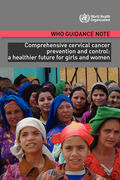
This WHO Guidance Note advocates for a comprehensive approach to cervical cancer prevention and control and is aimed at senior policy makers and programme managers. It describes the need to deliver effective interventions across the female life course from
...
childhood through to adulthood. These include community education, social mobilization, HPV vaccination, screening, treatment and palliative care. It outlines the complementary strategies for comprehensive cervical cancer prevention and control, and highlights collaboration across national health programmes (particularly immunization, reproductive health, cancer control and adolescent health), organizations and partners.
more
Guidelines for the prevention, care and treatment of persons with chronic hepatitis B infection
recommended
The recommendations in these guidelines promote the use of simple, non-invasive diagnostic tests to assess the stage of liver disease and eligibility for treatment; prioritize treatment for those with most advanced liver disease and at greatest risk of mor
...
tality; and recommend the preferred use of nucleos(t)ide analogues with a high barrier to drug resistance (tenofovir and entecavir, and entecavir in children aged 2–11 years) for first- and second-line treatment. Recommendations for the treatment of HBV/HIV-coinfected persons are based on the WHO 2013 Consolidated guidelines on the use of antiretroviral drugs for treating and preventing HIV infection, which will be updated in 2015.
more
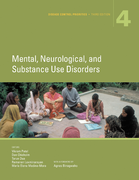
Mental, Neurological, and Substance Use Disorders
Vikram Patel, Dan Chisholm, Tarun Dua et al.
International Bank for Reconstruction and Development The World Bank
(2016)
CC
Disease Control Priorities, 3rdEdition: Volume 4.
Mental, neurological, and substance use disorders are common, highly disabling, and associated with significant premature mortality. The impact of these disorders on the social and economic well-be
...
ingof individuals, families, and societies is large, growing, and underestimated
more
The "Global NCD action plan" provides a road map and a menu of policy options for countries to take in order to attain the 9 voluntary global targets, including that of a 25% relative reduction in premature mortality from cardiovascular diseases, ca
...
ncer, diabetes or chronic respiratory diseases by 2025. The main focus of this action plan is on 4 types of NCDs (cardiovascular diseases, cancer, chronic respiratory diseases, diabetes) which make the largest contribution to morbidity and mortality due to NCDs, and on 4 shared behavioural risk factors (tobacco use, unhealthy diet, physical inactivity, harmful use of alcohol).
more
Effective implementation of WHO PEN, combined with other very cost effective population-wide interventions, will help even resource constrained settings to attain the global voluntary targets related to reduction of premature mortality and preventio
...
nof heart attacks and strokes.
more
This report presents data and outlines best practices and policies that can put governments on the path to providing every child with the best start in life. It outlines the neuroscience of early childhood development (ECD), including the importance
...
of nutrition, protection and stimulation in the early years. And it makes the case for scaling up investment, evaluation and monitoring in ECD programmes. The report concludes with a six-point call to action for governments and their partners to help maximize the potential of the children who will build the future – by making the most of the unparalleled opportunities offered by the early moments in life.
more
This document sets out Rwanda's Maternal, Neonatal Child Health (MNCH) national strategy (July 2013- June 2018). The MNCH strategy provides a framework for addressing maternal, neonatal and child health challenges currently facing Rwanda. It is an overarching strategy for scale up of the national re
...
sponse to reduce the current levels of maternal, neonatal and child mortality and morbidity in line with the
MDG health related targets and HSSP III targets. The life cycle approach and continuum of care concept, starting with care from the home environment to health facility, guided the development of this roadmap. It aims also to maintain and expand the coverage of cost effective and high impact interventions for maternal, neonatal and child survival in order to achieve national and international targets.
more
Nepal is on target to meet the Millennium Development Goals for maternal and child health despite high levels of poverty, poor infrastructure, difficult terrain and recent conflict. Each year, nearly 35000 Nepali children die before their fifth birthday, with almost two-thirds of these deaths occurr
...
ing in the first month of life, the neonatal period. As part of a multi-country analysis, we examined changes for newborn survival between 2000 and 2010 in terms of mortality, coverage and health system indicators as well as national and donor funding.
more

Women and Health Initiative Working Paper No. 1. Women and Health Initiative
Improving maternal health in the context of the sub-Saharan African HIV epidemic requires greater understanding of the relationships between HIV disease and maternal morbidity and ... mortality, integrated and effective responses by the health system, and a social context which promotes quality care and encourages use of MCH and HIV services. Advancing the proposed research agenda will make an invaluable contribution by generating needed evidence for policy and practice that improves the maternal health of women who are living with HIV, as well as those who are not. Bringing together maternal health and HIV researchers, policy-makers and program implementers to reduce HIV-related maternal morbidity and mortality and improve the HIV response for women represents an opportunity and a challenge. more
Improving maternal health in the context of the sub-Saharan African HIV epidemic requires greater understanding of the relationships between HIV disease and maternal morbidity and ... mortality, integrated and effective responses by the health system, and a social context which promotes quality care and encourages use of MCH and HIV services. Advancing the proposed research agenda will make an invaluable contribution by generating needed evidence for policy and practice that improves the maternal health of women who are living with HIV, as well as those who are not. Bringing together maternal health and HIV researchers, policy-makers and program implementers to reduce HIV-related maternal morbidity and mortality and improve the HIV response for women represents an opportunity and a challenge. more
National Tuberculosis Programme and Senior Paediatricians
This guideline was first developed in 2007 but further updated in 2012 and 2016 to ensure the use of the latest evidence-based international recommendations on childhood TB. The guidelin ... es will fill the gaps in a systematic approach to TB in children and will help to achieve an internationally recommended standard of care at all levels of the health system in Myanmar. more
This guideline was first developed in 2007 but further updated in 2012 and 2016 to ensure the use of the latest evidence-based international recommendations on childhood TB. The guidelin ... es will fill the gaps in a systematic approach to TB in children and will help to achieve an internationally recommended standard of care at all levels of the health system in Myanmar. more
This report aims to improve the assessment of mental health needs in the Americas by providing an updated and nuanced picture of: (a) the disability resulting from mental, substance use, and specific neurological disorders, plus self-harm, alone and in combination with premature
...
mortality; (b) the imbalance between mental health spending and its related disease burden; and (c) the inadequate allocation of the meager mental health spending by countries of the Region
more
Plan Benin used the Integrated Management for Child Illnesses (IMCI) framework in creating the project "Collaborative Approach to Community based Malaria Prevention.” The project targeted 20 pilot villages in the communes of Aplahoué and Djakotomey, with the goal of reducing maternal and infant
...
mortality related to malaria in the Couffo district. In order to assess the effects of the project on the beneficiary communities, the evaluation was initiated to measure the progress and the perfomance outcomes achieved at the end of the pilot stage. The evaluation was conducted from March to April 2009.
more
The WHO Global Health Estimates show that nearly half a million deaths (493 471) occurred in the WHO European Region due to violence and injuries in 2016. This represents a decline of 29% from 2000. Injuries account for 5.3% of all deaths and 9.6 of all years of life lost. They are a leading cause o
...
f death in people aged 15–29 years and the second leading cause of death for young people aged 5–14. The three leading causes of injury deaths are self-directed violence (141 089), falls (83 325) and road-traffic injuries (78 198). Inequalities in injury deaths exist in the Region, with mortality rates 2.4 times higher in males than in females and 1.5 times higher in middle-income compared to high-income countries.
more
