
Filter
2562
Text search:
World
Health
Organization
WHO,
Regional
Office
of
Africa
Featured
285
637
Language
2453
76
60
40
35
29
15
3
3
2
2
2
2
2
2
1
1
1
1
1
1
1
1
1
1
1
1
1
1
Document type
1225
521
358
180
135
55
42
29
6
4
2
2
1
1
Countries / Regions
140
88
83
79
74
69
61
47
47
45
43
42
39
34
33
33
29
27
27
27
26
25
24
23
23
20
20
18
17
17
16
15
15
14
13
12
12
11
9
9
9
9
9
9
8
8
8
8
7
7
7
7
7
6
6
6
6
6
5
5
5
5
5
5
4
4
4
4
4
3
3
3
3
3
2
2
2
2
2
2
2
2
2
2
2
2
1
1
1
1
1
1
1
1
1
1
1
1
1
1
1
1
1
1
1
1
1
1
1
1
1
1
1
1
1
1
1
Authors & Publishers
539
160
105
87
86
49
48
44
44
41
36
27
22
18
17
14
13
12
12
12
11
11
11
11
11
10
10
10
9
9
9
9
8
8
8
8
8
8
8
8
8
7
7
7
6
6
6
6
6
6
6
6
6
6
6
5
5
5
5
5
5
5
5
5
5
5
5
5
4
4
4
4
4
4
4
4
4
4
4
4
4
4
4
4
4
4
4
4
4
4
4
4
4
4
3
3
3
3
3
3
3
3
3
3
3
3
3
3
3
3
3
3
3
3
3
3
3
3
3
3
3
3
3
3
3
3
3
3
3
3
3
3
3
3
3
3
3
3
3
3
3
3
3
3
3
3
3
3
3
3
3
3
2
2
2
2
2
2
2
2
2
2
2
2
2
2
2
2
2
2
2
2
2
2
2
2
2
2
2
2
2
2
2
2
2
2
2
2
2
2
2
2
2
2
2
2
2
2
2
2
2
2
2
2
2
2
2
2
2
2
2
2
2
2
2
2
2
2
2
2
2
2
2
2
2
2
2
2
2
2
2
2
2
2
2
2
2
2
2
2
2
2
2
2
2
2
2
2
2
2
2
2
2
2
2
2
2
2
2
2
2
2
2
2
2
2
2
2
2
2
2
2
2
2
2
2
1
1
1
1
1
1
1
1
1
1
1
1
1
1
1
1
1
1
1
1
1
1
1
1
1
1
1
1
1
1
1
1
1
1
1
1
1
1
1
1
1
1
1
1
1
1
1
1
1
1
1
1
1
1
1
1
1
1
1
1
1
1
1
1
1
1
1
1
1
1
1
1
1
1
1
1
1
1
1
1
1
1
1
1
1
1
1
1
1
1
1
1
1
1
1
1
1
1
1
1
1
1
1
1
1
1
1
1
1
1
1
1
1
1
1
1
1
1
1
1
1
1
1
1
1
1
1
1
1
1
1
1
1
1
1
1
1
1
1
1
1
1
1
1
1
1
1
1
1
1
1
1
1
1
1
1
1
1
1
1
1
1
1
1
1
1
1
1
1
1
1
1
1
1
1
1
1
1
1
1
1
1
1
1
1
1
1
1
1
1
1
1
1
1
1
1
1
1
1
1
1
1
1
1
1
1
1
1
1
1
1
1
1
1
1
1
1
1
1
1
1
1
1
1
1
1
1
1
1
1
1
1
1
1
1
1
1
1
1
1
1
1
1
1
1
1
1
1
1
1
1
1
1
1
1
1
1
1
1
1
1
1
1
1
1
1
1
1
1
1
1
1
1
1
1
1
1
1
1
1
1
1
1
1
1
1
1
1
1
1
1
1
1
1
1
1
1
1
1
1
1
1
1
1
1
1
1
1
1
1
1
1
1
1
1
1
1
1
1
1
1
1
1
1
1
1
1
1
1
1
1
1
1
1
1
1
1
1
1
1
1
1
1
1
1
1
1
1
1
1
1
1
1
1
1
1
1
1
1
1
1
1
1
1
1
1
1
1
1
1
1
1
1
1
1
1
1
1
1
1
1
1
1
1
1
1
1
1
1
1
1
1
1
1
1
1
1
1
1
1
1
1
1
1
1
1
1
1
1
1
1
1
1
1
1
1
1
1
1
1
1
1
1
1
1
1
1
1
1
1
1
1
1
1
1
1
1
1
1
1
1
1
1
1
1
1
1
1
1
1
1
1
1
1
1
1
1
1
1
1
1
1
1
1
1
1
1
1
1
1
1
1
1
1
1
1
1
1
1
1
1
1
1
1
1
1
1
1
1
1
1
1
1
1
1
1
1
1
1
1
1
1
1
1
1
1
1
1
1
1
1
1
1
1
1
1
1
1
1
1
1
1
1
1
1
1
1
1
1
1
1
1
1
1
1
1
1
1
1
1
1
1
1
1
1
1
1
1
1
1
1
1
1
1
1
1
1
1
1
1
1
1
1
1
1
1
1
1
1
1
1
1
1
1
1
1
1
1
1
1
1
1
1
1
1
1
1
1
1
1
1
1
1
1
1
1
1
1
1
1
1
1
1
1
1
1
1
1
1
1
1
1
1
1
1
1
1
1
1
1
1
1
1
1
1
1
1
1
1
1
1
1
1
1
1
1
1
1
1
1
1
1
1
1
1
1
1
1
1
1
1
1
1
1
1
1
1
1
1
1
1
1
1
1
1
1
1
1
1
1
1
1
1
1
1
1
1
1
1
1
1
1
1
1
1
1
1
1
1
1
1
1
1
1
1
1
1
1
1
1
1
1
1
1
1
1
1
1
1
1
1
1
1
1
1
1
1
1
1
1
1
1
1
1
1
1
1
1
1
1
1
1
1
1
1
1
1
1
1
1
1
1
1
1
1
1
1
1
1
1
1
1
1
1
1
1
1
1
1
1
1
1
1
1
1
1
1
1
1
1
1
1
1
1
1
1
1
1
1
1
1
1
1
1
1
1
1
1
1
1
1
1
1
1
1
1
1
1
1
1
1
1
1
1
1
1
1
1
1
1
1
1
1
1
1
1
1
1
1
1
1
1
1
1
1
1
1
1
1
1
1
1
1
1
1
1
1
1
1
1
1
1
1
1
1
1
1
1
1
1
1
1
1
1
1
1
1
1
1
1
1
1
1
1
1
1
1
1
1
1
1
1
1
1
1
1
1
1
1
1
1
1
1
1
1
1
1
1
1
1
1
1
1
1
1
1
1
1
1
1
1
1
1
1
1
1
1
1
1
1
1
1
1
1
1
1
1
1
1
1
1
1
1
1
1
1
1
1
1
1
1
1
1
1
1
1
1
1
1
1
1
1
1
1
1
1
1
1
1
1
1
1
1
1
1
1
1
1
1
1
1
1
1
1
1
1
1
1
1
1
1
1
1
1
1
1
1
1
1
1
1
1
1
1
1
1
1
1
1
1
1
1
1
1
1
1
1
1
1
1
1
1
1
1
1
1
1
1
1
1
1
1
1
1
1
1
1
1
1
1
1
1
1
1
1
1
1
1
1
1
1
1
1
1
1
1
1
1
1
1
1
1
1
1
1
1
1
1
1
1
1
1
1
1
1
1
1
1
1
1
1
1
1
1
1
1
1
1
1
1
1
1
1
1
1
1
1
1
1
1
1
1
1
1
1
1
1
1
1
1
1
1
1
1
1
1
1
1
1
1
1
1
1
1
1
1
1
1
1
1
1
1
1
1
1
1
1
1
1
1
1
1
1
1
1
1
1
1
1
1
1
1
1
1
1
1
1
1
1
1
1
1
1
1
1
1
1
1
1
1
1
1
1
1
1
1
1
1
1
1
1
1
1
1
1
1
1
1
1
1
1
1
1
1
1
1
1
1
1
1
1
1
1
1
1
1
1
1
1
1
1
1
1
1
1
1
1
1
1
1
1
1
1
1
1
1
1
1
1
1
1
1
1
1
1
1
1
1
1
1
1
1
1
1
1
1
1
1
1
1
1
1
1
1
1
1
1
1
1
1
1
1
1
1
1
1
1
1
1
1
1
1
1
1
1
1
1
1
1
1
1
1
1
1
1
1
1
1
1
1
1
1
1
1
1
1
1
1
1
1
1
1
1
1
1
1
1
1
1
1
1
1
1
1
1
1
1
1
1
1
1
1
1
1
1
1
1
1
1
1
1
1
1
1
1
1
1
1
1
1
1
1
1
1
1
1
1
1
1
1
1
1
1
1
1
1
1
1
1
1
1
1
1
1
1
1
1
1
1
1
1
1
1
1
1
1
1
1
1
1
1
1
1
1
1
1
1
1
1
1
1
1
1
1
1
1
1
1
1
1
1
1
1
1
1
1
1
1
1
1
1
1
1
1
1
1
1
1
1
1
1
1
1
1
1
1
1
1
1
1
1
1
1
1
1
1
1
1
1
1
1
1
1
1
1
1
1
1
1
1
1
1
1
1
1
1
1
1
1
1
1
1
1
1
1
1
1
1
1
1
1
1
1
1
1
1
1
1
1
1
1
1
1
1
1
1
1
1
1
1
1
1
1
1
1
1
1
1
1
1
1
1
1
1
1
1
1
1
1
1
1
1
1
1
1
1
1
1
1
1
1
1
1
1
1
1
1
1
1
1
1
1
1
1
1
1
1
1
1
1
1
1
1
1
1
1
1
1
1
1
1
1
1
1
1
1
1
1
1
1
1
1
1
1
1
1
1
1
1
1
1
1
1
1
1
1
1
1
1
1
1
1
1
1
1
1
1
1
1
1
1
1
1
1
1
1
1
1
1
1
1
1
1
1
1
1
1
1
1
1
1
1
1
1
1
1
1
1
1
1
1
1
1
1
1
1
1
1
1
1
1
1
1
1
1
1
1
1
1
1
1
1
1
1
1
1
1
1
1
1
Publication Years
891
1455
205
10
1
Category
824
192
185
163
153
54
31
Toolboxes
199
174
169
134
127
114
102
87
83
70
68
63
61
60
54
50
44
42
40
21
20
15
14
7
6
3
1

On 4 September 2025, the Ministry of Health of the Democratic Republic of the Congo (DRC) declar
...
ed an outbreak of Ebola Virus Disease (EVD) in Kasai Province, following confirmation of Zaire ebolavirus by the National Institute of Biomedical Research (INRB) in Bulape and Mweka Health Zones. As of 19 September, there have been 48 total cases (38 confirmed, 10 probable) with 31 deaths (21 confirmed, 10 probable) and a CFR of 64.5%. Among laboratory confirmed cases, 16 deaths were recorded (CFR: 45.7%). Four deaths occurred among health workers, underscoring the risk of nosocomial transmission. Most cases (39.7%) are among adults aged 20 years and above, in a densely populated, remote, and under-resourced area.
The outbreak is driven by multiple risk factors, including transmission in health facilities with limited infection prevention and control (IPC) measures and personal protective equipment (PPE), incomplete contact tracing, delayed detection, and unsafe burial practices. High population mobility between Bulape and Tshikapa, reliance on traditional healers, and the concurrent mpox outbreak are further straining the fragile health system and increasing the risk of geographic spread.
more
Strategic Plan of Action and Budget 2016 – 2025 for Elimination of Onchocerciasis in Africa
World Health Organization World Health Organization WHO
African Prgramme for Onchocerciasis Control
(2012)
C_WHO
The Strategic Plan of Action and Budget 2016-2025 for the elimination of onchocerciasisin countries was prepared based on the above dlrective for the consideration
...
of IAF 18.The vision of the plan of action is to eliminate onchocerciasis in 80 percent of Africancountries. Implementation of the plan will also help strengthen health systems at community level while implementing CDI wlll help scale-up interventions agalnst other NTDs to the benefit of the wider national health systems.
more
This publication describes the first WHO public-benefit Target Product Profiles (TPPs) for snakebite antivenoms. It focuses on antivenoms for treatment of snakebite envenoming in sub-Saharan
...
Africa. Four TPPs are described in the document:
Broad spectrum Pan-African polyvalent antivenoms: products that are intended for widespread utility throughout sub-Saharan Africa for treatment of envenoming irrespective of the species of snake causing a bite. Monovalent antivenoms for specific use cases: for products for a single species (or genus) of snake (e.g., boomslangs or carpet viper antivenoms).
Syndromic Pan-African polyvalent antivenoms for neurotoxic envenoming: products that are intended for treatment of envenoming by species whose venoms are neurotoxic. Syndromic Pan-African polyvalent antivenoms for non-neurotoxic envenoming: products for snakebite envenoming where the effects are largely haemorrhagic, necrotic or procoagulant.
more

The Transformation Agenda (TA) ushered in an ambitious reform process intended to transform the World Health Organization (
...
WHO) into an organization that is proactive, results-driven, accountable and which meets stakeholder expectations, towards transforming and improving public health services in the African Region. It aimed to achieve a WHO that is pro-results, which optimally and creatively targets technical work as well as make operations more responsive, with greater effectiveness in both communications and partnerships. The Africa Region has been the epicentre of the human immunodeficiency virus (HIV) epidemic and it’s one of the leading causes of disease and death on the continent. The WHO, with partners, has worked tirelessly for many years to control the threat and reduce the negative impact of the disease. Since the early 2000s, significant progress has been made in the global fight against the scourge of HIV. However, the WCA subregion was falling concerningly behind ESA on several key indicators of progress. In 2016, the WHO joined UNAIDS, UNICEF and other partners in a call for a strong and urgent response to support WCA countries to develop catch-up plans to triple and fast-track ART coverage, to enable the region to catch up with ESA by the end of 2020. Implementation of a widespread test-and-treat strategy, coupled with the scale-up of differentiated service delivery (DSD) and mobilization of requisite funding, accelerated WCA’s progress towards this goal. The HIV treatment catch-up and fast-track plan has achieved its target of seeing the West and Central African region (WCA) catch up with the Eastern and Southern African region’s (ESA) antiretroviral coverage rate of 78% in 2021, albeit later than the 2020 target time frame. A 33% improvement was achieved in WCA, against 21% in ESA, between 2015–2020. WCA achieved a significant 42% increase, compared to ESA’s 23%, between 2015 and 2021, to see WCA draw level with ESA at 78%. In the Democratic Republic of the Congo (DRC) alone, progress of up to 47% was observed between 2015 and 2020, for example. In addition, 1.6 million more People Living with HIV (PLHIV) were enrolled on antiretroviral treatment (ART) between 2015 and 2020.
more
This guideline for the prevention and control of chikungunya fever
(CF) is intended for use by all peripheral health workers in the Region and
is based on the strategy outlined above. This documen
...
t will focus mainly
on preventing, predicting and detecting outbreaks, and after detection,
investigating and containing them.
more
Training Modules for climate change and Health - WHO

The report “Build back fairer: achieving health equity in the Eastern Mediterranean Region” provides ground breaking insights into the state of health
...
inequities in the Region and urges countries to take action to address the social determinants of health to reverse the worsening trend of inequity – aggravated by the COVID-19 pandemic, ongoing conflict, mass movements of people, environmental challenges, gender inequities and unemployment.
more
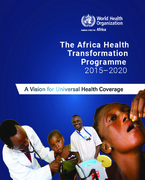
The Africa Health Transformation Programme 2015–2020 - A Vision for Universal Health Coverage
WHO Regional Office for Africa
(2015)
C_WHO
The new five-year agenda of WHO in Africa, The Africa
...
Health Transformation Programme, 2015–2020: a vision for universal health coverage, is the strategic framework that will guide WHO’s contribution to the emerging sustainable development platform in Africa. It articulates a vision for health and development that aims to address the unacceptable inequalities and inequities that have kept our region lagging far behind others in terms of health indices and enjoyment of the highest attainable standard of life.
more
India: health system review
Srivastava, Swati, Karan, Anup K., Bhan, Nandita, Mukhopadhya, Indranil. et al.
.World Health Organization (WHO), Regional Office for South-East Asia
(2022)
C_WHO
Schistosomiasis is a public health problem in tropical and subtropical regions of Africa, Asia, the Caribbean and South America. It is one
...
of the neglected tropical diseases (NTDs) - a group of diseases and conditions that affect particularly low-income populations, worldwide.
Last year, WHO launched a new road map for 2021-2030 that aims to end the suffering from NTDs by 2030, in line with the Sustainable Development Goals. The road map specifically targets the elimination of schistosomiasis as a public health problem, globally.
This guideline provides evidence-based recommendations in the following areas: prevalence thresholds, target age groups and frequency of PC, establishment of WASH and snail control activities to support control and elimination of schistosomiasis, diagnostic tests for the assessment of schistosomiasis infection in animal reservoirs, in snail hosts, and in humans.
more
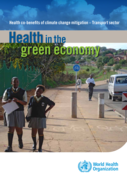
The threat climate change poses to health, equity, and development has been rigorously documented. However, in an era marked by economic crisis, regional conflicts, natural disasters and growing dis
...
parities between rich and poor, the joint global actions required to address climate change have been vigorously debated – and critical decisions postponed.
This document, part of WHO’s Health in the Green Economy series, describes how many climate change measures can be “win-wins” for people and the planet.
These policies yield large, immediate public health benefits while reducing the upward trajectory of greenhouse gas emissions. Many of these policies can improve the health and equity of people in poor countries and assist developing countries in adapting to climate change that is already occurring, as evidenced by more extreme storms, flooding, drought and heatwaves.
WHO’s Department of Public Health and Environment launched the Health in the Green Economy initiative in 2010 to review potential health and equity “co-benefits” of proposed climate change measures – as well as relevant risks.
This review examines mitigation strategies discussed in the Fourth Assessment Report of the Intergovernmental Panel on Climate Change which constitutes the most broad-based global review of mitigation options by scientific experts.
more
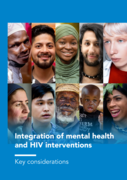
This joint publication by UNAIDS and WHO emphasizes the importance of integrating HIV prevention, testing, treatment and care and mental health ser
...
vices for people living with HIV. It provides a compilation of tools, best practices, recommendations and guidelines that facilitate the integration of interventions and services to address the interlinked issues of mental health and HIV. This publication is intended for global, regional and national policy-makers; programme implementers including at subnational levels; organizations working in and providers of HIV and mental health services; civil society; and community-based and community-led organizations and advocates.
more
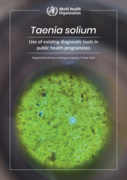
Taeniasis and cysticercosis caused by the parasite T. solium affect vulnerable populations,
mainly in Latin America, sub-Saharan Africa and Asia, where pigs (the intermediate host) roam
free and poor sanitation allows pigs access to human faeces.
This strategy defines the World Health Organization (WHO) vision and framework for supporting Me
...
mber States to accelerate the development, implementation and monitoring of their National Action Plan for Health Security (NAPHS) from 2022 to 2026. The National Action Plan for Health Security (NAPHS) are critical to ensure national capacities in health emergency prevention, preparedness, response and recovery are planned, built, strengthened and sustained in order to achieve national, regional and global health security and therefore keep the world safe, serve the vulnerable and promote health.
The strategy promotes, where existing, the use of existing national action plans for health security and not necessary the creation of an additional unique plan. This will avoid duplication and ensure maximum efficiency in domestic resourcing and operationalization efficiency while harnessing external buy-in to support national health priorities.
more
A total of 18 laboratories from 13 countries participated in the four rounds of EQA: 10 laboratories from eight African endemic countries, four of
...
which participated in all four rounds and three in three rounds. The overall results showed that the median performance of these laboratories improved over the four rounds. However, the proportion of laboratories reporting false–positive cases remains high and indicates a problem of specificity probably due to contamination. The proportion of laboratories reporting both false–positive and false–negative results raises the issue of the quality of the data reported by WHO in Africa as well as the results of the studies carried out in these different laboratories in various countries.
more
Please download the other parts from the Webseite
