
Filter
1914
Text search:
internal
medicine
Featured
180
490
Language
1825
41
37
28
17
11
10
9
8
6
4
3
2
2
2
2
2
2
2
2
2
2
1
1
1
1
1
1
1
1
1
1
1
1
Document type
1013
334
294
138
64
32
18
14
3
2
1
1
Countries
88
59
49
47
45
44
42
42
38
34
33
33
30
27
27
26
25
25
23
22
22
20
20
19
15
14
13
12
11
11
11
11
10
10
9
8
8
8
8
7
7
7
7
7
6
6
6
6
6
6
5
5
5
5
5
5
5
4
4
4
4
4
4
4
4
3
3
3
3
3
3
3
3
3
3
2
2
2
2
2
2
2
2
2
2
2
2
1
1
1
1
1
1
1
1
1
1
1
1
1
1
1
1
1
1
1
1
1
1
1
1
1
1
1
1
1
1
1
1
1
1
1
1
1
1
Authors & Publishers
239
92
75
43
37
30
24
23
22
16
15
13
11
10
10
10
9
9
9
9
9
8
8
8
7
7
7
7
7
7
7
7
6
6
6
6
6
6
6
5
5
5
5
5
5
5
5
5
5
5
5
5
4
4
4
4
4
4
4
4
4
4
4
4
4
4
4
4
4
4
4
4
4
4
4
4
4
4
4
4
4
3
3
3
3
3
3
3
3
3
3
3
3
3
3
3
3
3
3
3
3
3
3
3
3
3
3
3
3
3
3
3
3
3
3
3
3
3
2
2
2
2
2
2
2
2
2
2
2
2
2
2
2
2
2
2
2
2
2
2
2
2
2
2
2
2
2
2
2
2
2
2
2
2
2
2
2
2
2
2
2
2
2
2
2
2
2
2
2
2
2
2
2
2
2
2
2
2
2
2
2
2
2
2
2
2
2
2
2
2
2
2
2
2
2
2
2
2
2
2
2
2
2
2
2
2
2
2
2
2
2
2
2
2
2
2
2
2
2
2
2
2
2
2
2
2
2
2
2
2
2
1
1
1
1
1
1
1
1
1
1
1
1
1
1
1
1
1
1
1
1
1
1
1
1
1
1
1
1
1
1
1
1
1
1
1
1
1
1
1
1
1
1
1
1
1
1
1
1
1
1
1
1
1
1
1
1
1
1
1
1
1
1
1
1
1
1
1
1
1
1
1
1
1
1
1
1
1
1
1
1
1
1
1
1
1
1
1
1
1
1
1
1
1
1
1
1
1
1
1
1
1
1
1
1
1
1
1
1
1
1
1
1
1
1
1
1
1
1
1
1
1
1
1
1
1
1
1
1
1
1
1
1
1
1
1
1
1
1
1
1
1
1
1
1
1
1
1
1
1
1
1
1
1
1
1
1
1
1
1
1
1
1
1
1
1
1
1
1
1
1
1
1
1
1
1
1
1
1
1
1
1
1
1
1
1
1
1
1
1
1
1
1
1
1
1
1
1
1
1
1
1
1
1
1
1
1
1
1
1
1
1
1
1
1
1
1
1
1
1
1
1
1
1
1
1
1
1
1
1
1
1
1
1
1
1
1
1
1
1
1
1
1
1
1
1
1
1
1
1
1
1
1
1
1
1
1
1
1
1
1
1
1
1
1
1
1
1
1
1
1
1
1
1
1
1
1
1
1
1
1
1
1
1
1
1
1
1
1
1
1
1
1
1
1
1
1
1
1
1
1
1
1
1
1
1
1
1
1
1
1
1
1
1
1
1
1
1
1
1
1
1
1
1
1
1
1
1
1
1
1
1
1
1
1
1
1
1
1
1
1
1
1
1
1
1
1
1
1
1
1
1
1
1
1
1
1
1
1
1
1
1
1
1
1
1
1
1
1
1
1
1
1
1
1
1
1
1
1
1
1
1
1
1
1
1
1
1
1
1
1
1
1
1
1
1
1
1
1
1
1
1
1
1
1
1
1
1
1
1
1
1
1
1
1
1
1
1
1
1
1
1
1
1
1
1
1
1
1
1
1
1
1
1
1
1
1
1
1
1
1
1
1
1
1
1
1
1
1
1
1
1
1
1
1
1
1
1
1
1
1
1
1
1
1
1
1
1
1
1
1
1
1
1
1
1
1
1
1
1
1
1
1
1
1
1
1
1
1
1
1
1
1
1
1
1
1
1
1
1
1
1
1
1
1
1
1
1
1
1
1
1
1
1
1
1
1
1
1
1
1
1
1
1
1
1
1
1
1
1
1
1
1
1
1
1
1
1
1
1
1
1
1
1
1
1
1
1
1
1
1
1
1
1
1
1
1
1
1
1
1
1
1
1
1
1
1
1
1
1
1
1
1
1
1
1
1
1
1
1
1
1
1
1
1
1
1
1
1
1
1
1
1
1
1
1
1
1
1
1
1
1
1
1
1
1
1
1
1
1
1
1
1
1
1
1
1
1
1
1
1
1
1
1
1
1
1
1
1
1
1
1
1
1
1
1
1
1
1
1
1
1
1
1
1
1
1
1
1
1
1
1
1
1
1
1
1
1
1
1
1
1
1
1
1
1
1
1
1
1
1
1
1
1
1
1
1
1
1
1
1
1
1
1
1
1
1
1
1
1
1
1
1
1
1
1
1
1
1
1
1
1
1
1
1
1
1
1
1
1
1
1
1
1
1
1
1
1
1
1
1
1
1
1
1
1
1
1
1
1
1
1
1
1
1
1
1
1
1
1
1
1
1
1
1
1
1
1
1
1
1
1
1
1
1
1
1
1
1
1
1
1
1
1
1
1
1
1
1
1
1
1
1
1
1
1
1
1
1
1
1
1
1
1
1
1
1
1
1
1
1
1
1
1
1
1
1
1
1
1
1
1
1
1
1
1
1
1
1
1
1
1
1
1
1
1
1
1
1
1
1
1
1
1
1
1
1
1
1
1
1
1
1
1
1
1
1
1
1
1
1
1
1
1
1
1
1
1
1
1
1
1
1
1
1
1
1
1
1
1
1
1
1
1
1
1
1
1
1
1
1
1
1
1
1
1
1
1
1
1
1
1
1
1
1
1
1
1
1
1
1
1
1
1
1
1
1
1
1
1
1
1
1
1
1
1
1
1
1
1
1
1
1
1
1
1
1
1
1
1
1
1
1
1
1
1
1
1
1
1
1
1
1
1
1
1
1
1
1
1
1
1
1
1
1
1
1
1
1
1
1
1
1
1
1
1
1
1
1
1
1
1
1
1
1
1
1
1
1
1
1
1
1
1
1
1
1
1
1
1
1
1
1
1
1
1
1
1
1
1
1
1
1
1
1
1
1
1
1
1
1
1
1
1
1
1
1
1
1
1
1
1
1
1
1
1
1
1
1
1
1
1
1
1
1
1
1
1
1
1
1
1
1
1
1
1
1
1
1
1
1
1
1
1
1
1
1
1
1
1
1
1
1
1
1
1
1
1
1
1
1
1
1
1
1
1
1
1
1
1
1
1
1
1
1
1
1
1
1
1
1
1
1
1
1
1
1
1
1
1
1
1
1
1
1
1
1
1
1
1
1
1
1
1
1
1
1
1
1
1
1
1
1
1
1
1
1
1
1
1
1
1
1
1
1
1
1
1
1
1
1
1
1
1
1
1
1
1
1
1
1
1
1
1
1
1
1
1
1
1
1
1
1
1
1
1
1
1
1
1
1
1
1
1
1
1
1
1
1
1
1
1
1
1
1
1
1
1
1
1
1
1
1
1
1
1
1
1
1
1
1
1
1
1
1
1
1
1
1
1
1
1
1
1
1
1
1
1
1
1
1
1
1
1
1
1
1
1
1
1
1
1
1
1
1
1
1
1
1
1
1
1
1
1
1
1
1
1
1
1
1
1
1
1
1
1
1
1
1
1
1
1
1
1
1
1
1
1
1
1
1
1
1
1
1
1
1
1
1
1
1
1
1
1
1
1
1
1
1
1
1
1
1
1
1
1
1
1
1
1
1
1
1
1
1
1
1
1
1
1
1
1
1
1
1
1
1
1
1
1
1
1
1
1
1
1
1
1
1
1
1
1
1
1
1
1
1
1
1
1
1
1
1
1
1
1
1
1
1
1
1
1
1
1
1
1
1
1
1
1
1
1
1
1
1
1
1
1
1
1
1
1
1
1
1
1
1
1
1
1
1
1
1
1
1
1
1
1
1
1
1
1
1
1
1
1
1
1
1
1
1
1
1
1
1
1
1
1
1
1
1
1
1
1
1
1
1
1
1
1
1
1
1
1
1
1
1
1
1
1
1
1
1
1
1
1
1
1
1
1
1
1
1
1
1
1
1
1
1
1
1
1
1
1
1
1
1
1
1
1
1
1
1
1
1
1
1
1
1
1
1
1
1
1
1
1
1
1
1
1
1
1
1
1
1
1
1
1
1
1
1
1
1
1
1
1
1
1
1
1
1
1
1
1
1
1
1
1
1
1
1
1
1
1
1
1
1
1
1
1
1
1
1
1
1
1
1
1
1
1
1
1
1
1
1
1
1
1
1
1
1
1
1
1
1
1
1
1
1
1
1
1
1
1
1
1
1
1
1
1
1
1
1
1
1
1
1
1
1
1
1
1
1
1
1
1
1
1
1
1
1
1
1
1
1
1
1
1
1
1
1
1
1
1
1
1
1
1
1
1
1
1
1
1
1
1
1
1
1
1
1
1
1
1
1
1
1
1
1
1
1
1
1
1
1
1
1
1
1
1
1
1
1
1
1
1
1
1
1
1
1
1
1
1
1
1
1
1
1
1
1
1
1
1
1
1
1
1
1
1
1
1
Publication Years
512
1191
201
10
Category
738
169
105
102
80
40
36
Toolboxes
168
127
103
93
78
67
63
61
57
51
49
43
43
43
34
33
32
23
22
22
14
13
8
4
3
Connecting global priorities: biodiversity and human health: a state of knowledge review
This policy brief aims to provide a review of the current progress on implementing the Burkina Faso national action plan on AMR, identifies critical gaps, and highlights findings to accelerate further progress in the human health sector. The target audience includes all those concerned with implemen
...
ting actions to combat antimicrobial resistance in Burkina Faso.
more
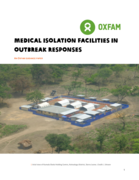
This technical briefing paper details the construction and setup of medical isolation facilities in support of infectious disease outbreak responses.
Contact tracing and quarantine in the context of COVID-19: interim guidance, 6 July 2022
recommended
Contact tracing for COVID-19 is the process of identifying, assessing, and managing people who have been exposed to someone who has been infected with the SARS-CoV-2 virus, while quarantine is the separation of contacts from other people after exposure to a probable or confirmed case of SARS-CoV-2 i
...
nfection. In the context of growing global population immunity from COVID-19 vaccination and past SARS-CoV-2 infection, WHO recommends that identification, contact, quarantine and follow-up should be prioritized for individuals at high risk who have been in contact with a confirmed or probable case of SARS-CoV-2 infection, rather than targeting all contacts. This updated guidance also introduces shorter recommended quarantine periods, including the ability to further shorten quarantine through the use of testing. National and local health authorities should use risk-based approaches to contact tracing and quarantine that include reviewing and adjusting to their local circumstances and disease epidemiology, population immunity, their health system’s capacities, and risk tolerance.
more

Occupational health and safety programmes aim to prevent diseases and injuries arising out of, linked with or occurring in the course of work, while improving the quality and safety of care, safeguarding the health workforce and promoting environmental sustainability in the health sector.
This gu
...
ide provides an overview of the key elements of occupational health and safety programmes for health workers at national, subnational and facility levels, as well as advice for the development and implementation of such programmes. Health workers exposure risk assessment and management in the context of COVID-19 virus
more
The Kenyan Health Sector has been playing a critical role in
providing health care services in response to the population
needs in line with the Kenya Health Policy, 2014-2030’s goal
of attaining the highest possible health standards in a manner
responsive to the population needs.
This Eye health strategic plan presents the Ministry of Health’s five
year proposed strategies for eye care in Kenya. It sets the strategic
direction for the National Eye Health Care System and presents
information on the priorities, objectives and indicators that the
Ministry has adopted espe
...
cially with regard to the main eye diseases
and conditions in the country and health system strengthening.
more
Understanding and building resilience to early life trauma in Belarus and Ukraine
Marais, J.F.; Ol. Kazakova, D. Krupchanka, et al.
World Health Organization WHO, Regional Office of Europe
(2019)
C_WHO
In 2018 and early 2019, the WHO Regional Office for Europe’s cultural contexts of health and well-being project worked alongside the University of Exeter’s WHO Collaborating Centre on Culture and Health, the Minsk Regional Centre for Psychiatry and Addiction, and the Institute of Mental Health o
...
f the Ukrainian Catholic University to engage researchers, practitioners, health-care workers and other relevant stakeholders in a series of workshops on the cultural contexts of early life trauma in Belarus and Ukraine.
more
Emergency in Ukraine: external situation report
recommended
Here you can download the latest Situation Reports
Weekly updates on the current situation in Ukraine and refugee-receiving countries, priority public health concerns and WHO’s actions to rapidly respond to the health emergency triggered by the conflict and to minimize disruptions to the delivery
...
of critical health services.
more

9 March 2022, Timely and accurate diagnostic testing for SARS-CoV-2 is an essential part of a comprehensive COVID-19 response strategy. Ag-RDTs can be performed by individuals in which they collect their own specimen, perform a simple rapid test and interpret their test result themselves at a time a
...
nd place of their choosing, termed COVID-19 self-testing. This interim guidance provides a new recommendation that COVID-19 self-testing, using SARS-CoV-2 Ag-RDTs, should be offered as part of SARS-CoV-2 testing services. It also includes implementation considerations that can guide decisions on whether, and how, to adopt self-testing in different contexts, including the populations being prioritized; the disease prevalence in that population; and the impact on accessibility of testing, health care services and result reporting.
more
The emergence and transmission of zoonotic diseases are driven by complex interactions
between health, environmental, and socio-political systems. Human movement is considered
a significant and increasing factor in these processes, yet forced migration remains an
understudied area of zoonotic res
...
earch–due in part to the complexity of conducting interdisciplinary
research in these settings.
more

Climate change threatens to undermine the past 50 years of gains in public health. In response, theNational Health Service (NHS) in England has been working since 2008 to quantify and reduce its carbon footprint.
This Article presents the latest update to its greenhouse gas accounting, identifying
...
interventions for mitigation efforts and describing an approach applicable to other health systems across the world.
more
Hendra virus (HeV) continues to pose a serious public health concern as spillover events occur sporadically. Terminally ill horses can exhibit a range of clinical signs including frothy nasal discharge, ataxia or forebrain signs. Early signs, if detected, can include depression, inappetence, colic o
...
r mild respiratory signs. All unvaccinated ill horses in areas where flying foxes exist, may potentially be infected with HeV, posing a significant risk to the veterinary community. Equivac® HeV vaccine has been fully registered in Australia since 2015 (and under an Australian Pesticides and Veterinary Medicines Authority special permit since 2012) for immunization of horses against HeV and is the most effective and direct solution to prevent disease transmission to horses and protect humans. No HeV vaccinated horse has tested positive for HeV infection. There is no registered vaccine to prevent, or therapeutics to treat, HeV infection in humans. Previous equine HeV outbreaks tended to cluster in winter overlapping with the foaling season (August to December), when veterinarians and horse owners have frequent close contact with horses and their bodily fluids, increasing the chance of zoonotic disease transmission. The most southerly case was detected in 2019 in the Upper Hunter region in New South Wales, which is Australia's Thoroughbred horse breeding capital. Future spillover events are predicted to move further south and inland in Queensland and New South Wales, aligning with the moving distribution of the main reservoir hosts. Here we (1) review HeV epidemiology and climate change predicted infection dynamics, (2) present a biosecurity protocol for veterinary clinics and hospitals to adopt, and (3) describe diagnostic tests currently available and those under development. Major knowledge and research gaps have been identified, including evaluation of vaccine efficacy in foals to assess current vaccination protocol recommendations.
more
The guide is suitable and can be used for the following audiences:
1. nurses and other trained healthcare workers who can use this manual as a self-study tool and then incorporate its guidance into their practice;
2. governmental and non-governmental employers of lay and professional TB treatment
...
adherence workers, who can provide training and guidance to their staff using the guidance in this manual;
3. TB clinicians, programme managers, policy makers and other leaders, to make them aware of the full range of interventions required by a person on TB treatment to complete his or her treatment and thus understand the gap that often exists in the support provided to patients;
4. people who, with enhanced capacity and support, can act as peer counsellors and supporters for people affected by TB. This can include family members who, in most contexts, play an important role in offering support to people with TB.
more
This article provides an overview of the current and projected climate change risks and impacts to mental health and provides recommendations for priority actions to address the mental health consequences of climate change.
