
Filter
1782
Text search:
adolescent
mental
health
Featured
201
422
Language
Document type
1073
258
205
94
67
36
20
12
8
2
1
1
1
Countries
73
61
51
48
37
34
31
31
30
28
28
27
26
24
22
21
20
19
18
16
15
15
15
13
12
11
11
11
10
10
10
8
8
8
7
7
7
7
7
7
7
6
6
6
6
5
5
5
5
4
4
4
3
3
3
3
3
3
3
3
3
2
2
2
2
2
2
2
2
2
2
1
1
1
1
1
1
1
1
1
1
1
1
1
1
1
1
1
1
1
1
1
1
1
1
Authors & Publishers
Publication Years
Category
612
205
90
80
73
67
4
1
Toolboxes
532
121
112
58
51
48
41
30
28
23
23
17
13
12
11
8
7
7
4
2
2
1
1
1
In April and May 2015, Nepal was hit by two major earthquakes killing around 9,000 people and leaving many thousands more injured and homeless.
To optimize the speed and volume of critical humanitarian assistance, the HCT has developed this Plan to:
1. Reach a common understanding of earth ...
To optimize the speed and volume of critical humanitarian assistance, the HCT has developed this Plan to:
1. Reach a common understanding of earth ...
This report found that many people with disabilities enter institutions as children and remain there for their entire lives. Most of these institutions visited by Human Rights Watch researchers did not provide for more than people’s basic needs, such as food and hygiene, with scarce contact with t
...

Myanmar 2019 Humanitarian needs overview
recommended
Over 244,000 displaced people remain in camps or camp-like situations in Kachin, Shan, Rakhine
and Kayin states. Children make up at least 50 per cent of this population, while women and„Myanmar: 2019 Humanitarian Needs Overview - Myanmar“. ReliefWeb. Zugegriffen 4. Januar 2019. https://reliefw
...
Child protection psychosocial training manual
recommended
The Terre des hommes Child Protection Psychosocial Training Manual has been developed for use in the field
in order to train animators who work with children and other child protection programme staff. It has
been written in response to the needs which exist in Terre des hommes child protection pr
...
Broken links Psychosocial support for people separated from family members: a field guide
recommended
The 40-page field guide outlines possible causes of separation, discusses the psychosocial impacts of being separated, such as how we experience loss, and provides guidelines on how to support those who have been separated from family members – including delivering difficult news to loved ones, ba
...
War child: "I´ve moved, my rights haven't" (Towards a global action plan for children forced to flee)
recommended
We live in a world in which 28 million children have been driven from their
homes as a result of conflict, persecution and insecurity¹. If current trends
continue, more than 63 million children could be forced to flee by 2025², of
which over 25 million will cross borders and become refugees. At
...
In recent years Terre des Hommes Netherlands observed the steady rise of a new form of child sexual exploitation. One that is enabled and fuelled by rapid technological advances, increasing global connectivity, persisting poverty rates, and growing disparity in the global distribution of resources.
...
This Training Manual is developed based on the Child Protection Working Group Interagency Guidelines for Case Management. The Facilitator’s Guide provides guidance on the key steps to take before, during and after training, including customizing the training to different contexts and audiences.
In 2021, the humanitarian community continued to support those in need, placing protection at the centre of its response. Learning from and building on past efforts, humanitarian actors will continue to respond and adapt their response to the various shocks impacting populations in Cameroon, such as
...
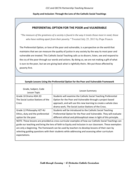
CCC and OECTA Partnership Teaching Resource
Equity and Inclusion: Through the Lens of the Catholic Social Teachings
accessed on 16 July 2020
Children living in humanitarian crises face an increased risk of abuse. While the threats of harm are increasing, the established systems in place to protect them are breaking down. Faced with the COVID-19 pandemic and its impacts, vulnerable families suffer multiple hardships. Schools are closed an
...
From Participation to Partnerships (September 2020)
Despite the COVID-19 challenges, children around the world have found meaningful ways to support and protect their peers, families, and communities. Children are on the frontlines of innovative responses and are working closely with their adult al
...
1 in 3 countries are not taking action to help students catch up on their learning post-COVID-19 school closures
Epidemiologischen Bulletin 32/2021, 27 Juli 2021.Systematisches Testen auf SARS-CoV-2 in Kitas und Schulen kann einen wichtigen Beitrag leisten, um das dortige Infektionsgeschehen besser beurteilen zu können und das Übertragungsrisiko von Infektionen zu reduzieren. Die im Epidemiologischen Bulleti
...
Strategical plan
24 Nov. 2021
Action against gender-based violence being pushed to the outlying margins of the global COVID-19 response
A new Oxfam report shows an undeniable increase in gender-based violence (GBV) during the COVID-19 pandemic around the world to which too many governments and donors are not doi
...
Produced by UNICEF and IRC, with the support of the German Corporation for International Cooperation GmbH (GIZ) and the generous funding from the German Federal Ministry of Economic Cooperation and Development (BMZ), the Caring for Child Survivors of Sexual Abuse (CCS) Resource Package (Second Editi
...
La promotion de la santé et la prévention des maladies nécessitent une action multisectorielle qui renforce les environnements favorables à la santé et oriente les comportements. Au niveau des cantons et des communes, de nombreuses politiques, telles
la protection de la jeunesse, la promotion
...
