
Filter
2255
Text search:
World
Health
Organization
WHO
Health
Cluster
Featured
Recommendations
225
New Publications
672
Language
Document type
No document type
1215
Studies & Reports
383
Guidelines
294
Manuals
133
Strategic & Response Plan
114
Situation Updates
48
Fact sheets
29
Training Material
24
Resource Platforms
8
Infographics
4
Brochures
1
Dashboards/Maps
1
Online Courses
1
Countries / Regions
Global
102
Nepal
59
Kenya
55
Sierra Leone
49
Nigeria
49
India
48
Bangladesh
46
Syria
45
Liberia
43
Myanmar / Burma
43
Ethiopia
41
Malawi
41
Africa
38
Uganda
37
Congo, Democratic Republic of
32
South Sudan
31
Yemen
30
Ukraine
29
South Africa
28
Mozambique
27
Zambia
26
Ghana
25
Tanzania
24
Zimbabwe
23
Rwanda
23
Haiti
21
Western and Central Europe
21
Philippines
20
Latin America and the Carribbean
19
Senegal
17
Russia
15
South–East Asia Region
14
Guinea
13
Pakistan
13
Afghanistan
13
West and Central Africa
13
Namibia
12
Brazil
12
East and Southern Africa
12
Burkina Faso
11
Somalia
11
Cambodia
11
Indonesia
11
Venezuela
11
Cameroon
10
Madagascar
10
Eastern Europe
10
Mali
9
Sudan
9
Central African Republic
9
Lesotho
9
Colombia
8
Middle East and North Africa
8
Niger
7
Palestine
7
Lebanon
6
Thailand
6
Eswatini/ Swaziland
6
Moldova
6
Jordan
4
Western Pacific Region
4
Eastern Europe and Central Asia
4
Asia
4
Laos
4
Guinea-Bissau
3
Iraq
3
Turkey
3
Hungary
3
Burundi
3
Botswana
3
Libya
3
Angola
3
Sri Lanka
3
Paraguay
3
Albania
3
Vietnam
3
Côte d’Ivoire / Ivory Coast
2
Morocco
2
Germany
2
Chad
2
Gambia
2
China
2
Papua New Guinea
2
Mexico
2
Poland
2
Armenia
2
Romania
2
Iran
2
Georgia
2
North America
2
Saudi Arabia
1
Togo
1
Malaysia
1
Mauritania
1
Benin
1
Argentina
1
Peru
1
North Macedonia
1
Croatia
1
Ecuador
1
Greece
1
Chile
1
Other region
1
Fiji
1
Bhutan
1
Italy
1
Southern Africa
1
Timor Leste/ East Timor
1
Tajikistan
1
Qatar
1
Bulgaria
1
Slovakia
1
Kyrgyzstan
1
Jamaica
1
Denmark
1
Mauritius
1
Tunisia
1
Norway
1
Portugal
1
Azerbaijan
1
Belarus
1
Authors & Publishers
Publication Years
Category
Countries
859
Key Resources
196
Women & Child Health
163
Clinical Guidelines
141
Public Health
134
Capacity Building
28
Pharmacy & Technologies
16
Toolboxes
COVID-19
242
HIV
144
Mental Health
131
Conflict
128
Ebola & Marburg
89
Disability
74
TB
70
Rapid Response
60
NTDs
60
Planetary Health
50
Natural Hazards
49
AMR
39
2.0 Rapid Response
38
Caregiver
37
Global Health Education
33
NCDs
32
Malaria
28
Cholera
27
Refugee
27
Pharmacy
18
Polio
17
Zika
17
Specific Hazards
15
Health Financing Toolbox
13
Typhoon
3
Social Ethics
2
South Sudan
1
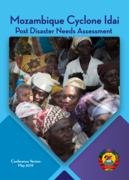
The full report you can download under
https://reliefweb.int/sites/reliefweb.int/files/resources/pdna_report_mozambique_cyclone_idai.pdf
(Large File 11 MB)
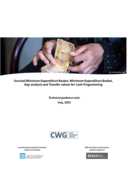
The CWG in Iraq has updated the SMEB and has designed a new MEB and gap analysis to inform the transfer values for cash programming in 2023. This document is a technical note with the summary of the values and the methodology.
FAO’s component of the Global COVID-19 Humanitarian Response Plan
18.5.2020
While the world was gripped by the unfolding COVID-19 pandemic in 2020, children continued to face the same crisis they have for decades: intolerably high mortality rates and vastly inequitable chances at life. In total, more than 5.0 million childr
...

The article focuses on "The State of the World’s Children 2023" report published by UNICEF. It highlights the critical role of vaccines in saving lives and the challenges in global immunization efforts, especially for marginalized and underserved
...
This report presents data and outlines best practices and policies that can put governments on the path to providing every child with the best start in life. It outlines the neuroscience of early childhood development (ECD), including the importance of nutrition, protection and stimulation in the ea
...

Namibia has, for many years, had a strong legislative and policy framework for the protection of children. These policies and laws have been developed through the combined expertise of those working in the field of child protection who have ensured
...

Chronic kidney disease (CKD) is an important contributor to mortality from noncommunicable diseases. No decrease has been seen for CKD mortality contrary to many other important non-communicable diseases (e.g., cardiovascular disease). The prevalence of CKD and kidney failure are increasing all over
...

In this article a cluster randomized cross-sectional survey, conducted in Albay Province in the Philippines in April 2016, was used to assess the prevalence of disability and access to support services. This was done with the purpose of generating
...
People living with HIV who have a low CD4 count are at a much higher risk of falling ill from TB infection than HIV negative people.
It is important to offer both HIV testing to TB patients and TB diagnosis in HIV patients. Early detection and
...
This guide focuses on the evaluation of psychosocial programs that are aligned with two main goals: - To promote psychosocial wellbeing by promoting an environment that provides appropriate care, opportunities for development and protects children from exposure to situations that are harmful to thei
...
PLoS Negl Trop Dis 16(11): e0010885. https://doi.org/10.1371/journal.pntd.0010885
HAT diagnosis in non-endemic countries is rare and can be challenging, but alertness and
surveillance must be maintained to contribute to WHO’s elimination goals.
...
This UNAIDS 2024 report brings together new data and case studies which demonstrate that the decisions and policy choices taken by world leaders this year will decide the fate of millions of lives and whether the
...
English Analysis on World about Disaster Management and Protection and Human Rights; published on 12 Jan 2021 by IFRC
In our fourth year of producing The State of Open Humanitarian Data, we can report the highest levels yet for data availability across priority humanitarian operations. These gains can be attributed to the commitment of organizations to sharing and maintaining their data publicly. There was also str
...

Guidelines.
The guidelines set out essential actions that humanitarian actors must take in order to effectively identify and respond to the needs and rights of persons with disabilities who are most at risk of being left behind in humanitarian sett
...
