
Filter
1780
Text search:
Emerging
Infectious
Diseases
Featured
204
378
Language
Document type
663
444
363
121
99
33
24
17
10
4
1
1
Countries
127
52
43
42
39
39
36
36
32
27
26
24
23
22
20
20
19
18
17
17
16
15
15
14
13
12
11
11
9
9
9
9
9
9
9
9
8
8
8
7
7
7
6
6
6
5
5
5
5
4
4
4
4
3
3
3
3
3
3
3
3
3
2
2
2
2
2
2
2
2
2
2
2
2
2
1
1
1
1
1
1
1
1
1
1
1
1
1
1
1
1
1
1
1
1
1
1
1
1
1
1
1
1
1
1
1
Authors & Publishers
Publication Years
Category
515
145
118
104
44
27
23
2
Toolboxes
244
158
139
103
92
91
91
65
59
58
43
39
36
33
32
30
24
24
19
19
16
15
11
7
2
1
Updated to Reflect the 2009 Medical Eligibility Criteria of the World Health Organization
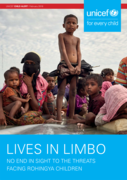
UNICEF Child Alert | February 2018
Back in Myanmar, an estimated half million Rohingya remain largely sealed off in their communities and displacement camps, fearful that the violence and horror that had driven so many of their relatives and neighbours to fl ee would engulf them too. Today, t ...
Back in Myanmar, an estimated half million Rohingya remain largely sealed off in their communities and displacement camps, fearful that the violence and horror that had driven so many of their relatives and neighbours to fl ee would engulf them too. Today, t ...
The Asia Pacific Observatory on Health Systems and Policies is a collaborative partnership which supports and promotes evidence-based health policy making in the Asia Pacific Region. Based in WHO’s Regional Office for South-East Asia, it brings together governments, international agencies, foundat
...
Program Implementation Manual (PIM)
The Save One Million Lives Program for Results (SOML PforR) is a Federal Government of Nigeria maternal and child health program, supported by the World Bank, which provides incentives based on achievement of results (health outcomes) and helps to drive insti ...
The Save One Million Lives Program for Results (SOML PforR) is a Federal Government of Nigeria maternal and child health program, supported by the World Bank, which provides incentives based on achievement of results (health outcomes) and helps to drive insti ...
The overall aim of the study was to understand the acceptability and usefulness of PHC clinical placements for nursing and midwifery students.

Poor quality health services are holding back progress on improving health in countries at all income levels.
Today, inaccurate diagnosis, medication errors, inappropriate or unnecessary treatment, inadequate or unsafe clinical facilities or practices, or providers who lack adequate training an ...
Today, inaccurate diagnosis, medication errors, inappropriate or unnecessary treatment, inadequate or unsafe clinical facilities or practices, or providers who lack adequate training an ...

WHO recommendations on adolescent health: guidelines approved by the WHO Guidelines Review Committee
This document is meant to respond to the questions:
■ What health interventions should the adolescent receive and when should s/he receive it?
■ What health behaviours should the adolescent practise (or not practise)?
■ What health interventions should the adolescent receive and when should s/he receive it?
■ What health behaviours should the adolescent practise (or not practise)?
An Independent Report
of the West Africa Commission on Drugs
Moving from accelerated burden reduction to malaria elimination in Zambia
This document aims to assist policy‑makers, health care providers and researchers to understand key concepts in health ethics and to identify basic ethical questions surrounding health and health care. It illustrates the challenges of applying ethical principles to global public health and outline
...
