
Filter
2287
Text search:
regulation
Featured
157
614
Language
2167
54
47
45
33
25
23
20
11
6
5
5
5
4
4
4
4
3
3
3
3
3
3
3
3
3
2
2
2
2
1
1
1
1
1
1
1
1
1
1
1
1
1
1
1
1
1
1
1
1
1
Document type
1140
494
293
135
123
45
27
13
7
5
3
2
Countries
104
86
78
78
61
47
46
45
44
42
41
37
36
30
29
29
28
26
26
25
24
24
23
22
21
20
19
17
17
17
15
14
13
13
12
11
11
10
10
9
9
9
9
8
8
8
7
7
7
7
6
6
6
6
5
5
5
4
4
4
4
3
3
3
3
3
3
3
3
3
3
3
3
3
2
2
2
2
2
2
2
2
2
2
2
2
2
2
2
1
1
1
1
1
1
1
1
1
1
1
1
1
1
1
1
1
1
1
1
1
1
1
1
1
1
1
1
1
1
1
1
Authors & Publishers
318
74
73
70
64
35
25
21
21
20
18
18
14
14
14
12
12
11
11
10
10
10
10
9
9
9
9
9
9
8
8
8
8
8
8
7
7
7
6
6
6
6
6
6
6
6
6
5
5
5
5
5
5
5
5
5
5
5
5
5
5
4
4
4
4
4
4
4
4
4
4
4
4
4
4
4
4
3
3
3
3
3
3
3
3
3
3
3
3
3
3
3
3
3
3
3
3
3
3
3
3
3
3
3
3
3
3
3
3
3
3
3
3
3
3
3
3
3
3
3
3
3
2
2
2
2
2
2
2
2
2
2
2
2
2
2
2
2
2
2
2
2
2
2
2
2
2
2
2
2
2
2
2
2
2
2
2
2
2
2
2
2
2
2
2
2
2
2
2
2
2
2
2
2
2
2
2
2
2
2
2
2
2
2
2
2
2
2
2
2
2
2
2
2
2
2
2
2
2
2
2
2
2
2
2
2
2
2
2
2
2
2
2
2
2
2
2
2
2
2
2
2
2
2
2
2
2
2
2
2
2
2
2
2
2
2
2
2
2
2
2
2
2
2
2
2
2
2
2
2
2
2
2
2
2
2
2
2
2
2
2
2
2
2
2
2
2
2
2
1
1
1
1
1
1
1
1
1
1
1
1
1
1
1
1
1
1
1
1
1
1
1
1
1
1
1
1
1
1
1
1
1
1
1
1
1
1
1
1
1
1
1
1
1
1
1
1
1
1
1
1
1
1
1
1
1
1
1
1
1
1
1
1
1
1
1
1
1
1
1
1
1
1
1
1
1
1
1
1
1
1
1
1
1
1
1
1
1
1
1
1
1
1
1
1
1
1
1
1
1
1
1
1
1
1
1
1
1
1
1
1
1
1
1
1
1
1
1
1
1
1
1
1
1
1
1
1
1
1
1
1
1
1
1
1
1
1
1
1
1
1
1
1
1
1
1
1
1
1
1
1
1
1
1
1
1
1
1
1
1
1
1
1
1
1
1
1
1
1
1
1
1
1
1
1
1
1
1
1
1
1
1
1
1
1
1
1
1
1
1
1
1
1
1
1
1
1
1
1
1
1
1
1
1
1
1
1
1
1
1
1
1
1
1
1
1
1
1
1
1
1
1
1
1
1
1
1
1
1
1
1
1
1
1
1
1
1
1
1
1
1
1
1
1
1
1
1
1
1
1
1
1
1
1
1
1
1
1
1
1
1
1
1
1
1
1
1
1
1
1
1
1
1
1
1
1
1
1
1
1
1
1
1
1
1
1
1
1
1
1
1
1
1
1
1
1
1
1
1
1
1
1
1
1
1
1
1
1
1
1
1
1
1
1
1
1
1
1
1
1
1
1
1
1
1
1
1
1
1
1
1
1
1
1
1
1
1
1
1
1
1
1
1
1
1
1
1
1
1
1
1
1
1
1
1
1
1
1
1
1
1
1
1
1
1
1
1
1
1
1
1
1
1
1
1
1
1
1
1
1
1
1
1
1
1
1
1
1
1
1
1
1
1
1
1
1
1
1
1
1
1
1
1
1
1
1
1
1
1
1
1
1
1
1
1
1
1
1
1
1
1
1
1
1
1
1
1
1
1
1
1
1
1
1
1
1
1
1
1
1
1
1
1
1
1
1
1
1
1
1
1
1
1
1
1
1
1
1
1
1
1
1
1
1
1
1
1
1
1
1
1
1
1
1
1
1
1
1
1
1
1
1
1
1
1
1
1
1
1
1
1
1
1
1
1
1
1
1
1
1
1
1
1
1
1
1
1
1
1
1
1
1
1
1
1
1
1
1
1
1
1
1
1
1
1
1
1
1
1
1
1
1
1
1
1
1
1
1
1
1
1
1
1
1
1
1
1
1
1
1
1
1
1
1
1
1
1
1
1
1
1
1
1
1
1
1
1
1
1
1
1
1
1
1
1
1
1
1
1
1
1
1
1
1
1
1
1
1
1
1
1
1
1
1
1
1
1
1
1
1
1
1
1
1
1
1
1
1
1
1
1
1
1
1
1
1
1
1
1
1
1
1
1
1
1
1
1
1
1
1
1
1
1
1
1
1
1
1
1
1
1
1
1
1
1
1
1
1
1
1
1
1
1
1
1
1
1
1
1
1
1
1
1
1
1
1
1
1
1
1
1
1
1
1
1
1
1
1
1
1
1
1
1
1
1
1
1
1
1
1
1
1
1
1
1
1
1
1
1
1
1
1
1
1
1
1
1
1
1
1
1
1
1
1
1
1
1
1
1
1
1
1
1
1
1
1
1
1
1
1
1
1
1
1
1
1
1
1
1
1
1
1
1
1
1
1
1
1
1
1
1
1
1
1
1
1
1
1
1
1
1
1
1
1
1
1
1
1
1
1
1
1
1
1
1
1
1
1
1
1
1
1
1
1
1
1
1
1
1
1
1
1
1
1
1
1
1
1
1
1
1
1
1
1
1
1
1
1
1
1
1
1
1
1
1
1
1
1
1
1
1
1
1
1
1
1
1
1
1
1
1
1
1
1
1
1
1
1
1
1
1
1
1
1
1
1
1
1
1
1
1
1
1
1
1
1
1
1
1
1
1
1
1
1
1
1
1
1
1
1
1
1
1
1
1
1
1
1
1
1
1
1
1
1
1
1
1
1
1
1
1
1
1
1
1
1
1
1
1
1
1
1
1
1
1
1
1
1
1
1
1
1
1
1
1
1
1
1
1
1
1
1
1
1
1
1
1
1
1
1
1
1
1
1
1
1
1
1
1
1
1
1
1
1
1
1
1
1
1
1
1
1
1
1
1
1
1
1
1
1
1
1
1
1
1
1
1
1
1
1
1
1
1
1
1
1
1
1
1
1
1
1
1
1
1
1
1
1
1
1
1
1
1
1
1
1
1
1
1
1
1
1
1
1
1
1
1
1
1
1
1
1
1
1
1
1
1
1
1
1
1
1
1
1
1
1
1
1
1
1
1
1
1
1
1
1
1
1
1
1
1
1
1
1
1
1
1
1
1
1
1
1
1
1
1
1
1
1
1
1
1
1
1
1
1
1
1
1
1
1
1
1
1
1
1
1
1
1
1
1
1
1
1
1
1
1
1
1
1
1
1
1
1
1
1
1
1
1
1
1
1
1
1
1
1
1
1
1
1
1
1
1
1
1
1
1
1
1
1
1
1
1
1
1
1
1
1
1
1
1
1
1
1
1
1
1
1
1
1
1
1
1
1
1
1
1
1
1
1
1
1
1
1
1
1
1
1
1
1
1
1
1
1
1
1
1
1
1
1
1
1
1
1
1
1
1
1
1
1
1
1
1
1
1
1
1
1
1
1
1
1
1
1
1
1
1
1
1
1
1
1
1
1
1
1
1
1
1
1
1
1
1
1
1
1
1
1
1
1
1
1
1
1
1
1
1
1
1
1
1
1
1
1
1
1
1
1
1
1
1
1
1
1
1
1
1
1
1
1
1
1
1
1
1
1
1
1
1
1
1
1
1
1
1
1
1
1
1
1
1
1
1
1
1
1
1
1
1
1
1
1
1
1
1
1
1
1
1
1
1
1
1
1
1
1
1
1
1
1
1
1
1
1
1
1
1
1
1
1
1
1
1
1
1
1
1
1
1
1
1
1
1
1
1
1
1
1
1
1
1
1
1
1
1
1
1
1
1
1
1
1
1
1
1
1
1
1
1
1
1
1
1
1
1
1
1
1
1
1
1
1
1
1
1
1
1
1
1
1
1
1
1
1
1
1
1
1
1
1
1
1
1
1
1
1
1
1
1
1
1
1
1
1
1
1
1
1
1
1
1
1
1
1
1
1
1
1
1
1
1
1
1
1
1
1
1
1
1
1
1
1
1
1
1
1
1
1
1
1
1
1
1
1
1
1
1
1
1
1
1
1
1
1
1
1
1
1
1
1
1
1
1
1
1
1
1
1
1
1
1
1
1
1
1
1
1
1
1
1
1
1
1
1
1
1
1
1
1
1
1
1
1
1
1
1
1
1
1
1
1
1
1
1
1
1
1
1
1
1
1
1
1
1
1
1
1
1
1
1
1
1
1
1
1
1
1
1
1
1
1
1
1
1
1
1
1
1
1
1
1
1
1
1
1
1
1
1
1
1
1
1
1
1
1
1
1
1
1
1
1
1
1
1
1
1
1
1
1
1
1
1
1
1
1
1
1
1
1
1
1
1
1
1
1
1
1
1
1
1
1
1
1
1
1
1
1
1
1
1
1
1
1
1
1
1
1
1
1
1
1
1
1
1
1
1
1
1
1
1
1
1
1
1
1
1
1
1
1
1
1
1
1
1
1
1
1
1
1
1
1
1
1
1
1
1
1
1
1
1
1
1
1
1
1
1
1
1
1
1
1
1
1
1
1
1
1
1
1
1
1
1
1
1
1
1
1
1
1
1
1
1
1
1
1
1
1
1
1
1
1
1
1
1
1
1
1
1
1
1
1
1
1
1
1
1
1
1
1
1
1
1
1
1
1
1
1
1
1
1
1
1
1
1
1
1
1
1
1
1
1
1
1
1
1
1
1
1
1
1
1
1
1
1
1
1
1
1
1
1
1
1
1
1
1
1
Publication Years
694
1390
188
15
Category
924
155
136
114
89
31
25
Toolboxes
226
143
139
130
83
82
82
61
56
55
55
43
41
41
31
31
29
26
23
22
14
9
9
5
4
1
30 January 2020
This document outlines the standard operating procedures for detection and response to case/s of suspected novel coronavirus disease (2019-nCoV) in South Africa. The content of this document should inform provincial preparedness plans.
Table of contents
1: Introdução; 2: Considerações para atendimento em situação de pico de demanda em serviços de saúde e alocação de equipes médicas de emergência; 3: Equipes médicas de emergência; 4: Níveis de resposta em situação de pico de demanda por cuidados médicos; 5: Expan
...
são da capacidade em sistemas de emergência médica pré-hospitalares; 6: Identificação de locais alternativos de assistência; 7: Referências.
more
As the COVID-19 pandemic continues to threaten health and food systems around the world, the 2020 Global Nutrition Report calls on governments, businesses and civil society to step up efforts to address malnutrition in all its forms.

The following Emergency Response Plan for the COVID-19 pandemic seeks to set out activities that will be undertaken by humanitarian actors in Ukraine over the course of 2020 to respond to the public health impact of the epidemic – as well as the indirect, socio-economic impact on people’s well-b
...
eing, which will span across many areas. Given the extensive public exposure of the COVID-19 threat, the response will cover the whole of Ukraine, while providing a distinct focus on Donetska and Luhanska oblasts that have been ravaged by an armed conflict for the last six consecutive years. The planned COVID-19 response in the two conflict-affected oblasts will be treated as an annex to the current Humanitarian Response Plan for Ukraine
more
School health programmes have been demonstrated to be the most cost-effective way to influence health behaviours in young people. The purpose of this two-part handbook is to support schools as they seek to implement interventions aimed at reducing the main modifiable risk behaviours f
...
or noncommunicable diseases (NCDs) . The background provided in this Introduction handbook and the approaches and advice outlined in the Practical application handbook focuses on providing young people with the knowledge, attitudes, beliefs and life skills necessary for making informed decisions, and creating a healthy school environment that can reduce the risk of NCDs
more

The “United Nations Framework for the immediate socio-economic response to COVID-19: Shared responsibility, global solidarity and urgent action for people in need” calls for protecting jobs, businesses and livelihoods to set in motion a safe recovery of societies and economies as soon as possibl
...
e for a more sustainable, gender-equal, and carbon-neutral path—better than the “old normal”.
more
While the COVID-19 pandemic threatens all members of society, persons with disabilities are disproportionately impacted due to attitudinal, environmental and institutional barriers that are reproduced in the COVID-19 response.
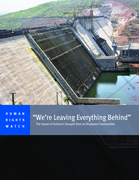
Guinea’s 450 megawatt Souapiti dam, scheduled to begin operating in September 2020, is the most advanced of several new hydropower projects planned by the government of President Alpha Condé. Guinea’s government believes that hydropower can significantly increase access to electricity in a cou
...
ntry where only a fraction of people have reliable access to power.Souapiti’s output, however, has a human cost. The dam’s reservoir will ultimately displace an estimated 16,000 people from 101 villages and hamlets. The Guinean government had moved 51 villages by the end of 2019 and said it planned to conduct the remaining resettlements within a year. Forced off their ancestral homes and farmlands, and with much of their land already, or soon to be flooded, displaced communities are struggling to feed their families, restore their livelihoods, and live with dignity.
more
Afghanistan has one of the largest populations per capita of persons with disabilities in the world. At least one in five Afghan households includes an adult or child with a serious physical, sensory, intellectual, or psychosocial disability. More than 40 years of war have left more than one million
...
Afghans with amputated limbs and other mobility, visual, or hearing disabilities. Many Afghans have psychosocial disabilities (mental health conditions) such as depression, anxiety, and post-traumatic stress, which are often a direct result of the protracted conflict. Other Afghans have pre-existing disabilities not directly related to the conflict, such as those caused by polio.
more

RMRP 2020 - Regional Refugee and Migrant Response Plan for Refugees and Migrants from Venezuela 2020
The Venezuelan refugee and migrant crisis is one of the biggest external displacement crises in the world today. The COVID-19 pandemic has compounded an already desperate situation for many refugees and migrants, as well as their hosts, sorely testing health and social welfare systems and the abilit
...
y of countries to assist the vulnerable population.
more
COVID-19 Guidance on use of personal protective equipment for different clinical settings and activities
recommended
This document provides guidance to African Union Member States based on a specific request from Member States for a checklist/guidance of the required personal protective equipment (PPE) needed by healthcare workers and care givers for the Coronavirus Disease 2019 (COVID-19) pandemic. This document
...
has been synthesised from currently available evidence (1-6), with consideration to the African context, and as such, can be adapted to the country context.
more

1 June 2020
Countries around the world are facing the challenge of increased demand for care of people with COVID-19, compounded by fear, misinformation and limitations on movement that disrupt the delivery of health care for all conditions. Maintaining essential health services: operational guidan
...
ce for the COVID-19 context recommends practical actions that countries can take at national, subregional and local levels to reorganize and safely maintain access to high-quality, essential health services in the pandemic context. It also outlines sample indicators for monitoring essential health services, and describes considerations on when to stop and restart services as COVID-19 transmission recedes and surges. This document expands on the content of pillar 9 of the COVID-19 strategic preparedness and response plan, supersedes the earlier Operational guidance for maintaining essential health services during an outbreak, and complements the recently-released Community-based health care, including outreach and campaigns, in the context of the COVID-19 pandemic. It is intended for decision-makers and managers at the national and subnational levels.
This is an update to COVID-19: Operational guidance for maintaining essential health services during an outbreak: Interim guidance, 25 March 2020
more
Infection prevention and control (IPC) practices are of critical importance in protecting the function of healthcare services at all levels and mitigating the impact on vulnerable populations. Although the management of possible COVID-19 cases is usually guided by national policies for specific heal
...
thcare facilities, community transmission is currently widespread in most EU/EEA countries and the UK, therefore primary healthcare providers in the community such as GPs, dentists and pharmacists are at risk of being exposed to COVID-19.
more


This technical guidance outlines current evidence, knowledge and best practice relating to incidences of violence and injuries among refugees and migrants in the WHO European Region. It highlights key principles, summarizes priority actions and challenges, maps existing international commitments and
...
frameworks and provides practical policy considerations for preventing and responding to such challenges. Specific areas for intervention include ensuring safe passage for migration; addressing causes of violence and injuries in transit and destination countries, including changing norms and values; identifying victims and providing care and protection; investigating and prosecuting perpetrators; and strengthening the knowledge base. While the main intended audience of this technical guidance series are policy-makers across sectors at local, national and regional levels, the contents of this publication will also be of value for health-care practitioners and law enforcement and border protection officials.
more
Fetal alcohol spectrum disorders (FASD) represent a range of physical, mental, and behavioral disabilities caused by alcohol use during pregnancy, or prenatal alcohol exposure (PAE). FASDs are considered to be one of the leading preventable causes of developmental disability. Despite its high preval
...
ence, FASD is often misdiagnosed or underdiagnosed, making interventions more challenging or delayed.
his publication was initially developed for use in Spanish-speaking countries of the Americas and is intended to serve as a training workbook for providers of various disciplines to learn about the fundamentals of diagnosing FASD and to apply them to several case scenarios. It also discusses ethical implications of diagnosing FASD to the mother and child. Target audiences include physicians, psychologists, allied health professionals, social workers, and other providers that may encounter individuals affected by FASD. It is ideally used as a supplement for in-person training by experts in the fields of dysmorphology, epidemiology, and neuropsychology.
more
Este documento presenta una actualización de las recomendaciones interinas de la Organización Panamericana de la Salud para la gestión de los casos de COVID-19 en los servicios de salud. La lista de dispositivos médicos prioritarios en el contexto de la COVID-19 proporciona normas mínimas, desc
...
ripciones técnicas y especificaciones para el manejo de pacientes con sospecha o confirmación de infección por coronavirus en los distintos niveles del entramado asistencial y puntualmente para todas las etapas de atención.
more

Letter of the holy father
