
Filter
1982
Text search:
pregnancy
risks
Featured
236
603
Language
1941
45
39
28
24
11
9
8
4
3
3
3
3
3
3
2
2
2
1
1
1
1
1
1
1
1
1
1
1
1
1
1
1
1
1
1
1
Document type
1114
344
255
85
68
48
37
14
8
3
2
1
1
1
Countries
88
83
63
53
51
45
45
42
42
40
39
35
33
32
27
26
25
25
22
21
18
15
13
13
13
12
12
11
10
10
9
9
9
9
8
7
6
6
6
6
5
4
4
4
4
4
4
4
4
4
4
4
4
3
3
3
3
3
3
2
2
2
2
2
2
2
2
2
2
2
1
1
1
1
1
1
1
1
1
1
1
1
1
1
1
1
1
1
1
1
1
1
1
Authors & Publishers
294
87
74
52
51
38
30
27
27
26
23
21
18
18
16
16
15
15
14
12
11
10
10
10
10
9
9
9
9
8
8
7
7
7
7
7
6
6
6
6
6
5
5
5
5
5
5
5
5
5
5
5
5
4
4
4
4
4
4
4
4
4
4
4
4
4
4
4
4
4
4
4
4
4
4
4
4
4
4
4
3
3
3
3
3
3
3
3
3
3
3
3
3
3
3
3
3
3
3
3
3
3
3
3
3
3
3
3
3
3
3
3
3
3
3
3
3
3
2
2
2
2
2
2
2
2
2
2
2
2
2
2
2
2
2
2
2
2
2
2
2
2
2
2
2
2
2
2
2
2
2
2
2
2
2
2
2
2
2
2
2
2
2
2
2
2
2
2
2
2
2
2
2
2
2
2
2
2
2
2
2
2
2
2
2
2
2
2
2
2
2
2
2
2
2
2
2
2
2
2
2
2
2
2
2
2
2
2
2
2
2
2
2
2
2
2
2
2
2
2
2
2
2
2
2
2
2
2
2
2
2
2
2
2
2
2
1
1
1
1
1
1
1
1
1
1
1
1
1
1
1
1
1
1
1
1
1
1
1
1
1
1
1
1
1
1
1
1
1
1
1
1
1
1
1
1
1
1
1
1
1
1
1
1
1
1
1
1
1
1
1
1
1
1
1
1
1
1
1
1
1
1
1
1
1
1
1
1
1
1
1
1
1
1
1
1
1
1
1
1
1
1
1
1
1
1
1
1
1
1
1
1
1
1
1
1
1
1
1
1
1
1
1
1
1
1
1
1
1
1
1
1
1
1
1
1
1
1
1
1
1
1
1
1
1
1
1
1
1
1
1
1
1
1
1
1
1
1
1
1
1
1
1
1
1
1
1
1
1
1
1
1
1
1
1
1
1
1
1
1
1
1
1
1
1
1
1
1
1
1
1
1
1
1
1
1
1
1
1
1
1
1
1
1
1
1
1
1
1
1
1
1
1
1
1
1
1
1
1
1
1
1
1
1
1
1
1
1
1
1
1
1
1
1
1
1
1
1
1
1
1
1
1
1
1
1
1
1
1
1
1
1
1
1
1
1
1
1
1
1
1
1
1
1
1
1
1
1
1
1
1
1
1
1
1
1
1
1
1
1
1
1
1
1
1
1
1
1
1
1
1
1
1
1
1
1
1
1
1
1
1
1
1
1
1
1
1
1
1
1
1
1
1
1
1
1
1
1
1
1
1
1
1
1
1
1
1
1
1
1
1
1
1
1
1
1
1
1
1
1
1
1
1
1
1
1
1
1
1
1
1
1
1
1
1
1
1
1
1
1
1
1
1
1
1
1
1
1
1
1
1
1
1
1
1
1
1
1
1
1
1
1
1
1
1
1
1
1
1
1
1
1
1
1
1
1
1
1
1
1
1
1
1
1
1
1
1
1
1
1
1
1
1
1
1
1
1
1
1
1
1
1
1
1
1
1
1
1
1
1
1
1
1
1
1
1
1
1
1
1
1
1
1
1
1
1
1
1
1
1
1
1
1
1
1
1
1
1
1
1
1
1
1
1
1
1
1
1
1
1
1
1
1
1
1
1
1
1
1
1
1
1
1
1
1
1
1
1
1
1
1
1
1
1
1
1
1
1
1
1
1
1
1
1
1
1
1
1
1
1
1
1
1
1
1
1
1
1
1
1
1
1
1
1
1
1
1
1
1
1
1
1
1
1
1
1
1
1
1
1
1
1
1
1
1
1
1
1
1
1
1
1
1
1
1
1
1
1
1
1
1
1
1
1
1
1
1
1
1
1
1
1
1
1
1
1
1
1
1
1
1
1
1
1
1
1
1
1
1
1
1
1
1
1
1
1
1
1
1
1
1
1
1
1
1
1
1
1
1
1
1
1
1
1
1
1
1
1
1
1
1
1
1
1
1
1
1
1
1
1
1
1
1
1
1
1
1
1
1
1
1
1
1
1
1
1
1
1
1
1
1
1
1
1
1
1
1
1
1
1
1
1
1
1
1
1
1
1
1
1
1
1
1
1
1
1
1
1
1
1
1
1
1
1
1
1
1
1
1
1
1
1
1
1
1
1
1
1
1
1
1
1
1
1
1
1
1
1
1
1
1
1
1
1
1
1
1
1
1
1
1
1
1
1
1
1
1
1
1
1
1
1
1
1
1
1
1
1
1
1
1
1
1
1
1
1
1
1
1
1
1
1
1
1
1
1
1
1
1
1
1
1
1
1
1
1
1
1
1
1
1
1
1
1
1
1
1
1
1
1
1
1
1
1
1
1
1
1
1
1
1
1
1
1
1
1
1
1
1
1
1
1
1
1
1
1
1
1
1
1
1
1
1
1
1
1
1
1
1
1
1
1
1
1
1
1
1
1
1
1
1
1
1
1
1
1
1
1
1
1
1
1
1
1
1
1
1
1
1
1
1
1
1
1
1
1
1
1
1
1
1
1
1
1
1
1
1
1
1
1
1
1
1
1
1
1
1
1
1
1
1
1
1
1
1
1
1
1
1
1
1
1
1
1
1
1
1
1
1
1
1
1
1
1
1
1
1
1
1
1
1
1
1
1
1
1
1
1
1
1
1
1
1
1
1
1
1
1
1
1
1
1
1
1
1
1
1
1
1
1
1
1
1
1
1
1
1
1
1
1
1
1
1
1
1
1
1
1
1
1
1
1
1
1
1
1
1
1
1
1
1
1
1
1
1
1
1
1
1
1
1
1
1
1
1
1
1
1
1
1
1
1
1
1
1
1
1
1
1
1
1
1
1
1
1
1
1
1
1
1
1
1
1
1
1
1
1
1
1
1
1
1
1
1
1
1
1
1
1
1
1
1
1
1
1
1
1
1
1
1
1
1
1
1
1
1
1
1
1
1
1
1
1
1
1
1
1
1
1
1
1
1
1
1
1
1
1
1
1
1
1
1
1
1
1
1
1
1
1
1
1
1
1
1
1
1
1
1
1
1
1
1
1
1
1
1
1
1
1
1
1
1
1
1
1
1
1
1
1
1
1
1
1
1
1
1
1
1
1
1
1
1
1
1
1
1
1
1
1
1
1
1
1
1
1
1
1
1
1
1
1
1
1
1
1
1
1
1
1
1
1
1
1
1
1
1
1
1
1
1
1
1
1
1
1
1
1
1
1
1
1
1
1
1
1
1
1
1
1
1
1
1
1
1
1
1
1
1
1
1
1
1
1
1
1
1
1
1
1
1
1
1
1
1
1
1
1
1
1
1
1
1
1
1
1
1
1
1
1
1
1
1
1
1
1
1
1
1
1
1
1
1
1
1
1
1
1
1
1
1
1
1
1
1
1
1
1
1
1
1
1
1
1
1
1
1
1
1
1
1
1
1
1
1
1
1
1
1
1
1
1
1
1
1
1
1
1
1
1
1
1
1
1
1
1
1
1
1
1
1
1
1
1
1
1
1
1
1
1
1
1
1
1
1
1
1
1
1
1
1
1
1
1
1
1
1
1
1
1
1
1
1
1
1
1
1
1
1
1
1
1
1
1
1
1
1
1
1
1
1
1
1
1
1
1
1
1
1
1
1
1
1
1
1
1
1
1
1
1
1
1
1
1
1
1
1
1
1
1
1
1
1
1
1
1
1
1
1
1
1
1
1
1
1
1
1
1
Publication Years
572
1226
179
5
Category
793
250
210
105
78
68
8
Toolboxes
156
138
117
64
62
54
52
48
45
44
40
38
34
32
28
26
23
15
11
11
10
7
6
3
1
1
1

This document provides an overview of sexual and reproductive health and rights issues that may be important for the human rights, health and well-being of adolescents (aged 10–19 years) and the relevant World Health Organization (WHO) guidelines on how to address them in an easilyaccessible, user
...
-friendly format. The document serves as a gateway to the rich body of WHO guidelines, and as a handy resource to inform advocacy, policy and programme/project design and research. It aims to support the implementation of the Global Strategy for Women’s, Children’s and Adolescents’ Health 2016–2030 (1), and is aligned with the WHO Global Accelerated Action for the Health of Adolescents (AA-HA!) as well as the WHO Operational Framework on Sexual Health and Its Linkages to Reproductive Health (2,3).
more
Framework for Action
Just about everyone has experienced the joy that a healthy newborn child brings to parents, families and communities. But the arrival of a newborn who is small or sick often results in immediate worry and sadness. When the infant is at high risk of death or disability, these concerns can be a tremen
...
dous additional burden.
more
Non-Communicable Diseases (NCDs) are a worldwide epidemic. Particularly, the most common diseases - Cardiovascular diseases, Chronic Obstructive Pulmonary Diseases (COPD), Chronic Kidney Diseases, Cancer, Diabetes, injuries and disabilities, EMT, oral, eye g
...
reatly contribute to the morbidity and mortality accounting for around 60% of all deaths worldwide. The disease pattern is also changing from infectious to chronic in Rwanda like other developing countries due to the epidemiological transition.
more

As part of our commitment to the fight against NCDs, Nigeria was signatory to the political declaration at the UN General Assembly High Level Meeting on NCDs in September 2011. Thus, the purpose of this document is to develop and ensure the implementation of policies and p
...
rogrammes that will engender and guarantee a healthy lifestyle and quality health for all Nigerians. The core sections include background, scope of the policy, policy goal, strategic thrusts for implementation, programme management and coordination, roles of stakeholders and partnership coordination. It is expected that with the adoption of this policy, the control and prevention of NCDs and their associated risk factors will be well integrated at all levels of government and health care delivery system in Nigeria. This policy document is therefore a stepping stone towards the development of guidelines for the prevention and management of NCDs.
more

The Western Pacific Regional Action Plan for the Prevention and Control of Noncommunicable Diseases (2014–2020) was developed in response to a resolution adopted at the sixty-second session of the WHO Regional Committee for the Western Pacific. The regional plan is fully harmonized with
...
the Global Action Plan for the Prevention and Control of Noncommunicable Diseases (2013–2020) while adding the value of actions that build on regional achievements, contexts, opportunities and perspective
more
The prevalence of chronic non-communicable diseases such as diabetes, cardiovascular diseases and cancers has been on the increase in Kenya in the recent past. This has been occasioned by changes in social and demographic situation in the country. The life expectancy
...
in the country is improving, while the country is developing at a rapid pace. This has resulted in people living more years and at the time adopting lifestyles that have negative impacts on their health. This increase in diabetes and other non-communicable diseases has given rise to a double burden of communicable and non-communicable diseases in Kenya
more
Facilitator's Guide
Refresher Training Module for Health Care Providers implementing the MISP
Inter-agency Working Group on Reproductive Health in Crises Training Partnership

According to the Report, cascading and interlinked crises are putting the 2030 Agenda for Sustainable Development in grave danger, along with humanity’s very own survival. The Report highlights the severity and magnitude of the challenges before us. The confluence of crises, dominated by COVID-19,
...
climate change, and conflicts, are creating spin-off impacts on food and nutrition, health, education, the environment, and peace and security, and affecting all the Sustainable Development Goals (SDGs). The Report details the reversal of years of progress in eradicating poverty and hunger, improving health and education, providing basic services, and much more. It also points out areas that need urgent action in order to rescue the SDGs and deliver meaningful progress for people and the planet by 2030.
more
Web annex 5: Oxytocin and ergometrine versus placebo or no treatment
Evidence to decision framework
Web annex 2: Carbetocin versus placebo or no treatment
Evidence to decision framework
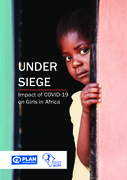
The COVID-19 pandemic has exacerbated and added yet another layer of vulnerability to an already dire web of vulnerabilities of girls in the African continent, which constitute about 49% of the total child population. Critically, gender equality and girls’ multidimensional vulnerability have been
...
accentuated to an unprecedented level. The pandemic has triggered major concerns about the potential reversal of the strides achieved over the years towards gender equality and human development in Africa.
more

In India, in response to the above and guided by our counterparts in the government of India, the UN agencies have developed the Novel Coronavirus Disease Joint Health Response Plan by UN Agencies and Partners, led by WHO-India, in close collaboration with the Ministry of Health and Family Welfare,
...
and with the support of other development partners. The UN in India is also preparing a COVID-19 Socio-economic Response and Recovery Plan, in partnership with the government.
more
Sepsis contributes significantly to preventable mortality and is the final common pathway to death for severe infectious diseases; it can also arise as a complication of injuries and non-communicable diseases.
The Guidelines on promotive and preventive mental health interventions for adolescents - Helping Adolescents thrive (HAT), provide evidence-informed recommendations on psychosocial interventions to promote mental health, prevent mental disorders, and reduce self-harm and other risk behaviours among
...
adolescents.
The HAT Guidelines aims to inform policy development, service planning and the strengthening of health and education systems, and facilitate mainstreaming of adolescent mental health promotion and prevention strategies across sectors and delivery platforms.
more
Available in Arabic, Chinese, English, French, Portuguese and Spanish
https://apps.who.int/iris/handle/10665/334254

Children in refugee situations face many potential dangers, such as violence, abuse, exploitation, discrimination, separation from their families, trafficking and military recruitment. The impact of these experiences can be devastating and long-lasting. Children have different needs from adults and
...
these needs can only be identified and met if they are approached in a way that is specific to children.
The impact of the COVID-19 global pandemic has exacerbated the dangers faced by children in refugee situations and laid bare the need for their protection and for ensuring that all their human rights are upheld all the time.
The goal of this publication is to share examples of approaches by members of the Initiative that have proven effective for children.
more
