
Filter
4242
Text search:
Nutrition
International
Featured
331
1301
Language
3764
420
97
62
50
28
26
12
9
7
6
4
3
3
3
3
2
2
2
2
2
2
2
2
2
2
1
1
1
1
1
1
1
1
1
1
1
1
1
1
1
1
1
Document type
2479
775
398
201
195
69
56
45
11
7
3
2
1
Countries / Regions
191
165
162
118
112
95
93
88
84
81
79
78
76
76
72
71
70
64
56
52
50
50
47
43
40
40
38
38
37
37
35
35
32
29
29
29
28
28
25
23
23
21
20
16
14
14
13
12
12
11
11
11
11
11
10
9
9
9
9
9
8
8
8
7
7
7
7
7
6
6
6
5
5
5
5
5
4
4
4
4
4
3
3
3
3
3
3
3
3
3
2
2
2
2
2
2
2
2
2
2
2
2
2
2
2
2
1
1
1
1
1
1
1
1
1
1
1
1
1
1
1
1
1
1
1
1
1
1
1
1
1
Authors & Publishers
354
143
134
123
106
97
85
61
56
45
35
34
26
25
25
25
24
23
22
21
21
21
21
20
20
18
17
16
15
15
15
14
14
14
14
14
14
14
13
13
13
12
12
12
12
11
11
11
11
11
11
11
10
10
10
10
9
9
9
9
9
9
9
9
9
8
8
8
8
8
8
7
7
7
7
7
7
7
7
7
7
7
7
7
7
7
7
7
7
7
7
7
6
6
6
6
6
6
6
6
6
6
6
6
6
6
6
6
6
6
6
6
6
6
6
6
6
6
6
5
5
5
5
5
5
5
5
5
5
5
5
5
5
5
5
5
5
5
5
5
5
5
5
5
5
5
5
5
5
5
5
5
5
5
5
5
5
5
5
5
4
4
4
4
4
4
4
4
4
4
4
4
4
4
4
4
4
4
4
4
4
4
4
4
4
4
4
4
4
4
4
4
4
4
4
4
4
4
4
4
4
4
4
4
4
4
3
3
3
3
3
3
3
3
3
3
3
3
3
3
3
3
3
3
3
3
3
3
3
3
3
3
3
3
3
3
3
3
3
3
3
3
3
3
3
3
3
3
3
3
3
3
3
3
3
3
3
3
3
3
3
3
3
3
3
3
3
3
3
3
3
3
3
3
3
3
3
3
3
3
3
3
3
3
3
3
3
3
3
3
3
3
3
3
3
3
3
3
3
3
3
3
3
3
3
3
2
2
2
2
2
2
2
2
2
2
2
2
2
2
2
2
2
2
2
2
2
2
2
2
2
2
2
2
2
2
2
2
2
2
2
2
2
2
2
2
2
2
2
2
2
2
2
2
2
2
2
2
2
2
2
2
2
2
2
2
2
2
2
2
2
2
2
2
2
2
2
2
2
2
2
2
2
2
2
2
2
2
2
2
2
2
2
2
2
2
2
2
2
2
2
2
2
2
2
2
2
2
2
2
2
2
2
2
2
2
2
2
2
2
2
2
2
2
2
2
2
2
2
2
2
2
2
2
2
2
2
2
2
2
2
2
2
2
2
2
2
2
2
2
2
2
2
2
2
2
2
2
2
2
2
2
2
2
2
2
2
2
2
2
2
2
2
2
2
2
2
2
2
2
2
2
2
2
2
2
2
2
2
2
2
2
2
2
2
2
2
2
2
2
2
2
2
2
2
2
2
2
2
2
2
2
2
2
2
2
2
2
2
2
2
2
2
2
2
2
2
2
2
2
2
2
2
2
2
2
2
2
2
2
2
2
2
2
2
2
2
2
2
2
2
2
2
2
2
2
2
2
2
2
2
2
2
2
2
2
2
2
2
2
2
1
1
1
1
1
1
1
1
1
1
1
1
1
1
1
1
1
1
1
1
1
1
1
1
1
1
1
1
1
1
1
1
1
1
1
1
1
1
1
1
1
1
1
1
1
1
1
1
1
1
1
1
1
1
1
1
1
1
1
1
1
1
1
1
1
1
1
1
1
1
1
1
1
1
1
1
1
1
1
1
1
1
1
1
1
1
1
1
1
1
1
1
1
1
1
1
1
1
1
1
1
1
1
1
1
1
1
1
1
1
1
1
1
1
1
1
1
1
1
1
1
1
1
1
1
1
1
1
1
1
1
1
1
1
1
1
1
1
1
1
1
1
1
1
1
1
1
1
1
1
1
1
1
1
1
1
1
1
1
1
1
1
1
1
1
1
1
1
1
1
1
1
1
1
1
1
1
1
1
1
1
1
1
1
1
1
1
1
1
1
1
1
1
1
1
1
1
1
1
1
1
1
1
1
1
1
1
1
1
1
1
1
1
1
1
1
1
1
1
1
1
1
1
1
1
1
1
1
1
1
1
1
1
1
1
1
1
1
1
1
1
1
1
1
1
1
1
1
1
1
1
1
1
1
1
1
1
1
1
1
1
1
1
1
1
1
1
1
1
1
1
1
1
1
1
1
1
1
1
1
1
1
1
1
1
1
1
1
1
1
1
1
1
1
1
1
1
1
1
1
1
1
1
1
1
1
1
1
1
1
1
1
1
1
1
1
1
1
1
1
1
1
1
1
1
1
1
1
1
1
1
1
1
1
1
1
1
1
1
1
1
1
1
1
1
1
1
1
1
1
1
1
1
1
1
1
1
1
1
1
1
1
1
1
1
1
1
1
1
1
1
1
1
1
1
1
1
1
1
1
1
1
1
1
1
1
1
1
1
1
1
1
1
1
1
1
1
1
1
1
1
1
1
1
1
1
1
1
1
1
1
1
1
1
1
1
1
1
1
1
1
1
1
1
1
1
1
1
1
1
1
1
1
1
1
1
1
1
1
1
1
1
1
1
1
1
1
1
1
1
1
1
1
1
1
1
1
1
1
1
1
1
1
1
1
1
1
1
1
1
1
1
1
1
1
1
1
1
1
1
1
1
1
1
1
1
1
1
1
1
1
1
1
1
1
1
1
1
1
1
1
1
1
1
1
1
1
1
1
1
1
1
1
1
1
1
1
1
1
1
1
1
1
1
1
1
1
1
1
1
1
1
1
1
1
1
1
1
1
1
1
1
1
1
1
1
1
1
1
1
1
1
1
1
1
1
1
1
1
1
1
1
1
1
1
1
1
1
1
1
1
1
1
1
1
1
1
1
1
1
1
1
1
1
1
1
1
1
1
1
1
1
1
1
1
1
1
1
1
1
1
1
1
1
1
1
1
1
1
1
1
1
1
1
1
1
1
1
1
1
1
1
1
1
1
1
1
1
1
1
1
1
1
1
1
1
1
1
1
1
1
1
1
1
1
1
1
1
1
1
1
1
1
1
1
1
1
1
1
1
1
1
1
1
1
1
1
1
1
1
1
1
1
1
1
1
1
1
1
1
1
1
1
1
1
1
1
1
1
1
1
1
1
1
1
1
1
1
1
1
1
1
1
1
1
1
1
1
1
1
1
1
1
1
1
1
1
1
1
1
1
1
1
1
1
1
1
1
1
1
1
1
1
1
1
1
1
1
1
1
1
1
1
1
1
1
1
1
1
1
1
1
1
1
1
1
1
1
1
1
1
1
1
1
1
1
1
1
1
1
1
1
1
1
1
1
1
1
1
1
1
1
1
1
1
1
1
1
1
1
1
1
1
1
1
1
1
1
1
1
1
1
1
1
1
1
1
1
1
1
1
1
1
1
1
1
1
1
1
1
1
1
1
1
1
1
1
1
1
1
1
1
1
1
1
1
1
1
1
1
1
1
1
1
1
1
1
1
1
1
1
1
1
1
1
1
1
1
1
1
1
1
1
1
1
1
1
1
1
1
1
1
1
1
1
1
1
1
1
1
1
1
1
1
1
1
1
1
1
1
1
1
1
1
1
1
1
1
1
1
1
1
1
1
1
1
1
1
1
1
1
1
1
1
1
1
1
1
1
1
1
1
1
1
1
1
1
1
1
1
1
1
1
1
1
1
1
1
1
1
1
1
1
1
1
1
1
1
1
1
1
1
1
1
1
1
1
1
1
1
1
1
1
1
1
1
1
1
1
1
1
1
1
1
1
1
1
1
1
1
1
1
1
1
1
1
1
1
1
1
1
1
1
1
1
1
1
1
1
1
1
1
1
1
1
1
1
1
1
1
1
1
1
1
1
1
1
1
1
1
1
1
1
1
1
1
1
1
1
1
1
1
1
1
1
1
1
1
1
1
1
1
1
1
1
1
1
1
1
1
1
1
1
1
1
1
1
1
1
1
1
1
1
1
1
1
1
1
1
1
1
1
1
1
1
1
1
1
1
1
1
1
1
1
1
1
1
1
1
1
1
1
1
1
1
1
1
1
1
1
1
1
1
1
1
1
1
1
1
1
1
1
1
1
1
1
1
1
1
1
1
1
1
1
1
1
1
1
1
1
1
1
1
1
1
1
1
1
1
1
1
1
1
1
1
1
1
1
1
1
1
1
1
1
1
1
1
1
1
1
1
1
1
1
1
1
1
1
1
1
1
1
1
1
1
1
1
1
1
1
1
1
1
1
1
1
1
1
1
1
1
1
1
1
1
1
1
1
1
1
1
1
1
1
1
1
1
1
1
1
1
1
1
1
1
1
1
1
1
1
1
1
1
1
1
1
1
1
1
1
1
1
1
1
1
1
1
1
1
1
1
1
1
1
1
1
1
1
1
1
1
1
1
1
1
1
1
1
1
1
1
1
1
1
1
1
1
1
1
1
1
1
1
1
1
1
1
1
1
1
1
1
1
1
1
1
1
1
1
1
1
1
1
1
1
1
1
1
1
1
1
1
1
1
1
1
1
1
1
1
1
1
1
1
1
1
1
1
1
1
1
1
1
1
1
1
1
1
1
1
1
1
1
1
1
1
1
1
1
1
1
1
1
1
1
1
1
1
1
1
1
1
1
1
1
1
1
1
1
1
1
1
1
1
1
1
1
1
1
1
1
1
1
1
1
1
1
1
1
1
1
1
1
1
1
1
1
1
1
1
1
1
1
1
1
1
1
1
1
1
1
1
1
1
1
1
1
1
1
1
1
1
1
1
1
1
1
1
1
1
1
1
1
1
1
1
1
1
1
1
1
1
1
1
1
1
1
1
1
1
1
1
1
1
1
1
1
1
1
1
1
1
1
1
1
1
1
1
1
1
1
1
1
1
1
1
1
1
1
1
1
1
1
1
1
1
1
1
1
1
1
1
1
1
1
1
1
1
1
1
1
1
1
1
1
1
1
1
1
1
1
1
1
1
1
1
1
1
1
1
1
1
1
1
1
1
1
1
1
1
1
1
1
1
1
1
1
1
1
1
1
1
1
1
1
1
1
1
1
1
1
1
1
1
1
1
1
1
1
1
1
1
1
1
1
1
1
1
1
1
1
1
1
1
1
1
1
1
1
1
1
1
1
1
1
1
1
1
1
1
1
1
1
1
1
1
1
1
1
1
1
1
1
1
1
1
1
1
1
1
1
1
1
1
1
1
1
1
1
1
1
1
1
1
1
1
1
1
1
1
1
1
1
1
1
1
1
1
1
1
1
1
1
1
1
1
1
1
1
1
1
1
1
1
1
1
1
1
1
1
1
1
1
1
1
1
1
1
1
1
1
1
1
1
1
1
1
1
1
1
1
1
1
1
1
1
1
1
1
1
1
1
1
1
1
1
1
1
1
1
1
1
1
1
1
1
1
1
1
1
1
1
1
1
1
1
1
1
1
1
1
1
1
1
1
1
1
1
1
1
1
1
1
1
1
1
1
1
1
1
1
1
1
1
1
1
1
1
1
1
1
1
1
1
1
1
1
1
1
1
1
1
1
1
1
1
1
1
1
1
1
1
1
1
1
1
1
1
1
1
1
1
1
1
1
1
1
1
1
1
1
1
1
1
1
1
1
1
1
1
1
1
1
1
1
1
1
1
1
1
1
1
1
1
1
1
1
1
1
1
1
1
1
1
1
1
1
1
1
1
1
1
1
1
1
1
1
1
1
1
1
1
1
1
1
1
1
1
1
1
1
1
1
1
1
1
1
1
1
1
1
1
1
1
1
1
1
1
1
1
1
1
1
1
1
1
1
1
1
1
1
1
1
1
1
1
1
1
1
1
1
1
1
1
1
1
1
1
1
1
1
1
1
1
1
1
1
1
1
1
1
1
1
1
1
1
1
1
1
1
1
1
1
1
1
1
1
1
1
1
1
1
1
1
1
1
1
1
1
1
1
1
1
1
1
1
1
1
1
1
1
1
1
1
1
1
1
1
1
1
1
1
1
1
1
1
1
1
1
1
1
1
1
1
1
1
1
1
1
1
1
1
1
1
1
1
1
1
1
1
1
1
1
1
1
1
1
1
1
1
1
1
1
1
1
1
1
1
1
1
1
1
1
1
1
1
1
1
1
1
1
1
1
1
1
1
1
1
1
1
1
1
1
1
1
1
1
1
1
1
1
1
1
1
1
1
1
1
1
1
1
1
1
1
1
1
1
1
1
1
1
1
1
1
1
1
1
1
1
1
1
1
1
1
1
1
1
1
1
1
1
1
1
1
1
1
1
1
1
1
1
1
1
1
1
1
1
1
1
1
1
1
1
1
1
1
1
1
1
1
1
1
1
1
1
1
1
1
1
1
1
1
1
1
1
1
1
1
1
1
1
1
1
1
1
1
1
1
1
1
1
1
1
1
1
1
1
1
1
1
1
1
1
1
1
1
1
1
1
1
1
1
1
1
1
1
1
1
1
1
1
1
1
1
1
1
1
1
1
1
1
1
1
1
1
1
1
1
1
1
1
1
1
1
1
1
1
1
1
1
1
1
1
1
1
1
1
1
1
1
1
1
1
1
1
1
1
1
1
1
1
1
1
1
1
1
1
1
1
1
1
1
1
1
1
1
1
1
1
1
1
1
1
1
1
1
1
1
1
1
1
1
1
1
1
1
1
1
1
1
1
1
1
1
1
1
1
1
1
1
1
1
1
1
1
1
1
1
1
1
1
1
1
1
1
1
1
1
1
1
1
1
1
1
1
1
1
1
1
1
1
1
1
1
1
1
1
1
1
1
1
1
1
1
1
1
1
1
1
1
1
1
1
1
1
1
1
1
1
1
1
1
1
1
1
1
1
1
1
1
1
1
1
1
1
1
1
1
1
1
1
1
1
1
1
1
1
1
1
1
1
1
1
1
1
1
1
1
1
1
1
1
1
1
1
1
1
1
1
1
1
1
1
1
1
1
1
1
1
1
1
1
1
1
1
1
1
1
1
1
1
1
1
1
1
1
1
1
1
1
1
1
1
1
1
1
1
1
1
1
1
1
1
1
1
1
1
1
1
1
1
1
1
1
1
1
1
1
1
1
1
1
1
1
1
1
1
1
1
1
1
1
1
1
1
1
1
1
1
1
1
1
1
1
1
1
1
1
1
1
1
1
1
1
1
1
1
1
1
1
1
1
1
1
1
1
1
1
1
1
1
1
1
1
1
1
1
1
1
1
1
1
1
1
1
1
1
1
1
1
1
1
1
1
1
1
1
1
1
1
1
1
1
1
1
1
1
1
1
1
1
1
1
1
1
1
1
1
1
1
1
1
1
1
1
1
1
1
1
1
1
1
1
1
1
1
1
1
1
1
1
1
1
1
1
1
1
1
1
1
1
1
1
1
1
1
1
1
1
1
1
1
1
1
1
1
1
1
1
1
1
1
1
1
1
1
1
1
1
1
1
1
1
1
1
1
1
1
1
1
1
1
1
1
1
1
1
1
1
1
1
1
1
1
1
1
1
1
1
1
1
1
1
1
1
1
1
1
1
1
1
1
1
1
1
1
1
1
1
1
1
1
1
1
1
1
1
1
1
1
1
1
1
1
1
1
1
1
1
1
1
1
1
1
1
1
1
1
1
1
1
1
1
1
1
1
1
1
1
1
1
1
1
1
1
1
1
1
1
1
1
1
1
1
1
1
1
1
1
1
1
1
1
1
1
1
1
1
1
1
1
1
1
1
1
1
1
1
1
1
1
1
1
1
1
1
1
1
1
1
1
1
1
1
1
1
1
1
1
1
1
1
1
1
1
1
1
1
1
1
1
1
1
1
1
1
1
1
1
1
1
1
1
1
1
1
1
1
1
1
1
1
1
1
1
1
1
1
1
1
1
1
1
1
1
1
1
1
1
1
1
1
1
1
1
1
1
1
1
1
1
1
1
1
1
1
1
1
Publication Years
1080
2753
388
18
3
Category
1977
348
305
243
242
96
9
Toolboxes
244
220
191
172
171
168
152
118
117
84
81
75
63
51
51
43
37
31
30
29
24
14
14
12
11
3
2
This report started with a simple question—“How can we tell how much funding is devoted to global health programs?”—and ended (more than two years later) with an answer that is far from simple. As those who have tried know well, tracking health-related funding is challenging in any setting,
...
given the range of public and private sources and the many types of services and programs that fall within the definition of “health sector.” It is made all the more complicated when significant external support from donors and private charities plus in-kind donations of drugs and other inputs are taken into account. The task is made yet harder by inadequate public expenditure management systems in countries where public agencies’ capacity is stretched very thin and by donor accounting structures that are not designed to respond in a timely way
more

The COVID-19 pandemic has resulted in a double shock - health and economic. As of March 1, 2021, COVID-19 has cost more than 2.5 million lives and triggered an economic recession surpassing any economic downturn since World War II.
Part I of this paper explores the impact of this current macro-fisc
...
al outlook on the three primary sources of health spending. Drawing on experiences from previous economic crises, scenario analyses suggest a fall in government per capita spending on health in 2021 and 2022 unless governments make bold choices to increase the share of health in general government spending.
Part II of the paper discusses policy options to meet the spending needs in health. These options encompass strategies to make fiscal adjustments work and channel funds where they are most needed, as well as policies to stabilize the balance sheets of social health insurance (SHI) schemes. The paper explains how the health sector can play an active role in expanding fiscal space, contributing to tax reforms, most importantly pro-health taxes, and mobilizing and absorbing external financing, including debt relief.
more
The 2021 Global monitoring report on financial protection in health shows that before the COVID-19 pandemic, the world was off-track to reduce financial hardship due to health expenditures because trends in catastrophic health spending were going in the wrong direction and the number of people incur
...
ring impoverishing health spending remained unacceptably high (Chapter 1). Chapter 2 summarizes emerging evidence on the consequence of the pandemic and the related macroeconomic and fiscal crisis that points to the likely worsening of financial protection for households, particularly as a result of declining income and consumption, along with rising poverty and inequality
more

The world is off track to make significant progress towards universal health coverage (UHC) (SDG target 3.8) by 2030 as improvements to health services coverage have stagnated since 2015, and the proportion of the population that faced catastrophic levels of out-of-pocket (OOP) health spending has i
...
ncreased.
more
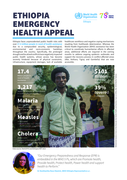
Ethiopia faces unprecedented public health risks with over 17.4 million people in need of health assistance due to a compounded security, epidemiological, environmental and socio-economic hardships throughout the country. Specifically, the prolonged drought and localized conflicts have negatively im
...
pacted public health systems, whose access has become severely hindered because of physical constraints, infrastructure, equipment damages, lack of available healthcare workforce and negative coping mechanisms resulting from livelihoods deterioration. Whereas the World Health Organization (WHO) assistance has been critical to coordinate humanitarian efforts in affected areas, additional efforts are required in the coming months to address ongoing epidemic outbreaks and support the recovery process in conflict-affected areas (Afar, Amhara, Tigray and Gambelia) that are now accessible.
more

Reproductive health needs are particularly acute in countries affected by armed conflict. Reliable information
on aid investment for reproductive health in these countries is essential for improving the efficiency and effectiveness of
aid. The purpose of this study was to analyse official developm
...
ent assistance (ODA) for reproductive health activities in
conflict-affected countries from 2003 to 2006.
Methods and Findings: The Creditor Reporting Syst
more
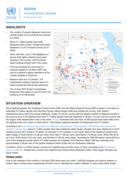
Since fighting between the Sudanese Armed Forces (SAF) and the Rapid Support Forces (RSF) erupted in mid-April, an estimated 6.3 million people have fled their homes, taking refuge inside and outside the country, with children representing about half of the people displaced. Sudan is now the country
...
with the largest number of displaced people in the world as prior to the fighting there were 3.7 million people internally displaced in Sudan. It is also now the country with the largest child displacement crisis in the world. ACLED estimates that more than 10,400 people have been killed since the fighting broke out in April, of which about 1,300 killings happened between 30 September and 27 October.
more

The Global Appeal provides updated information for government, private donors, partners and other readers interested in UNHCR's priorities and budgeted activities for 2021 to protect and improve the lives of tens of millions of people of concern (refugees, internally displaced people, stateless pers
...
ons and others)
more

PLoS Med 16(3): e1002768. https://doi.org/10.1371/journal.pmed.1002768
Home delivery and late and infrequent attendance at antenatal care (ANC) are responsible for substantial avoidable maternal and pediatric morbidity and mortality in sub-Saharan Africa. This cluster-randomized trial aimed to de
...
termine the impact of a community health worker (CHW) intervention on the proportion of women who visit ANC fewer than 4 times during their pregnancy and deliver at home.
more

A planner’s guide to proposal development for national school-based deworming programs

Rising levels of inflation, debt and macrofiscal tightening are putting expenditures on the social sectors including health under immense scrutiny. Already, there are worrying signs of reductions in social sector investments. However, even before the pandemic, evidence showed the significant returns
...
on investments in health equity and its social determinants. Emerging data and trends show that these potential returns have increased during the COVID-19 pandemic - investments in social determinants can mitigate widespread reductions in human capital and the increasing likelihood of costly syndemics, while promoting access to healthcare innovations that have thus far been inequitably distributed. Therefore, we argue that, despite immediate fiscal pressures, this is exactly the time to invest in health equity and its broader social determinants, as the returns on such investments have never been greater.
more
The presentation titled "Malaria Capacity Building Initiative" outlines efforts led by the WHO and partner organizations to strengthen the skills and systems needed to fight malaria globally. It highlights the need for a coordinated, long-term strategy to build human resource capacity in malaria-end
...
emic countries—especially among national malaria control programs, frontline health workers, NGOs, and WHO staff. The document reviews past and current training activities, such as workshops on case management, entomology, vector control, epidemiology, and planning. It emphasizes the development of standardized training materials and competency frameworks, the role of national and regional training centers, and the use of blended learning methods (e.g., e-learning and in-person sessions). The goal is not just to deliver training, but to build sustainable capacity through partnerships, continuous improvement, quality assurance, and integration into health systems. It also calls for better coordination, tracking of trained personnel, and engagement of ministries of finance to ensure long-term support.
more

On 4 September 2025, the Ministry of Health of the Democratic Republic of the Congo (DRC) declared an outbreak of Ebola Virus Disease (EVD) in Kasai Province, following confirmation of Zaire ebolavirus by the National Institute of Biomedical Research (INRB) in Bulape and Mweka Health Zones. As of 19
...
September, there have been 48 total cases (38 confirmed, 10 probable) with 31 deaths (21 confirmed, 10 probable) and a CFR of 64.5%. Among laboratory confirmed cases, 16 deaths were recorded (CFR: 45.7%). Four deaths occurred among health workers, underscoring the risk of nosocomial transmission. Most cases (39.7%) are among adults aged 20 years and above, in a densely populated, remote, and under-resourced area.
The outbreak is driven by multiple risk factors, including transmission in health facilities with limited infection prevention and control (IPC) measures and personal protective equipment (PPE), incomplete contact tracing, delayed detection, and unsafe burial practices. High population mobility between Bulape and Tshikapa, reliance on traditional healers, and the concurrent mpox outbreak are further straining the fragile health system and increasing the risk of geographic spread.
more

HIV/AIDS Hope Initiative

A Training Manual for Community Service Providers
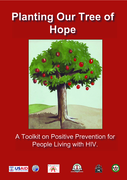
A Toolkit on Positive Prevention for People Living with HIV. The stories contained in the Flipchart are of real people in Malawi living and affected by HIV/AIDS. Each story follows the theme for a particular session in the Guide. The questions related to each story are found within the Facilitator G
...
uide. Activities are also included for each thematic session. These resources were developed as part of the Malawi BRIDGE Project, and as part of the Positive Prevention campaign, which aimed at creating an HIV/AIDS prevention response that recognizes the needs and desires of PLHIVs by providing them with information to live healthy, and addressing the psycho-social well-being including family planning option
more
The World Health Organization’s comprehensive antenatal care (ANC) guideline WHO recommendations on antenatal care for a positive pregnancy experience was first published in 2016 with the objective of improving the quality of routine health care that all women and adolescent girls receive during p
...
regnancy. The overarching principle – to provide pregnant service users with a positive pregnancy experience – aims to encourage countries to expand their health-care agendas beyond survival, with a view to maximizing health, human rights and the potential of their populations. Recognizing that ANC provides a strategic platform for important health-care functions, including health promotion and disease prevention, 14 out of the 49 recommendations in the WHO 2016 ANC guideline relate to nutritional interventions in pregnancy.
more
Strengthening resilient agricultural livelihoods
Level 3 responses are activated in the most complex and challenging humanitarian emergencies, when the highest level of mobilization is required across the humanitarian system. Even before the conflict escalated, the country suffered high levels of p
...
overty, food insecurity, undernutrition and malnutrition, water shortages and land degradation. Yemenis are also facing armed conflict, displacement, risk of famine and disease outbreaks.
more

A practical handbook. This Health Cluster Guide (2nd edition, 2020) provides practical advice on how WHO, Health Cluster Coordinators and partners can work together during a humanitarian crisis to achieve the aims of reducing avoidable mortality, morbidity and disability, and restoring the delivery
...
of and equitable access to preventive and curative health care.
It highlights key principles of humanitarian health action and how coordination and joint efforts among health and other sector actors can increase the effectiveness and efficiency of health interventions and promote better health outcomes. It draws on Inter-Agency Standing Committee and other expert guidance and includes lessons from field experience in acute and protracted crises.
The coordination principles and practice presented in Health Cluster Guide are equally valid for coordinators and members of health sector groups that seek to achieve effective health action in countries where the cluster approach has not been formally adopted.
more
