
Filter
516
Text search:
respiratory
communicable
diseases
control
Featured
Recommendations
57
New Publications
123
Language
Document type
No document type
236
Studies & Reports
106
Guidelines
87
Strategic & Response Plan
30
Manuals
25
Training Material
11
Situation Updates
8
Fact sheets
6
Dashboards/Maps
5
Brochures
1
Resource Platforms
1
Countries / Regions
Global
44
India
24
Kenya
22
Africa
16
South Africa
14
Rwanda
13
Ghana
12
Nigeria
11
Ethiopia
11
Liberia
10
Myanmar / Burma
10
Sierra Leone
9
Philippines
9
Zambia
9
Bangladesh
9
Namibia
9
Western and Central Europe
9
Uganda
8
Syria
8
Latin America and the Carribbean
8
Malawi
7
Nepal
6
Tanzania
5
West and Central Africa
4
Eastern Europe
4
Indonesia
3
Mozambique
3
Yemen
3
Guinea
2
Congo, Democratic Republic of
2
Zimbabwe
2
Haiti
2
Pakistan
2
Thailand
2
Sudan
2
Brazil
2
Ukraine
2
Colombia
2
Lesotho
2
East and Southern Africa
2
South–East Asia Region
2
Western Pacific Region
2
Bhutan
2
Tajikistan
2
Cameroon
1
South Sudan
1
Jordan
1
Afghanistan
1
Turkey
1
Papua New Guinea
1
Benin
1
Argentina
1
Peru
1
North Macedonia
1
Botswana
1
Sri Lanka
1
Middle East and North Africa
1
Other region
1
Asia
1
Venezuela
1
Palestine
1
Timor Leste/ East Timor
1
Iran
1
Kazakhstan
1
Maldives
1
Mauritius
1
Azerbaijan
1
Authors & Publishers
Publication Years
Category
Countries
229
Public Health
77
Clinical Guidelines
50
Key Resources
27
Women & Child Health
17
Capacity Building
7
Pharmacy & Technologies
5
Toolboxes
COVID-19
53
NCDs
53
TB
43
Planetary Health
27
AMR
21
Caregiver
17
HIV
16
Rapid Response
15
Conflict
14
Mental Health
12
Ebola & Marburg
9
Global Health Education
9
Natural Hazards
8
Refugee
7
NTDs
7
2.0 Rapid Response
7
Pharmacy
5
Polio
4
Cholera
2
Zika
2
Specific Hazards
2
Disability
1
Typhoon
1
Health Financing Toolbox
1
ECDC MISSION REPORT 19–21 September 2016 ; 14–15 November 2016
A tutorial for healthcare professionals
The objective of this guidance document is to support the public health professionals
in implementing effective surveillance of cholera in at-risk, endemic and epidemic
areas. This document has been developed by the Surveillance Working Group of the
Global Task Force for Cholera
...
10–21 March 2014

Asthma is a serious global health problem affecting all age groups. Its prevalence is increasing in many countries, espacially among children. Although some countries have seen a decline in hospitalizations and deaths from asthma, asthma still imposes an unacceptable burden on health care systems, a
...

Asthma is the most common chronic condition in children worldwide. It affects daytime activities, sleep and school attendance and causes anxiety to parents, families and other carers. The quality of asthma diagnosis and management globally still needs substantial improvement. From infancy to the tee
...
There is paucity of data on the burden and specific drivers operative in the pathogenesis of chronic obstructive pulmonary disease (COPD) in the African setting and populations. Lack of awareness and inadequate knowledge on the aetio-pathogenesis of the disease together with inadequate capacity for
...
The article discusses the significant impact of chronic obstructive pulmonary disease (COPD) as a global health issue, with cigarette smoking as the main risk factor. However, in developing countries, the causes of COPD are often multifactorial, involving environmental tobacco smoke, biomass fuel sm
...
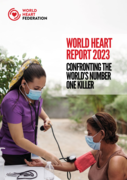
Global progress against cardiovascular disease (CVD) is flatlining.
Though rates of CVD deaths globally have fallen in the last three
decades, this trend has begun to stall and, without concerted
efforts, is at risk of reversing.

The document "Pocketbook for Management of Diabetes in Childhood and Adolescence in Under-Resourced Countries" (2nd Edition) provides practical guidelines for managing diabetes in children and adolescents, particularly in resource-limited settings. It covers key topics like diagnosing and treating d
...
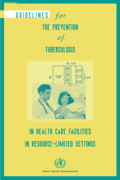
Guidelines for the Prevention of Tuberculosis in Health Care Facilities in Resource-limited Settings
These guidelines are designed for settings with limited resources to provide inexpensive and effective control strategies for prevention of TB transmission in health care workers (HCW).
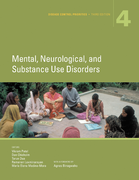
Disease Control Priorities, 3rdEdition: Volume 4.
Mental, neurological, and substance use disorders are common, highly disabling, and associated with significant premature mortality. The impact of these disorders on the social and economic well-be
...
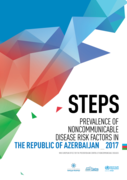
Noncommunicable diseases (NCDs) are the principal cause of morbidity, disability and premature mortality in Azerbaijan. The most effective way to reduce the NCD burden is to prevent NCD development, by addressing thebehavioural risk factors un
...

Antimicrobial resistance (AMR) is an important public health concern shared by developed and developing countries. In developing countries the burden of infectious diseases is greater and exacerbated by limited access to, and availability and afford
...
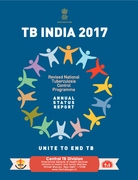
TB in India 2017
recommended
Revised National TB Control Programme. Annual Status Report
National Tuberculosis Control Program; Mycobacterial Disease Control National AIDS/STD Program
This articel summarises the evidence base underpinning supported self-management for asthma. It provides clinicians with a practical approach to providing supported self-management for asthma and suggests an appropriate strategy for implementing supported self-management.
The emergence and transmission of zoonotic diseases are driven by complex interactions
between health, environmental, and socio-political systems. Human movement is considered
a significant and increasing factor in these processes, yet forced migr
...

Coronavirus disease 2019 (COVID-19) is an acute infectious respiratory disease caused by a newly discovered coronavirus (SARS-CoV-2).
Most people infected with the COVID-19 virus experience mild to moderate
...
