
Filter
226
Text search:
panic
disorder
Featured
27
24
Language
Document type
153
23
19
17
6
4
2
2
Countries
11
5
5
5
5
5
4
4
3
3
3
3
2
2
2
2
1
1
1
1
1
1
1
1
1
1
1
1
1
1
1
1
1
1
1
1
1
1
1
Authors & Publishers
Publication Years
Category
41
11
6
6
6
4
Toolboxes
135
18
14
12
4
4
4
4
3
3
2
2
2
2
1
1
1
1
1
1

Blue Book. The Medical Guide for our Projects
recommended
9th edition; 4th English edition 2020
An ICRC Guidance Document
Responding to a polio outbreak. Guidelines
recommended
The occurrence of a case of wild polio in a previously polio free area as presently in Syria, whether through importation, laboratory accident, or mutation of vaccine virus (VDPV), should be considered a public health emergency, that requires a rapid and high quality response as utmost priority
Working with limited resources in armed conflict and other situations of violence. Vol.2

WHO clinical and policy guidelines
As knowledge on Ebola-related safety measures accumulates, this guidance is provisional. This guide focuses on psychological first aid, which involves humane, supportive and practical help to follow human beings suffering serious crisis events. The guidance has been written for people who help othe
...

This toolkit will help you to plan and run an event that helps to change the way that people in your community think about, and behave towards, people with mental health problems


The document is primarily meant to inform mental health and psychosocial support (MHPSS) staff, such as: psychologists, psychosocial counsellors, social workers, psychiatrists, psychiatric nurses, and others who are involved providing individual or group counselling, psychotherapy and/or psychiatric
...

Conceived as part of the CWS-A/P project on regional security and risk management, this book presents a
collection of testimonies from aid workers in some of the most insecure and volatile environments in the world.
The participants recount a broad array of security incidents, such as kidnappings,
...

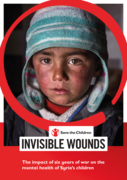
“The children are psychologically crushed and tired.
When we do activities like singing with them, they
don’t respond at all. They don’t laugh like they
would normally. They draw images of children
being butchered in the war, or tanks, or the siege
and the lack of food.”
Teacher in the
...
