
Filter
2639
Text search:
mental
health
illness
Featured
306
566
Language
2526
79
70
63
38
17
17
17
10
9
7
6
6
6
6
6
5
5
5
4
4
4
4
3
3
3
3
3
3
3
3
2
2
2
2
2
2
1
1
1
1
1
1
1
1
1
1
1
1
1
1
1
1
1
1
1
1
1
1
1
1
Document type
1518
354
346
186
69
68
54
15
15
6
4
2
1
Countries
158
103
83
71
67
50
49
46
45
41
38
37
37
34
31
31
30
27
26
26
23
21
19
18
17
15
15
15
14
13
13
12
12
12
12
10
10
8
8
8
8
8
7
7
6
6
6
5
5
5
5
5
5
4
4
4
4
4
4
4
4
4
4
3
3
3
3
3
3
3
3
3
2
2
2
2
2
2
2
2
2
2
2
2
2
1
1
1
1
1
1
1
1
1
1
1
1
1
1
1
1
1
1
1
1
1
Authors & Publishers
360
116
89
76
65
63
52
34
30
28
26
23
22
21
17
17
15
14
14
11
11
11
10
10
9
9
9
9
9
8
8
8
8
7
7
7
7
7
7
7
7
7
7
6
6
6
6
6
6
6
6
6
6
6
6
6
6
5
5
5
5
5
5
5
5
5
5
5
5
5
5
5
5
5
5
5
5
5
5
5
4
4
4
4
4
4
4
4
4
4
4
4
4
4
4
4
4
4
4
4
4
4
4
4
4
4
4
4
4
4
4
4
4
4
4
3
3
3
3
3
3
3
3
3
3
3
3
3
3
3
3
3
3
3
3
3
3
3
3
3
3
3
3
3
3
3
3
3
3
3
3
3
3
3
3
3
3
3
3
3
3
3
3
3
3
3
3
3
3
2
2
2
2
2
2
2
2
2
2
2
2
2
2
2
2
2
2
2
2
2
2
2
2
2
2
2
2
2
2
2
2
2
2
2
2
2
2
2
2
2
2
2
2
2
2
2
2
2
2
2
2
2
2
2
2
2
2
2
2
2
2
2
2
2
2
2
2
2
2
2
2
2
2
2
2
2
2
2
2
2
2
2
2
2
2
2
2
2
2
2
2
2
2
2
2
2
2
2
2
2
2
2
2
2
2
2
2
2
2
2
2
2
2
2
2
2
2
2
2
2
2
2
2
2
2
2
2
2
2
2
2
2
2
2
2
2
2
2
2
2
2
2
2
2
2
2
2
2
2
2
2
2
2
2
2
2
2
2
2
2
2
2
2
2
2
2
2
1
1
1
1
1
1
1
1
1
1
1
1
1
1
1
1
1
1
1
1
1
1
1
1
1
1
1
1
1
1
1
1
1
1
1
1
1
1
1
1
1
1
1
1
1
1
1
1
1
1
1
1
1
1
1
1
1
1
1
1
1
1
1
1
1
1
1
1
1
1
1
1
1
1
1
1
1
1
1
1
1
1
1
1
1
1
1
1
1
1
1
1
1
1
1
1
1
1
1
1
1
1
1
1
1
1
1
1
1
1
1
1
1
1
1
1
1
1
1
1
1
1
1
1
1
1
1
1
1
1
1
1
1
1
1
1
1
1
1
1
1
1
1
1
1
1
1
1
1
1
1
1
1
1
1
1
1
1
1
1
1
1
1
1
1
1
1
1
1
1
1
1
1
1
1
1
1
1
1
1
1
1
1
1
1
1
1
1
1
1
1
1
1
1
1
1
1
1
1
1
1
1
1
1
1
1
1
1
1
1
1
1
1
1
1
1
1
1
1
1
1
1
1
1
1
1
1
1
1
1
1
1
1
1
1
1
1
1
1
1
1
1
1
1
1
1
1
1
1
1
1
1
1
1
1
1
1
1
1
1
1
1
1
1
1
1
1
1
1
1
1
1
1
1
1
1
1
1
1
1
1
1
1
1
1
1
1
1
1
1
1
1
1
1
1
1
1
1
1
1
1
1
1
1
1
1
1
1
1
1
1
1
1
1
1
1
1
1
1
1
1
1
1
1
1
1
1
1
1
1
1
1
1
1
1
1
1
1
1
1
1
1
1
1
1
1
1
1
1
1
1
1
1
1
1
1
1
1
1
1
1
1
1
1
1
1
1
1
1
1
1
1
1
1
1
1
1
1
1
1
1
1
1
1
1
1
1
1
1
1
1
1
1
1
1
1
1
1
1
1
1
1
1
1
1
1
1
1
1
1
1
1
1
1
1
1
1
1
1
1
1
1
1
1
1
1
1
1
1
1
1
1
1
1
1
1
1
1
1
1
1
1
1
1
1
1
1
1
1
1
1
1
1
1
1
1
1
1
1
1
1
1
1
1
1
1
1
1
1
1
1
1
1
1
1
1
1
1
1
1
1
1
1
1
1
1
1
1
1
1
1
1
1
1
1
1
1
1
1
1
1
1
1
1
1
1
1
1
1
1
1
1
1
1
1
1
1
1
1
1
1
1
1
1
1
1
1
1
1
1
1
1
1
1
1
1
1
1
1
1
1
1
1
1
1
1
1
1
1
1
1
1
1
1
1
1
1
1
1
1
1
1
1
1
1
1
1
1
1
1
1
1
1
1
1
1
1
1
1
1
1
1
1
1
1
1
1
1
1
1
1
1
1
1
1
1
1
1
1
1
1
1
1
1
1
1
1
1
1
1
1
1
1
1
1
1
1
1
1
1
1
1
1
1
1
1
1
1
1
1
1
1
1
1
1
1
1
1
1
1
1
1
1
1
1
1
1
1
1
1
1
1
1
1
1
1
1
1
1
1
1
1
1
1
1
1
1
1
1
1
1
1
1
1
1
1
1
1
1
1
1
1
1
1
1
1
1
1
1
1
1
1
1
1
1
1
1
1
1
1
1
1
1
1
1
1
1
1
1
1
1
1
1
1
1
1
1
1
1
1
1
1
1
1
1
1
1
1
1
1
1
1
1
1
1
1
1
1
1
1
1
1
1
1
1
1
1
1
1
1
1
1
1
1
1
1
1
1
1
1
1
1
1
1
1
1
1
1
1
1
1
1
1
1
1
1
1
1
1
1
1
1
1
1
1
1
1
1
1
1
1
1
1
1
1
1
1
1
1
1
1
1
1
1
1
1
1
1
1
1
1
1
1
1
1
1
1
1
1
1
1
1
1
1
1
1
1
1
1
1
1
1
1
1
1
1
1
1
1
1
1
1
1
1
1
1
1
1
1
1
1
1
1
1
1
1
1
1
1
1
1
1
1
1
1
1
1
1
1
1
1
1
1
1
1
1
1
1
1
1
1
1
1
1
1
1
1
1
1
1
1
1
1
1
1
1
1
1
1
1
1
1
1
1
1
1
1
1
1
1
1
1
1
1
1
1
1
1
1
1
1
1
1
1
1
1
1
1
1
1
1
1
1
1
1
1
1
1
1
1
1
1
1
1
1
1
1
1
1
1
1
1
1
1
1
1
1
1
1
1
1
1
1
1
1
1
1
1
1
1
1
1
1
1
1
1
1
1
1
1
1
1
1
1
1
1
1
1
1
1
1
1
1
1
1
1
1
1
1
1
1
1
1
1
1
1
1
1
1
1
1
1
1
1
1
1
1
1
1
1
1
1
1
1
1
1
1
1
1
1
1
1
1
1
1
1
1
1
1
1
1
1
1
1
1
1
1
1
1
1
1
1
1
1
1
1
1
1
1
1
1
1
1
1
1
1
1
1
1
1
1
1
1
1
1
1
1
1
1
1
1
1
1
1
1
1
1
1
1
1
1
1
1
1
1
1
1
1
1
1
1
1
1
1
1
1
1
1
1
1
1
1
1
1
1
1
1
1
1
1
1
1
1
1
1
1
1
1
1
1
1
1
1
1
1
1
1
1
1
1
1
1
1
1
1
1
1
1
1
1
1
1
1
1
1
1
1
1
1
1
1
1
1
1
1
1
1
1
1
1
1
1
1
1
1
1
1
1
1
1
1
1
1
1
1
1
1
1
1
1
1
1
1
1
1
1
1
1
1
1
1
1
1
1
1
1
1
1
1
1
1
1
1
1
1
1
1
1
1
1
1
1
1
1
1
1
1
1
1
1
1
1
1
1
1
1
1
1
1
1
1
1
1
1
1
1
1
1
1
1
1
1
1
1
1
1
1
1
1
1
1
1
1
1
1
1
1
1
1
1
1
1
1
1
1
1
1
1
1
1
1
1
1
1
1
1
1
1
1
1
1
1
1
1
1
1
1
1
1
1
1
1
1
1
1
1
1
1
1
1
1
1
1
1
1
1
1
1
1
1
1
1
1
1
1
1
1
1
1
1
1
1
1
1
1
1
1
1
1
1
1
1
1
1
1
1
1
1
1
1
1
1
1
1
1
1
1
1
1
1
1
1
1
1
1
1
1
1
1
1
1
1
1
1
1
1
1
1
1
1
1
1
1
1
1
1
1
1
1
1
1
1
1
1
1
1
1
1
1
1
1
1
1
1
1
1
1
1
1
1
1
1
1
1
1
1
1
1
1
1
1
1
1
1
1
1
1
1
1
1
1
1
1
1
1
1
1
1
1
1
1
1
1
1
1
1
1
1
1
1
1
1
1
1
1
1
1
1
1
1
1
1
1
1
1
1
1
1
1
1
1
1
1
1
1
1
1
1
1
1
1
1
1
1
1
1
1
1
1
1
1
1
1
1
1
1
1
1
1
1
1
1
1
1
1
1
1
1
1
1
1
1
1
1
1
1
1
1
1
1
1
1
1
1
1
1
1
1
1
1
1
1
1
1
1
1
1
1
1
1
1
1
1
1
1
1
1
1
1
1
1
1
1
1
1
1
1
1
1
1
1
1
1
1
1
1
1
1
1
1
1
1
1
1
1
1
1
1
1
1
1
1
1
1
1
1
1
1
1
1
1
1
1
1
1
1
1
1
1
1
1
1
1
1
1
1
1
1
1
1
1
1
1
1
1
1
1
1
1
1
1
1
1
1
1
1
1
1
1
1
1
1
1
1
1
1
1
1
1
1
1
1
1
1
1
1
1
1
1
1
1
1
1
1
1
1
1
1
1
1
1
1
1
1
1
1
1
1
1
1
1
1
1
1
1
1
1
1
1
1
1
1
1
1
1
1
1
1
1
1
1
1
1
1
1
1
1
1
1
1
1
1
1
1
1
1
1
1
1
1
1
1
1
1
1
1
1
1
1
1
1
1
1
1
1
1
1
1
1
1
1
1
1
1
1
1
1
1
1
1
1
1
1
1
1
1
1
1
1
1
1
1
1
1
1
1
1
1
1
1
1
1
1
1
1
1
1
1
1
1
1
1
1
1
1
1
1
1
1
1
1
1
1
1
1
1
1
1
1
1
1
1
1
1
1
1
1
1
1
1
1
1
1
1
1
1
1
1
1
1
1
1
1
1
1
1
1
1
1
1
1
1
1
1
1
1
1
1
1
1
1
1
1
1
1
1
1
1
1
1
1
1
1
1
1
1
1
1
1
1
1
1
1
1
1
1
1
1
1
1
1
1
1
1
1
1
1
1
1
1
1
1
1
1
1
1
1
1
1
1
1
1
1
1
1
1
1
1
1
1
1
1
1
1
1
1
1
1
1
1
1
1
1
1
1
1
1
1
1
1
1
1
1
1
1
1
1
1
1
1
1
1
1
1
1
1
1
1
1
1
1
1
1
1
1
1
1
1
1
1
1
1
1
1
1
1
1
1
1
1
1
1
1
1
1
1
1
1
1
1
1
1
1
1
1
1
1
1
1
1
1
1
1
1
1
1
1
1
1
1
1
1
1
1
1
1
1
1
1
1
1
1
1
1
1
1
1
1
1
1
1
1
1
1
1
1
1
1
1
1
1
1
1
1
1
1
1
1
1
1
1
1
1
1
1
1
1
1
1
1
1
1
1
Publication Years
755
1569
300
14
1
Category
911
161
157
154
116
79
9
2
Toolboxes
605
265
172
99
96
77
75
67
63
53
48
35
33
32
32
27
26
18
14
12
10
9
9
8
2
1
Good practices in Mental Health and Well-being
Good Practices in Mental Health & Well-being
Public Health Aspects of Mental Health Among Migrants and Refugees: A Review of the Evidence on Mental Health Care for Refugees, Asylum Seekers and Irregular Migrants in the WHO European Region
Priebe, S.; D. Giacco, and Rawda El-Nagib.
World Health Organization WHO; Regional Office Europe
(2016)
C_WHO
Health Evidence Network Synthesis Report, No. 47
The increasing number of refugees, asylum seekers and irregular migrants poses a challenge for mental he
...
alth services in Europe. This review found that these groups are exposed to risk factors for mental disorders before, during and after migration. The prevalence rates of psychotic, mood and substance use disorders in these groups are variable but overall are similar to those in the host populations; however, the rates of post-traumatic stress disorder in refugees and asylum seekers are higher.
more

Desta et al. Int J Ment Health Syst (2018) 12:38 https://doi.org/10.1186/s13033-018-0217-z

Introduction The novel Coronavirus (nCoV) epidemic in 2019 -2020 has recently emerged. The route of transmission is not totally known, although it is known that it can spread from person to person, and local health care systems may be ill-equipped t
...
o handle a large-scale outbreak. Furthermore, misconceptions and misinformation about the disease often spreads rapidly in such epidemics.
In previous epidemics mental health and psychosocial support (MHPSS) has been identified as a key priority. MHPSS ensures the well-being of the affected populations, and counter-acts the threats to public health and safety that fear, stigmatization and misconception pose. Access to information, knowledge about the disease and how it spreads, make it easier for the affected to feel supported and calm, and to comply with instructions. Furthermore, psychosocial support to staff and volunteers help the operation as work conditions are extremely stressful.
This briefing note provides background knowledge on the MHPSS aspects related to nCoV and suggests MHPSS activities that can be implemented. The messages can be helpful for those in contact with patients or relatives and feel the strain of working and living during the epidemic. The briefing is aimed both at those working in any capacity with those affected by nCoV and for the MHPSS responders who implement MHPSS activities and interventions for everyone affected.
more
In March 2020 the IASC Reference Group on Mental Health and Psychosocial Support uniting 57 humanitarian organizations as member issued the Interim Briefing Note Addressing
...
Mental Health and Psychosocial Aspects of COVID-19 Outbreak. This document has proven to be very useful in the response and has till now been translated in 24 languages. It covers a set of recommended activities as well as messages for different target groups.
The current document is an annex to the Interim Briefing Note and is meant to support the MHPSS operational response within the various sectors of humanitarian work. Approaches and interventions to MHPSS are not confined to one sector, but need to be integrated within many existing sectors and clusters.This document contains a wealth of operational information and practical approaches that can be used for humanitarian programming in health, SGBV, community-based protection, nutrition, camp management and camp coordination.
more
Men are less likely than women to seek help for mental health issues and are much more likely to commit suicide. This scoping review examined recent evidence published in English and Russian on the
...
role of socially constructed masculinity norms in men’s help-seeking behaviour for mental health issues. The key sociocultural barriers to men’s help-seeking pertaining to masculinity norms were identified as self-reliance, difficulty in expressing emotions and self-control.
more
The Guidelines on promotive and preventive mental health interventions for adolescents - Helping Adolescents thrive (HAT), provide evidence-informed recommendations on psychosocial interventions to
...
promote mental health, prevent mental disorders, and reduce self-harm and other risk behaviours among adolescents.
The HAT Guidelines aims to inform policy development, service planning and the strengthening of health and education systems, and facilitate mainstreaming of adolescent mental health promotion and prevention strategies across sectors and delivery platforms.
more
A job aid for non-specialist health professionals

The world is facing an unprecedented range of emergencies. In reaction to these complex adversities, many people experience considerable distress and impairment, and a minority may even go on to develop mental
...
health conditions. Meanwhile, those with pre-existing mental health conditions may experience a worsening of their condition and are at risk of neglect, abandonment, abuse and lack of access to support. Unfortunately, evidence-based mental health care is often extremely limited in humanitarian settings. In response, the World Health Organization (WHO) and the United Nations High Commissioner for Refugees (UNHCR) published the Mental Health Gap Action Programme (mhGAP) Humanitarian Intervention Guide (mhGAP-HIG) in 2015. This practical tool supports health-care providers in assessing and offering first-line management of mental, neurological and substance use (MNS) conditions in humanitarian emergency settings.
2 December 2021. The current report, Stories of change from four countries: Building capacity for integrating mental health care within health services across humanitarian settings, describes efforts in four countries to build evidence-based mental health systems in humanitarian emergency settings using the mhGAP-HIG. This report includes three sections, the first describing the importance of scaling up mental health care in emergency contexts, the second outlining case studies (“stories of change”) to scale up the Mental Health Gap Action Programme (mhGAP) programme in four settings and the third describing lessons learned by stakeholders.
more
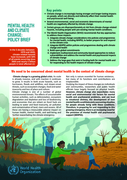
We need to be concerned about mental health in the context of climate change
Strengthening mental health responses to COVID-19 in the Americas: A health policy analysis and recommendations
A. Tausch; Oliveira e Souza, R.; Martinez Viciana, C.; et al.
Pan American Health Organization
(2021)
CC
The COVID-19 pandemic is having a major impact on the mental health of populations in the Americas. Studies
show high rates of depression and anxiety, among other psychological symptoms, particular
...
ly among women, young
people, those with pre-existing mental health conditions, health workers, and persons living in vulnerable condi-
tions. Mental health systems and services have also been severely disrupted. A lack of financial and human resource
investments in mental health services, limited implementation of the decentralized community-based care approach
and policies to address the mental health gap prior to the pandemic, have all contributed to the current crisis. Coun-
tries must urgently strengthen their mental health responses to COVID-19 by taking actions to scale up mental
health and psychosocial support services for all, reach marginalized and at-risk populations, and build back better
mental health systems and services for the future.
more
Les modules de formation et d’orientation QualityRights ont été élaborés pour renforcer les connaissances, les compétences et la compréhension des principales parties prenantes sur la manière de promouvoir les droits des personnes en situation de handicap psychosocial, intellectuel ou cogni
...
tif, d'améliorer la qualité des services et des aides fournis dans le domaine de la santé mentale et dans les domaines connexes, conformément aux normes internationales en matière de droits humains, et en particulier la Convention des Nations unies relative aux droits des personnes handicapées et l'approche du rétablissement.
more
The development of this Operational Roadmap has been driven by a growing consensus in Ukraine on the need to prioritize activities that are urgently required to address the mental health and psychos
...
ocial needs of the country’s population and also the importance of basing the response on existing structures, resources and innovations introduced in reforms in past years.
more

The MHPSS MSP is an easy-to-follow intersectoral package, which spells out the activities and actions that all humanitarian actors should put in place in all emergencies for an effective MHPSS response. It speaks to different actors at the global, regional, national, and local levels to plan, coordi
...
nate and implement an effective MHPSS response.
more

This report includes analysis from informal regional consultations in the African Region, the Caribbean and North America, Latin America, South-East Asia Region, European Region, Eastern Mediterranean Region, alongside three forums in the Western Pacific Region. It analyses the overarching similarit
...
ies, regional nuances and priorities raised across the six WHO regions for the meaningful engagement of individuals with lived experience.
It is the second publication in the WHO Intention to action series, which aims to enhance the limited evidence base on the impact of meaningful engagement and address the lack of standardized approaches on how to operationalise meaningful engagement. The Intention to action series aims to do this by providing a platform from which individuals with lived experience, and organizational and institutional champions, can share solutions, challenges and promising practices related to this cross-cutting agenda. The Intention to action series also aims to provide powerful narratives, inspiration and evidence towards the Fourth United Nations High Level Meeting on NCDs in 2025 and achieving the 2030 United Nations Sustainable Development Goals (SDGs).
more
