
Filter
2983
Text search:
inclusive
health
Featured
239
717
Language
2660
164
142
137
49
45
28
14
6
5
5
4
4
4
4
3
3
3
3
3
3
3
3
3
3
3
3
3
2
2
2
2
2
2
2
2
1
1
1
1
1
1
1
1
1
1
1
1
1
1
1
1
Document type
1459
611
372
199
191
54
53
26
8
4
3
1
1
Countries
180
85
77
76
70
59
58
57
55
49
48
48
47
44
40
39
39
37
35
33
33
30
28
28
28
27
25
25
22
22
19
19
18
17
17
16
16
16
16
15
15
15
13
13
13
12
12
12
11
11
11
10
10
10
10
9
8
8
8
8
8
7
7
7
7
7
6
6
6
5
5
5
5
4
4
4
3
3
3
3
3
3
3
3
3
3
3
2
2
2
2
2
2
2
2
2
2
2
2
2
2
2
1
1
1
1
1
1
1
1
1
1
1
1
1
1
1
1
1
1
1
1
Authors & Publishers
301
97
84
80
72
56
55
44
33
31
29
28
27
26
18
18
16
16
15
15
14
13
13
13
12
12
12
12
11
11
11
11
11
11
11
10
10
10
9
9
9
8
8
8
8
8
8
8
8
8
8
8
7
7
7
7
7
7
7
7
7
7
6
6
6
6
6
6
6
6
6
6
6
6
6
6
5
5
5
5
5
5
5
5
5
5
5
5
5
5
5
5
5
5
5
5
4
4
4
4
4
4
4
4
4
4
4
4
4
4
4
4
4
4
4
4
4
4
4
4
4
4
4
4
4
4
4
4
4
4
4
3
3
3
3
3
3
3
3
3
3
3
3
3
3
3
3
3
3
3
3
3
3
3
3
3
3
3
3
3
3
3
3
3
3
3
3
3
3
3
3
3
3
3
3
3
3
3
3
3
3
3
3
3
3
3
3
3
2
2
2
2
2
2
2
2
2
2
2
2
2
2
2
2
2
2
2
2
2
2
2
2
2
2
2
2
2
2
2
2
2
2
2
2
2
2
2
2
2
2
2
2
2
2
2
2
2
2
2
2
2
2
2
2
2
2
2
2
2
2
2
2
2
2
2
2
2
2
2
2
2
2
2
2
2
2
2
2
2
2
2
2
2
2
2
2
2
2
2
2
2
2
2
2
2
2
2
2
2
2
2
2
2
2
2
2
2
2
2
2
2
2
2
2
2
2
2
2
2
2
2
2
2
2
2
2
2
2
2
2
2
2
2
2
2
2
2
2
2
2
2
2
2
2
2
2
2
2
2
2
2
2
2
2
2
2
2
2
2
2
2
2
2
2
2
2
2
2
2
1
1
1
1
1
1
1
1
1
1
1
1
1
1
1
1
1
1
1
1
1
1
1
1
1
1
1
1
1
1
1
1
1
1
1
1
1
1
1
1
1
1
1
1
1
1
1
1
1
1
1
1
1
1
1
1
1
1
1
1
1
1
1
1
1
1
1
1
1
1
1
1
1
1
1
1
1
1
1
1
1
1
1
1
1
1
1
1
1
1
1
1
1
1
1
1
1
1
1
1
1
1
1
1
1
1
1
1
1
1
1
1
1
1
1
1
1
1
1
1
1
1
1
1
1
1
1
1
1
1
1
1
1
1
1
1
1
1
1
1
1
1
1
1
1
1
1
1
1
1
1
1
1
1
1
1
1
1
1
1
1
1
1
1
1
1
1
1
1
1
1
1
1
1
1
1
1
1
1
1
1
1
1
1
1
1
1
1
1
1
1
1
1
1
1
1
1
1
1
1
1
1
1
1
1
1
1
1
1
1
1
1
1
1
1
1
1
1
1
1
1
1
1
1
1
1
1
1
1
1
1
1
1
1
1
1
1
1
1
1
1
1
1
1
1
1
1
1
1
1
1
1
1
1
1
1
1
1
1
1
1
1
1
1
1
1
1
1
1
1
1
1
1
1
1
1
1
1
1
1
1
1
1
1
1
1
1
1
1
1
1
1
1
1
1
1
1
1
1
1
1
1
1
1
1
1
1
1
1
1
1
1
1
1
1
1
1
1
1
1
1
1
1
1
1
1
1
1
1
1
1
1
1
1
1
1
1
1
1
1
1
1
1
1
1
1
1
1
1
1
1
1
1
1
1
1
1
1
1
1
1
1
1
1
1
1
1
1
1
1
1
1
1
1
1
1
1
1
1
1
1
1
1
1
1
1
1
1
1
1
1
1
1
1
1
1
1
1
1
1
1
1
1
1
1
1
1
1
1
1
1
1
1
1
1
1
1
1
1
1
1
1
1
1
1
1
1
1
1
1
1
1
1
1
1
1
1
1
1
1
1
1
1
1
1
1
1
1
1
1
1
1
1
1
1
1
1
1
1
1
1
1
1
1
1
1
1
1
1
1
1
1
1
1
1
1
1
1
1
1
1
1
1
1
1
1
1
1
1
1
1
1
1
1
1
1
1
1
1
1
1
1
1
1
1
1
1
1
1
1
1
1
1
1
1
1
1
1
1
1
1
1
1
1
1
1
1
1
1
1
1
1
1
1
1
1
1
1
1
1
1
1
1
1
1
1
1
1
1
1
1
1
1
1
1
1
1
1
1
1
1
1
1
1
1
1
1
1
1
1
1
1
1
1
1
1
1
1
1
1
1
1
1
1
1
1
1
1
1
1
1
1
1
1
1
1
1
1
1
1
1
1
1
1
1
1
1
1
1
1
1
1
1
1
1
1
1
1
1
1
1
1
1
1
1
1
1
1
1
1
1
1
1
1
1
1
1
1
1
1
1
1
1
1
1
1
1
1
1
1
1
1
1
1
1
1
1
1
1
1
1
1
1
1
1
1
1
1
1
1
1
1
1
1
1
1
1
1
1
1
1
1
1
1
1
1
1
1
1
1
1
1
1
1
1
1
1
1
1
1
1
1
1
1
1
1
1
1
1
1
1
1
1
1
1
1
1
1
1
1
1
1
1
1
1
1
1
1
1
1
1
1
1
1
1
1
1
1
1
1
1
1
1
1
1
1
1
1
1
1
1
1
1
1
1
1
1
1
1
1
1
1
1
1
1
1
1
1
1
1
1
1
1
1
1
1
1
1
1
1
1
1
1
1
1
1
1
1
1
1
1
1
1
1
1
1
1
1
1
1
1
1
1
1
1
1
1
1
1
1
1
1
1
1
1
1
1
1
1
1
1
1
1
1
1
1
1
1
1
1
1
1
1
1
1
1
1
1
1
1
1
1
1
1
1
1
1
1
1
1
1
1
1
1
1
1
1
1
1
1
1
1
1
1
1
1
1
1
1
1
1
1
1
1
1
1
1
1
1
1
1
1
1
1
1
1
1
1
1
1
1
1
1
1
1
1
1
1
1
1
1
1
1
1
1
1
1
1
1
1
1
1
1
1
1
1
1
1
1
1
1
1
1
1
1
1
1
1
1
1
1
1
1
1
1
1
1
1
1
1
1
1
1
1
1
1
1
1
1
1
1
1
1
1
1
1
1
1
1
1
1
1
1
1
1
1
1
1
1
1
1
1
1
1
1
1
1
1
1
1
1
1
1
1
1
1
1
1
1
1
1
1
1
1
1
1
1
1
1
1
1
1
1
1
1
1
1
1
1
1
1
1
1
1
1
1
1
1
1
1
1
1
1
1
1
1
1
1
1
1
1
1
1
1
1
1
1
1
1
1
1
1
1
1
1
1
1
1
1
1
1
1
1
1
1
1
1
1
1
1
1
1
1
1
1
1
1
1
1
1
1
1
1
1
1
1
1
1
1
1
1
1
1
1
1
1
1
1
1
1
1
1
1
1
1
1
1
1
1
1
1
1
1
1
1
1
1
1
1
1
1
1
1
1
1
1
1
1
1
1
1
1
1
1
1
1
1
1
1
1
1
1
1
1
1
1
1
1
1
1
1
1
1
1
1
1
1
1
1
1
1
1
1
1
1
1
1
1
1
1
1
1
1
1
1
1
1
1
1
1
1
1
1
1
1
1
1
1
1
1
1
1
1
1
1
1
1
1
1
1
1
1
1
1
1
1
1
1
1
1
1
1
1
1
1
1
1
1
1
1
1
1
1
1
1
1
1
1
1
1
1
1
1
1
1
1
1
1
1
1
1
1
1
1
1
1
1
1
1
1
1
1
1
1
1
1
1
1
1
1
1
1
1
1
1
1
1
1
1
1
1
1
1
1
1
1
1
1
1
1
1
1
1
1
1
1
1
1
1
1
1
1
1
1
1
1
1
1
1
1
1
1
1
1
1
1
1
1
1
1
1
1
1
1
1
1
1
1
1
1
1
1
1
1
1
1
1
1
1
1
1
1
1
1
1
1
1
1
1
1
1
1
1
1
1
1
1
1
1
1
1
1
1
1
1
1
1
1
1
1
1
1
1
1
1
1
1
1
1
1
1
1
1
1
1
1
1
1
1
1
1
1
1
1
1
1
1
1
1
1
1
1
1
1
1
1
1
1
1
1
1
1
1
1
1
1
1
1
1
1
1
1
1
1
1
1
1
1
1
1
1
1
1
1
1
1
1
1
1
1
1
1
1
1
1
1
1
1
1
1
1
1
1
1
1
1
1
1
1
1
1
1
1
1
1
1
1
1
1
1
1
1
1
1
1
1
1
1
1
1
1
1
1
1
1
1
1
1
1
1
1
1
1
1
1
1
1
1
1
1
1
1
1
1
1
1
1
1
1
1
1
1
1
1
1
1
1
1
1
1
1
1
1
1
1
1
1
1
1
1
1
1
1
1
1
1
1
1
1
1
1
1
1
1
1
1
1
1
1
1
1
1
1
1
1
1
1
1
1
1
1
1
1
1
1
1
1
1
1
1
1
1
1
1
1
1
1
1
1
1
1
1
1
1
1
1
1
1
1
1
1
1
1
1
1
1
1
1
1
1
1
1
1
1
1
1
1
1
1
1
1
1
1
1
1
1
1
1
1
1
1
1
1
1
1
1
1
1
1
1
1
1
1
1
1
1
1
1
1
1
1
1
1
1
1
1
1
1
1
1
1
1
1
1
1
1
1
1
1
1
1
1
1
1
1
1
1
1
1
1
1
1
1
1
1
1
1
1
1
1
1
1
1
1
1
1
1
1
1
1
1
1
1
1
1
1
1
1
1
1
1
1
1
1
1
1
1
1
1
1
1
1
1
1
1
1
1
1
1
1
1
1
1
1
1
1
1
1
1
1
1
1
1
1
1
1
1
1
1
1
1
1
1
1
1
1
1
1
1
1
1
1
1
1
1
1
1
1
1
1
1
1
1
1
1
1
1
1
1
1
1
1
1
1
1
1
1
1
1
1
1
1
1
1
1
1
1
1
1
1
1
1
1
1
1
1
1
1
1
1
1
1
1
1
1
1
1
1
1
1
1
1
1
1
1
1
1
1
1
1
1
1
1
1
1
1
1
1
1
1
1
1
1
1
1
1
1
1
1
1
1
1
1
1
1
1
1
1
1
1
1
1
1
1
1
1
1
1
1
1
1
1
1
1
1
1
1
1
1
1
1
1
1
1
1
1
1
1
1
1
1
1
1
1
1
1
1
1
1
1
1
1
1
1
1
1
1
1
1
1
1
1
1
1
1
1
1
1
1
1
1
1
1
1
1
1
1
1
1
1
1
1
1
1
1
1
1
1
1
1
1
1
1
1
1
1
1
1
1
1
1
1
1
1
1
1
1
1
1
1
1
1
1
1
1
1
1
1
1
1
1
1
1
1
1
1
1
1
1
1
1
1
1
1
1
1
1
1
1
1
1
1
1
1
1
1
1
1
1
1
1
1
1
1
1
1
1
1
1
1
1
1
1
1
1
1
1
1
1
1
1
1
1
1
1
1
1
1
1
1
1
1
1
1
1
1
1
1
1
1
1
1
1
1
1
Publication Years
1167
1662
149
5
Category
1148
216
174
130
96
41
12
Toolboxes
428
335
200
176
121
108
89
80
68
68
59
53
51
50
49
36
33
30
24
19
13
11
9
7
7
2
1
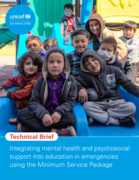
The aim of the Technical Brief is to offer guidance to education professionals on how to integrate Mental Health and Psychosocial Support into Education in Emergencies programming. An overview of Mental He
...
alth and Psychosocial Support activities that can be implemented in Education in Emergencies contexts is detailed, in line with the MHPSS Minimum Service Package. Country examples and case studies are featured.
more
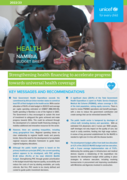
Strengthening health financing to accelerate progress towards universal health coverage. Total Government Health Expenditure exceeds the commitmen
...
t by African Union member states to commit at least 15% of their budgets to the health sector. With a sector allocation of 16.6% of total budget in 2022/23 and average per capita spending estimated at US$407 (N$6,500.00), health spending in Namibia is one of the highest in SADC. The Government is thus encouraged to sustain this level of investment to safeguard the gains achieved and make progress towards SDGs. This could be achieved through the development of a national health financing strategy to mobilise additional and innovative resources for the sector.
more

Towards Sustainable Community Health and Social Welfare Services
Leaving No One Behind. This Operational Guideline for Community-Based Health Services (CBHS)
in line with the CBHS Policy Guideline
...
map an integrated and coordinated
national approach to community-based health services in Tanzania. The
approach builds on and furthers national priorities for decentralization,
community empowerment and strengthened systems for expansion of
access to essential health services at the village level and below.
more

The Council was established in late 2020 by Dr Tedros Adhanom
Ghebreyesus (Director-General, WHO) to provide new economic thinking – reassessing how health and wellbeing are valued, produced and distributed across the economy. An all-female group
...
of 10 distinguished economists and area experts, the Council has focused on reimagining how to put Health for All at the heart of government decision-making and private sector collaboration at regional, national and international levels.
more

The 2024 edition reviews more than 50 health-related indicators from the Sustainable Development Goals and WHO’s Thirteenth General Programme of Work. It also highlights the findings from the Global heal
...
th estimates 2021, notably the impact of the COVID-19 pandemic on life expectancy and healthy life expectancy.
more
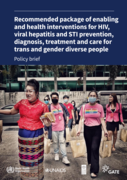
Policy brief. In this policy brief, we give an update on those parts of the guidelines which are relevant for trans and gender diverse people.
Available in: English, French, Chinese, Spanish, Russian, Arabic, Thai, Korean, Tajik, Vietnamese, Uzbek
http://www.who.int/disabilities/cbr/guidelines/en/
Workshop on PHC Revitalisation in Nepal, April 5-6, 2010
Guidance | Preparedness - Response and early recovery - Recovery and reconstruction

The report reflects on the trends, achievements and challenges in global health over the past decade during which Dr Margaret Chan has been Director-General of WHO. It discusses the role of WHO in dealing with such issues as the rise of noncommunica
...
ble diseases, leaps in life expectancy, and emerging threats like climate change and antimicrobial resistance.
more
more
Epilepsy: a public health imperative
recommended
This is the first global report on epilepsy summarizing the available evidence on the burden of epilepsy and the public health response required at global, regional and national levels.
The reports highlights major gaps in awareness, diagnosis, t
...
reatment, and health policies through a series of appalling numbers. With around 50 million people affected worldwide, epilepsy is one of the most common and serious brain disorders. Nearly 80% of people with epilepsy live in low-income and middle-income countries
more
Public Health Aspects of Mental Health Among Migrants and Refugees: A Review of the Evidence on Mental Health Care for Refugees, Asylum Seekers and Irregular Migrants in the WHO European Region
Priebe, S.; D. Giacco, and Rawda El-Nagib.
World Health Organization WHO; Regional Office Europe
(2016)
C_WHO
Health Evidence Network Synthesis Report, No. 47
The increasing number of refugees, asylum seekers and irregular migrants poses a challenge for mental health services in Europe. This review found t
...
hat these groups are exposed to risk factors for mental disorders before, during and after migration. The prevalence rates of psychotic, mood and substance use disorders in these groups are variable but overall are similar to those in the host populations; however, the rates of post-traumatic stress disorder in refugees and asylum seekers are higher.
more

This Global Competency Standards sets the benchmark for the health workforce in providing equality of care to refugees and migrants. Refugee and migrant populations are highly diverse, with significant variation in life experiences,
...
health needs and access to health care. The standards described outline expected behaviours of health workers in delivering quality care to refugees and migrants and can be used to inform the outcomes of education programmes aligned with standards for care. The Competency Standards is designed to provide a foundation to support the development of competency-based curricula tailored to the local context and for health workers to achieve a minimum level of competence. The importance of person-centred, culturally responsive care is emphasized in the nine competency standards, which recognize the need for health workers to be trained, supported and empowered within strong health systems
more
This Curriculum Guide accompanies the Refugee and Migrant Health: Global Competency Standards for Health Workers and the Knowledge Guide to support the operationalization of the Standards. The Curri
...
culum Guide provides guidance for institutions, health organizations and individuals engaged in the education and training of health practitioners and health administrators to support incorporation of the knowledge, skills and attitudes set out in the Knowledge Guide into curricula and for assessment of the achievement of the relevant learning outcomes and Competency Standards.
more

Essential health care service disruption due to COVID-19: lessons for sustainability in Nigeria
AHOP National Centre based in Nigeria
World Health Organization WHO, Regional Office Africa
(2022)
C_WHO
The brief concludes that sustaining the continuity of EHS requires policies that ensure a whole-society and systems strengthening approach. This involves increased health care investment, community engagement, disease control regulations, and multis
...
ector approaches to improve resilience, EHS quality, and equity.
more
This draft Roadmap for the Global Health for Peace Initiative has been developed in response to decision WHA75(24) of the 75th World Health Assembly (2022), which requested that WHO develop, in full
...
consultation with Member States and Observers, and in full collaboration with other organizations of the United Nations system and relevant non-State actors in official relations with WHO, a Roadmap, if any, for the Global Health and Peace Initiative.
It incorporates feedback received from Member States through a first round of consultation carried out at the end of 2022. This (second) draft is being made available ahead of the 152nd session of the Executive Board, that will consider the draft Roadmap.
The Roadmap for the Global Health for Peace Initiative aims to provide a framework for the Initiative at global level, defining concepts, establishing principles, setting strategic goals and objectives as well as operational priorities. It also describes the “Health for Peace approach” to programming, which lies at the core of the Global Health for Peace Initiative (GHPI). The GHPI is a global initiative of WHO that aims to enhance the existing links between health (and health interventions) and peace
more

The 2030 health-related Sustainable Development Goals call on countries to end AIDS as a public health threat and also to achieve universal health
...
coverage. The World Health Organization (WHO) promotes primary health care (PHC) as the key mechanism for achieving universal health coverage, and the PHC approach is also essential for ending AIDS and reaching other Sustainable Development Goal targets.
The PHC approach is defined as a whole-of-society approach to health that aims to maximize the level and distribution of health and well-being through three components: (1) primary care and essential public health functions as the core of integrated health services; (2) multisectoral policy and action; and (3) empowered people and communities.
This publication helps decision-makers to consider and optimize the synergies between existing and future assets and investments intended for both PHC and disease-specific responses, including HIV. Specifically, it aims to:
• provide guidance to policy-makers, health system managers and programmatic leads from both PHC and HIV backgrounds regarding opportunities to jointly advance their respective efforts to strengthen PHC and end AIDS as a public health threat; and
• provide a resource for all stakeholders who seek to contribute to strengthening PHC and ending AIDS as a public health threat in a synergistic manner, including people living with HIV, members of key and vulnerable populations, community and civil society representatives, people working in all areas of health systems, researchers, funders and private-sector decision-makers.
more

The Disability inclusion guide for action supports ministries of health and their partners in both advancing health equity for persons with disabilities by identifying entry points, and planning app
...
ropriate actions that strengthen the health system through disability inclusion. It focuses on addressing the contributing factors which relate to the health system – namely, the attitudinal,
institutional, and physical barriers faced by persons with disabilities across all health system building blocks. Such factors include the exclusion of persons with disabilities in governance and decision-making processes in the health sector; gaps in knowledge, negative attitudes, and discriminatory practices among the health and care workforce; inaccessible physical infrastructure, health
information and communication; and a lack of information or data collection and analysis on disability in monitoring and evaluation in the health system.
more
