
Filter
2328
Text search:
advance
planning
Featured
235
575
Language
2282
62
51
32
30
17
17
9
6
5
4
4
3
3
3
3
2
2
2
2
2
2
2
2
2
2
2
2
2
1
1
1
1
1
1
1
1
1
1
1
1
Document type
1183
370
330
196
133
66
27
9
7
3
3
Countries
155
97
48
44
43
40
39
39
37
36
33
32
30
27
26
25
23
23
22
22
21
20
20
18
17
16
15
15
14
14
13
13
12
11
11
10
9
9
8
8
8
8
8
8
8
8
7
7
7
7
6
6
6
6
6
5
4
4
4
4
3
3
3
2
2
2
2
2
2
2
2
2
2
2
1
1
1
1
1
1
1
1
1
1
1
1
1
1
1
1
1
1
1
1
1
1
1
1
1
1
1
1
1
1
1
Authors & Publishers
376
112
64
60
54
46
42
39
32
24
23
21
21
17
15
14
14
12
12
11
10
10
10
10
10
9
9
9
8
8
8
8
8
8
8
8
7
7
7
7
7
7
7
6
6
6
6
6
6
6
5
5
5
5
5
5
5
5
5
5
5
5
5
4
4
4
4
4
4
4
4
4
4
4
4
4
4
4
4
4
4
4
4
4
4
4
4
4
4
4
4
4
4
4
4
3
3
3
3
3
3
3
3
3
3
3
3
3
3
3
3
3
3
3
3
3
3
3
3
3
3
3
3
3
3
3
3
3
3
3
3
3
3
3
3
3
3
3
3
3
2
2
2
2
2
2
2
2
2
2
2
2
2
2
2
2
2
2
2
2
2
2
2
2
2
2
2
2
2
2
2
2
2
2
2
2
2
2
2
2
2
2
2
2
2
2
2
2
2
2
2
2
2
2
2
2
2
2
2
2
2
2
2
2
2
2
2
2
2
2
2
2
2
2
2
2
2
2
2
2
2
2
2
2
2
2
2
2
2
2
2
2
2
2
2
2
2
2
2
2
2
2
2
2
2
2
2
2
2
2
2
2
2
2
2
2
2
2
2
2
2
2
2
2
2
2
2
2
2
2
2
2
2
2
2
2
2
1
1
1
1
1
1
1
1
1
1
1
1
1
1
1
1
1
1
1
1
1
1
1
1
1
1
1
1
1
1
1
1
1
1
1
1
1
1
1
1
1
1
1
1
1
1
1
1
1
1
1
1
1
1
1
1
1
1
1
1
1
1
1
1
1
1
1
1
1
1
1
1
1
1
1
1
1
1
1
1
1
1
1
1
1
1
1
1
1
1
1
1
1
1
1
1
1
1
1
1
1
1
1
1
1
1
1
1
1
1
1
1
1
1
1
1
1
1
1
1
1
1
1
1
1
1
1
1
1
1
1
1
1
1
1
1
1
1
1
1
1
1
1
1
1
1
1
1
1
1
1
1
1
1
1
1
1
1
1
1
1
1
1
1
1
1
1
1
1
1
1
1
1
1
1
1
1
1
1
1
1
1
1
1
1
1
1
1
1
1
1
1
1
1
1
1
1
1
1
1
1
1
1
1
1
1
1
1
1
1
1
1
1
1
1
1
1
1
1
1
1
1
1
1
1
1
1
1
1
1
1
1
1
1
1
1
1
1
1
1
1
1
1
1
1
1
1
1
1
1
1
1
1
1
1
1
1
1
1
1
1
1
1
1
1
1
1
1
1
1
1
1
1
1
1
1
1
1
1
1
1
1
1
1
1
1
1
1
1
1
1
1
1
1
1
1
1
1
1
1
1
1
1
1
1
1
1
1
1
1
1
1
1
1
1
1
1
1
1
1
1
1
1
1
1
1
1
1
1
1
1
1
1
1
1
1
1
1
1
1
1
1
1
1
1
1
1
1
1
1
1
1
1
1
1
1
1
1
1
1
1
1
1
1
1
1
1
1
1
1
1
1
1
1
1
1
1
1
1
1
1
1
1
1
1
1
1
1
1
1
1
1
1
1
1
1
1
1
1
1
1
1
1
1
1
1
1
1
1
1
1
1
1
1
1
1
1
1
1
1
1
1
1
1
1
1
1
1
1
1
1
1
1
1
1
1
1
1
1
1
1
1
1
1
1
1
1
1
1
1
1
1
1
1
1
1
1
1
1
1
1
1
1
1
1
1
1
1
1
1
1
1
1
1
1
1
1
1
1
1
1
1
1
1
1
1
1
1
1
1
1
1
1
1
1
1
1
1
1
1
1
1
1
1
1
1
1
1
1
1
1
1
1
1
1
1
1
1
1
1
1
1
1
1
1
1
1
1
1
1
1
1
1
1
1
1
1
1
1
1
1
1
1
1
1
1
1
1
1
1
1
1
1
1
1
1
1
1
1
1
1
1
1
1
1
1
1
1
1
1
1
1
1
1
1
1
1
1
1
1
1
1
1
1
1
1
1
1
1
1
1
1
1
1
1
1
1
1
1
1
1
1
1
1
1
1
1
1
1
1
1
1
1
1
1
1
1
1
1
1
1
1
1
1
1
1
1
1
1
1
1
1
1
1
1
1
1
1
1
1
1
1
1
1
1
1
1
1
1
1
1
1
1
1
1
1
1
1
1
1
1
1
1
1
1
1
1
1
1
1
1
1
1
1
1
1
1
1
1
1
1
1
1
1
1
1
1
1
1
1
1
1
1
1
1
1
1
1
1
1
1
1
1
1
1
1
1
1
1
1
1
1
1
1
1
1
1
1
1
1
1
1
1
1
1
1
1
1
1
1
1
1
1
1
1
1
1
1
1
1
1
1
1
1
1
1
1
1
1
1
1
1
1
1
1
1
1
1
1
1
1
1
1
1
1
1
1
1
1
1
1
1
1
1
1
1
1
1
1
1
1
1
1
1
1
1
1
1
1
1
1
1
1
1
1
1
1
1
1
1
1
1
1
1
1
1
1
1
1
1
1
1
1
1
1
1
1
1
1
1
1
1
1
1
1
1
1
1
1
1
1
1
1
1
1
1
1
1
1
1
1
1
1
1
1
1
1
1
1
1
1
1
1
1
1
1
1
1
1
1
1
1
1
1
1
1
1
1
1
1
1
1
1
1
1
1
1
1
1
1
1
1
1
1
1
1
1
1
1
1
1
1
1
1
1
1
1
1
1
1
1
1
1
1
1
1
1
1
1
1
1
1
1
1
1
1
1
1
1
1
1
1
1
1
1
1
1
1
1
1
1
1
1
1
1
1
1
1
1
1
1
1
1
1
1
1
1
1
1
1
1
1
1
1
1
1
1
1
1
1
1
1
1
1
1
1
1
1
1
1
1
1
1
1
1
1
1
1
1
1
1
1
1
1
1
1
1
1
1
1
1
1
1
1
1
1
1
1
1
1
1
1
1
1
1
1
1
1
1
1
1
1
1
1
1
1
1
1
1
1
1
1
1
1
1
1
1
1
1
1
1
1
1
1
1
1
1
1
1
1
1
1
1
1
1
1
1
1
1
1
1
1
1
1
1
1
1
1
1
1
1
1
1
1
1
1
1
1
1
1
1
1
1
1
1
1
1
1
1
1
1
1
1
1
1
1
1
1
1
1
1
1
1
1
1
1
1
1
1
1
1
1
1
1
1
1
1
1
1
1
1
1
1
1
1
1
1
1
1
1
1
1
1
1
1
1
1
1
1
1
1
1
1
1
1
1
1
1
1
1
1
1
1
1
1
1
1
1
1
1
1
1
1
1
1
1
1
1
1
1
1
1
1
1
1
1
1
1
1
1
1
1
1
1
1
1
1
1
1
1
1
1
1
1
1
1
1
1
1
1
1
1
1
1
1
1
1
1
1
1
1
1
1
1
1
1
1
1
1
1
1
1
1
1
1
1
1
1
1
1
1
1
1
1
1
1
1
1
1
1
1
1
1
1
1
1
1
1
1
1
1
1
1
1
1
1
1
1
1
1
1
1
1
1
1
1
1
1
1
1
1
1
1
1
1
1
1
1
1
1
1
1
1
1
1
1
1
1
1
1
1
1
1
1
1
1
1
1
1
1
1
1
1
1
1
1
1
1
1
1
1
1
1
1
1
1
1
1
1
1
1
1
1
1
1
1
1
1
1
1
1
1
1
1
1
1
1
1
1
1
1
1
1
1
1
1
1
1
1
1
1
1
1
1
1
1
1
1
1
1
1
1
1
1
1
1
1
1
1
1
1
1
1
1
1
1
1
1
1
1
1
1
1
1
1
1
1
1
1
1
1
1
1
1
1
1
1
1
1
1
1
1
1
1
1
1
1
1
1
1
1
1
1
1
1
1
1
1
1
1
1
1
1
1
1
1
1
1
1
1
1
1
1
1
1
1
1
1
1
1
1
1
1
1
1
1
1
1
1
1
1
1
1
1
1
1
1
1
1
1
1
1
1
1
1
1
1
1
1
1
1
1
1
1
1
1
1
1
1
1
1
1
1
1
1
1
1
1
1
1
1
1
1
1
1
1
1
1
1
1
1
1
1
1
1
1
1
1
1
1
1
1
1
1
1
1
1
1
1
1
1
1
1
Publication Years
786
1289
235
17
1
Category
701
245
170
165
159
93
19
Toolboxes
179
152
119
110
86
86
86
77
76
68
56
56
55
52
42
39
34
30
29
28
26
23
17
15
7
1
The guide seeks to address questions about how we can face local communication challenges presented by the pandemic, and how communicators respond effectively to the situation through supporting our communities to cope and to protect themselves. This guide aims to provide insights for a wide range o
...
f local communicators on the community level. It covers the need for knowing and communicating the facts coronavirus, understanding the pandemics’ timeline and accompanying communication phases, and accessing resources and materials; it also contains information about what needs communicating and key messages, and consideration about communication design options for appropriate communication routes and methods and essential communication planning
more
14 January 2021
This practical guide can be used to help countries monitor and analyse the impact of COVID-19 on essential health services to inform planning and decision-making. It provides practical recommendations on how to use key performance i
...
ndicators to analyse changes in access to and delivery of essential health services within the context of the COVID-19 pandemic; how to visualize and interpret these data; and how to use the findings to guide modifications for safe delivery of services and transitioning towards restoration and recovery. The guide focuses on existing indicators and data that are captured in routine reporting systems and how they can be used by national and subnational authorities to understand specific contexts, challenges and bottlenecks. This guide supports Maintaining essential health services: operational guidance for the COVID-19 context, which provides an integrated framework to guide countries in their efforts to reorganize, adapt and maintain safe delivery of high-priority essential health services within the context of the pandemic.
more

Working Document Nov. 2020
The COVAX Supply and Logistics workstream lead by UNICEF, Gavi and WHO have released a working copy of the COVID-19 Vaccination, Country Readiness & Delivery: Supply and Logistics Guidance. Countries might find this Guide useful when developing and strengthening their sup
...
ply chain strategies to receive, store, distribute and manage the COVID-19 vaccines and their ancillary products, in line with their national deployment and vaccination plan (NDVP). The document also provides links to the different tools and resources to aid countries in performing assessment, planning and capacity-building activities.
more
This global guidance provided the framework for over 100 countries to develop their NDVPs. This updated (second) version supersedes the previous version published in 16 November 2020. New information has been added on the following areas:
the COVID-19 Partners Platform;
the use of COVID
...
-19 simulation exercises to test deployment strategies;
the indemnity agreement and no-fault compensation programme for vaccines secured through the COVAX Facility in the Advance Market Commitment (AMC) eligible economies;
the availability and use of the WHO-UNICEF COVID-19 Vaccine Introduction and deployment Costing (CVIC) tool;
the COVAX Facility’s humanitarian buffer that enables allocation of vaccine to cover high-risk populations in humanitarian settings;
recommendations for vaccination of pregnant and lactating women;
supplementary information on infection prevention and control (IPC) measures to be used to deliver COVID-19 vaccines safely;
the WHO licensed COVID-19 vaccines product-specific information;
use of geospatial data and digital micro plans for equitable access and delivery of COVID-19 vaccines;
lessons learned from the development of NDVPs and early experiences in COVID-19 vaccine deployment in countries; and
updated additional resources at the end of each chapter.
more
This document facilitate the preparation of a risk communication and community engagement strategy for vaccination against COVID-19. Its goal is to help to strengthen the communication and planning capacities of the ministries or secretariats of he
...
alth and other agencies in charge of communicating about new COVID-19 vaccines in the Americas.
Available in English, Spanish and Portuguese
more
A Public Health EOC (PHEOC) serves as a hub for coordinating the preparation for, response to, and recovery from public health emergencies. The preparation includes planning, such as risk and resource mapping, development of plans and procedures, an
...
d training and exercising. The response includes all activities related to investigation, response and recovery. The PHEOC also serves as a hub for coordinating resources and information to support response actions during a public health emergency and enhances communication and collaboration among relevant stakeholders.
more
Today more people are exposed to hazards. While humanitarian action to mitigate the impact of disasters will always be vitally important, the community is facing critical challenge- how to better anticipate, manage and reduce - disaster risks by integrating the potential threat into its
...
planning and policies at the community level. This manual aims to improve the capacity of the Panchayati Raj Institutions - the local self government and communities that face hazards due to environmental reasons. To help such capacity development efforts, we need learning materials focusing on key areas - water supply, environmental sanitation for better disaster management and preparedness.
more
Against the backdrop of the COVID-19 pandemic, health is receiving unprecedented public and political attention. Yet the fact that climate change also presents us with a health crisis deserves further recognition. From more deaths due to heat stress to increased transmission of infectious diseases,
...
climate change affects the social and environmental determinants of health in ways that are profound and far-reaching. The fundamental interdependency of human health and the health of the environment is encapsulated in the concept of planetary health, a scientific field and social movement that has been gaining force since the 2015 publication of the Rockefeller Foundation-Lancet Commission report “Safeguarding human health in the Anthropocene epoch”.
We see an urgent need for strategic communication to raise awareness of climate-health synergies in order to overcome the misperception that climate and health are two independent agendas. The fragmented and sector-focused nature of thinking and action remains a significant barrier to integrating health considerations into climate planning and project development. Inevitably, collaboration across sectors requires a community of practice. Despite recent efforts focused on the climate-health nexus, much work remains to be done to translate scientific findings for policymakers, mobilise climate financing resources in support of health co-benefits, and promote genderjust solutions within climate change projects.
more
The Faster We Go, the Health We'll Be.
The report outlines five climate solutions that research shows will deliver immediate, often localized, health and equity benefits. Our focus is on the solutions that proactively advance both health and health
...
equity, recognizing that some of us face greater health risks than others.
more

The WHO Quality Toolkit: Navigating tools to improve the quality of health services helps easy identification and access to a wide range of WHO published materials to improve the quality of health services. These tools support the actions described in the Quality health services: a
...
planning guide, which outlines a structured, systems-based approach to improving quality of health services. Whether you work at the facility, sub-national or national level, or in specific communities, you will find resources within the Quality Toolkit to help you carry out essential tasks to improve quality of care
more
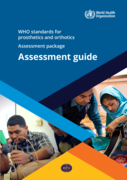
The Assessment package has been developed for countries to evaluate the implementation of the WHO Standards for prosthetics and orthotics. It enables identification of areas in need of strengthening and facilitates relevant planning. The complete As
...
sessment package consists of four components: Assessment guide: gives directions on how to organize and implement the assessment. Assessment tool: Excel instrument used to carry out assessments and record results.
User manual: explains how the Assessment tool should be used.
Planning document: Excel file into which the recommendations that are generated by the Assessment tool can be pasted for easy use in subsequent planning.
more
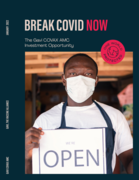
In April 2020, Gavi and COVAX joined the Access to COVID-19 Tools Accelerator (ACT-A) to provide equitable global access to COVID-19 vaccines to tackle the pandemic. In June 2020, the Gavi COVAX Advance Market Commitment (AMC) was launched to financ
...
e equitable access in 92 lower-income countries. Since then, US$ 10 billion has been raised for the AMC to procure vaccines and support delivery. Despite a challenging supply situation, COVAX has now shipped one billion doses to 144 countries, including over 870 million to AMC economies.
more

Diabetes in pregnancy
National Institute for Health and Care Excellence (NICE)
National Institute for Health and Care Excellence (NICE)
(2016)
CC2
The document "Diabetes in Pregnancy" by NICE (National Institute for Health and Care Excellence) outlines quality standards for managing diabetes in women during pregnancy, with a focus on five key areas. First, it emphasizes the importance of preconception
...
planning for women of childbearing age with diabetes. These women should receive guidance on optimizing their health before pregnancy, including achieving target HbA1c levels and taking high-dose folic acid to minimize risks. Second, joint diabetes and antenatal care is recommended for pregnant women with pre-existing diabetes, who should be seen early in pregnancy (ideally by 10 weeks gestation) by a combined diabetes and antenatal team to ensure optimal care throughout their pregnancy.
The third focus area is continuous glucose monitoring (CGM), which should be offered to pregnant women with type 1 diabetes. This includes either real-time CGM or flash monitoring to help improve blood glucose control and reduce complications during pregnancy. Fourth, postnatal testing and referral are essential for women diagnosed with gestational diabetes, who should receive glucose testing after birth to detect any persistent diabetes. Those eligible are referred to the National Diabetes Prevention Programme to lower their risk of developing type 2 diabetes. Lastly, the document recommends annual HbA1c testing for women with a history of gestational diabetes to monitor for type 2 diabetes development.
These standards aim to improve pregnancy outcomes for women with diabetes by providing individualized, accessible, and culturally appropriate care.
more

The Disability inclusion guide for action supports ministries of health and their partners in both advancing health equity for persons with disabilities by identifying entry points, and planning appropriate actions that strengthen the health system
...
through disability inclusion. It focuses on addressing the contributing factors which relate to the health system – namely, the attitudinal,
institutional, and physical barriers faced by persons with disabilities across all health system building blocks. Such factors include the exclusion of persons with disabilities in governance and decision-making processes in the health sector; gaps in knowledge, negative attitudes, and discriminatory practices among the health and care workforce; inaccessible physical infrastructure, health
information and communication; and a lack of information or data collection and analysis on disability in monitoring and evaluation in the health system.
more

Long-term polio vaccine security – the timely, sustained, and uninterrupted supply of suitable types of affordable, quality-assured polio vaccines – is essential in the global effort to achieve and maintain a polio free world. However, fragmented approaches and short-term
...
planning pose considerable challenges to securing long-term polio vaccine security.
This framework is designed to enhance the efforts of existing structures and workstreams within the Global Polio Eradication Initiative (GPEI) and other stakeholders by improving communication and coordination on vaccine security. Ensuring vaccine security is crucial for maintaining a timely, sustained, and uninterrupted supply of affordable, quality-assured polio vaccines in the global fight to achieve and sustain a polio-free world. However, challenges such as fragmented approaches, short-term planning, a dynamic policy environment, and a diverse product pipeline present significant risks to long-term vaccine security. This framework emphasizes the need for alignment and coordination across key polio operational domains, including Poliovirus Containment, Research and Development, and Vaccine Manufacturing and Supply. It also underscores the critical role of normative frameworks and policies in shaping long-term vaccine strategies that guide these operational areas. Additionally, it highlights the importance of cross-cutting elements such as financing and access to resources, along with the integration of communication, coordination, and advocacy efforts, as essential enablers for achieving vaccine security. To secure long-term vaccine supply, it is imperative to enhance alignment and strengthen coordinated efforts across workstreams and with stakeholders, including vaccine manufacturers.
Recognizing that vaccine security is an ongoing endeavor, requiring continuous monitoring and adaptation, this framework will undergo regular updates and revisions. Initially, the management of the framework will be carried out by the GPEI Vaccine Supply Group (VSG).
more

Drawing on the World Health Organization’s package of NCD best buys, the report demonstrates how these evidence-based measures can help countries reduce premature deaths, strengthen health systems, and advance progress towards the Sustainable Deve
...
lopment Goals. It provides policymakers, donors, advocates, and partners with a clear economic and social rationale for scaling up implementation of proven solutions. By framing NCD prevention and control as both a health and development priority, the report offers a roadmap for action that delivers benefits across populations, economies, and generations. The evidence is clear: investing in WHO’s best buys is not only possible—it is imperative. The time to act is now.
more

Guide to revision of national pandemic influenza preparedness plans - Lessons learned from the 2009 A(H1N1) pandemic
Brown C., Ciotti M., Hegermann-Lindencrone M., et al
European Centre for Disease Prevention and Control (ECDC), WHO Regional Office for Europe
(2017)
C_WHO
The document “Guide to revision of national pandemic influenza preparedness plans – Lessons learned from the 2009 A(H1N1) pandemic” provides guidance for countries on how to improve and update their national pandemic preparedness plans. It is based on lessons learned from the 2009 influenza pa
...
ndemic and aims to help governments strengthen their readiness for future pandemics. The report outlines key components of effective pandemic planning, including risk assessment, coordination between sectors, communication strategies, healthcare system preparedness, vaccination and antiviral strategies, and business continuity planning. It also emphasizes the importance of international cooperation and flexible planning that can adapt to different pandemic scenarios. Overall, the guide serves as a framework to support countries in developing stronger, more coordinated responses to future influenza pandemics.
more

The text explains the concept of disaster preparedness and outlines how societies can better prepare for and respond to emergencies. It describes key components such as risk assessment, planning, resource management, warning systems, and training, e
...
mphasizing that effective preparedness requires coordination between institutions, communities, and individuals. The text also highlights the importance of early warning systems, showing that not only technical accuracy but also clear communication and community response are crucial. Overall, it argues that disaster preparedness is an ongoing process that combines planning, capacity building, and practical measures to reduce risks and improve emergency response.
more

It provides comprehensive guidance for logistics planners in humanitarian responses to pandemics, covering preparedness, response strategies, assessment methodologies, and operational planning.
(You need free registration to download the book)
Disasters and public health emergencies can stress health care systems to the breaking point and disrupt delivery of vital medical services. During such crises, hospitals and long-term care facilities may be without power; trained staff, ambulances,
...
medical supplies and beds could be in short supply; and alternate care facilities may need to be used. Planning for these situations is necessary to provide the best possible health care during a crisis and, if needed, equitably allocate scarce resources
more
