Filter
3152
Text search:
Young
key
Populations
Featured
272
881
Language
3095
76
58
46
34
20
18
5
4
4
4
2
2
2
1
1
1
1
1
1
1
1
1
1
1
1
1
1
1
1
Document type
1787
603
325
165
128
48
48
30
7
5
2
1
Countries / Regions
166
103
93
69
65
65
64
63
63
61
61
59
58
54
50
46
43
42
39
35
34
31
30
26
26
24
22
20
20
17
16
16
15
15
15
15
14
13
13
13
12
12
12
12
12
11
11
9
9
9
9
8
8
7
6
6
6
6
6
6
6
6
5
5
5
5
5
4
4
4
4
3
3
3
3
3
3
3
3
3
3
3
2
2
2
2
2
2
2
2
2
2
2
2
2
2
2
2
1
1
1
1
1
1
1
1
1
1
1
1
1
1
1
1
1
1
1
1
1
1
1
1
Authors & Publishers
375
150
139
113
96
76
73
43
39
37
30
21
20
19
18
18
18
16
15
15
15
14
14
13
13
13
13
13
12
12
12
11
11
11
10
10
10
10
10
9
9
9
9
9
8
8
8
8
7
7
7
7
7
7
7
7
6
6
6
6
6
6
6
6
6
6
6
6
6
6
6
6
5
5
5
5
5
5
5
5
5
5
5
5
5
5
5
5
5
4
4
4
4
4
4
4
4
4
4
4
4
4
4
4
4
4
4
4
4
4
4
4
4
4
4
4
4
4
4
4
4
3
3
3
3
3
3
3
3
3
3
3
3
3
3
3
3
3
3
3
3
3
3
3
3
3
3
3
3
3
3
3
3
3
3
3
3
3
3
3
3
3
3
3
3
3
3
3
3
3
3
3
3
3
3
3
3
3
3
3
3
3
3
3
3
3
3
2
2
2
2
2
2
2
2
2
2
2
2
2
2
2
2
2
2
2
2
2
2
2
2
2
2
2
2
2
2
2
2
2
2
2
2
2
2
2
2
2
2
2
2
2
2
2
2
2
2
2
2
2
2
2
2
2
2
2
2
2
2
2
2
2
2
2
2
2
2
2
2
2
2
2
2
2
2
2
2
2
2
2
2
2
2
2
2
2
2
2
2
2
2
2
2
2
2
2
2
2
2
2
2
2
2
2
2
2
2
2
2
2
2
2
2
2
2
2
2
2
2
2
2
2
2
2
2
2
2
2
2
2
2
2
2
2
2
2
2
2
2
2
2
2
2
2
2
2
2
2
2
2
2
2
2
2
2
2
2
2
2
2
2
2
2
2
2
2
2
2
2
2
2
2
2
2
2
2
2
2
2
2
2
2
2
2
2
2
2
2
2
2
2
2
2
2
2
2
2
2
2
2
2
2
2
2
2
2
2
1
1
1
1
1
1
1
1
1
1
1
1
1
1
1
1
1
1
1
1
1
1
1
1
1
1
1
1
1
1
1
1
1
1
1
1
1
1
1
1
1
1
1
1
1
1
1
1
1
1
1
1
1
1
1
1
1
1
1
1
1
1
1
1
1
1
1
1
1
1
1
1
1
1
1
1
1
1
1
1
1
1
1
1
1
1
1
1
1
1
1
1
1
1
1
1
1
1
1
1
1
1
1
1
1
1
1
1
1
1
1
1
1
1
1
1
1
1
1
1
1
1
1
1
1
1
1
1
1
1
1
1
1
1
1
1
1
1
1
1
1
1
1
1
1
1
1
1
1
1
1
1
1
1
1
1
1
1
1
1
1
1
1
1
1
1
1
1
1
1
1
1
1
1
1
1
1
1
1
1
1
1
1
1
1
1
1
1
1
1
1
1
1
1
1
1
1
1
1
1
1
1
1
1
1
1
1
1
1
1
1
1
1
1
1
1
1
1
1
1
1
1
1
1
1
1
1
1
1
1
1
1
1
1
1
1
1
1
1
1
1
1
1
1
1
1
1
1
1
1
1
1
1
1
1
1
1
1
1
1
1
1
1
1
1
1
1
1
1
1
1
1
1
1
1
1
1
1
1
1
1
1
1
1
1
1
1
1
1
1
1
1
1
1
1
1
1
1
1
1
1
1
1
1
1
1
1
1
1
1
1
1
1
1
1
1
1
1
1
1
1
1
1
1
1
1
1
1
1
1
1
1
1
1
1
1
1
1
1
1
1
1
1
1
1
1
1
1
1
1
1
1
1
1
1
1
1
1
1
1
1
1
1
1
1
1
1
1
1
1
1
1
1
1
1
1
1
1
1
1
1
1
1
1
1
1
1
1
1
1
1
1
1
1
1
1
1
1
1
1
1
1
1
1
1
1
1
1
1
1
1
1
1
1
1
1
1
1
1
1
1
1
1
1
1
1
1
1
1
1
1
1
1
1
1
1
1
1
1
1
1
1
1
1
1
1
1
1
1
1
1
1
1
1
1
1
1
1
1
1
1
1
1
1
1
1
1
1
1
1
1
1
1
1
1
1
1
1
1
1
1
1
1
1
1
1
1
1
1
1
1
1
1
1
1
1
1
1
1
1
1
1
1
1
1
1
1
1
1
1
1
1
1
1
1
1
1
1
1
1
1
1
1
1
1
1
1
1
1
1
1
1
1
1
1
1
1
1
1
1
1
1
1
1
1
1
1
1
1
1
1
1
1
1
1
1
1
1
1
1
1
1
1
1
1
1
1
1
1
1
1
1
1
1
1
1
1
1
1
1
1
1
1
1
1
1
1
1
1
1
1
1
1
1
1
1
1
1
1
1
1
1
1
1
1
1
1
1
1
1
1
1
1
1
1
1
1
1
1
1
1
1
1
1
1
1
1
1
1
1
1
1
1
1
1
1
1
1
1
1
1
1
1
1
1
1
1
1
1
1
1
1
1
1
1
1
1
1
1
1
1
1
1
1
1
1
1
1
1
1
1
1
1
1
1
1
1
1
1
1
1
1
1
1
1
1
1
1
1
1
1
1
1
1
1
1
1
1
1
1
1
1
1
1
1
1
1
1
1
1
1
1
1
1
1
1
1
1
1
1
1
1
1
1
1
1
1
1
1
1
1
1
1
1
1
1
1
1
1
1
1
1
1
1
1
1
1
1
1
1
1
1
1
1
1
1
1
1
1
1
1
1
1
1
1
1
1
1
1
1
1
1
1
1
1
1
1
1
1
1
1
1
1
1
1
1
1
1
1
1
1
1
1
1
1
1
1
1
1
1
1
1
1
1
1
1
1
1
1
1
1
1
1
1
1
1
1
1
1
1
1
1
1
1
1
1
1
1
1
1
1
1
1
1
1
1
1
1
1
1
1
1
1
1
1
1
1
1
1
1
1
1
1
1
1
1
1
1
1
1
1
1
1
1
1
1
1
1
1
1
1
1
1
1
1
1
1
1
1
1
1
1
1
1
1
1
1
1
1
1
1
1
1
1
1
1
1
1
1
1
1
1
1
1
1
1
1
1
1
1
1
1
1
1
1
1
1
1
1
1
1
1
1
1
1
1
1
1
1
1
1
1
1
1
1
1
1
1
1
1
1
1
1
1
1
1
1
1
1
1
1
1
1
1
1
1
1
1
1
1
1
1
1
1
1
1
1
1
1
1
1
1
1
1
1
1
1
1
1
1
1
1
1
1
1
1
1
1
1
1
1
1
1
1
1
1
1
1
1
1
1
1
1
1
1
1
1
1
1
1
1
1
1
1
1
1
1
1
1
1
1
1
1
1
1
1
1
1
1
1
1
1
1
1
1
1
1
1
1
1
1
1
1
1
1
1
1
1
1
1
1
1
1
1
1
1
1
1
1
1
1
1
1
1
1
1
1
1
1
1
1
1
1
1
1
1
1
1
1
1
1
1
1
1
1
1
1
1
1
1
1
1
1
1
1
1
1
1
1
1
1
1
1
1
1
1
1
1
1
1
1
1
1
1
1
1
1
1
1
1
1
1
1
1
1
1
1
1
1
1
1
1
1
1
1
1
1
1
1
1
1
1
1
1
1
1
1
1
1
1
1
1
1
1
1
1
1
1
1
1
1
1
1
1
1
1
1
1
1
1
1
1
1
1
1
1
1
1
1
1
1
1
1
1
1
1
1
1
1
1
1
1
1
1
1
1
1
1
1
1
1
1
1
1
1
1
1
1
1
1
1
1
1
1
1
1
1
1
1
1
1
1
1
1
1
1
1
1
1
1
1
1
1
1
1
1
1
1
1
1
1
1
1
1
1
1
1
1
1
1
1
1
1
1
1
1
1
1
1
1
1
1
1
1
1
1
1
1
1
1
1
1
1
1
1
1
1
1
1
1
1
1
1
1
1
1
1
1
1
1
1
1
1
1
1
1
1
1
1
1
1
1
1
1
1
1
1
1
1
1
1
1
1
1
1
1
1
1
1
1
1
1
1
1
1
1
1
1
1
1
1
1
1
1
1
1
1
1
1
1
1
1
1
1
1
1
1
1
1
1
1
1
1
1
1
1
1
1
1
1
1
1
1
1
1
1
1
1
1
1
1
1
1
1
1
1
1
1
1
1
1
1
1
1
1
1
1
1
1
1
1
1
1
1
1
1
1
1
1
1
1
1
1
1
1
1
1
1
1
1
1
1
1
1
1
1
1
1
1
1
1
1
1
1
1
1
1
1
1
1
1
1
1
1
1
1
1
1
1
1
1
1
1
1
1
1
1
1
1
1
1
1
1
1
1
1
1
1
1
1
1
1
1
1
1
1
1
1
1
1
1
1
1
1
1
1
1
1
1
1
1
1
1
1
1
1
1
1
1
1
1
1
1
1
1
1
1
1
1
1
1
1
1
1
1
1
1
1
1
1
1
1
1
1
1
1
1
1
1
1
1
1
1
1
1
1
1
1
1
1
1
1
1
1
1
1
1
1
1
1
1
1
1
1
1
1
1
1
1
1
1
1
1
1
1
1
1
1
1
1
1
1
1
1
1
1
1
1
1
1
1
1
1
1
1
1
1
1
1
1
1
1
1
1
1
1
1
1
1
1
1
1
1
1
1
1
1
1
1
1
1
1
1
1
1
1
1
1
1
1
1
1
1
1
1
1
1
1
1
1
1
1
1
1
1
1
1
1
1
1
1
1
1
1
1
1
1
1
1
1
1
1
1
1
1
1
1
1
1
1
1
1
1
1
1
1
1
1
1
1
1
1
1
1
1
1
1
1
1
1
1
1
1
1
1
1
1
1
1
1
1
1
1
1
1
1
1
1
1
1
1
1
1
1
1
1
1
1
1
1
1
1
1
1
1
1
1
1
1
1
1
1
1
1
1
1
1
1
1
1
1
1
1
1
1
1
1
1
1
1
1
1
1
1
1
1
1
1
1
1
1
1
1
1
1
1
1
1
1
1
1
1
1
1
1
1
1
1
1
1
1
1
1
1
1
1
1
1
1
1
1
1
1
1
1
1
1
1
1
1
1
1
1
1
1
1
1
1
1
1
1
1
1
1
1
1
1
1
1
1
1
1
1
1
1
1
1
1
1
1
1
1
1
1
1
1
1
1
1
1
1
1
1
1
1
1
1
1
1
1
1
1
1
1
1
1
1
1
1
1
1
1
1
1
1
1
1
1
1
1
1
1
1
1
1
1
1
1
1
1
1
1
1
1
1
1
1
1
1
1
1
1
1
1
1
1
1
1
1
1
1
1
1
1
1
1
1
1
1
1
1
1
1
1
1
1
1
1
1
1
1
1
1
1
1
1
1
1
1
1
1
1
1
1
1
1
1
1
1
1
1
1
1
1
1
1
1
1
1
1
1
1
1
1
1
1
1
1
1
1
1
1
1
1
1
1
1
1
1
1
1
1
1
1
1
1
1
1
1
1
1
1
1
1
1
1
1
1
1
1
1
1
1
1
1
1
1
1
1
1
1
1
1
1
1
1
1
1
1
1
1
1
1
1
1
1
1
1
1
1
1
1
1
1
1
1
1
1
1
1
1
1
1
1
1
1
1
1
1
1
1
1
1
1
1
1
1
1
1
1
1
1
1
1
1
1
1
1
1
1
1
1
1
1
1
1
1
1
1
1
1
1
1
1
1
1
1
1
1
1
1
1
1
1
1
1
1
1
1
1
1
1
1
1
1
1
1
1
1
1
1
1
1
1
1
1
1
1
1
1
1
1
1
1
1
1
1
1
1
1
1
1
1
1
1
1
1
1
1
1
1
1
1
1
1
1
1
1
1
1
1
1
1
1
1
1
1
1
1
1
1
1
1
1
1
1
1
1
1
1
1
1
1
1
1
1
1
1
1
1
1
1
1
1
1
1
1
1
1
1
1
1
1
1
1
1
1
1
1
1
1
1
1
1
1
1
1
1
1
1
1
1
1
1
1
1
1
1
1
1
1
1
1
1
1
1
1
1
1
1
1
1
1
1
1
1
1
1
1
1
1
1
1
1
1
1
1
1
1
1
1
1
1
1
1
1
1
1
1
1
1
1
1
1
1
1
1
1
1
1
1
1
1
1
1
1
1
1
1
1
1
1
1
1
1
1
1
1
1
1
1
1
1
1
1
1
1
1
1
1
1
1
1
1
1
1
1
1
1
1
1
1
1
1
1
1
1
1
1
1
1
1
1
1
1
1
1
1
1
1
1
1
1
1
1
1
1
1
1
1
1
1
1
1
1
1
1
1
1
1
1
1
1
1
1
1
1
1
1
1
1
1
1
1
1
1
1
1
1
1
1
1
1
1
1
1
1
1
1
1
1
1
1
1
1
1
1
1
1
1
1
1
1
1
1
1
1
1
1
1
1
1
1
1
1
1
1
1
1
1
1
1
1
1
1
1
1
1
1
1
1
1
1
1
1
1
1
1
1
1
1
1
1
Publication Years
915
1991
235
10
1
Category
1165
203
198
198
185
55
5
1
Toolboxes
321
304
225
134
132
126
125
78
72
69
63
58
51
40
36
36
32
24
15
14
13
12
8
8
6
2
Tuberculosis continues to represent a severe public health problem in the Region of the Americas, even more so in the case of indigenous peoples, whose TB incidence is much higher than that of the general population. To achieve tuberculosis control in these communities, it is necessary to respond t
...
o communities’ diverse needs from an intercultural perspective that allows the application of a holistic approach—from a standpoint of equality and mutual respect—and considers the value of their cultural practices. In the Region of the Americas, although there has been progress toward recognizing the need for an intercultural approach to health services, obstacles rooted in discrimination, racism, and the exclusion of indigenous peoples and other ethnic groups persist. To respond to this situation, the Pan American Health Organization (PAHO) prepared this guidance which––based on an intercultural approach in accordance with the priority lines of the current PAHO Policy on Ethnicity and Health and its practical development in the Region’s indigenous populations––represent a support tool for implementing the End TB Strategy. This publication integrates PAHO’s accumulated experience and best practices developed by its Member States in recent years, including discussions and experiences shared in regional meetings on the issue, and emphasizes innovation and social inclusion. This requires an urgent shift away from traditional paradigms, taking specific actions that gradually reduce TB incidence and moving toward effective multisectoral actions that have proven effective in quickly containing the epidemic. This publication integrates PAHO’s accumulated experience and best practices developed by its Member States in recent years, including discussions and experiences shared in regional meetings on the issue, and emphasizes innovation and social inclusion. This requires an urgent shift away from traditional paradigms, taking specific actions that gradually reduce TB incidence and moving toward effective multisectoral actions that have proven effective in quickly containing the epidemic.
more
Following a long recovery from the economic crisis (2007–2013), young people in the EU proved to be more vulnerable to the effects of the restrictions put in place to slow the spread of the COVID-19 pandemic.
...
Young people were more likely than older groups to experience job loss, financial insecurity and mental health problems. They reported reduced life satisfaction and mental well-being associated with the stay-at-home requirements and school closures. While governments responded quickly to the pandemic, most efforts to mitigate the effects of restrictions were temporary measures aimed at preventing job loss and keeping young people in education. This report explores the effects of the pandemic on young people, particularly in terms of their employment, well-being and trust in institutions, and assesses the various policy measures introduced to alleviate these effects.
Summary available in 22 languages
more

Building on the WHO guidelines for disclosure to children up to age 12 in 2011, this implementation guidance provides evidence on existing interventions that support children and adolescents living with HIV in the process of disclosure. It includes interventions that focuses on safe disclosure, as w
...
ell as supporting children and adolescents with onwards disclosure. Specifically, this brief collates existing interventions via a scoping review; assesses key interventions through a realist evaluation lens, identifying what works, for whom, and in what contexts; and highlights emerging considerations, key gaps, and key actions.
more
Clinical guideline, Methods, Evidence and Recommendations
In this guideline the following is covered: information needs of people with chronic hep
titis B and their carers; where children, young people and adults with chronic hepatitis B a-
shoul
...
d be assessed; assessment of liver disease, including the use of non-invasive tests and genotype testing; criteria for offering antiviral treatment; the efficacy, safety and cost effectiveness of currently available treatments; selection of first-line therapy; management of treatment failure or drug resistance; prophylactic treatment during im-
munosuppressive therapy; and monitoring for treatment response
more
This guidance provides an overview of interventions to improve early diagnosis of TB and treatment completion in these populations, as well as factors to consider when developing programmes for health communication, awareness and education, and prog
...
ramme monitoring and evaluation
more
More than 700 000 people lose their life to suicide every year. A core foundation of suicide prevention is the timely registration and regular monitoring of suicide and self-harm. Surveillance data can be used to show important progress towards reaching global targets, such as reducing the suicide r
...
ate by one third by 2030 as articulated in the UN SDGs and in the WHO Mental Health Action Plan 2013-2030. However, there are considerable discrepancies in the quality of data on suicide and self-harm globally. The aim of this training manual is to equip fieldworkers and supervisors with the skills to collect and manage data on suicide and self-harm in the community via key informants, health-care facilities and police records. In doing so, the value and overall goal is to strengthen the surveillance of suicide and self-harm in communities, particularly in LMICs and hard-to-reach communities where CRVS systems are weak or absent.
more

PLOS Glob Public Health 4(12): e0004035. https://doi. org/10.1371/journal.pgph.0004035.
A new formulation of praziquantel, arpraziquantel (arPZQ), has been developed for preschool-
aged children (PSAC) to fill the treatment gap for this age group in schistosomiasis control and
elimination program
...
s. There is now a priority to ensure that the drug reaches all at-risk PSAC
in endemic areas, including hard-to-reach areas and populations. This study aimed to deter-
mine schistosomiasis treatment-related contextual factors among fishermen and island popu-
lations in Homa Bay County, Kenya, and to identify a suitable platform to deliver arPZQ.
more

Early Adolescent Skills for Emotions (EASE) is an evidence-based group psychological intervention to help 10–15-year-olds affected by internalizing problems (e.g. stress and symptoms of anxiety, depression) in communities exposed to adversity. Published by the World Health Organization (WHO) and U
...
nited Nations Children’s Fund (UNICEF), EASE aims to support adolescents and their caregivers with skills to reduce distress. The EASE training manual accompanies the EASE intervention manual and is designed to be used to train EASE helpers (those who deliver the EASE intervention to adolescents and caregivers) and EASE trainers/supervisors (those who will go on to train/supervise future EASE helpers).
more
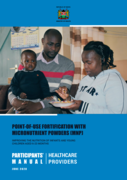
The micronutrient powders will be distributed at the health facilities where instructions on use will be provided by Health Care Providers. Community Health Volunteers will educate, counsel, and mobilize caregivers at the community level to visit health facilities for nutrition assessment and provis
...
ion of the micronutrient powders.
more
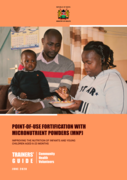
The harmonized training package for Point-of-use-fortification using micronutrient powders has been developed to guide in training frontline health workers. The micronutrient powders will be distributed at the health facilities where instructions on use will be provided by Health Care Providers. Com
...
munity Health Volunteers will educate, counsel, and mobilize caregivers at the community level to visit health facilities for nutrition assessment and provision of the micronutrient powders.
more
WHO Guideline on use of ferritin concentrations to assess iron status in individuals and populations
This guideline provides global, evidence-informed recommendations on the use of indicators for assessing a population’s
iron status and application of the use of ferritin concentrations for monitoring and evaluating iron interventions.
The WHO Vision and eye screening implementation handbook (VESIH) offers a step-by-step guidance for conducting vision and eye screenings in community and primary care settings. The evidence-based interventions are drawn from the WHO Package of eye care interventions and developed with a focus on del
...
ivering screenings easily, safely, and effectively in low- and low–intermediate-resource settings. The early identification through screenings ensures timely treatments and management to avoid vision impairment in high-risk populations, including newborns, pre-school children, school children, and older adults.
more

A discussion paper on the scope of the problem, its drivers, and strategies for moving forward for policy, practice, and research
In many protracted emergencies, the prevalence rates of global acute malnutrition (GAM) regularly exceed the emergency threshold of > 15% of children with acute malnutri
...
tion (< -2 weight-for-height z-scores (WHZ) or with nutritional edema), despite ongoing humanitarian interventions. The widespread scale and long-lasting nature of “persistent GAM” means that it is a policy and programming priority.
more