
Filter
2343
Text search:
academic
Featured
176
536
Language
2253
71
65
35
34
22
16
10
4
4
3
2
2
2
2
2
1
1
1
1
1
1
1
1
1
1
1
1
1
1
1
1
1
1
1
1
1
Document type
1162
519
292
144
130
39
26
15
10
2
2
1
Countries
120
90
71
52
50
48
43
38
36
35
35
34
33
33
31
28
28
25
25
23
23
19
19
19
16
16
15
14
14
13
12
11
11
11
11
11
10
10
10
10
9
9
9
9
8
8
8
8
7
7
6
6
6
5
5
5
5
5
5
4
4
4
4
4
3
3
3
3
3
3
2
2
2
2
2
2
2
2
2
2
2
2
1
1
1
1
1
1
1
1
1
1
1
1
1
1
1
1
1
1
1
1
1
1
1
1
1
1
1
1
1
Authors & Publishers
335
88
88
66
66
54
50
26
23
22
18
18
17
15
15
12
10
10
10
9
9
9
8
8
8
8
7
6
6
6
6
6
6
5
5
5
5
5
5
5
5
5
5
5
5
5
5
5
4
4
4
4
4
4
4
4
4
4
4
4
4
4
4
4
4
4
4
4
4
4
3
3
3
3
3
3
3
3
3
3
3
3
3
3
3
3
3
3
3
3
3
3
3
3
3
3
3
3
3
3
3
3
3
3
3
3
3
3
3
3
3
3
3
3
3
3
3
3
3
3
3
3
3
3
3
3
3
3
3
3
3
3
3
3
3
2
2
2
2
2
2
2
2
2
2
2
2
2
2
2
2
2
2
2
2
2
2
2
2
2
2
2
2
2
2
2
2
2
2
2
2
2
2
2
2
2
2
2
2
2
2
2
2
2
2
2
2
2
2
2
2
2
2
2
2
2
2
2
2
2
2
2
2
2
2
2
2
2
2
2
2
2
2
2
2
2
2
2
2
2
2
2
2
2
2
2
2
2
2
2
2
2
2
2
2
2
2
2
2
2
2
2
2
2
2
2
2
2
2
2
2
2
2
2
2
2
2
2
2
2
2
2
2
2
2
2
2
2
2
2
2
2
2
2
2
2
2
2
2
2
2
2
1
1
1
1
1
1
1
1
1
1
1
1
1
1
1
1
1
1
1
1
1
1
1
1
1
1
1
1
1
1
1
1
1
1
1
1
1
1
1
1
1
1
1
1
1
1
1
1
1
1
1
1
1
1
1
1
1
1
1
1
1
1
1
1
1
1
1
1
1
1
1
1
1
1
1
1
1
1
1
1
1
1
1
1
1
1
1
1
1
1
1
1
1
1
1
1
1
1
1
1
1
1
1
1
1
1
1
1
1
1
1
1
1
1
1
1
1
1
1
1
1
1
1
1
1
1
1
1
1
1
1
1
1
1
1
1
1
1
1
1
1
1
1
1
1
1
1
1
1
1
1
1
1
1
1
1
1
1
1
1
1
1
1
1
1
1
1
1
1
1
1
1
1
1
1
1
1
1
1
1
1
1
1
1
1
1
1
1
1
1
1
1
1
1
1
1
1
1
1
1
1
1
1
1
1
1
1
1
1
1
1
1
1
1
1
1
1
1
1
1
1
1
1
1
1
1
1
1
1
1
1
1
1
1
1
1
1
1
1
1
1
1
1
1
1
1
1
1
1
1
1
1
1
1
1
1
1
1
1
1
1
1
1
1
1
1
1
1
1
1
1
1
1
1
1
1
1
1
1
1
1
1
1
1
1
1
1
1
1
1
1
1
1
1
1
1
1
1
1
1
1
1
1
1
1
1
1
1
1
1
1
1
1
1
1
1
1
1
1
1
1
1
1
1
1
1
1
1
1
1
1
1
1
1
1
1
1
1
1
1
1
1
1
1
1
1
1
1
1
1
1
1
1
1
1
1
1
1
1
1
1
1
1
1
1
1
1
1
1
1
1
1
1
1
1
1
1
1
1
1
1
1
1
1
1
1
1
1
1
1
1
1
1
1
1
1
1
1
1
1
1
1
1
1
1
1
1
1
1
1
1
1
1
1
1
1
1
1
1
1
1
1
1
1
1
1
1
1
1
1
1
1
1
1
1
1
1
1
1
1
1
1
1
1
1
1
1
1
1
1
1
1
1
1
1
1
1
1
1
1
1
1
1
1
1
1
1
1
1
1
1
1
1
1
1
1
1
1
1
1
1
1
1
1
1
1
1
1
1
1
1
1
1
1
1
1
1
1
1
1
1
1
1
1
1
1
1
1
1
1
1
1
1
1
1
1
1
1
1
1
1
1
1
1
1
1
1
1
1
1
1
1
1
1
1
1
1
1
1
1
1
1
1
1
1
1
1
1
1
1
1
1
1
1
1
1
1
1
1
1
1
1
1
1
1
1
1
1
1
1
1
1
1
1
1
1
1
1
1
1
1
1
1
1
1
1
1
1
1
1
1
1
1
1
1
1
1
1
1
1
1
1
1
1
1
1
1
1
1
1
1
1
1
1
1
1
1
1
1
1
1
1
1
1
1
1
1
1
1
1
1
1
1
1
1
1
1
1
1
1
1
1
1
1
1
1
1
1
1
1
1
1
1
1
1
1
1
1
1
1
1
1
1
1
1
1
1
1
1
1
1
1
1
1
1
1
1
1
1
1
1
1
1
1
1
1
1
1
1
1
1
1
1
1
1
1
1
1
1
1
1
1
1
1
1
1
1
1
1
1
1
1
1
1
1
1
1
1
1
1
1
1
1
1
1
1
1
1
1
1
1
1
1
1
1
1
1
1
1
1
1
1
1
1
1
1
1
1
1
1
1
1
1
1
1
1
1
1
1
1
1
1
1
1
1
1
1
1
1
1
1
1
1
1
1
1
1
1
1
1
1
1
1
1
1
1
1
1
1
1
1
1
1
1
1
1
1
1
1
1
1
1
1
1
1
1
1
1
1
1
1
1
1
1
1
1
1
1
1
1
1
1
1
1
1
1
1
1
1
1
1
1
1
1
1
1
1
1
1
1
1
1
1
1
1
1
1
1
1
1
1
1
1
1
1
1
1
1
1
1
1
1
1
1
1
1
1
1
1
1
1
1
1
1
1
1
1
1
1
1
1
1
1
1
1
1
1
1
1
1
1
1
1
1
1
1
1
1
1
1
1
1
1
1
1
1
1
1
1
1
1
1
1
1
1
1
1
1
1
1
1
1
1
1
1
1
1
1
1
1
1
1
1
1
1
1
1
1
1
1
1
1
1
1
1
1
1
1
1
1
1
1
1
1
1
1
1
1
1
1
1
1
1
1
1
1
1
1
1
1
1
1
1
1
1
1
1
1
1
1
1
1
1
1
1
1
1
1
1
1
1
1
1
1
1
1
1
1
1
1
1
1
1
1
1
1
1
1
1
1
1
1
1
1
1
1
1
1
1
1
1
1
1
1
1
1
1
1
1
1
1
1
1
1
1
1
1
1
1
1
1
1
1
1
1
1
1
1
1
1
1
1
1
1
1
1
1
1
1
1
1
1
1
1
1
1
1
1
1
1
1
1
1
1
1
1
1
1
1
1
1
1
1
1
1
1
1
1
1
1
1
1
1
1
1
1
1
1
1
1
1
1
1
1
1
1
1
1
1
1
1
1
1
1
1
1
1
1
1
1
1
1
1
1
1
1
1
1
1
1
1
1
1
1
1
1
1
1
1
1
1
1
1
1
1
1
1
1
1
1
1
1
1
1
1
1
1
1
1
1
1
1
1
1
1
1
1
1
1
1
1
1
1
1
1
1
1
1
1
1
1
1
1
1
1
1
1
1
1
1
1
1
1
1
1
1
1
1
1
1
1
1
1
1
1
1
1
1
1
1
1
1
1
1
1
1
1
1
1
1
1
1
1
1
1
1
1
1
1
1
1
1
1
1
1
1
1
1
1
1
1
1
1
1
1
1
1
1
1
1
1
1
1
1
1
1
1
1
1
1
1
1
1
1
1
1
1
1
1
1
1
1
1
1
1
1
1
1
1
1
1
1
1
1
1
1
1
1
1
1
1
1
1
1
1
1
1
1
1
1
1
1
1
1
1
1
1
1
1
1
1
1
1
1
1
1
1
1
1
1
1
1
1
1
1
1
1
1
1
1
1
1
1
1
1
1
1
1
1
1
1
1
1
1
1
1
1
1
1
1
1
1
1
1
1
1
1
1
1
1
1
1
1
1
1
1
1
1
1
1
1
1
1
1
1
1
1
1
1
1
1
1
1
1
1
1
1
1
1
1
1
1
1
1
1
1
1
1
1
1
1
1
1
1
1
1
1
1
1
1
1
1
1
1
1
1
1
1
1
1
1
1
1
1
1
1
1
1
1
1
1
1
1
1
1
1
1
1
1
1
1
1
1
1
1
1
1
1
1
1
1
1
1
1
1
1
1
1
1
1
1
1
1
1
1
1
1
1
1
1
1
1
1
1
1
1
1
1
1
1
1
1
1
1
1
1
1
1
1
1
1
1
1
1
1
1
1
1
1
1
1
1
1
1
1
1
1
1
1
1
1
1
1
1
1
1
1
1
1
1
1
1
1
1
1
1
1
1
1
1
1
1
1
1
1
1
1
1
1
1
1
1
1
1
1
1
1
1
1
1
1
1
1
1
1
1
1
1
1
1
1
1
1
1
1
1
1
1
1
1
1
1
1
1
1
1
1
1
1
1
1
1
1
1
1
1
1
1
1
1
1
1
1
1
1
1
1
1
1
1
1
1
1
1
1
1
1
1
1
1
1
1
1
1
1
1
1
1
1
1
1
1
1
1
1
1
1
1
1
1
1
1
1
1
1
1
1
1
1
1
1
1
1
1
1
1
1
1
1
1
1
1
1
1
1
1
1
1
1
1
1
1
1
1
1
1
1
1
1
1
1
1
1
1
1
1
1
1
1
1
1
1
1
1
1
1
1
1
1
1
1
1
1
1
1
1
1
1
1
1
1
1
1
1
1
1
1
1
1
1
1
1
1
1
1
1
1
1
1
1
1
1
1
1
1
1
1
1
1
1
1
1
1
1
1
1
1
1
1
1
1
1
1
1
1
1
1
1
1
1
1
1
1
1
1
1
1
1
1
1
1
1
1
1
1
1
1
1
1
1
1
1
1
1
1
1
1
1
1
1
1
1
1
1
1
1
1
1
1
1
1
1
1
1
1
1
1
1
1
1
1
1
1
1
1
1
1
1
1
1
1
1
1
1
1
1
1
1
1
1
1
1
1
1
1
1
1
1
1
1
1
1
1
1
1
1
1
1
1
1
1
1
1
1
1
1
1
1
1
1
1
1
1
1
1
1
1
1
1
1
1
1
1
1
1
1
1
1
1
1
1
1
1
1
1
1
1
1
1
1
1
1
1
1
1
1
1
1
1
1
1
1
1
1
1
1
1
1
1
1
1
1
1
1
1
1
1
1
1
1
1
1
1
1
1
1
1
1
1
1
1
1
1
1
1
1
1
1
1
1
1
1
1
1
1
1
1
1
1
1
1
1
1
1
1
1
1
1
1
1
1
1
1
1
1
1
1
1
1
1
1
1
1
1
1
1
1
1
1
1
1
1
1
1
1
1
1
1
1
1
1
1
1
1
1
1
1
1
1
1
1
1
1
1
1
1
1
1
1
1
1
1
1
1
1
1
1
1
1
1
1
1
1
1
1
1
1
Publication Years
753
1399
182
8
1
Category
771
154
137
130
130
40
17
Toolboxes
303
172
155
131
94
90
76
73
73
62
49
46
44
43
43
39
31
28
28
26
21
14
14
8
7
Monitoring is a crucial element in any successful programme. It is important to
know if health care facilities – and ultimately countries – are meeting the agreed
goals and objectives for preventing and managing cardiovascular diseases (CVD).
Monitoring is the on-going collection, management
...
and use of information to
assess whether an activity or programme is proceeding according to plan and/
or achieving defined targets. Not all outcomes of interest can be monitored. Clear
outcomes must be identified that relate to the most important changes expected to result from the project and to what is realistic and measurable within the timescale of the project. Once these outcomes have been articulated, indicators can be chosen that best measure whether the desired outcomes are being met.
To allow progress to be monitored, this module provides a set of indicators on
CVD management. Agreeing on a set of indicators allows countries to compare
progress in CVD management and treatment across different districts or
subnational jurisdictions, as well as at a facility level, identify where performance
can be improved, and track trends in implementation over time. Monitoring
these indicators also helps identify problems that may be encountered so that
implementation efforts can be redirected.
This module starts from the collection of data at facility level, which is then
“transferred up” the system: facility-level data are aggregated at subnational level
to produce reports that allow tracking of facility and subnational performance over time and allow for comparison among facilities. National-level data are obtained through population-based surveys.
Implementing a monitoring system requires action at many levels. At national and
subnational levels, staff can determine how best to integrate data elements into
existing data collection systems – such as the routine service-delivery data that are collected through facility-level Health Management Information Systems (HMIS).
In the facility setting, personnel must be aware of what data are needed. Sample
data-collection tools are included, recognizing that countries use different datamanagement systems for HMIS, so the CVD monitoring tools will be adapted to work with the HMIS system being used by the country, such that the indicators can be collected with minimal disruption/work to existing systems and tools
more
HEARTS provides a set of locally adaptable tools for strengthening the
management of CVD in primary health care.
HEARTS is designed to enhance implementation of WHO PEN by providing:
• operational guidance on further integrating CVD management
• technical guidance on evaluating the impact of
...
CVD care on patient outcomes.
For countries not using WHO PEN, CVD management can still be integrated into
primary health care. The process of implementing HEARTS will vary, depending
on country context, and may require a significant reorienting and strengthening
of the health system. At some sites, existing CVD management services may be
reoriented toward a risk-based approach, while other sites may adopt a public
health approach, strengthening management of particular risk factors such as
hypertension. Whether or not introducing CVD management into primary care is a
new intervention, successful implementation will require engagement with national and local health planners, managers, service providers, and other stakeholders.
more
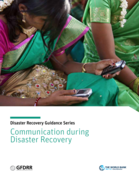
This Guide provides practical guidance for governments regarding how to effectively communicate with communities during the recovery phase following an emergency. It explains how to identify communication needs, and presents “best fit” communication methods and strategies to deploy to support Di
...
saster Recovery Frameworks (DRF) and recovery strategies.
The Guide is divided into six sections, as follows:
SECTION 1 Good Practice Principles for Effective Communication
SECTION 2 Barriers to Effective Communication
SECTION 3 How to Identify Communication Needs during Recovery
SECTION 4 Communication Methods for Recovery Planning and Operations
SECTION 5 Developing a Communication Plan
SECTION 6 Key Take-away Messages
more
The aim of the people-centred framework is to help countries to develop fully prioritized and budgeted NSPs based on a culture of making full use of the available data, which are aligned with national planning cycles and which provide the basis for a robust national response that can accelerate prog
...
ress towards the goal of ending TB. In addition, applying the framework for other possible applications according to the country’s planning and policy cycle encourages the culture of data utilization and evidence translation into decision making and planning.
more
Biobehavioural Survey Guidelines
A. Abdul-Quader, M. Berry, T. Bingham; et al.
UNAIDS; World Health Organization; fhi360; et al.
(2017)
C_WHO
Global HIV Strategic Information Working Group
For Populations At Risk For HIV
This tool offers practical advice on implementing HIV and STI programmes for and with sex workers. It is based on the recommendations in the guidance document on Prevention and treatment of HIV and other sexually transmitted infections for sex workers in low- and middle-income countries published in
...
2012 by the World Health Organization, the United Nations Population Fund, the Joint United Nations Programme on HIV/AIDS and the Global Network of Sex Work Projects.
more

Technical Brief
The booklet starts with a general overview of how illicit drugs and the environment are linked within the bigger picture of the Sustainable Development Goals, climate change and environmental sustainability. It highlights direct and indirect linkages and gives examples of the significant local and i
...
ndividual-level impact that drugs can have on the environment. This is followed by a more in-depth overview of the latest scientific evidence for plant-based drugs and for synthetic drugs. For plant-based drugs, for example, this includes an analysis of the relationship between illicit crop cultivation and deforestation. For synthetic drugs, it includes an analysis of waste composition, volumes, and dumping and discharge, as well as the relation with wastewater treatment.
more
he Guidelines are an example of the support that UNDP provides to practically integrate international human rights commitments into national, regional and global policy and programmes.

This publication integrates human rights principles into measuring HIV service effectiveness, ensuring accountability for equity and health. It focuses on reducing stigma, removing punitive laws, and ensuring access to care for key populations, aiming to achieve 2030 targets.
The compendium compiles practical case studies on the use of Geospatial Artificial Intelligence (GeoAI) to enhance disaster risk reduction and emergency response across diverse geographic and institutional contexts.
The compendium features selected case studies submitted by twenty-seven Regional Su
...
pport Offices (RSOs) working across Asia, Africa, Latin America, and Europe. These examples highlight how GeoAI, is being used to forecast floods, map wildfire risk, assess landslide susceptibility, monitor droughts, and support emergency response. Each project demonstrates how cloud-based platforms and machine learning tools help governments act faster and more precisely when disaster strike.
more
WHO working group on HIV incidence assays meeting report
10–11 December 2015
Glion, Switzerland
UNAIDS/WHO working group on global HIV/AIDS and STI surveillance
WHO/HIV/2017.03
Forschung mit Weitblick - Ein Handbuch für Studierende mit Interesse an Global-Health-Forschung
recommended
Eine wachsende Anzahl von Studierenden interessiert sich für Global Health. Bisher mangelt es jedoch an ausreichenden Angeboten zur Verwirklichung von studentischen Global-Health-Forschungsprojekten. Um vor diesem Hintergrund interessierte Studierende auf ihrem Weg zum eigenen Global-Health-Forschu
...
ngsprojekt zu unterstützen, hat die AG Forschungsplattform der Global Health Alliance-Deutschland (GHA-D), in Kooperation mit weiteren Institutionen, das Handbuch "Forschung mit Weitblick" entwickelt. Neben Hintergrundinformationen und Anregungen zur kritischen Reflexion werden in dem Handbuch eine Auswahl von Forschungsarbeiten mit Global-Health-Bezug sowie erste Schritte zur Umsetzung eines eigenen Forschungsprojekts vorgestellt.
more
The Privacy, Confidentiality and Security Assessment Tool - Protecting personal health information
UNAIDS (Joint United Nations Programme on HIVAIDS); PEPFAR
UNAIDS (Joint United Nations Programme on HIVAIDS); PEPFAR
(2016)
C2
UNAIDS 2019 / Guidance
Charting the Course of Education and HIV
UNESCO Publishing (United Nations Educational, Scientific and Cultural Organization)
(2014)
C2
Education on the move
More time or more money to improve nutrition in Benin Republic?
M. C. D. N. Vodouhe, L. Fakambi
Institut National des Recherches Agricoles du Bénin (INRAB)
(2015)
C2
Children malnutrition eradication in developing countries is a real challenge, especially among
vulnerable population. There are so many effort towards women (who are the main care providers)
socio-economic situation in order to improve their children nutrition. This article aims to identify the
...
impact of mothers’ activities on child nutrition and care. Interviews were used to collect data from
mothers of children less than 5 years old. Pearson correlation test and regression models were
performed to highlight relation and to identify the main factors that affect child nutrition and care. The
nutritional statuses of children show a high prevalence of underweight (38.46%), emaciation (25.17%)
and stunting (23.77%). Statistic results show that a child whose mother has food processing as main
activity has 2,322 more times to not suffer from emaciation malnutrition compared to a child whose
mother has trade as main activity. A child whose mother has high revenue has 1.463 more times to
not be suffering from stunting malnutrition compared to a child whose mother has lower revenue. A
child whose father has fishing as main activity has 8,4 more chance to not be suffering from stunting
malnutrition compared to a child whose father has another activity as main activity. A child whose
father is present in the household has 8.11 more chance to not suffer from stunting malnutrition
compared to a child whose father is absent. A child from mother who has food processing as main
activity is 2,464 more times preserved from fever compared to a child from mother whose main activity
is trade. Moreover child position, child feeding with porridge, child nursing are correlated with mother
activity. This situation is justified by the fact that mother need money to improve child nutrition and
health but they are also confronted to the fact that those activity that provide significant money are
sometime time consuming and not permit to take care of children in term of feeding practices, hygiene
control etc. Therefore it is important that intervention towards women take in consideration those
factors (money and time) but also the family in the whole.
more
An information package for school staff
The pre-clinical pipeline shows more innovation and diversity, with 252 agents being developed to treat WHO priority pathogens.
However, these products are in the very early stages of development and still need to be proven effective and safe. The optimistic scenario, the report indicates, is for
...
the first two to five products to become available in about 10 years.
more
Evaluating the Return on Investment of Scaling Up Treatment for Depression, Anxiety, and Psychosis
Manuel sur le sida pédiatrique en Afrique
recommended
Tindyebwa, D.; J. Kayita, P. Musoke et. al.
Réseau africain pour les soins aux enfants affectés par le sida (ANECCA)
(2017)
C2
Ce manuel donne une vue d’ensemble des connaissances scientifiques actuelles sur l’infection à VIH ainsi que des technologies et des outils utilisés pour prévenir cette infection, pour améliorer la qualité de vie des personnes infectées et pour réduire les effets du VIH sur les enfants et
...
leur famille. Le manuel présente aussi les stratégies nécessaires pour atteindre les personnes ayant besoin de ces interventions et définit leurs normes.
more
