
Filter
1976
Text search:
disability
and
inclusion
Featured
169
434
Language
1885
72
43
26
18
12
12
5
5
4
4
3
3
3
3
3
3
3
2
2
2
2
2
2
2
2
2
2
2
1
1
1
1
1
1
1
1
1
1
1
1
1
1
1
Document type
1221
296
194
103
86
30
25
12
5
2
1
1
Countries
89
71
46
45
41
41
39
36
34
34
31
30
29
26
23
22
21
21
21
19
19
17
16
15
14
12
11
11
11
10
10
10
9
9
9
8
7
7
7
7
7
7
7
5
5
5
5
5
5
5
5
4
4
4
4
4
4
4
4
3
3
3
3
3
3
2
2
2
2
2
2
2
2
2
2
2
1
1
1
1
1
1
1
1
1
1
1
1
1
1
1
1
1
1
1
1
1
1
1
1
1
1
1
1
1
1
1
1
1
Authors & Publishers
238
75
74
58
52
44
44
42
32
29
26
25
19
18
17
15
14
14
11
11
11
11
10
10
9
9
9
9
9
9
7
7
7
7
6
6
6
6
6
6
6
6
5
5
5
5
5
5
5
5
5
5
5
5
5
5
5
4
4
4
4
4
4
4
4
4
4
4
4
4
4
4
4
4
3
3
3
3
3
3
3
3
3
3
3
3
3
3
3
3
3
3
3
3
3
3
3
3
3
3
3
3
3
3
3
3
3
3
3
3
3
3
3
3
2
2
2
2
2
2
2
2
2
2
2
2
2
2
2
2
2
2
2
2
2
2
2
2
2
2
2
2
2
2
2
2
2
2
2
2
2
2
2
2
2
2
2
2
2
2
2
2
2
2
2
2
2
2
2
2
2
2
2
2
2
2
2
2
2
2
2
2
2
2
2
2
2
2
2
2
2
2
2
2
2
2
2
2
2
2
2
2
2
2
2
2
2
2
2
2
1
1
1
1
1
1
1
1
1
1
1
1
1
1
1
1
1
1
1
1
1
1
1
1
1
1
1
1
1
1
1
1
1
1
1
1
1
1
1
1
1
1
1
1
1
1
1
1
1
1
1
1
1
1
1
1
1
1
1
1
1
1
1
1
1
1
1
1
1
1
1
1
1
1
1
1
1
1
1
1
1
1
1
1
1
1
1
1
1
1
1
1
1
1
1
1
1
1
1
1
1
1
1
1
1
1
1
1
1
1
1
1
1
1
1
1
1
1
1
1
1
1
1
1
1
1
1
1
1
1
1
1
1
1
1
1
1
1
1
1
1
1
1
1
1
1
1
1
1
1
1
1
1
1
1
1
1
1
1
1
1
1
1
1
1
1
1
1
1
1
1
1
1
1
1
1
1
1
1
1
1
1
1
1
1
1
1
1
1
1
1
1
1
1
1
1
1
1
1
1
1
1
1
1
1
1
1
1
1
1
1
1
1
1
1
1
1
1
1
1
1
1
1
1
1
1
1
1
1
1
1
1
1
1
1
1
1
1
1
1
1
1
1
1
1
1
1
1
1
1
1
1
1
1
1
1
1
1
1
1
1
1
1
1
1
1
1
1
1
1
1
1
1
1
1
1
1
1
1
1
1
1
1
1
1
1
1
1
1
1
1
1
1
1
1
1
1
1
1
1
1
1
1
1
1
1
1
1
1
1
1
1
1
1
1
1
1
1
1
1
1
1
1
1
1
1
1
1
1
1
1
1
1
1
1
1
1
1
1
1
1
1
1
1
1
1
1
1
1
1
1
1
1
1
1
1
1
1
1
1
1
1
1
1
1
1
1
1
1
1
1
1
1
1
1
1
1
1
1
1
1
1
1
1
1
1
1
1
1
1
1
1
1
1
1
1
1
1
1
1
1
1
1
1
1
1
1
1
1
1
1
1
1
1
1
1
1
1
1
1
1
1
1
1
1
1
1
1
1
1
1
1
1
1
1
1
1
1
1
1
1
1
1
1
1
1
1
1
1
1
1
1
1
1
1
1
1
1
1
1
1
1
1
1
1
1
1
1
1
1
1
1
1
1
1
1
1
1
1
1
1
1
1
1
1
1
1
1
1
1
1
1
1
1
1
1
1
1
1
1
1
1
1
1
1
1
1
1
1
1
1
1
1
1
1
1
1
1
1
1
1
1
1
1
1
1
1
1
1
1
1
1
1
1
1
1
1
1
1
1
1
1
1
1
1
1
1
1
1
1
1
1
1
1
1
1
1
1
1
1
1
1
1
1
1
1
1
1
1
1
1
1
1
1
1
1
1
1
1
1
1
1
1
1
1
1
1
1
1
1
1
1
1
1
1
1
1
1
1
1
1
1
1
1
1
1
1
1
1
1
1
1
1
1
1
1
1
1
1
1
1
1
1
1
1
1
1
1
1
1
1
1
1
1
1
1
1
1
1
1
1
1
1
1
1
1
1
1
1
1
1
1
1
1
1
1
1
1
1
1
1
1
1
1
1
1
1
1
1
1
1
1
1
1
1
1
1
1
1
1
1
1
1
1
1
1
1
1
1
1
1
1
1
1
1
1
1
1
1
1
1
1
1
1
1
1
1
1
1
1
1
1
1
1
1
1
1
1
1
1
1
1
1
1
1
1
1
1
1
1
1
1
1
1
1
1
1
1
1
1
1
1
1
1
1
1
1
1
1
1
1
1
1
1
1
1
1
1
1
1
1
1
1
1
1
1
1
1
1
1
1
1
1
1
1
1
1
1
1
1
1
1
1
1
1
1
1
1
1
1
1
1
1
1
1
1
1
1
1
1
1
1
1
1
1
1
1
1
1
1
1
1
1
1
1
1
1
1
1
1
1
1
1
1
1
1
1
1
1
1
1
1
1
1
1
1
1
1
1
1
1
1
1
1
1
1
1
1
1
1
1
1
1
1
1
1
1
1
1
1
1
1
1
1
1
1
1
1
1
1
1
1
1
1
1
1
1
1
1
1
1
1
1
1
1
1
1
1
1
1
1
1
1
1
1
1
1
1
1
1
1
1
1
1
1
1
1
1
1
1
1
1
1
1
1
1
1
1
1
1
1
1
1
1
1
1
1
1
1
1
1
1
1
1
1
1
1
1
1
1
1
1
1
1
1
1
1
1
1
1
1
1
1
1
1
1
1
1
1
1
1
1
1
1
1
1
1
1
1
1
1
1
1
1
1
1
1
1
1
1
1
1
1
1
1
1
1
1
1
1
1
1
1
1
1
1
1
1
1
1
1
1
1
1
1
1
1
1
1
1
1
1
1
1
1
1
1
1
1
1
1
1
1
1
1
1
1
1
1
1
1
1
1
1
1
1
1
1
1
1
1
1
1
1
1
1
1
1
1
1
1
1
1
1
1
1
1
1
1
1
1
1
1
1
1
1
1
1
1
1
1
1
1
1
1
1
1
1
1
1
1
1
1
1
1
1
1
1
1
1
1
1
1
1
1
1
1
1
1
1
1
1
1
1
1
1
1
1
1
1
1
1
1
1
1
1
1
1
1
1
1
1
1
1
1
1
1
1
1
1
1
1
1
1
1
1
1
1
1
1
1
1
1
1
1
1
1
1
1
1
1
1
1
1
1
1
1
1
1
1
1
1
1
1
1
1
1
1
1
1
1
1
1
1
1
1
1
1
1
1
1
1
1
1
1
1
1
1
1
1
1
1
1
1
1
1
1
1
1
1
1
1
1
1
1
1
1
1
1
1
1
1
1
1
1
1
1
1
1
1
1
1
1
1
1
1
1
1
1
1
1
1
1
1
1
1
1
1
1
1
1
1
1
1
1
1
1
1
1
1
1
1
1
1
1
1
1
1
1
1
1
1
1
1
1
1
1
1
1
1
1
1
1
1
1
1
1
1
1
1
1
1
1
1
1
1
1
1
1
1
1
1
1
1
1
1
1
1
1
1
1
1
1
1
1
1
1
1
1
1
1
1
1
1
1
1
1
1
1
1
1
1
1
1
1
1
1
1
1
1
1
1
1
1
1
1
1
1
1
1
1
1
1
1
1
1
1
1
1
1
1
1
1
1
1
1
1
1
1
1
1
1
1
1
1
1
1
1
1
1
1
1
1
1
1
1
1
1
1
1
1
1
1
1
1
1
1
1
1
1
1
1
1
1
1
1
1
1
1
1
1
1
1
1
1
1
1
1
1
1
1
1
1
1
1
1
1
1
1
1
1
1
1
1
1
1
1
1
1
1
1
1
1
1
1
1
1
1
1
1
1
1
1
1
1
1
1
1
1
1
1
1
1
1
1
1
1
1
1
1
1
1
1
1
1
1
1
1
1
1
Publication Years
533
1271
167
5
Category
645
135
124
115
102
24
6
Toolboxes
528
274
104
75
67
51
42
40
39
32
28
26
25
24
19
15
10
9
8
8
8
5
2
2
1
At the World Humanitarian Summit in Istanbul in May 2016, leaders made over 3,700 commitments to advance the Agenda for Humanity. In their first self-reports against these commitments, 142 stakeholders described the efforts they made from June to December 2016 to realize this ambitious vision.
The
...
2017 annual synthesis report on progress provides a summary of their collective achievements around the 5 Core Responsibilities and 24 Transformations of the Agenda for Humanity.
Executive summary in
English: https://www.agendaforhumanity.org/sites/default/files/asr/2017/Nov/No%20time%20to%20retreat%20Executive%20Summary_NEW_web_nov27.pdf;
French: https://www.agendaforhumanity.org/sites/default/files/asr/2018/Jan/No%20time%20to%20retreat_Executive%20summary_FRENCH_Final_web.pdf
Spanish: https://www.agendaforhumanity.org/sites/default/files/asr/2018/Jan/No%20time%20to%20retreat_Executive%20summary_Spanish_final_web.pdf more
English: https://www.agendaforhumanity.org/sites/default/files/asr/2017/Nov/No%20time%20to%20retreat%20Executive%20Summary_NEW_web_nov27.pdf;
French: https://www.agendaforhumanity.org/sites/default/files/asr/2018/Jan/No%20time%20to%20retreat_Executive%20summary_FRENCH_Final_web.pdf
Spanish: https://www.agendaforhumanity.org/sites/default/files/asr/2018/Jan/No%20time%20to%20retreat_Executive%20summary_Spanish_final_web.pdf more
This document outlines Rwanda's policy on non-communicable diseases. The overall goal of NCDs Policy is to alleviate the burden of NCDs and their risk factors and protect Rwandan population from pre
...
mature morbidity and mortality related to NCDs. This policy was developed through a series of consultative meetings and workshops of NCDs' core team members of MOH and RBC, National Technical Working Group (TWG), all implementing and non implementing partners and other development partners. This policy was developed in line with the Millennium Development Goals (MDGs), Vision 2020, Rwanda Economic Development Poverty Reduction Strategy (EDPRS II) of 2013-18 and NCDs Global Action Plan 2013-2020 and national Health Policy. This policy focuses on of the following NCDs: Cardiovascular diseases, Chronic Pulmonary Diseases (CPD), Cancers, Diabetes, injuries and disabilities, oral, eye and kidney diseases.
more
Antimicrobial resistance (AMR) is a major public health challenge, which is recognized as high priority area by the Government of India. The increasing consumption of antibiotics is one of the key drivers of antimicrobial resistance seen in bugs of public health importance. Irrational prescription o
...
f broad-spectrum antibiotics, poor regulations around sale of antibiotics, self-medication, lack of education and awareness regarding responsible use of antibiotics have been identified as some of the key factors driving antimicrobial resistance in our country. The ‘National Health Policy’ (2017), addresses antimicrobial resistance as one of the key issues and prioritises development of guidelines regarding antibiotic use, limiting the over-the-counter use of antibiotics, restricting the use of antibiotics as growth promoters in livestock, and pharmaco-vigilance including prescription audit inclusive of antibiotic usage in the hospital and community.
more
In its resolution 34/16, the Human Rights Council decided to focus its next full-day meeting on “Protecting the rights of the child in humanitarian situations” and invited the Office of the High Commissioner to prepare a report on that issue, in
...
close collaboration with relevant stakeholders. The report is to be presented to the Human Rights Council at its thirty-seventh session to inform the annual day of discussion on children’s rights.
more
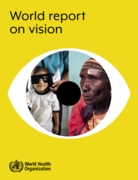
At present at least 2.2 billion people around the world have a vision impairment, of whom at least 1 billion have a vision impairment that could have been prevented or is yet to be addressed. The world faces considerable challenges in terms of eye care, including inequalities in the coverage
...
and quality of prevention, treatment and rehabilitation services; a shortage of trained eye care service providers; and poor integration of eye care services into health systems, among others. The World report on vision aims to address these challenges and galvanize action.
more
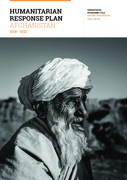
The arrival of COVID-19 in Afghanistan has brought heartache to millions of people who are now battling a deadly pandemic while simultaneously fighting for their survival amid poverty, disaster and war. Over my three years as Humanitarian Coordinato
...
r, I have marvelled at the resilience of the people of this country to cope with the hardships of life in the world’s deadliest conflict – but even this remarkable strength is now being tested by the health, social and economic consequences of COVID-19. The virus is spreading across the country with frightening speed. Every province is now impacted, and people are understandably frightened.
more
Tuberculosis (TB) prevention is essential for reaching the End TB targets in the South-East Asia Region (SEAR) of World Health Organization (WHO)1. The targets of 80% reduction in TB incidence rate and 90% reduction in TB mortality by 2030 (compared
...
to 2015 levels) can be achieved only with additional interventions aimed at preventing TB, according to epidemiological modelling studies commissioned by the WHO South-East Asia Regional Office (WHO SEARO). Optimal implementation of TB preventive treatment (TPT) is a critical intervention to accelerate reduction in TB burden in the SEA Region, which bears nearly 43% of the global TB burden. TPT by itself has the potential to reduce the overall annual TB incidence rates by 8.3% (95% CrI 6.5–10.8) relative to 2015.
more
The Quality Criteria for Health National Adaptation Plans (HNAPs) presents examples of good practice in HNAP development to assist countries in developing a comprehensive, feasible and implementable plan. The criteria are also intended to guide coun
...
tries in setting the foundation for a long-term iterative HNAP process. The proposed criteria are not prescriptive and should be adapted to dynamic country contexts, uncertain and changing climatic conditions, and new knowledge and technologies.
9 February 2021
more

A study conducted by the World Health Organisation Regional Office for Africa. The COVID-19 pandemic has had a significant impact on older persons both globally and in the African region. Although overall the region’s population is younger relativ
...
e to many other world regions, the WHO AFRO region has a population just over 62 million older people and is ageing rapidly, with the number of older people expected to triple in the next three decades (Aboderin et al., 2020).
more

The mhGAP community toolkit: field test version is an integral part of WHO's Mental Health Gap Action Programme (mhGAP), and aims at scaling up services for people with mental health conditions to achieve universal health coverage.
The toolkit p
...
rovides guidance for programme managers on how to identify local mental health needs and tailor community services to match these needs. It offers practical information and necessary tools for community providers to promote mental health, prevent mental health conditions and expand access to mental health services.
more
This document sets out, therefore, to explain the socioeconomic value of investing in the fight against NTDs and highlights priorities for global investment attention. Our work was guided by the need not only for
additional funding
...
and funders but also for the need to understand the current funding climate, in which value for money and the efficient use of resources to fill the most critical of gaps are more relevant than ever.
more
The results of the report clearly show that in 2020, a year dominated by the emergence of COVID-19 and its associated health and economic crises, governments around the world rose to the challenge.
...
Sharp increases in government spending on health at all country income levels underpinned the rise in health spending to a new high of US $9 trillion (approximately 11% of global GDP). Government health spending generally increased and offset declines in out-of-pocket spending. Importantly, the rise in government health spending was part of a much broader fiscal response to the pandemic. In high income and upper-middle income countries social protection spending also increased sharply in as governments attempted to cushion populations from the economic impacts of COVID-19. In contrast to health and social protection, growth in education spending was relatively subdued. Countries face the further challenge of sustaining increased public spending on health and other social sectors in the face of deteriorating macroeconomic conditions and rising debt servicing. This also includes the challenge of sustaining external support for low income countries, which is essential for reducing ensuring poverty, ensuring access to health services and strengthening pandemic preparedness.
more

Accessed on 04.04.2023
The Drugs for Neglected Diseases initiative (DNDi) is an international
non-profit organization that discovers, develops, and delivers safe,
effective, and affordable t
...
reatments for the most neglected patients
more

The 2021 Financing for Sustainable Development Report responds to the request made by Member States to review the impact of the COVID-19 pandemic on nancing for sustainable development, and to propose recommendations to rebuild better. The report u
...
nderlines the need for policy actions to ensure e ective support until the recovery is rmly underway. Its thematic chapter discusses the systemic and interlinked nature of risk in a tightly intertwined world, and the importance of providing nancing for risk reduction and resilience and nancing that is risk-informed and resilient. With the collaboration of more than 60 agencies of the United Nations system and partner international organizations, the report provides much needed guidance to Member States to take action towards a more resilient future.
more

The Global Burden of Disease Study (GBD) began 30 years ago with the goal of providing timely, valid and relevant assessments of critical health outcomes. Over this period, the GBD has become progressively more granular. The latest iteration provide
...
s assessments of thousands of outcomes for diseases, injuries and risk factors in more than 200 countries and territories and at the subnational level in more than 20 countries. The GBD is now produced by an active collaboration of over 8,000 scientists and analysts from more than 150 countries. With each GBD iteration, the data, data processing and methods used for data synthesis have evolved, with the goal of enhancing transparency and comparability of measurements and communicating various sources of uncertainty. The GBD has many limitations, but it remains a dynamic, iterative and rigorous attempt to provide meaningful health measurement to a wide range of stakeholders.
more

Language influences the way we think, how we perceive reality, and how we behave. With respect to HIV, language can embody stigma and discrimination, which impacts access to testing, acquisition of
...
HIV, and engagement with treatment. Language plays a role in supporting respect and empowerment of individuals, as communities shape how they are referred to and the labels they wish to use. Consideration and use of appropriate language can strengthen the global response to the HIV pandemic by diminishing stigma and discrimination and increasing support and understanding for individuals and communities living with HIV. Comments and suggestions for modifications should be sent to
more
Nutrition Cluster Handbook
recommended
Josephine Ippe, Diane Holland, Leah Richardson, et al.
The Global Nutrition Cluster, UNICEF
(2013)
C1
The purpose of the handbook is to provide those involved in nutrition coordination with relevant tools, guidance, information and resources to support their roles in facilitating predictable, coordinated a
...
nd effective preparation for, and responses to, nutrition needs in humanitarian emergencies. Rather than being prescriptive, the handbook aims to raises key issues encountered to date.
more
Сборник научных статей по материалам Конгресса ≪Психическое здоровье человека XXI века≫
recommended
Союз охраны психического здоровья, Issa, world council for psychotheraphy et al.
Союз охраны психического здоровья, Issa, world council for psychotheraphy et al.
(2016)
C2
В сборнике представлены статьи специалистов в сфере охраны психического здоровья по различным академическим дисциплинам, включая общую медицину, психиатрию, псиÑ
...
…отерапию, психологию, социологию, педагогику, юриспруденцию, экономику, спорт, по материалам Конгресса ≪Психическое здоровье человека XXI века≫, который состоялся 7–8 октября 2016 г. в Москве.
The collection of scientific papers is collected from different areas of scientific knowledge, including general medicine, psychiatry, psychotherapy, psychology, social policy, education, law, economics and sport. The publication contains materials that were delivered to the Organizing Committee of the Congress on Mental Health: Meeting the Needs of the XXI Century. The collection is intended for researchers and practitioners acting in the field of the mental health care.
more
This is the first version of the INEE technical guideline to support education during the Covid-19 pandemic. It is a living document that will be regularly updated to meet the learning and well-being needs of children, adolescents, youth, teachers,
...
caregivers and other education personnel affected by Covid-19.
more
Over the past two decades, Afghanistan has depended on international donor support to fund essential services like health care. But this donor support has been falling for years and will likely to continue do so—perhaps precipitously—following t
...
he announcement by United States President Joe Biden that the US will withdraw all US forces from Afghanistan by September 11, 2021. This decline in funding has already had a harmful—and life-threatening—impact on the lives of many Afghan women and girls, as it affects access to, and quality of, health care.
more
