Filter
1591
Text search:
Effects
of
Climate
Change
Featured
131
373
Language
Document type
594
541
136
116
116
32
31
11
4
3
2
2
2
Countries
164
41
36
31
30
28
24
24
22
21
18
18
17
17
17
17
15
15
13
13
13
12
11
10
10
10
9
9
8
8
8
7
7
7
7
7
7
7
7
6
6
6
6
6
6
6
6
6
6
5
5
5
5
5
5
5
5
4
4
4
4
4
4
3
3
3
3
2
2
2
2
2
2
2
1
1
1
1
1
1
1
1
1
1
1
1
1
1
1
1
1
1
1
1
1
1
1
1
1
1
1
1
1
1
1
1
1
1
1
1
Authors & Publishers
Publication Years
Category
459
209
96
54
47
25
5
Toolboxes
367
107
96
79
78
76
49
47
43
41
38
36
36
31
28
20
18
17
16
13
10
9
9
6
4
1
A Guide for UNICEF Staff
These guidelines are designed for ICRC and other health professionals – nurses, midwifes, doctors – who either lack experience in antenatal care or are not used to working in countries where medical infrastructure is underdeveloped or non-existent
GFDRR Knowledge Notes
The report provides a global knowledge base on suicide and suicide attempts as well as actionable steps for countries based on their current resources and context to move forward in suicide prevention.
Towards the Peoples Health Assembly Book - 1
The Multi-Cluster/Sector Initial Rapid Assessment (MIRA) is a joint needs assessment tool that can be used in sudden onset emergencies, including IASC System-Wide Level 3 Emergency Responses (L3 Responses).
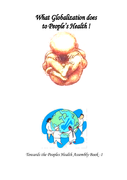
Towards the Peoples Health Assembly Book -1
A MANUAL FOR WASH IMPLEMENTERS, BOTSWANA
Sightsavers | Department for International Development | The International Trachoma Initiative | Children Without Worms | WaterAid | WASH Advocates | Center for Global Safe Water, Emory University | CARE USA
Rapid Advice Guideline