
Filter
2584
Text search:
equitable
access
Featured
205
677
Language
2520
83
68
44
43
25
25
12
4
3
3
3
3
2
2
2
2
2
2
2
2
2
1
1
1
1
1
1
1
1
1
1
1
1
1
1
1
1
1
1
1
1
1
1
Document type
1222
584
272
209
132
76
40
24
12
4
3
2
1
Countries
198
99
61
61
60
59
59
53
49
47
47
45
44
43
39
39
38
37
33
30
27
22
22
21
19
16
15
15
14
14
14
12
12
12
11
11
11
11
10
10
9
9
8
8
6
6
6
6
6
6
6
5
5
5
5
5
4
4
4
4
4
4
4
4
3
3
3
3
3
3
3
3
3
2
2
2
2
2
2
2
2
2
2
2
1
1
1
1
1
1
1
1
1
1
1
1
1
1
1
1
1
1
1
1
1
1
Authors & Publishers
397
105
84
77
65
61
48
41
32
21
21
19
18
17
15
14
13
13
13
12
12
12
11
11
11
11
10
10
10
9
9
9
9
8
8
8
8
8
8
8
7
7
7
7
7
7
7
7
7
7
6
6
6
6
6
6
6
6
6
6
6
6
6
6
6
5
5
5
5
5
5
5
5
5
5
5
5
5
5
5
4
4
4
4
4
4
4
4
4
4
4
4
4
4
4
4
4
4
4
4
4
4
3
3
3
3
3
3
3
3
3
3
3
3
3
3
3
3
3
3
3
3
3
3
3
3
3
3
3
3
3
3
3
3
3
3
3
3
3
3
3
3
3
3
3
3
3
3
3
3
3
3
3
3
3
3
3
3
3
3
2
2
2
2
2
2
2
2
2
2
2
2
2
2
2
2
2
2
2
2
2
2
2
2
2
2
2
2
2
2
2
2
2
2
2
2
2
2
2
2
2
2
2
2
2
2
2
2
2
2
2
2
2
2
2
2
2
2
2
2
2
2
2
2
2
2
2
2
2
2
2
2
2
2
2
2
2
2
2
2
2
2
2
2
2
2
2
2
2
2
2
2
2
2
2
2
2
2
2
2
2
2
2
2
2
2
2
2
2
2
2
2
2
2
2
2
2
2
2
2
2
2
2
2
2
2
2
2
2
2
2
2
2
2
2
2
2
2
2
2
2
1
1
1
1
1
1
1
1
1
1
1
1
1
1
1
1
1
1
1
1
1
1
1
1
1
1
1
1
1
1
1
1
1
1
1
1
1
1
1
1
1
1
1
1
1
1
1
1
1
1
1
1
1
1
1
1
1
1
1
1
1
1
1
1
1
1
1
1
1
1
1
1
1
1
1
1
1
1
1
1
1
1
1
1
1
1
1
1
1
1
1
1
1
1
1
1
1
1
1
1
1
1
1
1
1
1
1
1
1
1
1
1
1
1
1
1
1
1
1
1
1
1
1
1
1
1
1
1
1
1
1
1
1
1
1
1
1
1
1
1
1
1
1
1
1
1
1
1
1
1
1
1
1
1
1
1
1
1
1
1
1
1
1
1
1
1
1
1
1
1
1
1
1
1
1
1
1
1
1
1
1
1
1
1
1
1
1
1
1
1
1
1
1
1
1
1
1
1
1
1
1
1
1
1
1
1
1
1
1
1
1
1
1
1
1
1
1
1
1
1
1
1
1
1
1
1
1
1
1
1
1
1
1
1
1
1
1
1
1
1
1
1
1
1
1
1
1
1
1
1
1
1
1
1
1
1
1
1
1
1
1
1
1
1
1
1
1
1
1
1
1
1
1
1
1
1
1
1
1
1
1
1
1
1
1
1
1
1
1
1
1
1
1
1
1
1
1
1
1
1
1
1
1
1
1
1
1
1
1
1
1
1
1
1
1
1
1
1
1
1
1
1
1
1
1
1
1
1
1
1
1
1
1
1
1
1
1
1
1
1
1
1
1
1
1
1
1
1
1
1
1
1
1
1
1
1
1
1
1
1
1
1
1
1
1
1
1
1
1
1
1
1
1
1
1
1
1
1
1
1
1
1
1
1
1
1
1
1
1
1
1
1
1
1
1
1
1
1
1
1
1
1
1
1
1
1
1
1
1
1
1
1
1
1
1
1
1
1
1
1
1
1
1
1
1
1
1
1
1
1
1
1
1
1
1
1
1
1
1
1
1
1
1
1
1
1
1
1
1
1
1
1
1
1
1
1
1
1
1
1
1
1
1
1
1
1
1
1
1
1
1
1
1
1
1
1
1
1
1
1
1
1
1
1
1
1
1
1
1
1
1
1
1
1
1
1
1
1
1
1
1
1
1
1
1
1
1
1
1
1
1
1
1
1
1
1
1
1
1
1
1
1
1
1
1
1
1
1
1
1
1
1
1
1
1
1
1
1
1
1
1
1
1
1
1
1
1
1
1
1
1
1
1
1
1
1
1
1
1
1
1
1
1
1
1
1
1
1
1
1
1
1
1
1
1
1
1
1
1
1
1
1
1
1
1
1
1
1
1
1
1
1
1
1
1
1
1
1
1
1
1
1
1
1
1
1
1
1
1
1
1
1
1
1
1
1
1
1
1
1
1
1
1
1
1
1
1
1
1
1
1
1
1
1
1
1
1
1
1
1
1
1
1
1
1
1
1
1
1
1
1
1
1
1
1
1
1
1
1
1
1
1
1
1
1
1
1
1
1
1
1
1
1
1
1
1
1
1
1
1
1
1
1
1
1
1
1
1
1
1
1
1
1
1
1
1
1
1
1
1
1
1
1
1
1
1
1
1
1
1
1
1
1
1
1
1
1
1
1
1
1
1
1
1
1
1
1
1
1
1
1
1
1
1
1
1
1
1
1
1
1
1
1
1
1
1
1
1
1
1
1
1
1
1
1
1
1
1
1
1
1
1
1
1
1
1
1
1
1
1
1
1
1
1
1
1
1
1
1
1
1
1
1
1
1
1
1
1
1
1
1
1
1
1
1
1
1
1
1
1
1
1
1
1
1
1
1
1
1
1
1
1
1
1
1
1
1
1
1
1
1
1
1
1
1
1
1
1
1
1
1
1
1
1
1
1
1
1
1
1
1
1
1
1
1
1
1
1
1
1
1
1
1
1
1
1
1
1
1
1
1
1
1
1
1
1
1
1
1
1
1
1
1
1
1
1
1
1
1
1
1
1
1
1
1
1
1
1
1
1
1
1
1
1
1
1
1
1
1
1
1
1
1
1
1
1
1
1
1
1
1
1
1
1
1
1
1
1
1
1
1
1
1
1
1
1
1
1
1
1
1
1
1
1
1
1
1
1
1
1
1
1
1
1
1
1
1
1
1
1
1
1
1
1
1
1
1
1
1
1
1
1
1
1
1
1
1
1
1
1
1
1
1
1
1
1
1
1
1
1
1
1
1
1
1
1
1
1
1
1
1
1
1
1
1
1
1
1
1
1
1
1
1
1
1
1
1
1
1
1
1
1
1
1
1
1
1
1
1
1
1
1
1
1
1
1
1
1
1
1
1
1
1
1
1
1
1
1
1
1
1
1
1
1
1
1
1
1
1
1
1
1
1
1
1
1
1
1
1
1
1
1
1
1
1
1
1
1
1
1
1
1
1
1
1
1
1
1
1
1
1
1
1
1
1
1
1
1
1
1
1
1
1
1
1
1
1
1
1
1
1
1
1
1
1
1
1
1
1
1
1
1
1
1
1
1
1
1
1
1
1
1
1
1
1
1
1
1
1
1
1
1
1
1
1
1
1
1
1
1
1
1
1
1
1
1
1
1
1
1
1
1
1
1
1
1
1
1
1
1
1
1
1
1
1
1
1
1
1
1
1
1
1
1
1
1
1
1
1
1
1
1
1
1
1
1
1
1
1
1
1
1
1
1
1
1
1
1
1
1
1
1
1
1
1
1
1
1
1
1
1
1
1
1
1
1
1
1
1
1
1
1
1
1
1
1
1
1
1
1
1
1
1
1
1
1
1
1
1
1
1
1
1
1
1
1
1
1
1
1
1
1
1
1
1
1
1
1
1
1
1
1
1
1
1
1
1
1
1
1
1
1
1
1
1
1
1
1
1
1
1
1
1
1
1
1
1
1
1
1
1
1
1
1
1
1
1
1
1
1
1
1
1
1
1
1
1
1
1
1
1
1
1
1
1
1
1
1
1
1
1
1
1
1
1
1
1
1
1
1
1
1
1
1
1
1
1
1
1
1
1
1
1
1
1
1
1
1
1
1
1
1
1
1
1
1
1
1
1
1
1
1
1
1
1
1
1
1
1
1
1
1
1
1
1
1
1
1
1
1
1
1
1
1
1
1
1
1
1
1
1
1
1
1
1
1
1
1
1
1
1
1
1
1
1
1
1
1
1
1
1
1
1
1
1
1
1
1
1
1
1
1
1
1
1
1
1
1
1
1
1
1
1
1
1
1
1
1
1
1
1
1
1
1
1
1
1
1
1
1
1
1
1
1
1
1
1
1
1
1
1
1
1
1
1
1
1
1
1
1
1
1
1
1
1
1
1
1
1
1
1
1
1
1
1
1
1
1
1
1
1
1
1
1
1
1
1
1
1
1
1
1
1
1
1
1
1
1
1
1
1
1
1
1
1
1
1
1
1
1
1
1
1
1
1
1
1
1
1
1
1
1
1
1
1
1
1
1
1
1
1
1
1
1
1
1
1
1
1
1
1
1
1
1
1
1
1
1
1
1
1
1
1
1
1
1
1
1
1
1
1
1
1
1
1
1
1
1
1
1
1
1
1
1
1
1
1
1
1
1
1
1
1
1
1
1
1
1
1
1
1
1
1
1
1
1
1
1
1
1
1
1
1
1
1
1
1
1
1
1
1
1
1
1
1
1
1
1
1
1
1
1
1
1
1
1
1
1
1
1
1
1
1
1
1
1
1
1
1
1
1
1
1
1
1
1
1
1
1
1
1
1
1
1
1
1
1
1
1
1
1
1
1
1
Publication Years
1058
1340
174
10
1
1
Category
1044
194
181
129
128
33
16
1
Toolboxes
268
170
158
114
102
85
85
83
80
76
53
52
49
36
36
35
32
30
28
27
16
11
8
4
3
1
1
Comment The Lancet Volume 397, ISSUE 10269, P72-74, January 09, 2021
Published:December 08, 2020DOI:https://doi.org/10.1016/S0140-6736(20)32623-4
Key considerations for the use of law to prevent noncommunicable diseases in the WHO European Region
Report of an intensive legal training and capacity-building workshop on law and noncommunicable diseases (Moscow, 30 May–3 June 2016)
The report summarizes important issues, themes and topics discussed during the meeting in Moscow, ranging from the design and implementation of legislation, reconc
...
iling public health objectives with international trade and investment law commitments, to examples of regional integration, such as the European Union and the Eurasian Economic Union.
more
Technical Meeting Report, 14-15 July 2020, Geneva
31 Janaury 2021
SCORE for health data technical package. The first global assessment on the status and capacity of health information systems in 133 countries, covering 87% of the global population.
It identifies gaps and provides guidance for investment in areas that can have the greatest impact
...
on the quality, availability, analysis, accessibility and use of health data.
more
In its report from 2014, the Working Group outlines the various factors influencing vaccine acceptance or refusal, and what can be done to create social norms around vaccine acceptance and to encourage the general public regarding the necessity of vaccination.
abridged version, March 2021
he study highlights the impacts of COVID-19 on women and men as gleaned from research conducted during 2020, as well as the Computer Assisted Telephonic Interviews (CATI) Rapid Gender Assessments (RGAs) executed by UN Women, UNFPA and partners in seven countries in the
...
East and Southern Africa region.
more
The key areas covered are diagnosis, imaging, pathology, surgery, rehabilitation, palliative care and survivorship. It emphasizes a multi-disciplinary team approach which is paramount for quality cancer care. The specific cancers covered are breast, central nervous system, gastroint
...
estinal, gynecological, head and neck, hematological, Kaposi’s sarcoma, lung, prostate and pediatric cancers. They also complement the National Guidelines for Cancer Management in Kenya released in 2013.
more

The purpose of the toolkit is to bring together existing learning and guidance as a starting point for stakeholders to begin SRH preparedness work. Within the SRH sector the field of preparedness is relatively new and growing. More collective effort is required to further evaluate the impact of prep
...
aredness efforts and push the field forward. This effort is a first attempt at a draft guidance for SRH preparedness, and is intended for field testing. The toolkit recognizes the longstanding work of the field of emergency and disaster risk management, and endeavors to bridge that work with the human rights-oriented and peoplecentered field of sexual and reproductive health.
more
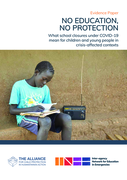
What school closures under COVID-19 mean for children and young people in
crisis-affected contexts

doi: https://doi.org/10.1101/2020.11.30.20236570
Pre-Print Article
Workplaces outside of healthcare facilities can be also settings for transmission of COVID-19. Outbreaks of COVID-19 has been reported in various types of workplaces and job categories.
All workers should be protected from acquiring COVID-19 because of their work. The prevention of COVID-19 in
...
work settings should be combined with measures for protecting physical and mental health, safety and wellbeing of workers from other occupational hazards in the operation, closures and reopening of workplaces.
This joint WHO/ILO policy brief provides a summary of the evidence for transmission of COVID-19 in general workplaces and an overview of WHO and ILO recommendations for prevention and mitigation of COVID-19 and for protecting health and safety at work in the context of the pandemic.
more
5 May 2021
This Information Note is intended to assist national TB programmes and health personnel worldwide to maintain essential tuberculosis (TB) services during the COVID-19 pandemic and in the recovery phase. It is important that recent progress made in TB prevention and care is not reversed b
...
y COVID-19. The WHO Global TB Programme, along with WHO regional and country offices, developed this note in response to questions received from Member States and other partners since the start of the pandemic. The note includes references to other published WHO information products relevant to TB practitioners. WHO continues to monitor the situation closely for any changes that may influence this note and will issue updates should any factors change.
more
The second edition of the “A Region on the Move” report provides an overview of population movement trends in West and Central Africa in 2021. It aims to provide a comprehensive overview of mobility in the region and showcase the versatility, multidimensionality and nuances of regional mobility
...
in West and Central Africa.
more

This publication is based on the list of clinical interventions selected from clinical guidelines on prevention, screening, diagnosis, treatment, palliative care, monitoring and end of life care. This publication addresses medical devices for six types of cancer: breast, cervical, colorectal, leukem
...
ia, lung and prostate. The first section defines the global increase in cancer cases, the global goals to manage NCDs and the WHO activities related to these goals. The second section presents the methodology used for the selection of medical devices that support clinical interventions required to screen, diagnose, treat and monitor cancer stages, as well as the provision of palliative care, based on evidence-based information. The third section lists the priority medical devices required to manage cancer in seven different units of health care services: 1. Vaccination, clinical assessment and endoscopy, 2. Medical imaging and nuclear medicine, 3. Surgery, 4. Laboratory and pathology, 5. Radiotherapy, 6. Systemic therapy and 7. Palliative and end of life care
more

This 400 page guide, created by PHI’s Center for Climate Change and Health and the American Public Health Association (APHA), with support from the California Department of Public Health helps local health departments prepare for and mitigate climate change effects—from drought and heat to flood
...
ing and food security—with concrete, implementable suggestions.
The guide: Provides a basic summary of climate change and climate impacts on health; Prioritizes health equity, explains the disproportionate impacts of climate change on vulnerable communities, and targets solutions first to the communities where they are most needed, including low-income, elderly and people of color communities; Connects what we know about climate impacts and climate solutions with the work of local health departments; and Offers specific examples of how local health departments can address and ameliorate the impacts of climate change in every area of public health practice.
more

Community health nurses have the potential to make significant contributions to meet the health care needs of various population groups in a variety of community settings. In order to assess the extent to which CHNs are achieving this potential, WHO conducted a study between 2010 and 2014 that exami
...
ned the status of community health nursing in 22 countries, 13 of which were experiencing a critical shortage of health care workers. The study revealed that the countries surveyed had the basic and operational framework for optimizing CHN in their health systems as evidenced by the availability of PHC structures to guide interventions. However, challenges were identified related to the education, practice and management of CHNs in these countries. The major challenges identified were: Limited availability of career opportunities; poor worker retention; low recognition for CHNs; inadequate and unsupportive working conditions and environments; absence of educational standards; varying educational entry-level requirements for CHN programmes; and a lack of consensus on the scope of practice for CHNs.
more
Midwifery Capacity Building Strategy for Northern Syria
2017-2021
Available in Arabic
