Filter
2610
Text search:
World
Health
Organization
WHO
-
Regional
Office
Africa
Featured
297
646
Language
2491
81
60
41
36
36
15
3
3
2
2
2
2
2
2
1
1
1
1
1
1
1
1
1
1
1
1
1
1
Document type
1219
542
380
180
139
58
44
30
7
4
2
2
1
1
Countries / Regions
144
88
83
79
74
72
62
47
47
46
45
43
38
35
33
33
33
31
29
29
27
26
24
23
23
22
20
18
17
17
16
15
15
14
13
12
12
12
11
9
9
9
9
9
9
9
8
8
8
7
7
7
7
7
6
6
6
6
6
5
5
5
5
5
4
4
4
4
4
3
3
3
3
3
2
2
2
2
2
2
2
2
2
2
2
2
1
1
1
1
1
1
1
1
1
1
1
1
1
1
1
1
1
1
1
1
1
1
1
1
1
1
1
1
1
1
Authors & Publishers
575
157
102
88
87
50
47
44
44
44
36
30
27
18
18
17
14
13
12
12
12
11
11
11
11
10
10
10
9
9
9
9
8
8
8
8
8
8
8
8
8
7
7
7
6
6
6
6
6
6
6
6
6
6
6
5
5
5
5
5
5
5
5
5
5
5
5
4
4
4
4
4
4
4
4
4
4
4
4
4
4
4
4
4
4
4
4
4
4
4
4
4
4
3
3
3
3
3
3
3
3
3
3
3
3
3
3
3
3
3
3
3
3
3
3
3
3
3
3
3
3
3
3
3
3
3
3
3
3
3
3
3
3
3
3
3
3
3
3
3
3
3
3
3
3
3
3
3
3
3
3
2
2
2
2
2
2
2
2
2
2
2
2
2
2
2
2
2
2
2
2
2
2
2
2
2
2
2
2
2
2
2
2
2
2
2
2
2
2
2
2
2
2
2
2
2
2
2
2
2
2
2
2
2
2
2
2
2
2
2
2
2
2
2
2
2
2
2
2
2
2
2
2
2
2
2
2
2
2
2
2
2
2
2
2
2
2
2
2
2
2
2
2
2
2
2
2
2
2
2
2
2
2
2
2
2
2
2
2
2
2
2
2
2
2
2
2
2
2
2
2
2
2
2
2
2
2
2
2
2
2
1
1
1
1
1
1
1
1
1
1
1
1
1
1
1
1
1
1
1
1
1
1
1
1
1
1
1
1
1
1
1
1
1
1
1
1
1
1
1
1
1
1
1
1
1
1
1
1
1
1
1
1
1
1
1
1
1
1
1
1
1
1
1
1
1
1
1
1
1
1
1
1
1
1
1
1
1
1
1
1
1
1
1
1
1
1
1
1
1
1
1
1
1
1
1
1
1
1
1
1
1
1
1
1
1
1
1
1
1
1
1
1
1
1
1
1
1
1
1
1
1
1
1
1
1
1
1
1
1
1
1
1
1
1
1
1
1
1
1
1
1
1
1
1
1
1
1
1
1
1
1
1
1
1
1
1
1
1
1
1
1
1
1
1
1
1
1
1
1
1
1
1
1
1
1
1
1
1
1
1
1
1
1
1
1
1
1
1
1
1
1
1
1
1
1
1
1
1
1
1
1
1
1
1
1
1
1
1
1
1
1
1
1
1
1
1
1
1
1
1
1
1
1
1
1
1
1
1
1
1
1
1
1
1
1
1
1
1
1
1
1
1
1
1
1
1
1
1
1
1
1
1
1
1
1
1
1
1
1
1
1
1
1
1
1
1
1
1
1
1
1
1
1
1
1
1
1
1
1
1
1
1
1
1
1
1
1
1
1
1
1
1
1
1
1
1
1
1
1
1
1
1
1
1
1
1
1
1
1
1
1
1
1
1
1
1
1
1
1
1
1
1
1
1
1
1
1
1
1
1
1
1
1
1
1
1
1
1
1
1
1
1
1
1
1
1
1
1
1
1
1
1
1
1
1
1
1
1
1
1
1
1
1
1
1
1
1
1
1
1
1
1
1
1
1
1
1
1
1
1
1
1
1
1
1
1
1
1
1
1
1
1
1
1
1
1
1
1
1
1
1
1
1
1
1
1
1
1
1
1
1
1
1
1
1
1
1
1
1
1
1
1
1
1
1
1
1
1
1
1
1
1
1
1
1
1
1
1
1
1
1
1
1
1
1
1
1
1
1
1
1
1
1
1
1
1
1
1
1
1
1
1
1
1
1
1
1
1
1
1
1
1
1
1
1
1
1
1
1
1
1
1
1
1
1
1
1
1
1
1
1
1
1
1
1
1
1
1
1
1
1
1
1
1
1
1
1
1
1
1
1
1
1
1
1
1
1
1
1
1
1
1
1
1
1
1
1
1
1
1
1
1
1
1
1
1
1
1
1
1
1
1
1
1
1
1
1
1
1
1
1
1
1
1
1
1
1
1
1
1
1
1
1
1
1
1
1
1
1
1
1
1
1
1
1
1
1
1
1
1
1
1
1
1
1
1
1
1
1
1
1
1
1
1
1
1
1
1
1
1
1
1
1
1
1
1
1
1
1
1
1
1
1
1
1
1
1
1
1
1
1
1
1
1
1
1
1
1
1
1
1
1
1
1
1
1
1
1
1
1
1
1
1
1
1
1
1
1
1
1
1
1
1
1
1
1
1
1
1
1
1
1
1
1
1
1
1
1
1
1
1
1
1
1
1
1
1
1
1
1
1
1
1
1
1
1
1
1
1
1
1
1
1
1
1
1
1
1
1
1
1
1
1
1
1
1
1
1
1
1
1
1
1
1
1
1
1
1
1
1
1
1
1
1
1
1
1
1
1
1
1
1
1
1
1
1
1
1
1
1
1
1
1
1
1
1
1
1
1
1
1
1
1
1
1
1
1
1
1
1
1
1
1
1
1
1
1
1
1
1
1
1
1
1
1
1
1
1
1
1
1
1
1
1
1
1
1
1
1
1
1
1
1
1
1
1
1
1
1
1
1
1
1
1
1
1
1
1
1
1
1
1
1
1
1
1
1
1
1
1
1
1
1
1
1
1
1
1
1
1
1
1
1
1
1
1
1
1
1
1
1
1
1
1
1
1
1
1
1
1
1
1
1
1
1
1
1
1
1
1
1
1
1
1
1
1
1
1
1
1
1
1
1
1
1
1
1
1
1
1
1
1
1
1
1
1
1
1
1
1
1
1
1
1
1
1
1
1
1
1
1
1
1
1
1
1
1
1
1
1
1
1
1
1
1
1
1
1
1
1
1
1
1
1
1
1
1
1
1
1
1
1
1
1
1
1
1
1
1
1
1
1
1
1
1
1
1
1
1
1
1
1
1
1
1
1
1
1
1
1
1
1
1
1
1
1
1
1
1
1
1
1
1
1
1
1
1
1
1
1
1
1
1
1
1
1
1
1
1
1
1
1
1
1
1
1
1
1
1
1
1
1
1
1
1
1
1
1
1
1
1
1
1
1
1
1
1
1
1
1
1
1
1
1
1
1
1
1
1
1
1
1
1
1
1
1
1
1
1
1
1
1
1
1
1
1
1
1
1
1
1
1
1
1
1
1
1
1
1
1
1
1
1
1
1
1
1
1
1
1
1
1
1
1
1
1
1
1
1
1
1
1
1
1
1
1
1
1
1
1
1
1
1
1
1
1
1
1
1
1
1
1
1
1
1
1
1
1
1
1
1
1
1
1
1
1
1
1
1
1
1
1
1
1
1
1
1
1
1
1
1
1
1
1
1
1
1
1
1
1
1
1
1
1
1
1
1
1
1
1
1
1
1
1
1
1
1
1
1
1
1
1
1
1
1
1
1
1
1
1
1
1
1
1
1
1
1
1
1
1
1
1
1
1
1
1
1
1
1
1
1
1
1
1
1
1
1
1
1
1
1
1
1
1
1
1
1
1
1
1
1
1
1
1
1
1
1
1
1
1
1
1
1
1
1
1
1
1
1
1
1
1
1
1
1
1
1
1
1
1
1
1
1
1
1
1
1
1
1
1
1
1
1
1
1
1
1
1
1
1
1
1
1
1
1
1
1
1
1
1
1
1
1
1
1
1
1
1
1
1
1
1
1
1
1
1
1
1
1
1
1
1
1
1
1
1
1
1
1
1
1
1
1
1
1
1
1
1
1
1
1
1
1
1
1
1
1
1
1
1
1
1
1
1
1
1
1
1
1
1
1
1
1
1
1
1
1
1
1
1
1
1
1
1
1
1
1
1
1
1
1
1
1
1
1
1
1
1
1
1
1
1
1
1
1
1
1
1
1
1
1
1
1
1
1
1
1
1
1
1
1
1
1
1
1
1
1
1
1
1
1
1
1
1
1
1
1
1
1
1
1
1
1
1
1
1
1
1
1
1
1
1
1
1
1
1
1
1
1
1
1
1
1
1
1
1
1
1
1
1
1
1
1
1
1
1
1
1
1
1
1
1
1
1
1
1
1
1
1
1
1
1
1
1
1
1
1
1
1
1
1
1
1
1
1
1
1
1
1
1
1
1
1
1
1
1
1
1
1
1
1
1
1
1
1
1
1
1
1
1
1
1
1
1
1
1
1
1
1
1
1
1
1
1
1
1
1
1
1
1
1
1
1
1
1
1
1
1
1
1
1
1
1
1
1
1
1
1
1
1
1
1
1
1
1
1
1
1
1
1
1
1
1
1
1
1
1
1
1
1
1
1
1
1
1
1
1
1
1
1
1
1
1
1
1
1
1
1
1
1
1
1
1
1
1
1
1
1
1
1
1
1
1
1
1
1
1
1
1
1
1
1
1
1
1
1
1
1
1
1
1
1
1
1
1
1
1
1
1
1
1
1
1
1
1
1
1
1
1
1
1
1
1
1
1
1
1
1
1
1
1
1
1
Publication Years
927
1466
206
10
1
Category
838
198
189
164
154
55
32
Toolboxes
209
175
174
134
128
119
102
87
82
81
70
68
63
62
55
50
45
42
42
21
20
15
14
7
6
3
1
Strengthening health financing to accelerate progress towards universal health coverage. Total Government Health Expenditure exceeds the commitmen
...
t by African Union member states to commit at least 15% of their budgets to the health sector. With a sector allocation of 16.6% of total budget in 2022/23 and average per capita spending estimated at US$407 (N$6,500.00), health spending in Namibia is one of the highest in SADC. The Government is thus encouraged to sustain this level of investment to safeguard the gains achieved and make progress towards SDGs. This could be achieved through the development of a national health financing strategy to mobilise additional and innovative resources for the sector.
more

The Ministry of Health and Social Services has the mandate to fulfil one of the aspirations in Namibia’s Vision 2030 to “transform Namibia into a healthy and food-secure nation”. Namibia strives to provide quality
...
health and social welfare services efficiently and effectively to the population across the country in its quest to achieve universal health coverage. Namibia has identified eHealth as one of its key enablers to achieve universal health coverage.
more
Kangaroo mother care (KMC) is a critical strategy to care for preterm and low birth weight infants in resource-limited settings. Despite evidence of its effectiveness and low cost, coverage has remained low, largely due to sociocultural barriers. We aimed to better understand social norms and commun
...
ity perceptions of preterm infants and KMC (facility-initiated and community-continued) in Malawi, a country with a high preterm birth rate, to inform a pilot social and behavior change program.
more
The well-being of children in sub-Saharan Africa is under siege from all directions since the advent of the COVID-19 pandemic. The region is now suffering its first-ever economic recession, pushing about 50 million people into extreme poverty, a maj
...
ority of whom are children.
more
The document provides practical guidelines for conducting a national disaster risk assessment, developed by the United Nations Office for Disaster Risk Reduction. It emphasizes the importance of understanding disaster risk as a foundation for effect
...
ive disaster risk management and sustainable development. The guidelines outline a structured process that includes preparing and scoping the assessment, conducting risk analysis, and using the results to inform policy and decision-making. They promote a comprehensive, multi-hazard approach that considers vulnerabilities, exposure, and capacities, while encouraging collaboration among governments, experts, and stakeholders. Overall, the document aims to help countries build stronger systems for assessing and managing risks, thereby enhancing resilience and reducing the impacts of disasters.
more

Malawi is a landlocked country with a surface area of 118,484 km2. Administratively, the country is divided into three regions, namely the Northern, Central and Southern regions. The country has 28 districts, which are further divided into traditional authorities (TA) ruled by chiefs. The TAs are su
...
b-divided into villages, which form the smallest administrative units. The Village Development Committees (VDCs) under the TAs are responsible for development activities. Politically, each district is divided into constituencies that are represented by Members of Parliament (MPs) in the National Assembly for purposes of legislations. Constituencies are further divided into wards which are represented by a ward councillor at district assembly.
more

In the absence of a such a measure, and building on the success of developing the APCA African
Palliative Outcome Scale (POS) for adults, the African Palliative Care Association has developed the
APCA African Children’s POS. The tool has been validated across diseases, countries, settings and
...
languages and used in both quality improvement and research studies. Moreover, feedback on the
tool from doctors and nurses who have used it has been very supportive, with providers perceiving
it as an easy-to-use instrument that helps them undertake holistic assessments that in part entail
discussing difficult issues.
This booklet is a practical guide intended to help users employ the APCA African POS correctly.
Following a discussion of the origins and background to the APCA African PPOS, the guide discusses
the measurement of outcomes, the development of the tool and its use (including the analysis of
collected data), before finishing with illustrative examples of the use of the questionnaire.
more

A planner’s guide to proposal development for national school-based deworming programs

The world is facing a sustainable development crisis. The 2024 Financing for Sustainable Development Report: Financing for Development at a Crossroads finds that financing challenges are at the heart of the crisis and imperil the SDGs and climate ac
...
tion. The window to rescue the SDGs and prevent a climate catastrophe is still open but closing rapidly. Financing gaps for sustainable development are large and growing – the estimates by international organizations and others are coalescing around $4 trillion additional investment needed annually for developing countries. This represents a more than 50% increase over the pre-pandemic estimates. Meanwhile, the finance divide has not been bridged, with developing countries paying around twice as much on average in interest on their total sovereign debt stock as developed countries. Many countries lack access to affordable finance or are in debt distress. Weak enabling environments are preventing progress. Average global growth has declined, while policy and regulatory frameworks still do not set appropriate incentives. Public budgets and spending is not fully aligned with SDGs. Private investors are not incentivised to invest enough in SDGs and climate action. The world is at a crossroads. This is the last chance to correct course if we want to achieve the SDGs by the 2030 deadline. Only an urgent, large-scale and sustainable investment push can help us achieve our global goals. Next year’s Fourth International Conference on Financing for Development in 2025 will be a once in 80-year opportunity to support coherent transformation of financing.
more

As Uganda builds back from the COVID-19 shock, the Ugandan government is strengthening its commitment to a more gender-inclusive and sustainable economy. This report supports these efforts by describing the gendered impacts of COVID-19 and provides recommendations for Ugandan policy makers and
...
World Bank Group operations to ensure women’s participation in an inclusive and sustainable recovery. It presents gender-disaggregated data from three main sources: high-frequency phone surveys that track the impacts of the COVID-19 shock: one of Ugandan nationals conducted in June and one of refugees conducted in November 2020; interviews with 28 representatives of government institutions, development partners, and women’s organizations in Kampala and in rural areas; and a review of relevant policy and gray literature on climate change, the green economy, and women’s economic empowerment.
more

SDG Costing & Financing for Low-Income Developing Countries
Sachs, J.; G. McCord; N. Maennling et al.
UN Sustainable Development Solutions Network (SDSN)
(2019)
CC
The Sustainable Development Goals (SDGs) call for major societal transformations that will require significant fiscal outlays as well as private investments. The fiscal outlays cover public investments, the public provision of social services, and social protection for vulnerable populations. The ke
...
y message of this paper, building on recent reports by the IMF and SDSN (IMF, 2019b; SDSN, 2018) is that the governments of Low-Income Developing Countries (LIDCs) will require a substantial increase in fiscal (budget) revenues, far beyond what they can achieve by their own fiscal reforms. For this reason, SDG financing will require substantial international cooperation to enable the LIDCs to finance their SDG fiscal outlays. One important source of increased revenues should be the globally coordinated taxation of ultra-high-net worth assets. Today’s ultra-rich should help to pay for the survival and basic needs of the world’s poorest people.
more

While epidemiological data for type 1 diabetes (T1D) in low/middle-income countries, and particularly low-income countries (LICs) including Liberia is lacking, prevalence in LICs is thought to be increasing. T1D care in LICs is often impacted by challenges in diagnosis and management. These challeng
...
es, including misdiagnosis and access to insulin, can affect T1D outcomes and frequency of severe complications. Despite the severe nature of T1D and growing burden in subSaharan Africa, little is currently known about the impact of T1D on patients and caregivers in the region. Methods We conducted a qualitative study consisting of interviews with patients with T1D, caregivers, providers, civil society members and a policy-maker in Liberia to better understand the psychosocial and economic impact of living with T1D, knowledge of T1D and selfmanagement, and barriers and facilitators for accessing T1D care.
more
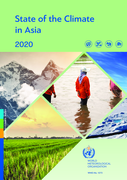
English Analysis on World and 26 other countries about Agriculture, Climate Change and Environment, Drought, Epidemic and more; published on 26 Oct 2021 by WMO