Filter
1857
Filtered Results: 1857
Text search:
World
Health
Organization,
Regional
Office
South-East
Asia
Featured
Recommendations
177
New Publications
482
Language
Document type
No document type
903
Studies & Reports
434
Guidelines
245
Manuals
109
Strategic & Response Plan
79
Training Material
26
Fact sheets
23
Situation Updates
18
Resource Platforms
11
Infographics
5
Brochures
2
Online Courses
2
Countries / Regions
Global
129
South–East Asia Region
73
India
72
Myanmar / Burma
71
Nepal
49
Asia
47
Bangladesh
35
Philippines
31
Western and Central Europe
29
Indonesia
28
Africa
24
Cambodia
22
Ethiopia
21
Kenya
17
Uganda
17
Thailand
14
Syria
14
Tanzania
14
Middle East and North Africa
14
Western Pacific Region
14
Liberia
13
South Africa
12
Ukraine
11
Eastern Europe
11
Pakistan
11
Ghana
10
Zambia
10
Afghanistan
9
Latin America and the Carribbean
9
West and Central Africa
9
Sierra Leone
8
Rwanda
8
Nigeria
8
Malawi
8
East and Southern Africa
8
Sri Lanka
8
China
7
Laos
7
Mozambique
7
Haiti
7
Congo, Democratic Republic of
7
Yemen
7
Russia
6
South Sudan
6
Senegal
5
Zimbabwe
5
Eastern Europe and Central Asia
5
Vietnam
5
Sudan
5
Somalia
5
Timor Leste/ East Timor
4
Turkey
4
Venezuela
4
Papua New Guinea
4
Moldova
4
North Macedonia
3
Iran
3
Burkina Faso
3
Guinea
3
Jordan
3
Georgia
3
Central African Republic
3
Eswatini/ Swaziland
3
Mexico
2
Kazakhstan
2
Cameroon
2
Albania
2
Malaysia
2
Belarus
2
Bosnia and Herzegovina
2
Lebanon
2
Namibia
2
Bhutan
2
Iraq
2
Tajikistan
1
North Korea
1
Colombia
1
Lesotho
1
Canada
1
Singapore
1
Kyrgyzstan
1
Peru
1
Morocco
1
Mongolia
1
Qatar
1
Armenia
1
USA
1
Guinea-Bissau
1
Croatia
1
Hungary
1
Saudi Arabia
1
Paraguay
1
Gabon
1
Turkmenistan
1
Japan
1
Belgium
1
Maldives
1
Tunisia
1
Argentina
1
Brazil
1
Djibouti
1
Egypt
1
Romania
1
Greece
1
Palestine
1
Poland
1
Mali
1
Angola
1
Chad
1
Botswana
1
Ecuador
1
Madagascar
1
Authors & Publishers
Publication Years
Category
Countries
466
Clinical Guidelines
189
Key Resources
134
Public Health
132
Women & Child Health
132
Capacity Building
39
Pharmacy & Technologies
21
Toolboxes
HIV
187
Mental Health
144
COVID-19
129
Planetary Health
117
TB
89
NTDs
78
AMR
63
Global Health Education
60
Disability
56
Rapid Response
51
Refugee
46
Caregiver
45
NCDs
37
Health Financing Toolbox
35
Natural Hazards
34
Conflict
31
Malaria
30
2.0 Rapid Response
29
Pharmacy
20
Zika
20
Ebola & Marburg
16
Cholera
13
Polio
12
Specific Hazards
9
Typhoon
3
Social Ethics
1

Thirty years ago, the United Nations General Assembly adopted the Convention on the Rights of the Child at a moment of rapid global change marked by the end of apartheid, the fall of the Berlin Wall and the birth of the World Wide Web. These developments and more brought momentous and lasting evolut...
The transformation of the humanitarian landscape has already made a significant impact on the operational security of INGOs and other humanitarian actors. This report serves to inform strategic policy priorities and approaches to security planning and coordination, and addresses three main questions...

Cardiovascular diseases, principally ischemic heart disease (IHD), are the most important cause of death and disability in the majority of low- and lower-middle-income countries (LLMICs). In these countries, IHD mortality rates are significantly greater in individuals of a low socioeconomic status (...
Background
Cardiovascular diseases (CVDs) are one of the global leading causes of concern due to the rising prevalence and consequence of mortality and disability with a heavy economic burden. The objective of the current study was to analyze the trend in CVD incidence, mortality, and mortality-to-...
Disability-inclusive development policy and practice is constantly changing and evolving. It is a foundational part of our work in CBM, underpinning all that we do. It requires us to be constantly reflecting, learning and improving our practice. In particular looking to the deeper questions: of the ...
Experience from Save the Children and partners globally
demonstrates that improvements in education quality go hand-in-hand
with inclusion and access, Flexible, quality, responsive learning
environments will benefit all children and are fundamental to including
marginalised groups like disabled ...
The article "Time to Align: Development Cooperation for the Prevention and Control of Non-Communicable Diseases" argues for greater international cooperation and investment in addressing non-communicable diseases (NCDs), especially in low- and middle-income countries. Traditionally, global health fu...
This paper introduces a new dataset of official financing—including foreign aid and other forms of concessional and non-concessional state financing—from China to 138 countries between 2000 and 2014. We use these data to investigate whether and to what extent Chinese aid affects economic growth ...
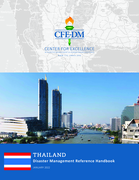
Thailand is exposed to flooding, landslides, drought, earthquakes, tsunamis, heat waves, forest fires, and epidemics. Thailand is also exposed to technological hazards such as chemical accidents. Flooding is the natural hazard with the most significant impact on human life, livelihoods, and the econ...
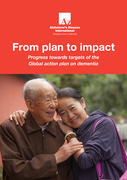
Progress towards targets of the Global action plan on dementia