
Filter
2090
Text search:
School
Related
Gender
Based
Violence
Featured
168
623
Language
2054
53
38
34
23
10
9
4
4
3
3
3
3
3
2
2
2
2
2
2
2
2
2
2
2
2
2
1
1
1
1
1
1
1
1
1
1
1
1
1
1
1
1
1
1
1
Document type
1251
384
170
99
95
35
24
21
2
2
2
2
1
Countries / Regions
80
78
77
66
59
55
47
45
45
41
40
40
38
37
33
32
32
29
27
26
23
23
22
21
20
20
17
16
16
16
15
15
15
13
13
12
12
11
10
10
10
9
9
9
8
8
8
7
7
7
7
6
6
6
6
5
5
5
5
5
4
4
4
4
4
4
4
3
3
3
3
3
3
3
3
2
2
2
2
2
2
2
1
1
1
1
1
1
1
1
1
1
1
1
1
1
1
1
1
1
1
1
1
1
Authors & Publishers
154
86
80
65
58
49
38
29
27
26
25
24
24
23
22
18
18
18
17
17
15
13
13
12
11
11
11
11
11
10
10
10
10
10
9
9
9
8
8
8
8
8
8
7
7
7
7
7
6
6
6
6
6
6
6
6
5
5
5
5
5
5
5
5
5
5
5
5
5
5
5
5
5
5
5
4
4
4
4
4
4
4
4
4
4
4
4
4
4
4
4
3
3
3
3
3
3
3
3
3
3
3
3
3
3
3
3
3
3
3
3
3
3
3
3
3
3
3
3
3
3
3
3
3
3
3
3
3
3
3
3
3
3
3
3
2
2
2
2
2
2
2
2
2
2
2
2
2
2
2
2
2
2
2
2
2
2
2
2
2
2
2
2
2
2
2
2
2
2
2
2
2
2
2
2
2
2
2
2
2
2
2
2
2
2
2
2
2
2
2
2
2
2
2
2
2
2
2
2
2
2
2
2
2
2
2
2
2
2
2
2
2
2
2
2
2
2
2
2
2
2
2
2
2
2
2
2
2
2
2
2
2
2
2
2
2
2
2
2
2
2
2
2
2
2
2
2
2
2
2
2
2
2
2
2
2
2
2
2
2
2
2
2
2
2
2
2
2
2
2
2
2
2
2
2
2
2
2
2
1
1
1
1
1
1
1
1
1
1
1
1
1
1
1
1
1
1
1
1
1
1
1
1
1
1
1
1
1
1
1
1
1
1
1
1
1
1
1
1
1
1
1
1
1
1
1
1
1
1
1
1
1
1
1
1
1
1
1
1
1
1
1
1
1
1
1
1
1
1
1
1
1
1
1
1
1
1
1
1
1
1
1
1
1
1
1
1
1
1
1
1
1
1
1
1
1
1
1
1
1
1
1
1
1
1
1
1
1
1
1
1
1
1
1
1
1
1
1
1
1
1
1
1
1
1
1
1
1
1
1
1
1
1
1
1
1
1
1
1
1
1
1
1
1
1
1
1
1
1
1
1
1
1
1
1
1
1
1
1
1
1
1
1
1
1
1
1
1
1
1
1
1
1
1
1
1
1
1
1
1
1
1
1
1
1
1
1
1
1
1
1
1
1
1
1
1
1
1
1
1
1
1
1
1
1
1
1
1
1
1
1
1
1
1
1
1
1
1
1
1
1
1
1
1
1
1
1
1
1
1
1
1
1
1
1
1
1
1
1
1
1
1
1
1
1
1
1
1
1
1
1
1
1
1
1
1
1
1
1
1
1
1
1
1
1
1
1
1
1
1
1
1
1
1
1
1
1
1
1
1
1
1
1
1
1
1
1
1
1
1
1
1
1
1
1
1
1
1
1
1
1
1
1
1
1
1
1
1
1
1
1
1
1
1
1
1
1
1
1
1
1
1
1
1
1
1
1
1
1
1
1
1
1
1
1
1
1
1
1
1
1
1
1
1
1
1
1
1
1
1
1
1
1
1
1
1
1
1
1
1
1
1
1
1
1
1
1
1
1
1
1
1
1
1
1
1
1
1
1
1
1
1
1
1
1
1
1
1
1
1
1
1
1
1
1
1
1
1
1
1
1
1
1
1
1
1
1
1
1
1
1
1
1
1
1
1
1
1
1
1
1
1
1
1
1
1
1
1
1
1
1
1
1
1
1
1
1
1
1
1
1
1
1
1
1
1
1
1
1
1
1
1
1
1
1
1
1
1
1
1
1
1
1
1
1
1
1
1
1
1
1
1
1
1
1
1
1
1
1
1
1
1
1
1
1
1
1
1
1
1
1
1
1
1
1
1
1
1
1
1
1
1
1
1
1
1
1
1
1
1
1
1
1
1
1
1
1
1
1
1
1
1
1
1
1
1
1
1
1
1
1
1
1
1
1
1
1
1
1
1
1
1
1
1
1
1
1
1
1
1
1
1
1
1
1
1
1
1
1
1
1
1
1
1
1
1
1
1
1
1
1
1
1
1
1
1
1
1
1
1
1
1
1
1
1
1
1
1
1
1
1
1
1
1
1
1
1
1
1
1
1
1
1
1
1
1
1
1
1
1
1
1
1
1
1
1
1
1
1
1
1
1
1
1
1
1
1
1
1
1
1
1
1
1
1
1
1
1
1
1
1
1
1
1
1
1
1
1
1
1
1
1
1
1
1
1
1
1
1
1
1
1
1
1
1
1
1
1
1
1
1
1
1
1
1
1
1
1
1
1
1
1
1
1
1
1
1
1
1
1
1
1
1
1
1
1
1
1
1
1
1
1
1
1
1
1
1
1
1
1
1
1
1
1
1
1
1
1
1
1
1
1
1
1
1
1
1
1
1
1
1
1
1
1
1
1
1
1
1
1
1
1
1
1
1
1
1
1
1
1
1
1
1
1
1
1
1
1
1
1
1
1
1
1
1
1
1
1
1
1
1
1
1
1
1
1
1
1
1
1
1
1
1
1
1
1
1
1
1
1
1
1
1
1
1
1
1
1
1
1
1
1
1
1
1
1
1
1
1
1
1
1
1
1
1
1
1
1
1
1
1
1
1
1
1
1
1
1
1
1
1
1
1
1
1
1
1
1
1
1
1
1
1
1
1
1
1
1
1
1
1
1
1
1
1
1
1
1
1
1
1
1
1
1
1
1
1
1
1
1
1
1
1
1
1
1
1
1
1
1
1
1
1
1
1
1
1
1
1
1
1
1
1
1
1
1
1
1
1
1
1
1
1
1
1
1
1
1
1
1
1
1
1
1
1
1
1
1
1
1
1
1
1
1
1
1
1
1
1
1
1
1
1
1
1
1
1
1
1
1
1
1
1
1
1
1
1
1
1
1
1
1
1
1
1
1
1
1
1
1
1
1
1
1
1
1
1
1
1
1
1
1
1
1
1
1
1
1
1
1
1
1
1
1
1
1
1
1
1
1
1
1
1
1
1
1
1
1
1
1
1
1
1
1
1
1
1
1
1
1
1
1
1
1
1
1
1
1
1
1
1
1
1
1
1
1
1
1
1
1
1
1
1
1
1
1
1
1
1
1
1
1
1
1
1
1
1
1
1
1
1
1
1
1
1
1
1
1
1
1
1
1
1
1
1
1
1
1
1
1
1
1
1
1
1
1
1
1
1
1
1
1
1
1
1
1
1
1
1
1
1
1
1
1
1
1
1
1
1
1
1
1
1
1
1
1
1
1
1
1
1
1
1
1
1
1
1
1
1
1
1
1
1
1
1
1
1
1
1
1
1
1
1
1
1
1
1
1
1
1
1
1
1
1
1
1
1
1
1
1
1
1
1
1
1
1
1
1
1
1
1
1
1
1
1
1
1
1
1
1
1
1
1
1
1
1
1
1
1
1
1
1
1
1
1
1
1
1
1
1
1
1
1
1
1
1
1
1
1
1
1
1
1
1
1
1
1
1
1
1
1
1
1
1
1
1
1
1
1
1
1
1
1
1
1
1
1
1
1
1
1
1
1
1
1
1
1
1
1
1
1
1
1
1
1
1
1
1
1
1
1
1
1
1
1
1
1
1
1
1
1
1
1
1
1
1
1
1
1
1
1
1
1
1
1
1
1
1
1
1
1
1
1
1
1
1
1
1
1
1
1
1
1
1
1
1
1
1
1
1
1
1
1
1
1
1
1
1
1
1
1
1
1
1
1
1
1
1
1
1
1
1
1
1
1
1
1
1
1
1
1
1
1
1
1
1
1
1
1
1
1
1
1
1
1
1
1
1
1
1
1
1
1
1
1
1
1
1
1
1
1
1
1
1
1
1
1
1
1
1
1
1
1
1
1
1
1
1
1
1
1
1
1
1
1
1
1
1
1
1
1
1
1
1
1
1
1
1
1
1
1
1
1
1
1
1
1
1
1
1
1
1
1
1
1
1
1
1
1
1
1
1
1
1
1
1
1
1
1
1
1
1
1
1
1
1
1
1
1
1
1
1
1
1
1
1
1
1
1
1
1
1
1
1
1
1
1
1
1
1
1
1
1
1
1
1
1
1
1
1
1
1
1
1
1
1
1
1
1
1
1
1
1
1
1
Publication Years
609
1316
161
4
Category
913
166
121
90
47
38
Toolboxes
259
173
170
163
134
85
50
43
37
33
30
20
17
10
8
8
5
5
5
4
3
3
2
2
1
1
1
There is a crucial need to initiate and sustain fistula programs that increase access and strengthen the capacity of the health care system to provide high quality services for repair and care of women living with female genital fistula. Therefore, it is important to pay particular attention to the
...
quality of training, and to proactively determine how this training fits into the health care system. Furthermore, the quality of training is improved by committing adequate resources to ensure competent trainers, able to train and follow-up their trainees. Women with genital fistulae, their families and the community need to have confidence in the health care system. It is therefore necessary to have pro-active discussions about the quality of training with relevant stakeholders. These fistula training guidelines and standards go towards harmonizing the training approach and to improving the quality of training and hence, service delivery.
more

Mozambique registered its first COVID-19 case on 22 March 2020 and since then numbers have steadily grown over the following three months with cases now reported in all provinces. In response, a level 3 State of emergency was enacted on 1 April 2020 and has been extended until 29 July 2020, with mea
...
sures targeting the prevention of COVID-19 transmissions.
more
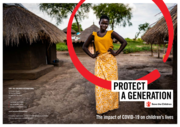
An estimated 99% of children worldwide – or more than 2.3 billion children – live in one of the 186 countries that have implemented some form of restrictions due to COVID-191. Although children are not at a high risk of direct harm from the virus, they are disproportionately affected by its hid
...
den impacts.
more
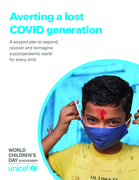
The report finds that, as of 3 November, in 87 countries with age-disaggregated data, children and adolescents under 20 years of age accounted for 1 in 9 of COVID-19 infections, or 11 per cent of the 25.7 million infections reported by these countries. More reliable, age-disaggregated data on infect
...
ion, deaths and testing is needed to better understand how the crisis impacts the most vulnerable children and guide the response
more
The purpose of this guide is to offer recommendations for improving the implementation of non‑pharmacological public health measures during the COVID-19 response and compliance with these measures by population groups in situations of vulnerability. This requires determining the main barriers to i
...
mplementing these measures so that we can identify the groups and territories most affected during the different phases of the pandemic. With this objective in mind––and within the framework of an equity, human rights, and diversity approach––, policies, strategies, and interventions to accompany the implementation and flexibilization of the measures are recommended to ensure that no one is left behind.
more
English Analysis on World about Disaster Management and Protection and Human Rights; published on 12 Jan 2021 by IFRC
This paper reviews the effects of vertical responses to COVID-19 on health systems, services, and people’s access to and use of them in LMICs, where historic and ongoing under-investments heighten vulnerability to a multiplicity of health threats. We use the term ‘vertical response’ to describ
...
e decisions, measures and actions taken solely with the purpose of preventing and containing COVID-19, often without adequate consideration of how this affects the wider health system and pre-existing resource constraints.
more
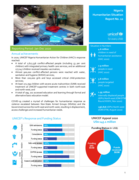

In the present report, the Special Rapporteur on the sale and sexual exploitation of children, including child prostitution, child pornography and other child sexual abuse material, Mama Fatima Singhateh, focuses on the impact of the coronavirus disease (COVID-19) p
...
andemic on increased risk and various manifestations of sale and sexual exploitation of children. The Special Rapporteur outlines the push and pull factors, protection challenges and good practices, and provides recommendations on measures to address the heightened risks of sale and sexual exploitation of children, both online and offline, during and in the aftermath of the COVID-19 crisis and the ensuing lockdowns.
more
Food and nutrition security in the Democratic Republic of the Congo is subject to the relentless impact of conflict, epidemics and climate events that have persisted in the country for decades, further compounded by the global COVID-19 pandemic. Lack of infrastructure and investment in agriculture,
...
health and human capital development combine to impede progress towards the achievement of Sustainable Development Goals 2 and 17. While there are several legal instruments and policies that promote food and nutrition security, poor coordination, weak national capacity and exponential population growth present serious obstacles to the achievement of zero hunger. Political instability and siloed sectoral responses to humanitarian and development needs have also affected results to date.
more
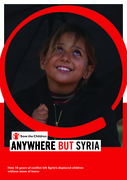
Anywhere But Syria: How 10 Years of Conflict Left Syria’s Displaced Children Without a Sense of Home
After ten years of war, the vast majority of Syria’s children cannot imagine a future in their country, according to a new report by Save the Children. On average, 86% of Syrian refugee children surveyed in Jordan, Lebanon, Turkey and the Netherlands said they would not want to return to their cou
...
ntry of origin. Of children displaced inside Syria, one in three would rather be living in another country. Children who fled their homes are struggling to feel safe where they are now, as around two in five children of those surveyed by Save the Children said they face discrimination and a lack of education. Many feel they have no say over their future.
more
New funding requirements: CHF 2.8 billion IFRC-wide of which CHF 670 million is channelled through the IFRC Emergency Appeal in support of National Societies
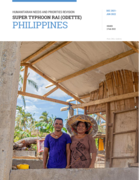
The COVID-19 pandemic has put significant pressure on health systems all around the world. The drastic measures established to contain its spread are creating serious impediments to economic activity (including agrifood systems) and, consequently, to livelihoods and food security and nutrition.
New displacements by conflict and disasters in 2020


Self-care interventions are among the most promising and exciting new approaches to improve health and well-being, both from a health systems perspective and for people who use these interventions.
The World Health Organization (WHO) uses the following working definition of self-care: Self-care i
...
s the ability of individuals, families and communities to promote health, prevent disease, maintain health, and cope with illness and disability with or without the support of a health worker. The scope of self-care as described in this definition includes health promotion; disease prevention and control; self-medication; providing care to dependent persons; seeking hospital/specialist/primary care if necessary; and rehabilitation, including palliative care. It includes a range of self-care modes and approaches. While this is a broad definition that includes many activities, it is important for health policy to recognize the importance of self-care, especially where it intersects with health systems and health professionals.
more
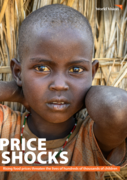
Conflict, climate change, the COVID-19 pandemic, and the economic effects of the Ukraine crisis are interacting to create new and worsen existing hunger hotspots, reversing the gains families had made to escape poverty.
