Filter
542
Text search:
vector
technology
Featured
62
144
Language
Document type
204
158
67
44
41
13
11
3
1
Countries
33
23
19
15
14
14
12
11
8
7
7
7
7
7
7
6
6
5
4
4
4
3
3
3
3
3
3
3
2
2
2
2
2
2
2
2
2
2
2
2
2
2
1
1
1
1
1
1
1
1
1
1
1
1
1
1
1
1
1
1
1
1
1
1
1
1
1
Authors & Publishers
Publication Years
Category
194
52
44
24
11
10
10
Toolboxes
76
66
37
28
25
21
21
16
14
10
9
8
7
6
5
4
3
3
2
2
2
1
1
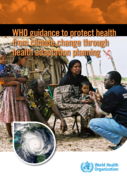
This guidance document is designed to ensure that the process of iteratively managing the health risks of climate change is integrated into the overall National Adaptation Planning (NAP) process, including through assessing risks; identifying, prioritizing, and implementing adaptation options; and m
...
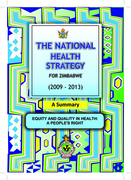
Equity and Quality in Health: a People's Right
Kenya Policy: 2014-2030
recommended
Towards attaining the highest standard Health.
Accessed 10 April 2015

Technical Guidelines for Integrated Disease Surveillance and Response in the African Region
recommended
3rd edition.
The third edition of the Integrated Disease Surveillance and Response (IDSR) Technical Guidelines was prepared by the WHO Health Emergencies (WHE) Programme with the active participation and involvement of programmes dealing with disease surveillance at the WHO Regional Office for Afri
...
Strengthening health-system emergency preparedness.
Early detection, assessment and response to acute public health events:
The guideline elaborates on the prevention and control strategy developed by the South-East Asia Regional Office of WHO, which consists of six key components.

What are the common health problems of refugees and migrants arriving in the European Region?
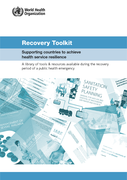
A key purpose of the Recovery Toolkit is to support countries in the reactivation of health services which may have suffered as a result of the emergency. These services include ongoing programmes such as immunization and vaccinations, maternal and child health services, and noncommunicable diseases
...