
Filter
2256
Text search:
socioeconomic
factors
Featured
187
571
Language
2213
54
48
33
23
16
13
4
4
1
1
1
1
1
1
1
Document type
1154
592
199
127
115
30
19
9
4
2
2
1
1
Countries
147
86
65
52
49
48
46
41
38
38
37
35
35
34
33
33
31
31
29
29
26
20
20
20
20
19
17
16
15
15
15
14
13
11
10
10
10
9
9
8
8
8
7
7
7
6
6
6
6
6
6
6
6
5
5
5
5
5
5
5
4
4
4
3
3
3
3
3
3
2
2
2
2
2
2
2
2
2
2
2
2
2
2
2
2
2
2
2
2
1
1
1
1
1
1
1
1
1
1
1
1
1
1
1
1
1
1
1
1
1
1
1
1
1
1
1
Authors & Publishers
319
107
95
72
65
30
28
28
26
25
22
21
19
15
14
14
13
13
12
11
11
10
10
9
9
9
8
8
8
7
7
7
7
6
6
6
6
6
6
6
6
6
5
5
5
5
5
5
5
5
5
5
5
4
4
4
4
4
4
4
4
4
4
4
4
4
4
4
4
4
4
4
4
4
4
4
4
3
3
3
3
3
3
3
3
3
3
3
3
3
3
3
3
3
3
3
3
3
3
3
3
3
3
3
3
3
3
3
3
3
3
3
3
3
3
3
3
3
3
3
3
3
3
3
3
3
3
3
3
3
3
3
3
3
3
3
3
3
2
2
2
2
2
2
2
2
2
2
2
2
2
2
2
2
2
2
2
2
2
2
2
2
2
2
2
2
2
2
2
2
2
2
2
2
2
2
2
2
2
2
2
2
2
2
2
2
2
2
2
2
2
2
2
2
2
2
2
2
2
2
2
2
2
2
2
2
2
2
2
2
2
2
2
2
2
2
2
2
2
2
2
2
2
2
2
2
2
2
2
2
2
2
2
2
2
2
2
2
2
2
2
2
2
2
2
2
2
2
2
2
2
2
2
2
2
2
2
2
2
2
2
2
2
2
2
2
2
2
2
2
2
2
2
2
2
2
2
2
2
2
2
2
2
1
1
1
1
1
1
1
1
1
1
1
1
1
1
1
1
1
1
1
1
1
1
1
1
1
1
1
1
1
1
1
1
1
1
1
1
1
1
1
1
1
1
1
1
1
1
1
1
1
1
1
1
1
1
1
1
1
1
1
1
1
1
1
1
1
1
1
1
1
1
1
1
1
1
1
1
1
1
1
1
1
1
1
1
1
1
1
1
1
1
1
1
1
1
1
1
1
1
1
1
1
1
1
1
1
1
1
1
1
1
1
1
1
1
1
1
1
1
1
1
1
1
1
1
1
1
1
1
1
1
1
1
1
1
1
1
1
1
1
1
1
1
1
1
1
1
1
1
1
1
1
1
1
1
1
1
1
1
1
1
1
1
1
1
1
1
1
1
1
1
1
1
1
1
1
1
1
1
1
1
1
1
1
1
1
1
1
1
1
1
1
1
1
1
1
1
1
1
1
1
1
1
1
1
1
1
1
1
1
1
1
1
1
1
1
1
1
1
1
1
1
1
1
1
1
1
1
1
1
1
1
1
1
1
1
1
1
1
1
1
1
1
1
1
1
1
1
1
1
1
1
1
1
1
1
1
1
1
1
1
1
1
1
1
1
1
1
1
1
1
1
1
1
1
1
1
1
1
1
1
1
1
1
1
1
1
1
1
1
1
1
1
1
1
1
1
1
1
1
1
1
1
1
1
1
1
1
1
1
1
1
1
1
1
1
1
1
1
1
1
1
1
1
1
1
1
1
1
1
1
1
1
1
1
1
1
1
1
1
1
1
1
1
1
1
1
1
1
1
1
1
1
1
1
1
1
1
1
1
1
1
1
1
1
1
1
1
1
1
1
1
1
1
1
1
1
1
1
1
1
1
1
1
1
1
1
1
1
1
1
1
1
1
1
1
1
1
1
1
1
1
1
1
1
1
1
1
1
1
1
1
1
1
1
1
1
1
1
1
1
1
1
1
1
1
1
1
1
1
1
1
1
1
1
1
1
1
1
1
1
1
1
1
1
1
1
1
1
1
1
1
1
1
1
1
1
1
1
1
1
1
1
1
1
1
1
1
1
1
1
1
1
1
1
1
1
1
1
1
1
1
1
1
1
1
1
1
1
1
1
1
1
1
1
1
1
1
1
1
1
1
1
1
1
1
1
1
1
1
1
1
1
1
1
1
1
1
1
1
1
1
1
1
1
1
1
1
1
1
1
1
1
1
1
1
1
1
1
1
1
1
1
1
1
1
1
1
1
1
1
1
1
1
1
1
1
1
1
1
1
1
1
1
1
1
1
1
1
1
1
1
1
1
1
1
1
1
1
1
1
1
1
1
1
1
1
1
1
1
1
1
1
1
1
1
1
1
1
1
1
1
1
1
1
1
1
1
1
1
1
1
1
1
1
1
1
1
1
1
1
1
1
1
1
1
1
1
1
1
1
1
1
1
1
1
1
1
1
1
1
1
1
1
1
1
1
1
1
1
1
1
1
1
1
1
1
1
1
1
1
1
1
1
1
1
1
1
1
1
1
1
1
1
1
1
1
1
1
1
1
1
1
1
1
1
1
1
1
1
1
1
1
1
1
1
1
1
1
1
1
1
1
1
1
1
1
1
1
1
1
1
1
1
1
1
1
1
1
1
1
1
1
1
1
1
1
1
1
1
1
1
1
1
1
1
1
1
1
1
1
1
1
1
1
1
1
1
1
1
1
1
1
1
1
1
1
1
1
1
1
1
1
1
1
1
1
1
1
1
1
1
1
1
1
1
1
1
1
1
1
1
1
1
1
1
1
1
1
1
1
1
1
1
1
1
1
1
1
1
1
1
1
1
1
1
1
1
1
1
1
1
1
1
1
1
1
1
1
1
1
1
1
1
1
1
1
1
1
1
1
1
1
1
1
1
1
1
1
1
1
1
1
1
1
1
1
1
1
1
1
1
1
1
1
1
1
1
1
1
1
1
1
1
1
1
1
1
1
1
1
1
1
1
1
1
1
1
1
1
1
1
1
1
1
1
1
1
1
1
1
1
1
1
1
1
1
1
1
1
1
1
1
1
1
1
1
1
1
1
1
1
1
1
1
1
1
1
1
1
1
1
1
1
1
1
1
1
1
1
1
1
1
1
1
1
1
1
1
1
1
1
1
1
1
1
1
1
1
1
1
1
1
1
1
1
1
1
1
1
1
1
1
1
1
1
1
1
1
1
1
1
1
1
1
1
1
1
1
1
1
1
1
1
1
1
1
1
1
1
1
1
1
1
1
1
1
1
1
1
1
1
1
1
1
1
1
1
1
1
1
1
1
1
1
1
1
1
1
1
1
1
1
1
1
1
1
1
1
1
1
1
1
1
1
1
1
1
1
1
1
1
1
1
1
1
1
1
1
1
1
1
1
1
1
1
1
1
1
1
1
1
1
1
1
1
1
1
1
1
1
1
1
1
1
1
1
1
1
1
1
1
1
1
1
1
1
1
1
1
1
1
1
1
1
1
1
1
1
1
1
1
1
1
1
1
1
1
1
1
1
1
1
1
1
1
1
1
1
1
1
1
1
1
1
1
1
1
1
1
1
1
1
1
1
1
1
1
1
1
1
1
1
1
1
1
1
1
1
1
1
1
1
1
1
1
1
1
1
1
1
1
1
1
1
1
1
1
1
1
1
1
1
1
1
1
1
1
1
1
1
1
1
1
1
1
1
1
1
1
1
1
1
1
1
1
1
1
1
1
1
1
1
1
1
1
1
1
1
1
1
1
1
1
1
1
1
1
1
1
1
1
1
1
1
1
1
1
1
1
1
1
1
1
1
1
1
1
1
1
1
1
1
1
1
1
1
1
1
1
1
1
1
1
1
1
1
1
1
1
1
1
1
1
1
1
1
1
1
1
1
1
1
1
1
1
1
1
1
1
1
1
1
1
1
1
1
1
1
1
1
1
1
1
1
1
1
1
1
1
1
1
1
1
1
1
1
1
1
1
1
1
1
1
1
1
1
1
1
1
1
1
1
1
1
1
1
1
1
1
1
1
1
1
1
1
1
1
1
1
1
1
1
1
1
1
1
1
1
1
1
1
1
1
1
1
1
1
1
1
1
1
1
1
1
1
1
1
1
1
1
1
1
1
1
1
1
1
1
1
1
1
1
1
1
1
1
1
1
1
1
1
1
1
1
1
1
1
1
1
1
1
1
1
1
1
1
1
1
1
1
1
1
1
1
1
1
1
1
1
1
1
1
1
1
1
1
1
1
1
1
1
1
1
1
1
1
1
1
1
1
1
1
1
1
1
1
1
1
1
1
1
1
1
1
1
1
1
1
1
1
1
1
1
1
1
1
1
1
1
1
1
1
1
1
1
1
1
1
1
1
1
1
1
1
1
1
1
1
1
1
1
1
1
1
1
1
1
1
1
1
1
1
1
1
1
1
1
1
1
1
1
1
1
1
1
1
1
1
1
1
1
1
1
1
1
1
1
1
1
1
1
1
1
1
1
1
1
1
1
1
1
1
1
1
1
1
1
1
1
1
1
1
1
1
1
1
1
1
1
1
1
1
1
1
1
1
1
1
1
1
1
1
1
1
1
1
1
1
1
1
1
1
1
1
1
1
1
1
1
1
1
1
1
1
1
1
1
1
1
1
1
1
1
1
1
1
1
1
1
1
1
1
1
1
1
1
1
1
1
1
1
1
1
1
1
1
1
1
1
1
1
1
1
1
1
1
1
1
1
1
1
1
1
1
1
1
1
1
1
1
1
1
1
1
1
1
1
1
1
1
1
1
1
1
1
1
1
1
1
1
1
1
1
1
1
1
1
1
1
1
1
1
1
1
1
1
1
1
1
1
1
1
1
1
1
1
1
1
1
1
1
1
1
1
1
1
1
1
1
1
1
1
1
1
1
1
1
1
1
1
1
1
1
1
1
1
1
1
1
1
1
1
1
1
1
1
1
1
1
1
1
1
1
1
1
1
1
1
1
1
1
1
1
1
1
1
1
1
1
1
1
1
1
1
1
1
1
1
1
1
1
1
1
1
1
1
1
1
1
1
1
1
1
1
1
1
1
1
1
1
1
1
1
1
1
1
1
1
1
1
1
1
1
1
1
1
1
1
1
1
1
1
1
1
1
1
1
1
1
1
1
1
1
1
1
1
1
1
1
1
1
1
1
1
1
1
1
1
1
1
1
1
1
1
1
1
1
1
1
1
1
1
1
1
1
1
1
1
1
1
1
1
1
1
1
1
1
1
1
1
1
1
1
1
1
1
1
1
1
1
1
1
1
1
1
1
1
1
1
1
1
1
1
1
1
1
1
1
1
1
1
1
1
1
1
1
1
1
1
1
1
1
1
1
1
1
1
1
1
1
1
1
Publication Years
741
1345
164
5
1
Category
849
205
136
114
107
32
8
Toolboxes
226
185
142
125
110
95
74
70
54
53
51
46
35
32
32
29
28
19
16
10
10
8
7
4
3
Noncommunicable diseases (NCDs) such as cancer, cardiovascular diseases, diabetes and chronic respiratory diseases and their risk factors are an increasing public health and development challenge in Turkey. This report provides evidence through thre
...
e analyses that NCDs reduce economic output, and discusses potential options in response, outlining details of their relative returns on investment. An economic burden analysis shows that economic losses from NCDs are equivalent to 3.6% of gross domestic product. An intervention costing analysis provides an estimate of the funding required to implement a set of policy interventions for prevention and clinical interventions. A cost–benefit analysis compares these implementation costs with the estimated health gains and identifies which policy packages would give the greatest returns on investment.
more
In the present report, the Special Rapporteur on the sale and sexual exploitation of children, including child prostitution, child pornography and other child sexual abuse material, Mama Fatima Singhateh, focuses on the impact of the coronavirus disease (COVID-19) p
...
andemic on increased risk and various manifestations of sale and sexual exploitation of children. The Special Rapporteur outlines the push and pull factors, protection challenges and good practices, and provides recommendations on measures to address the heightened risks of sale and sexual exploitation of children, both online and offline, during and in the aftermath of the COVID-19 crisis and the ensuing lockdowns.
more
When situations occur in which unwanted events are rightly or wrongly connected with vaccination, they may erode confidence in vaccines and the authorities delivering them. This document presents the scientific evidence behind WHO’s recommendations on building and restoring confidence in vaccines
...
and vaccination, both in ongoing work and during crises. The evidence draws on a vast reserve of laboratory research and fieldwork within psychology and communication. It examines how people make decisions about vaccination; why some people are hesitant about vaccination; and the factors that drive a crisis, covering how building trust, listening to and understanding people, building relations, communicating risk and shaping messages to the audiences may mitigate crises. This document provides a knowledge base for stakeholders who develop communication strategies or facilitate workshops on communication and trust-building activities in relation to vaccines and immunization, such as immunization programme units, ministries of health, public relations and health promotion units, vaccine safety communication trainers and immunization advisory bodies.
more
Current Environmental Health Reports volume 7, pages 363–370 (2020)
Climate change has direct impacts on human health, but those impacts vary widely by location. Local health impacts depend on a large number of factors including specific regional
...
climate impacts, demographics and human vulnerabilities, and existing local adaptation capacity. There is a need to incorporate local data and concerns into climate adaptation plans and evaluate different approaches.
more
Dengue is a mosquito-borne viral disease that occurs mainly in the tropics and subtropics but has a high potential to spread to new areas. Dengue infections are climate sensitive, so it is important to better understand how changing climate factors
...
affect the potential for geographic spread and future dengue epidemics. Vectorial capacity (VC) describes a vector's propensity to transmit dengue taking into account human, virus, and vector interactions. VC is highly temperature dependent, but most dengue models only take mean temperature values into account. Recent evidence shows that diurnal temperature range (DTR) plays an important role in influencing the behavior of the primary dengue vector Aedes aegypti. In this study, we used relative VC to estimate dengue epidemic potential (DEP) based on the temperature and DTR dependence of the parameters of A. aegypti. We found a strong temperature dependence of DEP; it peaked at a mean temperature of 29.3°C when DTR was 0°C and at 20°C when DTR was 20°C. Increasing average temperatures up to 29°C led to an increased DEP, but temperatures above 29°C reduced DEP. In tropical areas where the mean temperatures are close to 29°C, a small DTR increased DEP while a large DTR reduced it. In cold to temperate or extremely hot climates where the mean temperatures are far from 29°C, increasing DTR was associated with increasing DEP. Incorporating these findings using historical and predicted temperature and DTR over a two hundred year period (1901-2099), we found an increasing trend of global DEP in temperate regions. Small increases in DEP were observed over the last 100 years and large increases are expected by the end of this century in temperate Northern Hemisphere regions using climate change projections. These findings illustrate the importance of including DTR when mapping DEP based on VC.
more

The COVID-19 HEalth caRe wOrkErs Study (HEROES): Regional Report from the Americas is a multicenter prospective cohort study to assess the impact of the COVID-19 pandemic on the mental health of health care workers in 26 countries on four continents and how it is affected by several
...
factors at different interrelated levels: individual, family, occupational, and social. This brief report presents the evidence generated from the baseline survey of 11 participating countries in the Region of the Americas. Using validated scales, the findings show high rates of depressive symptoms, suicidal ideation, and psychological distress in several countries of the Region. The spirit of the project is not only to generate quality scientific evidence on the mental health of health care workers, but also to help develop interventions (both individual and institutional) and policies to address the negative impacts of the COVID-19 pandemic on mental health.
more
Obesity and diet-related noncommunicable diseases (NCDs) have been steadily increasing globally, and with them, a pressing need to implement effective responses to address the contributing factors. Among the available evidence-based policy options t
...
hat enable healthier choices and improved diets is the implementation of taxes on sugar-sweetened beverages (SSBs).
This tax manual is a practical guide for policy-makers and others involved in SSB tax policy development to promote healthy diets and populations. It features summaries and case studies of SSB global taxation evidence, and provides support on the policy-cycle development process to implement SSB taxation — from problem identification and situation analysis through policy design, development and implementation to the monitoring and evaluation phase. Additionally, the manual identifies and debunks industry tactics designed to dissuade policy-makers from implementing these taxes.
SSB taxes can be a win-win-win strategy: a win for public health (and averted health-care costs), a win for government revenue, and a win for health equity.
more
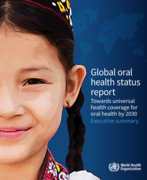
The executive summary of the WHO Global oral health status report presents a snapshot of the most recent data on major oral diseases, risk factors, health system challenges and opportunities for reform. The report’s clear conclusion is that the st
...
atus of global oral health is alarming and requires urgent action. The report will serve as a reference for policy-makers and an orientation for a wide range of stakeholders across different sectors to guide advocacy towards better prioritization of oral health in global, regional and national contexts. In addition, the report provides, as a separate online resource, the first-ever country oral health profiles for all 194 WHO Member States, giving unique insights into key areas and markers of oral health that are relevant for decision-makers.
more

In 2015, the United Nations set important targets to reduce premature
cardiovascular disease (CVD) deaths by 33% by 2030. Africa disproportionately
bears the brunt of CVD burden and has one of the highest risks of dying
from non-communicable diseases (NCDs) worldwide. There is currently
an epide
...
miological transition on the continent, where NCDs is projected
to outpace communicable diseases within the current decade. Unchecked
increases in CVD risk factors have contributed to the growing burden of three
major CVDs—hypertension, cardiomyopathies, and atherosclerotic diseasesleading to devastating rates of stroke and heart failure. The highest age
standardized disability-adjusted life years (DALYs) due to hypertensive heart
disease (HHD) were recorded in Africa. The contributory causes of heart failure
are changing—whilst HHD and cardiomyopathies still dominate, ischemic
heart disease is rapidly becoming a significant contributor, whilst rheumatic
heart disease (RHD) has shown a gradual decline. In a continent where health
systems are traditionally geared toward addressing communicable diseases,
several gaps exist to adequately meet the growing demand imposed by CVDs.
Among these, high-quality research to inform interventions, underfunded
health systems with high out-of-pocket costs, limited accessibility and
affordability of essential medicines, CVD preventive services, and skill
shortages. Overall, the African continent progress toward a third reduction
in premature mortality come 2030 is lagging behind. More can be done in
the arena of effective policy implementation for risk factor reduction and
CVD prevention, increasing health financing and focusing on strengthening
primary health care services for prevention and treatment of CVDs, whilst
ensuring availability and affordability of quality medicines. Further, investing
in systematic country data collection and research outputs will improve the accuracy of the burden of disease data and inform policy adoption on
interventions. This review summarizes the current CVD burden, important
gaps in cardiovascular medicine in Africa, and further highlights priority
areas where efforts could be intensified in the next decade with potential
to improve the current rate of progress toward achieving a 33% reduction
in CVD mortality.
more

The document "Global Report on Diabetes" by the World Health Organization (WHO) provides an in-depth analysis of diabetes as a global health challenge. It covers the rising prevalence of the disease, the associated risk factors, and the increasing b
...
urden on healthcare systems, particularly in low- and middle-income countries. The report discusses strategies for preventing Type 2 diabetes, managing diabetes effectively, and reducing complications through integrated healthcare approaches. It emphasizes the need for global action, national policies, and collaboration across sectors to address diabetes and improve health outcomes worldwide.
more
Air pollution is a major environmental risk factor and contributor to chronic, noncommunicable diseases (NCDs). However, most public health approaches to NCD prevention focus on behavioural and biomedical risk factors, rather than environmental risk
...
factors such as air pollution. This article discusses the implications of such a focus. It then outlines the opportunities for those in public health and environmental science to work together across three key areas to address air pollution, NCDs and climate change: (a) acknowledging the shared drivers, including corporate determinants; (b) taking a ‘co-benefits’ approach to NCD prevention; and (c) expanding prevention research and evaluation methods through investing in systems thinking and intersectoral, cross-disciplinary collaborations.
more
There is paucity of data on the burden and specific drivers operative in the pathogenesis of chronic obstructive pulmonary disease (COPD) in the African setting and populations. Lack of awareness and inadequate knowledge on the aetio-pathogenesis of the disease together with inadequate capacity for
...
COPD care contributes to preventive and management challenges. Thus, the majority of patients with COPD are misdiagnosed, misclassified and mismanaged or undertreated. With the struggling improvement in the quality of healthcare in Africa, studies conducted over the last 10 years indicates the rising trends in both the risk factors and the burden of COPD. The role of new risk factors such as indoor pollution, infections with human immunodeficiency virus (HIV) and pulmonary tuberculosis (TB), in the pathogenesis of COPD in Africa is increasingly being recognized. This literature review attempts to collect and synthesize information that could be useful in improving COPD care and informing the governments to take appropriate actions for prevention, diagnosis and management of COPD in Africa.
more

This publication provides an overview of evidence and guidance on the growing challenge of workplace heat stress in the context of climate change. It highlights the health and productivity risks faced by billions of workers, especially in manual labor sectors. The report details the physiological,
...
socioeconomic, and mental health impacts of heat stress and outlines evidence-based strategies for prevention and mitigation. It emphasizes the need for occupational heat action programmes, stakeholder collaboration, and tailored interventions to protect vulnerable workers, reduce productivity losses, and support sustainable development in a warming world.
more

WHO’s Country Cooperation Strategy (CCS) defines the Organization’s medium-term vision for working in and with a particular country. The CCS, developed in the context of global and national health priorities, examines the overall health situation in a country, including the state of the health s
...
ector, socioeconomic status and the major health determinants.
This CCS sets out WHO’s strategic framework for collaboration with the Syrian Arab Republic, from June 2022 until June 2025, in light of the 12 years of crisis that have had a devastating impact on the health sector and infrastructure of basic services. It carefully considers the current and projected issues during its transition from continued humanitarian assistance to recovery, resilience and development. The consolidation of health policies and strategies and health system strengthening, based on the strengthening of primary health care (PHC), aims to contribute to the achievement of national and global development and health goals and the targets of the SDGs.
more
Asthma is the most common chronic disease in children, imposing a consistent burden on health system. In recent years, prevalence of asthma symptoms became globally increased in children and adolescents, particularly in Low-Middle Income Countries (LMICs). Host (genetics, atopy) and environmental
...
factors (microbial exposure, exposure to passive smoking and air pollution), seemed to contribute to this trend. The increased prevalence observed in metropolitan areas with respect to rural ones and, overall, in industrialized countries, highlighted the role of air pollution in asthma inception. Asthma accounts for 1.1% of the overall global estimate of “Disability-adjusted life years” (DALYs)/100,000 for all causes. Mortality in children is low and it decreased across Europe over recent years. Children from LMICs particularly suffer a disproportionately higher burden in terms of morbidity and mortality. Global asthma-related costs are high and are usually are classified into direct, indirect and intangible costs. Direct costs account for 50–80% of the total costs. Asthma is one of the main causes of hospitalization which are particularly common in children aged < 5 years with a prevalence that has been increased during the last two decades, mostly in LMICs. Indirect costs are usually higher than in older patients, including both school and work-related losses. Intangible costs are unquantifiable, since they are related to impairment of quality of life, limitation of physical activities and study performance. The implementation of strategies aimed at early detect asthma thus providing access to the proper treatment has been shown to effectively reduce the burden of the disease.
more

An estimated 1.3 billion people globally experience significant disability. This figure has grown over the last decade and will continue to rise due to demographic and epidemiological changes. In 2022, the World Health Organization launched the Global report on health equity for persons with disabil
...
ities. This report demonstrated that many persons with disabilities are still being left behind. Experiencing persistent health inequities, persons with disabilities die earlier, they have poorer health and functioning, and they are more affected by health emergencies than the general population. These differences are largely associated with unjust factors both inside and beyond the health sector and are avoidable. The Global Report called upon Member States to take actions to make health sector more inclusive for persons with disabilities through the primary health care approach. This will be essential for countries to make health coverage truly universal and to progress towards other health-related targets in the sustainable development goals.
more
The World Health Organization and the Global Fund to Fight AIDS, Tuberculosis and Malaria are part of a group of agencies working together to accelerate progress towards the health-related SDGs through the Global Action Plan for Healthy Lives and Well-being for All. Understanding patterns of inequal
...
ities in these diseases is essential for taking strategic, evidence-informed action to realize our shared vision of ending the epidemics of HIV, TB and malaria.
This report presents the first comprehensive analysis of the magnitude and patterns of socioeconomic, demographic and geographic inequalities in disease burden and access to services for prevention and treatment.
The results confirm there have been improvements in service coverage and decreased disease burden at the national level over the past decade. But they also reveal an uncomfortable reality: unfair inequalities between population subgroups within countries are widespread and have remained largely unchanged over the past decade. For some disease indicators, inequalities are even worsening.
Moreover, the report points to the persistent lack of available data to fully understand inequality patterns in HIV, TB and malaria. Collecting data to improve the monitoring of inequalities in these diseases is vital to develop targeted responses for impact.
There are, encouragingly, isolated successes in reducing inequities. Change is possible when deliberate action is taken to reach disadvantaged populations.
more
The "Global NCD action plan" provides a road map and a menu of policy options for countries to take in order to attain the 9 voluntary global targets, including that of a 25% relative reduction in premature mortality from cardiovascular diseases, cancer, diabetes or chronic respiratory diseases by 2
...
025. The main focus of this action plan is on 4 types of NCDs (cardiovascular diseases, cancer, chronic respiratory diseases, diabetes) which make the largest contribution to morbidity and mortality due to NCDs, and on 4 shared behavioural risk factors (tobacco use, unhealthy diet, physical inactivity, harmful use of alcohol).
more
This report is from the National study on living conditions among people
with disabilities carried out in Nepal in 2014-2015. The study was carried
out as a household survey with two-stage stratified sampling, including a screening/listing procedure using the Washington Group on Disability
Statis
...
tics 6 questions, one Household questionnaire administered to
households with (Case HHs) and without disabled members (Control
HHs), one Individual Case questionnaire administered to individuals who were found to qualify as being disabled in the screening (Case
individuals), and an Individual Control questionnaire administered to
matched non-disabled individuals in the Control HHs (Control individuals). The study covers a range of indicators on level of living, such as socioeconomic indicators, economic activity, income, ownership and infrastructure, health (including reproductive health), access to health information, access to services, education, access to information, social participation, and exposure to discrimination and abuse (see all
questionnaires in Appendix).
more
The substantial burden of death and disability that results from interpersonal violence, road traffic injuries, unintentional injuries, occupational health risks, air pollution, climate change, and inadequate water and sanitation falls disproportionally on low- and middle-income countries. Injury Pr
...
evention and Environmental Health addresses the risk factors and presents updated data on the burden, as well as economic analyses of platforms and packages for delivering cost-effective and feasible interventions in these settings. The volume's contributors demonstrate that implementation of a range of prevention strategies-presented in an essential package of interventions and policies-could achieve a convergence in death and disability rates that would avert more than 7.5 million deaths a year
more
