
Filter
2792
Text search:
clinical
advice
Featured
391
690
Language
2700
75
54
42
40
22
16
9
7
5
5
3
3
3
3
3
3
3
2
2
2
2
2
2
2
1
1
1
1
1
1
1
1
1
1
1
1
1
1
1
1
1
1
1
1
1
1
Document type
1396
585
324
213
87
74
71
14
10
6
5
4
1
1
1
Countries
190
116
75
71
70
65
57
55
55
50
41
41
38
34
32
31
29
29
26
22
22
22
22
22
20
19
17
16
16
15
15
13
12
12
12
11
11
11
10
9
9
9
9
8
8
8
7
7
7
6
6
6
5
5
5
5
5
4
4
4
3
3
3
3
3
3
3
3
3
3
3
2
2
2
2
2
2
2
2
2
2
2
2
2
2
2
2
1
1
1
1
1
1
1
1
1
1
1
1
1
1
1
1
1
1
1
1
1
1
1
1
1
1
1
1
1
1
1
1
1
Authors & Publishers
556
175
84
82
80
64
52
39
36
32
31
26
22
21
20
19
16
16
15
15
14
13
13
12
12
11
11
11
11
10
10
10
9
9
9
8
8
8
8
8
8
7
7
7
7
7
7
6
6
6
6
6
6
6
6
6
6
6
6
6
6
6
6
5
5
5
5
5
5
5
5
5
5
5
5
5
4
4
4
4
4
4
4
4
4
4
4
4
4
4
4
4
4
4
4
4
4
4
4
4
4
4
4
4
4
4
3
3
3
3
3
3
3
3
3
3
3
3
3
3
3
3
3
3
3
3
3
3
3
3
3
3
3
3
3
3
3
3
3
3
3
3
3
3
3
3
3
3
3
3
3
3
3
3
2
2
2
2
2
2
2
2
2
2
2
2
2
2
2
2
2
2
2
2
2
2
2
2
2
2
2
2
2
2
2
2
2
2
2
2
2
2
2
2
2
2
2
2
2
2
2
2
2
2
2
2
2
2
2
2
2
2
2
2
2
2
2
2
2
2
2
2
2
2
2
2
2
2
2
2
2
2
2
2
2
2
2
2
2
2
2
2
2
2
2
2
2
2
2
2
2
2
2
2
2
2
2
2
2
2
2
2
2
2
2
2
2
2
2
2
2
2
2
2
2
2
2
2
2
2
2
2
2
2
2
2
2
2
2
2
2
2
2
2
2
2
2
2
2
2
2
2
2
2
2
2
2
2
2
2
2
2
2
2
2
2
2
2
2
2
2
2
2
2
2
2
1
1
1
1
1
1
1
1
1
1
1
1
1
1
1
1
1
1
1
1
1
1
1
1
1
1
1
1
1
1
1
1
1
1
1
1
1
1
1
1
1
1
1
1
1
1
1
1
1
1
1
1
1
1
1
1
1
1
1
1
1
1
1
1
1
1
1
1
1
1
1
1
1
1
1
1
1
1
1
1
1
1
1
1
1
1
1
1
1
1
1
1
1
1
1
1
1
1
1
1
1
1
1
1
1
1
1
1
1
1
1
1
1
1
1
1
1
1
1
1
1
1
1
1
1
1
1
1
1
1
1
1
1
1
1
1
1
1
1
1
1
1
1
1
1
1
1
1
1
1
1
1
1
1
1
1
1
1
1
1
1
1
1
1
1
1
1
1
1
1
1
1
1
1
1
1
1
1
1
1
1
1
1
1
1
1
1
1
1
1
1
1
1
1
1
1
1
1
1
1
1
1
1
1
1
1
1
1
1
1
1
1
1
1
1
1
1
1
1
1
1
1
1
1
1
1
1
1
1
1
1
1
1
1
1
1
1
1
1
1
1
1
1
1
1
1
1
1
1
1
1
1
1
1
1
1
1
1
1
1
1
1
1
1
1
1
1
1
1
1
1
1
1
1
1
1
1
1
1
1
1
1
1
1
1
1
1
1
1
1
1
1
1
1
1
1
1
1
1
1
1
1
1
1
1
1
1
1
1
1
1
1
1
1
1
1
1
1
1
1
1
1
1
1
1
1
1
1
1
1
1
1
1
1
1
1
1
1
1
1
1
1
1
1
1
1
1
1
1
1
1
1
1
1
1
1
1
1
1
1
1
1
1
1
1
1
1
1
1
1
1
1
1
1
1
1
1
1
1
1
1
1
1
1
1
1
1
1
1
1
1
1
1
1
1
1
1
1
1
1
1
1
1
1
1
1
1
1
1
1
1
1
1
1
1
1
1
1
1
1
1
1
1
1
1
1
1
1
1
1
1
1
1
1
1
1
1
1
1
1
1
1
1
1
1
1
1
1
1
1
1
1
1
1
1
1
1
1
1
1
1
1
1
1
1
1
1
1
1
1
1
1
1
1
1
1
1
1
1
1
1
1
1
1
1
1
1
1
1
1
1
1
1
1
1
1
1
1
1
1
1
1
1
1
1
1
1
1
1
1
1
1
1
1
1
1
1
1
1
1
1
1
1
1
1
1
1
1
1
1
1
1
1
1
1
1
1
1
1
1
1
1
1
1
1
1
1
1
1
1
1
1
1
1
1
1
1
1
1
1
1
1
1
1
1
1
1
1
1
1
1
1
1
1
1
1
1
1
1
1
1
1
1
1
1
1
1
1
1
1
1
1
1
1
1
1
1
1
1
1
1
1
1
1
1
1
1
1
1
1
1
1
1
1
1
1
1
1
1
1
1
1
1
1
1
1
1
1
1
1
1
1
1
1
1
1
1
1
1
1
1
1
1
1
1
1
1
1
1
1
1
1
1
1
1
1
1
1
1
1
1
1
1
1
1
1
1
1
1
1
1
1
1
1
1
1
1
1
1
1
1
1
1
1
1
1
1
1
1
1
1
1
1
1
1
1
1
1
1
1
1
1
1
1
1
1
1
1
1
1
1
1
1
1
1
1
1
1
1
1
1
1
1
1
1
1
1
1
1
1
1
1
1
1
1
1
1
1
1
1
1
1
1
1
1
1
1
1
1
1
1
1
1
1
1
1
1
1
1
1
1
1
1
1
1
1
1
1
1
1
1
1
1
1
1
1
1
1
1
1
1
1
1
1
1
1
1
1
1
1
1
1
1
1
1
1
1
1
1
1
1
1
1
1
1
1
1
1
1
1
1
1
1
1
1
1
1
1
1
1
1
1
1
1
1
1
1
1
1
1
1
1
1
1
1
1
1
1
1
1
1
1
1
1
1
1
1
1
1
1
1
1
1
1
1
1
1
1
1
1
1
1
1
1
1
1
1
1
1
1
1
1
1
1
1
1
1
1
1
1
1
1
1
1
1
1
1
1
1
1
1
1
1
1
1
1
1
1
1
1
1
1
1
1
1
1
1
1
1
1
1
1
1
1
1
1
1
1
1
1
1
1
1
1
1
1
1
1
1
1
1
1
1
1
1
1
1
1
1
1
1
1
1
1
1
1
1
1
1
1
1
1
1
1
1
1
1
1
1
1
1
1
1
1
1
1
1
1
1
1
1
1
1
1
1
1
1
1
1
1
1
1
1
1
1
1
1
1
1
1
1
1
1
1
1
1
1
1
1
1
1
1
1
1
1
1
1
1
1
1
1
1
1
1
1
1
1
1
1
1
1
1
1
1
1
1
1
1
1
1
1
1
1
1
1
1
1
1
1
1
1
1
1
1
1
1
1
1
1
1
1
1
1
1
1
1
1
1
1
1
1
1
1
1
1
1
1
1
1
1
1
1
1
1
1
1
1
1
1
1
1
1
1
1
1
1
1
1
1
1
1
1
1
1
1
1
1
1
1
1
1
1
1
1
1
1
1
1
1
1
1
1
1
1
1
1
1
1
1
1
1
1
1
1
1
1
1
1
1
1
1
1
1
1
1
1
1
1
1
1
1
1
1
1
1
1
1
1
1
1
1
1
1
1
1
1
1
1
1
1
1
1
1
1
1
1
1
1
1
1
1
1
1
1
1
1
1
1
1
1
1
1
1
1
1
1
1
1
1
1
1
1
1
1
1
1
1
1
1
1
1
1
1
1
1
1
1
1
1
1
1
1
1
1
1
1
1
1
1
1
1
1
1
1
1
1
1
1
1
1
1
1
1
1
1
1
1
1
1
1
1
1
1
1
1
1
1
1
1
1
1
1
1
1
1
1
1
1
1
1
1
1
1
1
1
1
1
1
1
1
1
1
1
1
1
1
1
1
1
1
1
1
1
1
1
1
1
1
1
1
1
1
1
1
1
1
1
1
1
1
1
1
1
1
1
1
1
1
1
1
1
1
1
1
1
1
1
1
1
1
1
1
1
1
1
1
1
1
1
1
1
1
1
1
1
1
1
1
1
1
1
1
1
1
1
1
1
1
1
1
1
1
1
1
1
1
1
1
1
1
1
1
1
1
1
1
1
1
1
1
1
1
1
1
1
1
1
1
1
1
1
1
1
1
1
1
1
1
1
1
1
1
1
1
1
1
1
1
1
1
1
1
1
1
1
1
1
1
1
1
1
1
1
1
1
1
1
1
1
1
1
1
1
1
1
1
1
1
1
1
1
1
1
1
1
1
1
1
1
1
1
1
1
1
1
1
1
1
1
1
1
1
1
1
1
1
1
1
1
1
1
1
1
1
1
1
1
1
1
1
1
1
1
1
1
1
1
1
1
1
1
1
1
1
1
1
1
1
1
1
1
1
1
1
1
1
1
1
1
1
1
1
1
1
1
1
1
1
1
1
1
1
1
1
1
1
1
1
1
1
1
1
1
1
1
1
1
1
1
1
1
1
1
1
1
1
1
1
1
1
1
1
1
1
1
1
1
1
1
1
1
1
1
1
1
1
1
1
1
1
1
1
1
1
1
1
1
1
1
1
1
1
1
1
1
1
1
1
1
1
1
1
1
1
1
1
1
1
1
1
1
1
1
1
1
1
1
1
1
1
1
1
1
1
1
1
1
1
1
1
1
1
1
1
1
1
1
1
1
1
1
1
1
1
1
1
1
1
1
1
1
1
1
1
1
1
1
1
1
1
1
1
1
1
1
1
1
1
1
1
1
1
1
1
1
1
1
1
1
1
1
1
1
1
1
1
1
1
1
1
1
1
1
1
1
1
1
1
1
1
1
1
1
1
1
1
1
1
1
1
1
1
1
1
1
1
1
1
1
1
1
1
1
1
1
1
1
1
1
1
1
1
1
1
1
1
1
1
1
1
1
1
1
1
1
1
1
1
1
1
1
1
1
1
1
1
1
1
1
1
1
1
1
1
1
1
1
1
1
1
1
1
1
1
1
1
1
1
1
1
1
1
1
1
1
Publication Years
893
1570
311
17
1
Category
983
293
185
161
132
90
41
Toolboxes
336
283
143
101
98
95
76
75
75
69
65
63
57
49
42
33
30
28
26
20
17
11
11
10
10
Clinical guideline, Methods, Evidence and Recommendations
In this guideline the following is covered: information needs of people with chronic hep
titis B and their carers; where children, young people and adults with chronic hepatitis B a-
shoul
...
d be assessed; assessment of liver disease, including the use of non-invasive tests and genotype testing; criteria for offering antiviral treatment; the efficacy, safety and cost effectiveness of currently available treatments; selection of first-line therapy; management of treatment failure or drug resistance; prophylactic treatment during im-
munosuppressive therapy; and monitoring for treatment response
more
An essential participant in antimicrobial stewardship who has been unrecognized and underutilized is the“staff nurse.”Although the role of staff nurses has not formally been recognized in guidelines for implementing and operating antimicrobial stewardship programs (ASPs) or defined in the medica
...
l literature, they have always performed numerous functions that are integral to successful antimicrobial stewardship. Nurses are antibiotic first responders, central communicators, coordinators of care, as well as 24-hour monitors of patient status, safety, and response to antibiotic therapy. An operational analysis of inpatient admissions evaluates these nursing stewardship activities and analyzes the potential benefits of nurses’formal education about, and inclusion into, ASPs.
Clinical Infectious Diseases - CID 2016:62 (1 January)•CLINICAL PRACTICE
more
29 Dec 2021. Comprehensive slideset updated regularly to include the latest data and guidance on best practices for COVID-19 diagnosis and prevention of COVID-19 transmission.
Infection control is the forth edition from Clinical Pocket Reference for Nurses.
A systematic approach to holistic wound care is essential for the delivery of high quality wound care. Holistic wound assessment considers the whole person and should comprise the components of the generic wound assessment minimal data set. Therefore holistic assessment is key to gathering informati
...
on on the
patient and their wound. This information should be documented at each review so that it can act as a baseline against which wound progress can be tracked and used to guide management decisions.
Inaccurate or lack of assessment can result in appropriate care and delays in healing, unnecessary patient suffering, poor outcomes and the inappropriate use of resources
more

Epidemiology
Chagas disease (American trypanosomiasis) is caused by the protozoan parasite Trypanosoma cruzi, and transmitted to humans by infected triatomine bugs, and less commonly by transfusion, organ transplant, from mother to infant, and in rare instances, by ingestion of contaminated food or
...
drink.1-4 The hematophagous triatomine vectors defecate during or immediately after feeding on a person. The parasite is present in large numbers in the feces of infected bugs, and enters the human body through the bite wound, or through the intact conjunctiva or other mucous membrane.
Vector-borne transmission occurs only in the Americas, where an estimated 8 to 10 million people have Chagas disease.5 Historically, transmission occurred largely in rural areas in Latin America, where houses built of mud brick are vulnerable to colonization by the triatomine vectors.4 In such areas, Chagas disease usually is acquired in childhood. In the last several decades, successful vector control programs have substantially decreased transmission rates in much of Latin America, and large-scale migration has brought infected individuals to cities both within and outside of Latin America.
more
Nutrition Topic Guide
Jessica Meeker, Stephen Thompson, Inka Barnett
The Health & Education Advice & Resource Team (HEART)
(2013)
This Topic Guide has been compiled to provide an overview of undernutrition in the context of development. The focus of the Guide is on undernutrition, defined as the outcome of insufficient (quantity and quality) of food intake (hunger) and repeated infectious diseases. Undernutrition includes bein
...
g underweight for one’s age, too short for one’s age (stunted), underweight for one’s height (wasted), and deficient in vitamins and minerals (micronutrient malnutrition). This review does not focus on the other component of malnutrition, which is overnutrition
more

The document "Diabetes and Ramadan: Practical Guidelines 2021," published by Elsevier, provides updated guidance for managing diabetes during Ramadan fasting. Developed by the International Diabetes Federation (IDF) and the Diabetes and Ramadan (DAR) International Alliance, the guidelines address ke
...
y aspects for individuals with diabetes who choose to fast, including risk assessment, blood glucose monitoring, insulin and medication adjustments, and the management of special populations (such as pregnant women, the elderly, and those with chronic conditions). Emphasis is placed on individualized patient education before Ramadan to ensure safe fasting practices and minimize risks like hypoglycemia and hyperglycemia.
more
Management of an acute painful sickle cell episode in hospital
National Institute for Health and Clinical Excellence
(2012)
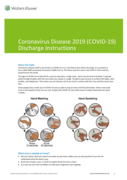
Coronavirus disease 2019 is also known as COVID-19. It is a viral illness that infects the lungs. It is caused by a virus called SARS-associated coronavirus (SARS-CoV-2). This illness was first seen in late 2019 in China and has spread across the world.
The signs of COVID-19 are like the flu, and y
...
ou may have a cough, fever, and it may be hard to breathe. It spreads easily through droplets with the virus when you sneeze or cough. The germs also survive on surfaces like tables, door handles, and telephones. That means you can become sick if you touch a surface with the virus and then touch your face.
Some people have a mild case of COVID-19 and are able to stay at home until they feel better. Others may need to be in the hospital if they are very sick. People with COVID-19 most often have to isolate themselves for about 2 weeks.
Last Reviewed Date: 2020-03-16
more
Diseases that spread easily have always been around. Sometimes these diseases spread from one person to another person. Sometimes they spread from animals to people. Other times, they spread through germs in the water, soil, food, or air.
Some diseases can be prevented or controlled with a vaccinat
...
ion, like measles. Other diseases may not have a vaccine or drugs to treat them. Because of this, it is important to prevent the spread of diseases.
Last Reviewed Date: 2020-03-18
more
Use of chest imaging in COVID-19 (Arab Version)
recommended
This rapid advice guide examines the evidence and makes recommendations for the use of chest imaging in acute care of adult patients with suspected, probable or confirmed COVID-19. Imaging modalities considered are radiography, computed tomography a
...
nd ultrasound. This guide addresses the care pathway from presentation of the patient to a health facility to patient discharge. It considers different levels of disease severity, from asymptomatic individuals to critically ill patients. Accounting for variations in the benefits and harms of chest imaging in different situations, remarks are provided to describe the circumstances under which each recommendation would benefit patients. The guide also includes implementation considerations for different settings, provides suggestions for impact monitoring and evaluation and identifies knowledge gaps meriting further research.
more
This booklet is recommended for all health workers who diagnose and treat leprosy, especially those at the first referral level such as a health centre. It contains more detail than the WHO Guide to Eliminate Leprosy as a Public Health Problem. The Guide gives practical
...
advice on how to diagnose leprosy and how to give the correct treatment, and basic information on how to recognise and manage leprosy reactions.e
more
Personal Protective Equipment in the Context of Filovirus Disease Outbreak Response
recommended
World Health Organization
(2014)
Rapid advice guideline
This guideline is for use by clinical staff when managing patients with confirmed or suspected malaria who require admission to hospital.
Scientific advice
Prevention and control of communicable diseases in prison settings.

Clinical Guideline
Guidelines giving advice for the provision of general anaesthesia in sites remote from a main theatre facility.
Published 2014
Rebranded 2017
WHO clinical and policy guidelines
The manual is written for clinicians working at the district hospital (first-level referral care) who diagnose and manage sick adolescents and adults in resource constrained settings. It aims to support clinical reasoning, and to provide an effectiv
...
e clinical approach and protocols for the management of common and serious or potentially life-threatening conditions at district hospitals. The target audience thus includes doctors, clinical officers, health officers, and senior nurse practitioners. It has been designed to be applicable in both high and low HIV prevalence settings.
Volume 2 provides a symptom-based approach to clinical care for acute and subacute conditions (including mental health). It provides short summaries of the management of diseases that affect multiple systems of the body, focusing on communicable diseases. It also includes the chronic or long-term management of HIV, TB, alcohol, and substance use disorders.
more
