
Filter
1904
Text search:
Neglected
Diseases
Featured
174
371
Language
1763
148
132
57
51
33
33
26
3
2
1
1
1
1
1
1
1
1
1
1
1
1
1
1
1
1
1
1
1
1
Document type
689
529
195
105
103
82
73
41
24
19
16
10
9
7
2
Countries
241
52
43
36
35
32
31
30
28
26
25
22
21
19
18
16
16
16
16
15
14
14
13
12
11
11
11
10
10
10
9
9
8
8
8
7
7
7
6
6
6
6
5
5
5
4
4
4
4
4
4
3
3
3
3
2
2
2
2
2
2
2
2
2
2
2
2
2
2
2
2
2
1
1
1
1
1
1
1
1
1
1
1
1
1
1
1
1
1
1
1
1
1
1
1
1
1
1
1
1
1
1
1
1
1
1
Authors & Publishers
216
203
62
58
56
37
23
23
22
22
17
14
14
11
10
10
9
9
8
7
7
7
7
6
6
6
6
6
6
5
5
5
5
5
5
5
5
5
5
4
4
4
4
4
4
4
4
4
4
4
4
4
4
4
4
4
4
4
4
4
3
3
3
3
3
3
3
3
3
3
3
3
3
3
3
3
3
3
3
3
3
3
3
3
3
3
3
3
3
3
3
3
3
3
3
3
3
3
3
3
3
3
3
3
3
3
2
2
2
2
2
2
2
2
2
2
2
2
2
2
2
2
2
2
2
2
2
2
2
2
2
2
2
2
2
2
2
2
2
2
2
2
2
2
2
2
2
2
2
2
2
2
2
2
2
2
2
2
2
2
2
2
2
2
2
2
2
2
2
2
2
2
2
2
2
2
2
2
2
2
2
2
2
2
2
2
2
2
2
2
2
2
2
2
2
2
2
2
2
2
2
2
2
2
2
2
2
2
2
2
2
2
2
2
2
2
2
2
2
2
2
2
1
1
1
1
1
1
1
1
1
1
1
1
1
1
1
1
1
1
1
1
1
1
1
1
1
1
1
1
1
1
1
1
1
1
1
1
1
1
1
1
1
1
1
1
1
1
1
1
1
1
1
1
1
1
1
1
1
1
1
1
1
1
1
1
1
1
1
1
1
1
1
1
1
1
1
1
1
1
1
1
1
1
1
1
1
1
1
1
1
1
1
1
1
1
1
1
1
1
1
1
1
1
1
1
1
1
1
1
1
1
1
1
1
1
1
1
1
1
1
1
1
1
1
1
1
1
1
1
1
1
1
1
1
1
1
1
1
1
1
1
1
1
1
1
1
1
1
1
1
1
1
1
1
1
1
1
1
1
1
1
1
1
1
1
1
1
1
1
1
1
1
1
1
1
1
1
1
1
1
1
1
1
1
1
1
1
1
1
1
1
1
1
1
1
1
1
1
1
1
1
1
1
1
1
1
1
1
1
1
1
1
1
1
1
1
1
1
1
1
1
1
1
1
1
1
1
1
1
1
1
1
1
1
1
1
1
1
1
1
1
1
1
1
1
1
1
1
1
1
1
1
1
1
1
1
1
1
1
1
1
1
1
1
1
1
1
1
1
1
1
1
1
1
1
1
1
1
1
1
1
1
1
1
1
1
1
1
1
1
1
1
1
1
1
1
1
1
1
1
1
1
1
1
1
1
1
1
1
1
1
1
1
1
1
1
1
1
1
1
1
1
1
1
1
1
1
1
1
1
1
1
1
1
1
1
1
1
1
1
1
1
1
1
1
1
1
1
1
1
1
1
1
1
1
1
1
1
1
1
1
1
1
1
1
1
1
1
1
1
1
1
1
1
1
1
1
1
1
1
1
1
1
1
1
1
1
1
1
1
1
1
1
1
1
1
1
1
1
1
1
1
1
1
1
1
1
1
1
1
1
1
1
1
1
1
1
1
1
1
1
1
1
1
1
1
1
1
1
1
1
1
1
1
1
1
1
1
1
1
1
1
1
1
1
1
1
1
1
1
1
1
1
1
1
1
1
1
1
1
1
1
1
1
1
1
1
1
1
1
1
1
1
1
1
1
1
1
1
1
1
1
1
1
1
1
1
1
1
1
1
1
1
1
1
1
1
1
1
1
1
1
1
1
1
1
1
1
1
1
1
1
1
1
1
1
1
1
1
1
1
1
1
1
1
1
1
1
1
1
1
1
1
1
1
1
1
1
1
1
1
1
1
1
1
1
1
1
1
1
1
1
1
1
1
1
1
1
1
1
1
1
1
1
1
1
1
1
1
1
1
1
1
1
1
1
1
1
1
1
1
1
1
1
1
1
1
1
1
1
1
1
1
1
1
1
1
1
1
1
1
1
1
1
1
1
1
1
1
1
1
1
1
1
1
1
1
1
1
1
1
1
1
1
1
1
1
1
1
1
1
1
1
1
1
1
1
1
1
1
1
1
1
1
1
1
1
1
1
1
1
1
1
1
1
1
1
1
1
1
1
1
1
1
1
1
1
1
1
1
1
1
1
1
1
1
1
1
1
1
1
1
1
1
1
1
1
1
1
1
1
1
1
1
1
1
1
1
1
1
1
1
1
1
1
1
1
1
1
1
1
1
1
1
1
1
1
1
1
1
1
1
1
1
1
1
1
1
1
1
1
1
1
1
1
1
1
1
1
1
1
1
1
1
1
1
1
1
1
1
1
1
1
1
1
1
1
1
1
1
1
1
1
1
1
1
1
1
1
1
1
1
1
1
1
1
1
1
1
1
1
1
1
1
1
1
1
1
1
1
1
1
1
1
1
1
1
1
1
1
1
1
1
1
1
1
1
1
1
1
1
1
1
1
1
1
1
1
1
1
1
1
1
1
1
1
1
1
1
1
1
1
1
1
1
1
1
1
1
1
1
1
1
1
1
1
1
1
1
1
1
1
1
1
1
1
1
1
1
1
1
1
1
1
1
1
1
1
1
1
1
1
1
1
1
1
1
1
1
1
1
1
1
1
1
1
1
1
1
1
1
1
1
1
1
1
1
1
1
1
1
1
1
1
1
1
1
1
1
1
1
1
1
1
1
1
1
1
1
1
1
1
1
1
1
1
1
1
1
1
1
1
1
1
1
1
1
1
1
1
1
1
1
1
1
1
1
1
1
1
1
1
1
1
1
1
1
1
1
1
1
1
1
1
1
1
1
1
1
1
1
1
1
1
1
1
1
1
1
1
1
1
1
1
1
1
1
1
1
1
1
1
1
1
1
1
1
1
1
1
1
1
1
1
1
1
1
1
1
1
1
1
1
1
1
1
1
1
1
1
1
1
1
1
1
1
1
1
1
1
1
1
1
1
1
1
1
1
1
1
1
1
1
1
1
1
1
1
1
1
1
1
1
1
1
1
1
1
1
1
1
1
1
1
1
1
1
1
1
1
1
1
1
1
1
1
1
1
1
1
1
1
1
1
1
1
1
1
1
1
1
1
1
1
1
1
1
1
1
1
1
1
1
1
1
1
1
1
1
1
1
1
1
1
1
1
1
1
1
1
1
1
1
1
1
1
1
1
1
1
1
1
1
1
1
1
1
1
1
1
1
1
1
1
1
1
1
1
1
1
1
1
1
1
1
1
1
1
1
1
1
1
1
1
1
1
1
1
1
1
1
1
1
1
1
1
1
1
1
1
1
1
1
1
1
1
1
1
1
1
1
1
1
1
1
1
1
1
1
1
1
1
1
1
1
1
1
1
1
1
1
1
1
1
1
1
1
1
1
1
1
1
1
1
1
1
1
1
1
1
1
1
1
1
1
1
1
1
1
1
1
1
1
1
1
1
1
1
1
1
1
1
1
1
1
1
1
1
1
1
1
1
1
1
1
1
1
1
1
1
1
1
1
1
1
1
1
1
1
1
1
1
1
1
1
1
1
1
1
1
1
1
1
1
1
1
1
1
1
1
1
1
1
1
1
1
1
1
1
1
1
1
1
1
1
1
1
1
1
1
1
1
1
1
1
1
1
1
1
1
1
1
1
1
1
1
1
1
1
1
1
1
1
1
1
1
1
1
1
1
1
1
1
1
1
1
1
1
1
1
1
1
1
1
1
1
1
1
1
1
1
1
1
1
1
1
1
1
1
1
1
1
1
1
1
1
1
1
1
1
1
1
1
1
1
1
1
1
1
1
1
1
1
1
1
1
1
1
1
1
1
1
1
1
1
1
1
1
1
1
1
1
1
1
1
1
1
1
1
1
1
1
1
1
1
1
1
1
1
1
1
1
1
1
1
1
1
1
1
1
1
1
1
1
1
1
1
1
1
1
1
1
1
1
1
1
1
1
1
1
1
1
1
1
1
1
1
1
1
1
1
1
1
1
1
1
1
1
1
1
1
1
1
1
1
1
1
1
1
1
1
1
1
1
1
1
1
1
1
1
1
1
1
1
1
1
1
1
Publication Years
783
1001
107
13
Category
445
179
134
78
63
28
27
1
Toolboxes
712
90
75
61
60
54
52
39
31
31
31
30
30
24
24
19
16
13
12
12
12
10
9
7
3
Global Epidemiology of Buruli Ulcer, 2010–2017, and Analysis of 2014 WHO Programmatic Targets
Omansen, T.F.; A. Erbowor-Becksen, R. Yotsu,
Emerging Infectious Diseases (EID) Journal
(2019)
C_CDC
Emerging Infectious Diseases • www.cdc.gov/eid • Vol. 25, No. 12, December 2019 2183
Buruli ulcer is a neglected tropical disease caused by Myocobacterium ulcerans; it manifests as a skin lesio
...
n, nodule, or ulcer that can be extensive and disabling. To assess the global burden and the progress on disease control, we analyzed epidemiologic data reported by countries to the World Health Organization during 2010–2017.
more
After 100 years of chemotherapy with impractical and toxic drugs, an oral cure for human African trypanosomiasis (HAT) is available: Fexinidazole. In this case, we review the history of drug discovery for HAT with special emphasis on the discovery, pre-clinical development, and operational challenge
...
s of the clinical trials of fexinidazole. The screening of the Drugs for Neglected Diseases initiative (DNDi) HAT-library by the Swiss TPH had singled out fexinidazole, originally developed by Hoechst (now Sanofi), as the most promising of a series of over 800 nitroimidazoles and related molecules. In cell culture, fexinidazole has an IC50 of around 1 µM against Trypanosoma brucei and is more than 100-fold less toxic to mammalian cells. In the mouse model, fexinidazole cures both the first, haemolymphatic, and the second, meningoencephalitic stage of the infection, the latter at 100 mg/kg twice daily for 5 days. In patients, the clinical trials managed by DNDi and supported by Swiss TPH mainly conducted in the Democratic Republic of the Congo demonstrated that oral fexinidazole is safe and effective for use against first- and early second-stage sleeping sickness. Based on the positive opinion issued by the European Medicines Agency in 2018, the WHO has released new interim guidelines for the treatment of HAT including fexinidazole as the new therapy for first-stage and non-severe second-stage sleeping sickness caused by Trypanosoma brucei gambiense (gHAT). This greatly facilitates the diagnosis and treatment algorithm for gHAT, increasing the attainable coverage and paving the way towards the envisaged goal of zero transmission by 2030.
more
Development and Introduction of the Filariasis Test Strip: A New Diagnostic Test for the Global Program to Eliminate Lymphatic Filariasis
Pantelias, A.; King, J.D.; Lammie, P.; Weil, G.J.
The American Journal of Tropical Medicine and Hygiene
(2022)
CC
Am. J. Trop. Med. Hyg., 106 (Suppl 5), 2022, pp. 56–60. Lymphatic filariasis (LF) is a parasitic disease that is a major cause of chronic disability in the developing world. According to the 2021–2030 road map for neglected tropical
...
diseases (NTDs) published by the World Health Organization (WHO), the global goal for LF is elimination as a public health problem by 2030 through repeated rounds of mass drug administration (MDA). Critical components of any elimination program are monitoring and surveillance. Appropriate assessment tools and methods are needed for each stage of an elimination program; mapping to identify which areas require intervention, monitoring to assess the impact of interventions, and post-intervention surveillance to validate elimination or detect recrudescence.
more
GUIDE PRATIQUE À L’INTENTION DES PROGRAMMES DE LUTTE CONTRE LES MALADIES TROPICALES NÉGLIGÉES
This toolkit provides step-by-step guidance to NTD programme managers and partners on how to engage and work collaboratively with the WASH community to improve delivery of water, sanitation and hygien
...
e services to underserved population affected by many neglected tropical diseases. The toolkit is based on real-life programme experience, which users can match to their needs and local context. It includes a series of tools to help build multisectoral partnerships, mobilize resources, and design, implement and evaluate interventions.
more
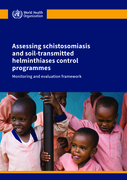
The objective of this manual is to guide managers of schistosomiasis and soil-transmitted helminthiases control programmes towards the elimination of these diseases as public health problems informed by evidence generated through monitoring and eval
...
uation of these programmes. The manual complements the objectives outlined by the World Health Organization (WHO) in the road map for neglected tropical diseases 2021–2030 (“the road map”) (WHO, 2020a) and the monitoring and evaluation framework (WHO, 2021a), a companion document to the road map.
more
Current Tropical Medicine Reports (2018) 5:247–256 https://doi.org/10.1007/s40475-018-0166-2 .Purpose of the Review Buruli ulcer (BU) is a necrotizing and disabling cutaneous disease caused by Mycobacterium ulcerans, one of the skin-related neglected
...
tropical diseases (skin NTDs). This article aims to review the current knowledge of this disease and challenges ahead.
more
Cotonou declaration on buruli ulcer
recommended
Cotonou Declaration oBuruli Ulcer
Cotonou, Benin, 30 March 2009
Neglected tropical diseases kill, weaken or incapacitate millions of people every year, causing permanent physical suffering, social
...
stigmatization and reduced productive capacity. Buruli ulcer, one such disease, causes immense suffering and disabilities, especially among children. Delayed schooling and loss of productivity are considerable among the affected populations. These adverse consequences tend to aggravate poverty in affected communities. Globally, the disease has been reported in 30 countries. In WHO’s African Region, Buruli ulcer has been confirmed in 12 countries and is suspected in 10 others.
Significant progress has been made in the past 10 years in knowledge of Buruli
ulcer, investments in related research, control of the disease, and improvement
of tools for case diagnosis and development of treatment protocols. Substantial achievements have been made in diagnosis, treatment, immunology and epidemiology. Despite these achievements, little is known about the exact mode of transmission of the disease, and there is no simple diagnostic test usable in the field.
The use of antibiotics has revolutionized treatment and contributed to reducing the need for surgery by half. However, efforts are still needed to develop simple diagnostic tools usable in the field as well as disability prevention methods. The Global Buruli Ulcer Initiative has adopted the strategy recommended by WHO. The strategy is based on early diagnosis of the disease and the use of antibiotics for treatment upon the onset of the first signs by improving access to screening and case management at the most peripheral level of the health system.
more

Comment reconnaître les maladies tropicales négligées selon les altérations de la peau : guide de formation à l’usage du
personnel sanitaire de première lignes [Recognizing neglected tropical dise
...
ases through changes on the skin: a training
guide for front-line health workers]
more

Guia de treinamento para profissionais de saúde da linha de frente
Versão oficial em português da obra original em Inglês
Recognizing neglected tropical diseases through changes on the skin: a
...
training guide for front-line health workers
more
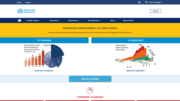
Preventive Chemotherapy (PC) Data Portal
recommended
Progress towards achieving the Roadmap targets for control and elimination of the Neglected Tropical Diseases
In May the Sixty-sixth World Health Assembly adopted resolution WHA66.12 (1) on 17 neglected tropical diseases (NTDs). Among other measures, the resolution urges Member States to:
• ensure count
...
ry ownership of prevention, control, elimination and eradication programmes;
• expand and implement interventions and advocate for predictable, long-term international financing for activities related to control and capacity strengthening;
• integrate control programmes into primary health-care services and existing programmes;
• ensure optimal programme management and implementation;
• achieve and maintain universal access to interventions and reach the targets of the roadmap.
more
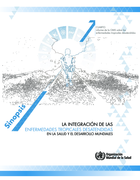
Integrating neglected tropical diseases into global health and development: fourth WHO report on neglected tropical
...
diseases evaluates the changing global public health landscape; assesses progress towards the 2020 targets; and considers the possible core elements of a strategic vision to integrating neglected tropical diseases into the 2030 Agenda of the Sustainable Development Goals.
Advances have been made through expanded interventions delivered through five public health approaches: innovative and intensified disease management; preventive chemotherapy; vector ecology and management; veterinary public health services; and the provision of safe water, sanitation and hygiene. In 2015 alone nearly one billion people were treated for at least one disease and significant gains were achieved in relieving the symptoms and consequences of diseases for which effective tools are scarce; important reductions were achieved in the number of new cases of sleeping sickness, of visceral leishmaniasis in South-East Asia and also of Buruli ulcer.
The report also considers vector control strategies and discusses the importance of the draft WHO Global Vector Control Response 2017–2030. It argues that veterinary public health requires a multifaceted approach across the human–animal interface as well as a multisectoral programme of work to protect and improve the physical, mental and social well-being of humans, including veterinary, water, sanitation and hygiene.
Integration of activities and interventions into broader health systems is crucial, and despite challenges, has the potential to accelerate progress towards universal health coverage while advancing the 2030 Agenda.
In short, this report drives the message home that “no one must be left behind”.
more
PLoS Neglected Tropical diseases August 16, 2021 https://doi.org/10.1371/journal.pntd.0009697
Chagas disease, also known as American trypanosomiasis, is a
...
neglected tropical disease transmitted by triatomine insects, first identified in 1909. Chagas disease affects approximately 6–7 million people globally and is highly prevalent in Latin America where most cases are reported. However, there is increasing evidence that Chagas disease is now an important public health issue outside the “classical” endemic countries due to population migration. Our understanding of Chagas disease, including its pathologies and factors relating to progression, remains to date limited, and is also challenged by lack of diagnosis and highly effective treatment. This systematic review aims to describe studies with Chagas patients receiving antiparasitic treatment. Databases were searched for relevant studies published after 1997, and the results of these searches were screened.
more
PLOS Neglected Tropical Diseases 18(5): e0012091. https://doi.org/10.1371/journal.pntd.0012091
Outbreak of Ebola Virus Disease in Guinea: Where Ecology Meets Economy
Bausch, D.G., Schwarz, L.
(2014)
PLOS Neglected Tropical Diseases. Open Access. Please download the pdf-file from the website!
Plos Neglected Tropical Diseases 8(11): e3229 (20 November 2014)
Eradication of Yaws: Historical Efforts and Achieving WHO's 2020 Target
K. Asedeu; C. Fitzpatrick, J.Jannin
(2014)
PLOS Neglected Tropical Diseases September 2014 | Volume 8 | Issue 9 | e3016 DOI: 10.1371/journal.pntd.0003016
PLOS Neglected Tropical Diseases 18(4): e0012111. https://doi.org/10.1371/journal.pntd.0012111
PLoS Neglected Tropical Diseases https://doi.org/10.1371/journal.pntd.0004762
This study shows the importance of an integrated entomological and medical surveillance for the evaluation of arbovira
...
l disease risk, which is a precondition for designing cost-effective vector control programs.
more
DEPARTMENT OF CONTROL OF NEGLECTED TROPICAL DISEASES
